Season 4 · Episode 4
South Korea
Ancient discipline moving at the speed of the future.
On this page ▾
By Sorin Mihailovici · Travel by Dart · Last updated August 2026 · ~16 min read
Most people know South Korea from three things: Squid Game, K-pop, and — lately — its footballers. But that's only half the story. Just an hour from the glass towers of Seoul sits a four-kilometre strip of land where two armies have stared each other down for seventy years, and woven through the modern country is a thread of tradition most visitors never stop to pull. I came here to find the other half: the palaces, the rituals, the food you don't order twice by accident, and the strange, moving experience of standing at the edge of a war that never officially ended.
South Korea had been on my list for years — the culture, the food, the K-pop phenomenon — and I'm convinced that within a few years it will be one of the world's major tourist destinations. It's already climbing fast. What follows is the guide I wish I'd had before I arrived: everything the dart, and a string of remarkable local friends, uncovered.
Quick facts: South Korea at a glance
- Population
- ~52 million
- Capital
- Seoul (~10 million)
- Founding dynasty
- Joseon (1392–1910)
- Traditional dress
- Hanbok (~600 years old)
- Signature drinks
- Makgeolli (rice wine), soju
- Global export
- K-pop, K-drama, Korean food
- The border
- DMZ — ~4 km wide, still at war
- Status
- Armistice since 1953, no peace treaty
A Few Things That Make Korea, Korea
Before the palaces, a couple of small oddities that stuck with me. Koreans traditionally counted age by the year, not the birthday — you were born at "one," and everyone ticked over a year each New Year's Day, so a baby born on 31 December could be "two years old" two days later. It caused enough confusion that the country officially scrapped the system in June 2023 and switched to the international method.
Then there are the chopsticks. Unlike Japan or China, Koreans eat with metal ones — and the legend behind it is wonderfully dark. A king, terrified of being poisoned, supposedly used silver chopsticks and a food-taster, because the metal was believed to change colour on contact with poison. Whether or not that's the true origin, metal chopsticks are now unmistakably Korean — flat, heavier than the wooden kind, and, as I quickly learned, a genuine test of coordination when there's a slippery dumpling on the line. Little details like these are the ones the guidebooks skip, and they're exactly what I travel for: the small, specific habits that tell you you're somewhere that does things its own way.
Gyeongbokgung and the King's Hanbok
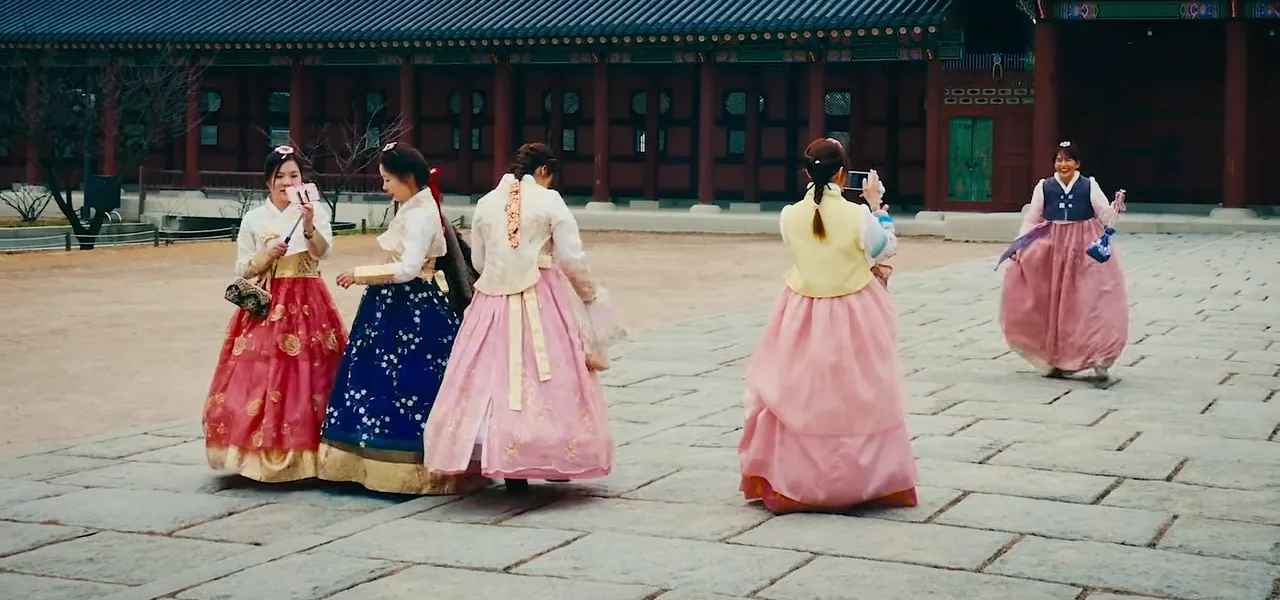
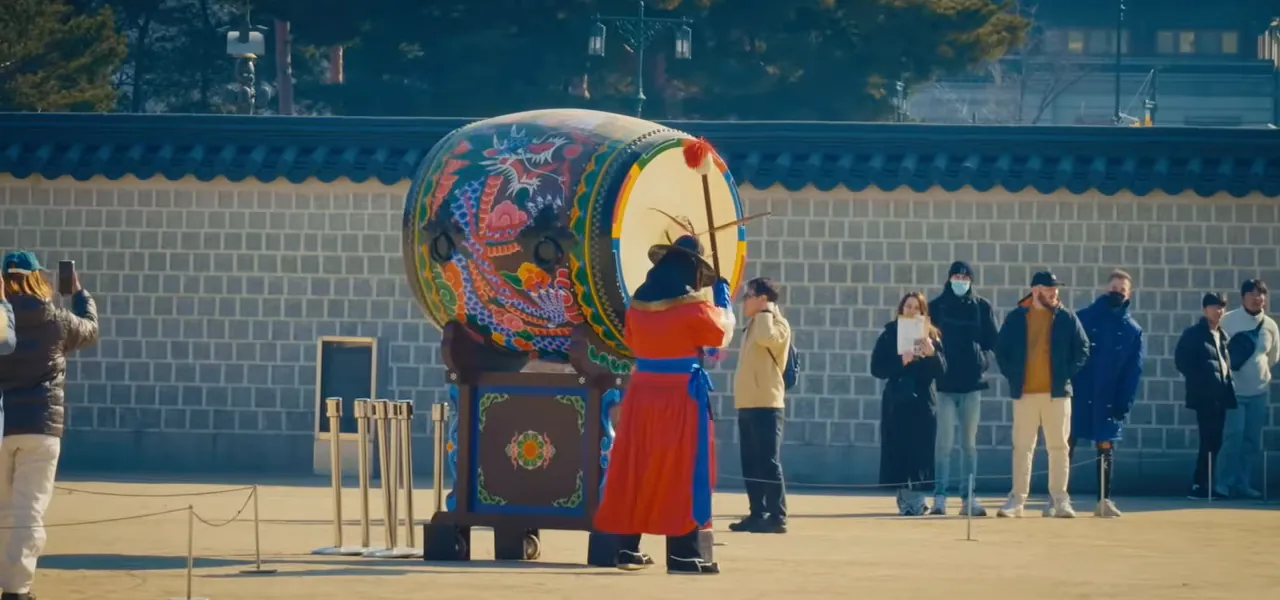
My first friend in Seoul was a local guide named Eddie, whose enthusiasm regularly outpaced the tourists', and he refused to let me see the palace like an ordinary visitor. "The only way to do this," he said, "is to wear a hanbok." The hanbok is Korea's traditional dress, worn for roughly 600 years by everyone from kings to commoners — and Eddie knew exactly the right person to fit me for one. The tailor, whose name literally means "a person who helps Korea," explained why he loves the trade: people put on a hanbok and their whole bearing changes. They stand like royalty.
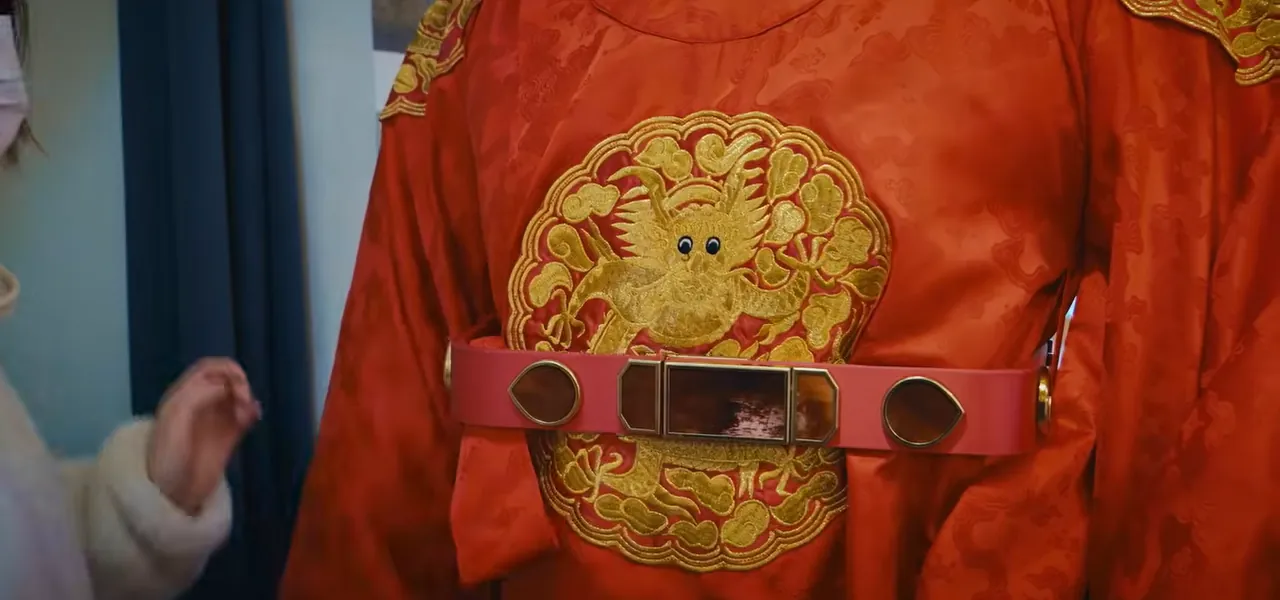
Naturally, I didn't pick a commoner's robe. I chose the king's — deep red, with the gold dragon emblem that marks the sovereign, topped with the royal hat. And here's the clever part: in Seoul, anyone in a hanbok enters the royal palaces for free, a city initiative that keeps the grounds awash in colour and the tradition alive. So, dressed as a Korean king, I walked into Gyeongbokgung — and promptly became a minor attraction myself, with foreign tourists lining up to photograph the strange man in the emperor's clothes. I have no idea if they admired the outfit or were laughing at me. Either way, I felt special.
Five Centuries of the Joseon Dynasty
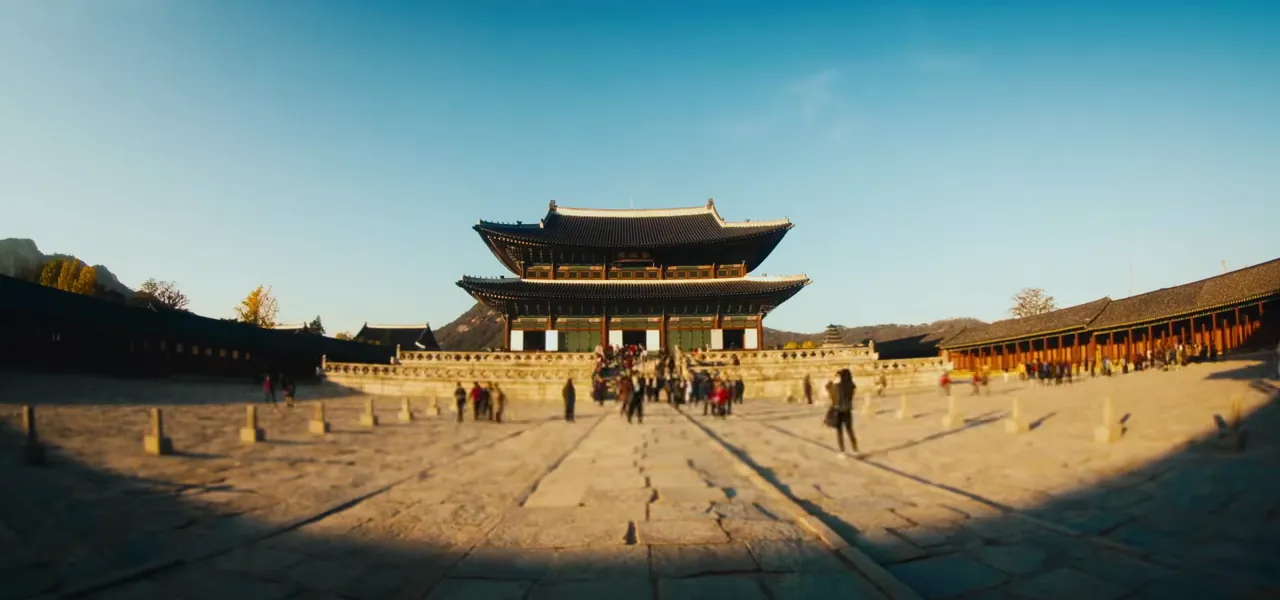
Gyeongbokgung was built in 1395, just three years after the founding of the Joseon Dynasty — and Joseon is worth pausing on, because it ruled Korea for over five centuries, from 1392 to 1910, one of the longest-lived dynasties anywhere. The palace is the oldest and largest of the five grand palaces of Seoul. Its history is also a history of Korea's hardest centuries: it was burned to the ground during the Japanese invasion of 1592, left in ruins for nearly 300 years, and finally reconstructed in the 1860s.
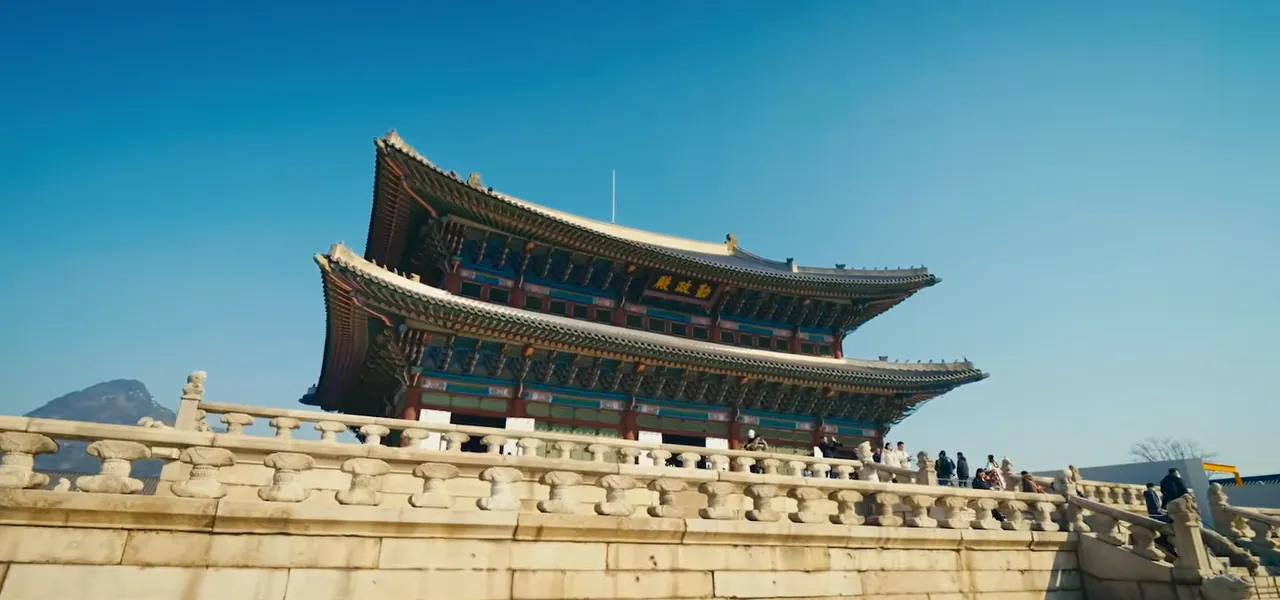
Inside the walls sit two smaller palaces — one for the emperor, one for the empress — and Eddie explained the uncomfortable arithmetic of royal succession. The emperor also kept nine consorts, each with rooms in his quarters, because if the empress could not produce a male heir to continue the dynasty, he would turn to the others. So the empress held the title and the marriage, while nine other women lived, quite literally, forty metres away. Power and heirs, not romance, built these rooms.
The Night Market, Soju, and Raw Beef
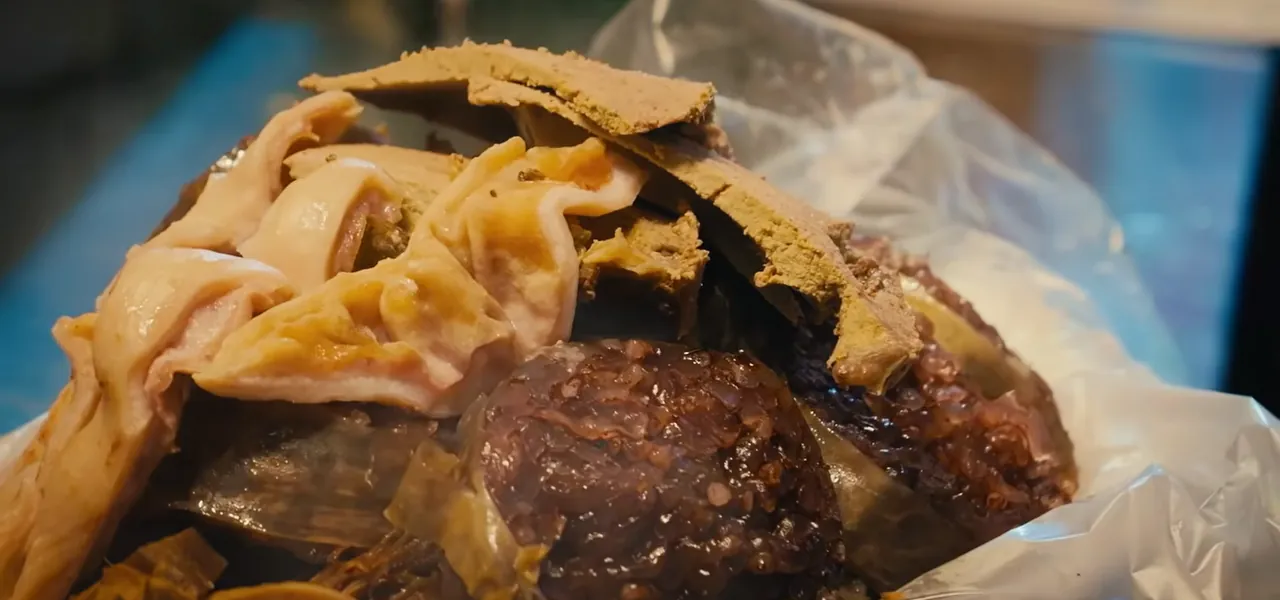
South Koreans, I found, are exceptionally warm — friendlier and more relaxed, I'd say, than their neighbours in Japan — and I made friends almost the moment I landed. Two of them, Gunwoo and David, run a company built around exclusive experiences in Seoul, and their first idea was the night market. What you see there is an avalanche of food you do not eat every day: skewers of testicle and organ meats, tongue, liver, unclassifiable sausages, and sundae — noodles and pig's blood packed into intestine casing. It looks alarming. I dipped it in salt, braced myself, and… actually liked it. Chewy, faintly rubbery, and the blood gives it a real, particular flavour.
The markets aren't only about food. They're where Korea's famously overworked employees come to decompress after punishing days, and the fuel for that is soju — the clear, cheap spirit that tastes, to me, like Eastern European moonshine. The story goes that after the Korean War, the country lacked the means to make high-quality liquor, so people got creative and produced something cheap and cheerful; that's soju's origin. We moved on to a spot for raw beef with a raw egg on top — a dish called yukhoe, and far tastier than it sounds — and then Gunwoo introduced me to the drink that stole the whole trip: makgeolli.
Makgeolli: The Drink That Means Home
Makgeolli is a milky, lightly carbonated rice wine, and I liked it so much that I went looking for a brewery to see how it's made. I found Hong, one of the kindest people you could meet in Seoul, who runs a restaurant with a tiny brewery inside and closed the place just to walk me through it. Makgeolli needs only two things, he told me: rice (he uses rice powder) and a traditional yeast starter called nuruk. He ferments his for about five days; at home it takes closer to two weeks.
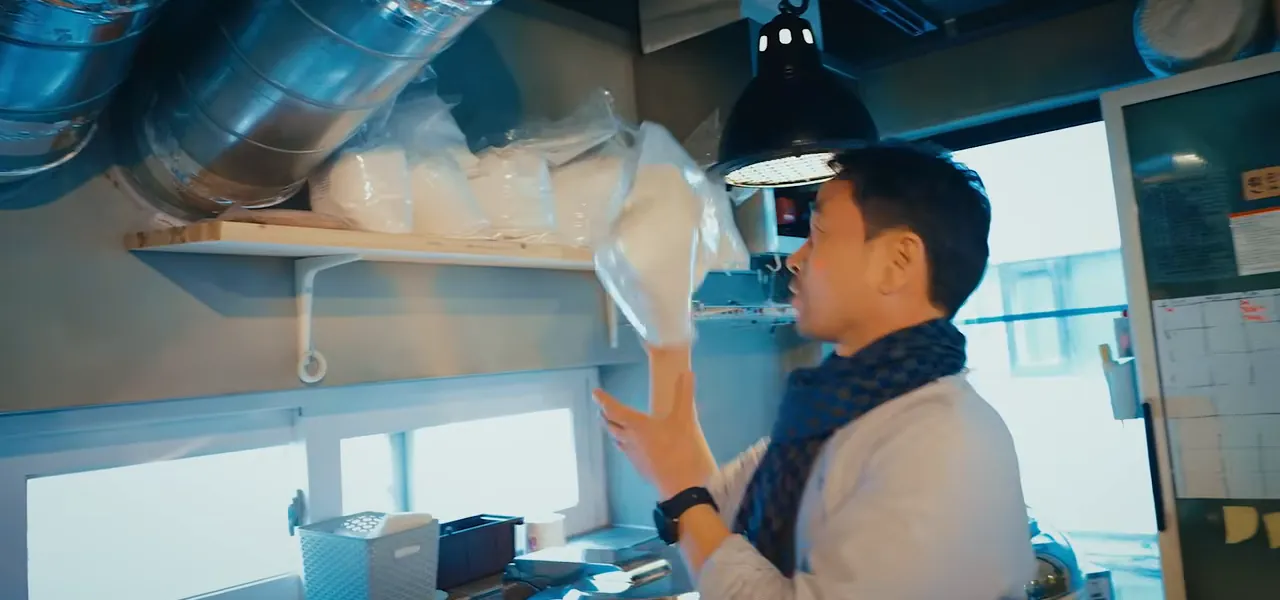
Then Hong started showing off his inventions — a "Blooming Makgeolli" finished with a single drop of colour, and a "Volcano Makgeolli" that erupts into foam when you crack the cap. Drinking his creations at nine in the morning, I felt like a kid in a candy shop. But it was what he said that stayed with me. For Hong, makgeolli isn't just alcohol. "This means my mother," he told me. "It's my friend. It feels like home." That's the thing about Korea — even the drinking runs deep.
This makgeolli means my mother. It's my friend. It's everything for me.
The Rules of Drinking
Which brings up something that genuinely surprised me: in Korea, there are classes that teach you how to drink. Not how to hold your liquor — how to behave. Korean drinking culture, my instructor explained, isn't really about the drink, the way wine or whisky can be; it's about the people, and about respect. The rules are specific and they matter.

When you pour for someone, you use both hands. When you drink in front of your boss or an elder, you turn your head away. When you clink glasses, yours should sit lower than the glass of anyone senior to you. The eldest person opens the bottle and pours for everyone else first — and then someone must immediately offer to pour for them. Skip a step and it's deeply awkward. I was baffled at first and won over by the end: it turns a round of drinks into a small, constant exchange of respect.
Tofu, Kimchi, and a Family Recipe
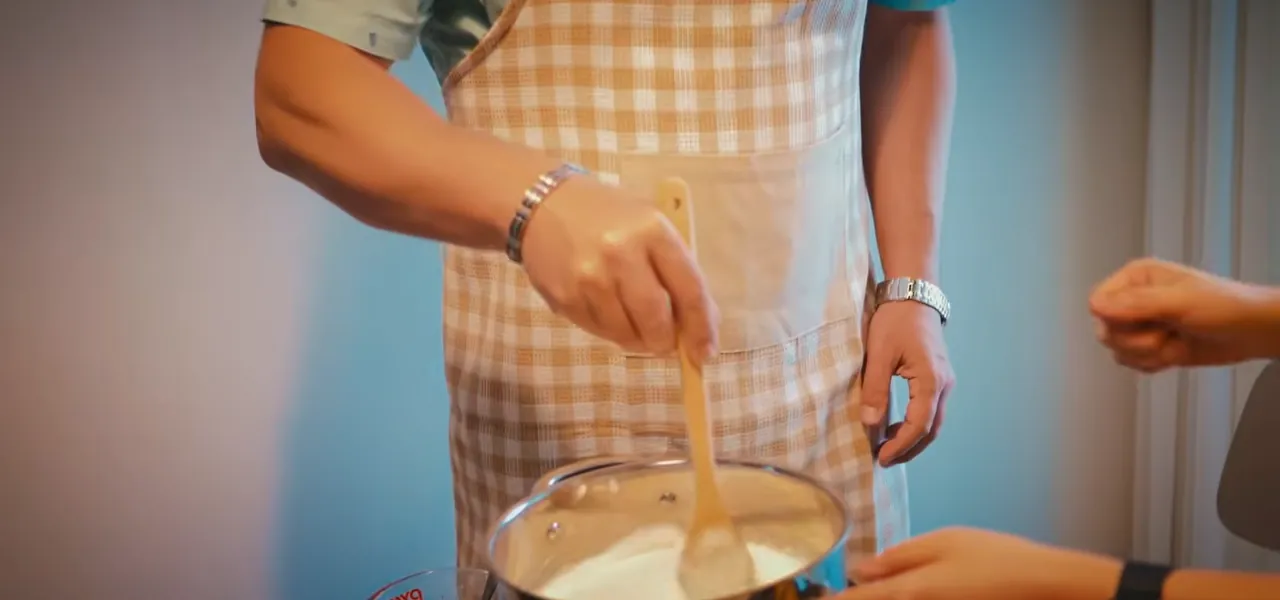
Beyond the street food, I wanted to understand the staples everyone knows by name — kimchi and tofu — so a new friend, Avery, invited me to her home to make both from scratch. It was, she pointed out, the first time I'd worn an apron in about twenty years. Tofu turns out to be a small miracle of chemistry: you grind soaked soybeans with water, boil the mixture into soy milk, then set it into curds. Avery's family secret is the coagulant — seawater, whose salts pull the liquid together into soft white blocks.
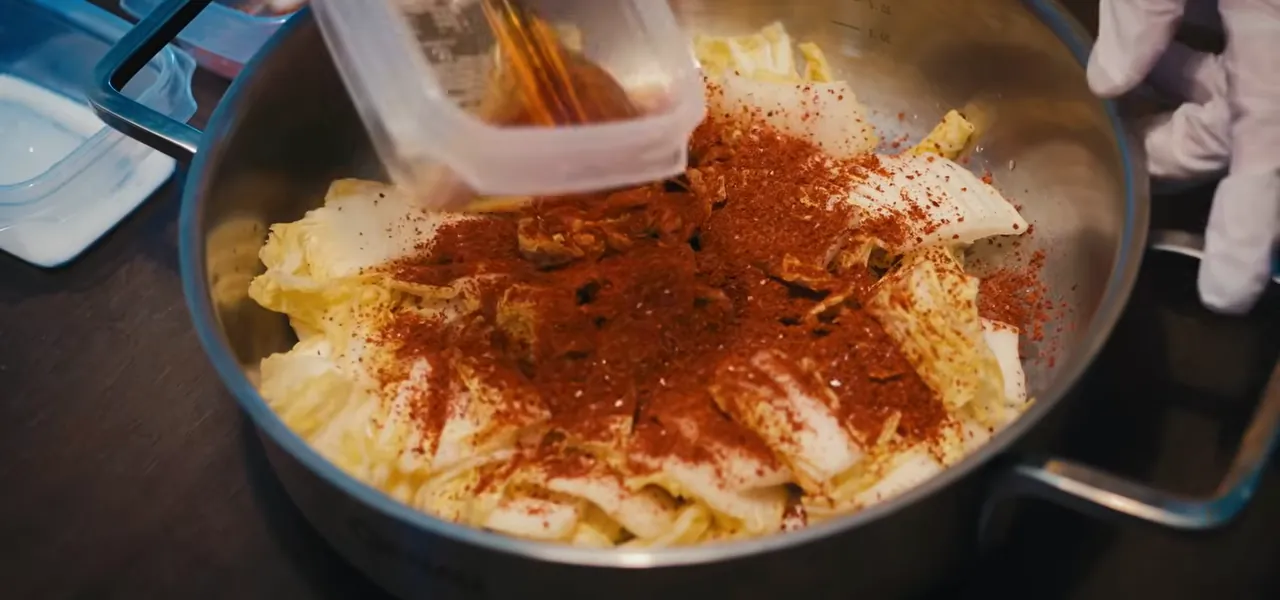
Kimchi was faster but no less of an education. It's fermented napa cabbage — salted for hours first, then coated in a paste of gochugaru (red pepper powder), garlic, ginger, fish sauce, salted baby shrimp, plum syrup and, to my genuine surprise, a spoonful of sugar. The sugar, Avery insisted, is what pulls every flavour together. Done properly, kimchi can ferment for days, months, even years, and no two families make it quite the same way. It is, more than any single dish, the soul of the Korean table.
The K-Pop Machine
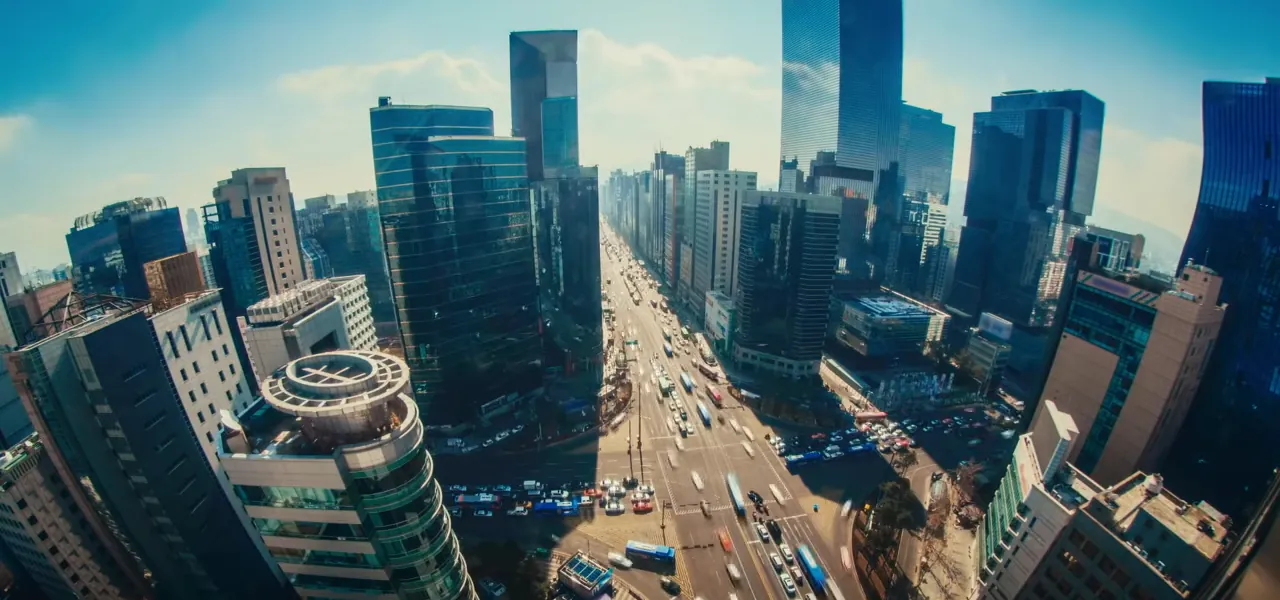
You cannot come to South Korea and ignore K-pop, a wave that has grown from a novelty into one of the country's biggest cultural exports — and the government treats it that way, investing in tourist sites to draw fans from around the world. The whole thing traces back to one song. When I told friends I was going to Korea, the first words out of their mouths were "Gangnam Style."
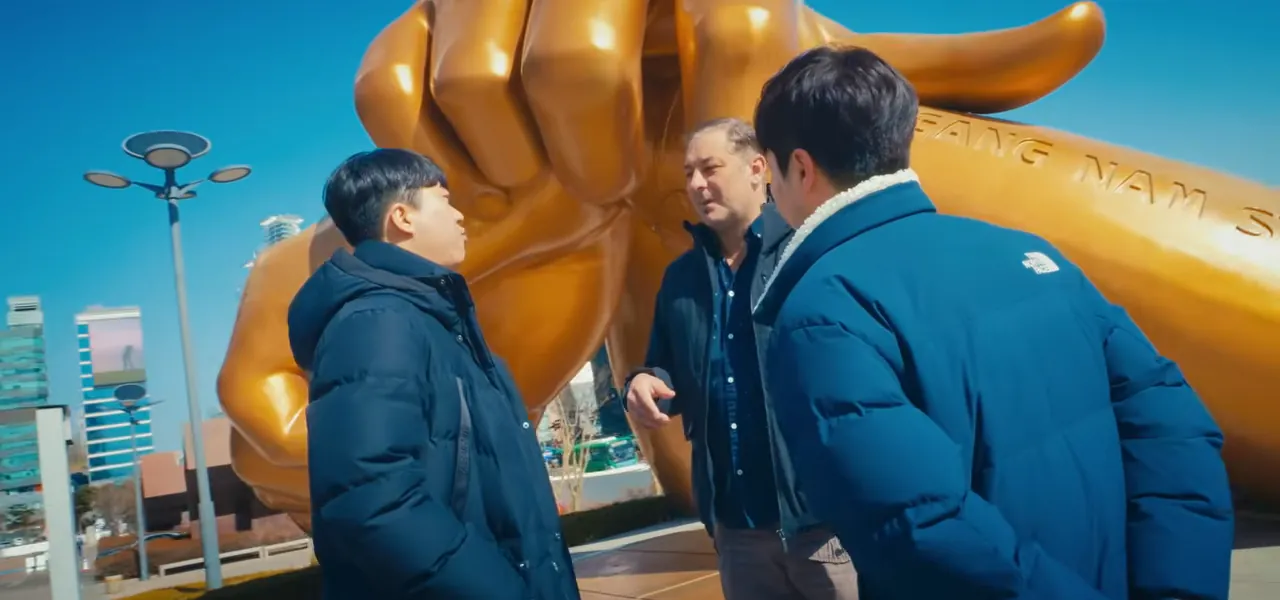
Gunwoo and David took me on a K-pop tour of the upscale Gangnam district, starting at the statue the city built to Psy — two enormous clasped wrists frozen in his horse-riding dance. His 2012 track was the first video ever to reach a billion views on YouTube, and it broke the mould in another way: where most idol pop is aimed at teenagers, Psy crossed generations — grandparents know the song too. The statue wasn't uncontroversial; it cost the public purse the better part of half a million dollars, and plenty of Koreans grumbled about the bill.
From there we hit the extravagant Starfield Library, a soaring hall of some 50,000 books rising two storeys up glowing shelves, which doubles as a set for the K-dramas now streaming on every major platform on Earth. It was a genuine thrill to film Travel by Dart in a space I'd seen behind so many scenes. Then came the HIKR ("Hi Korea") K-pop museum, a government-backed showcase where you can step into themed rooms and shoot your own music video — controlling the lights, the background and the music, and looking like a complete fool in the process. Which we did, happily.
What struck me, moving between the statue, the library and the museum, is how deliberate all of it is. This isn't culture that happened to go viral; it's culture the country has decided to build, fund and export on purpose. K-pop and K-drama are national industries now, backed like infrastructure — and standing inside that machine, you come away understanding exactly why the world can't stop watching.
The Garden of the Morning Calm
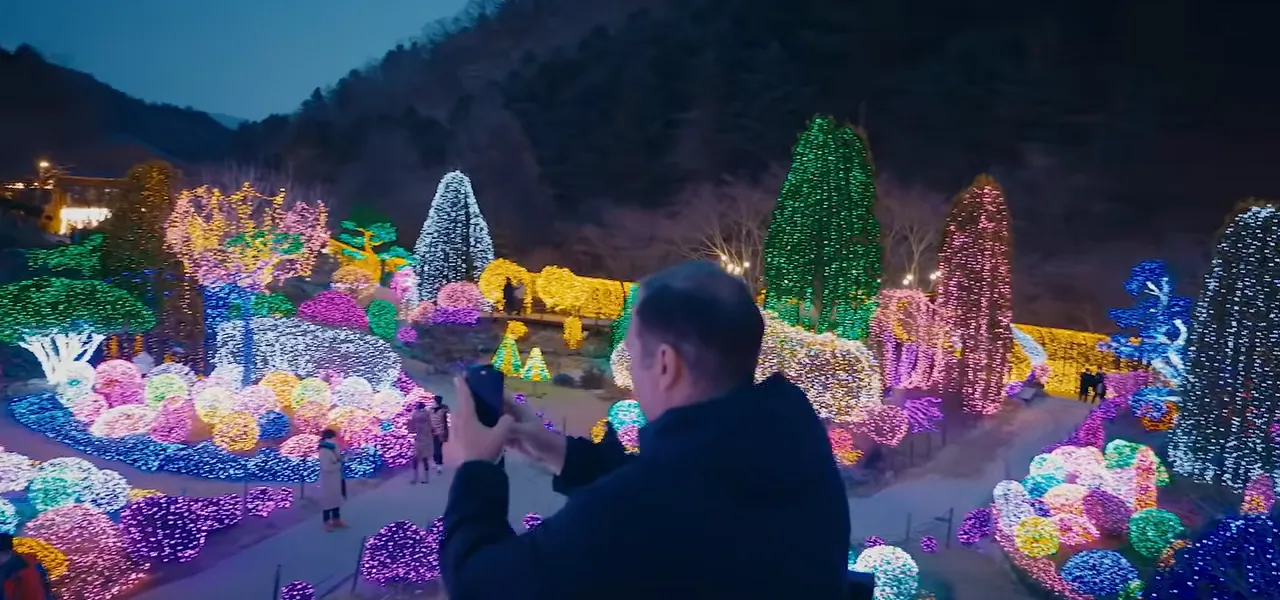
South Korea isn't only Seoul, so we drove about two hours into the mountains to a place called the Garden of the Morning Calm — and it turned out to be one of the most magical things I saw in the whole country. It was created in 1996 by a horticulture professor, holds some 5,000 kinds of plants, and is a favourite filming location for K-dramas and music videos. By day it's a lovely garden. But at sunset, everything changes.
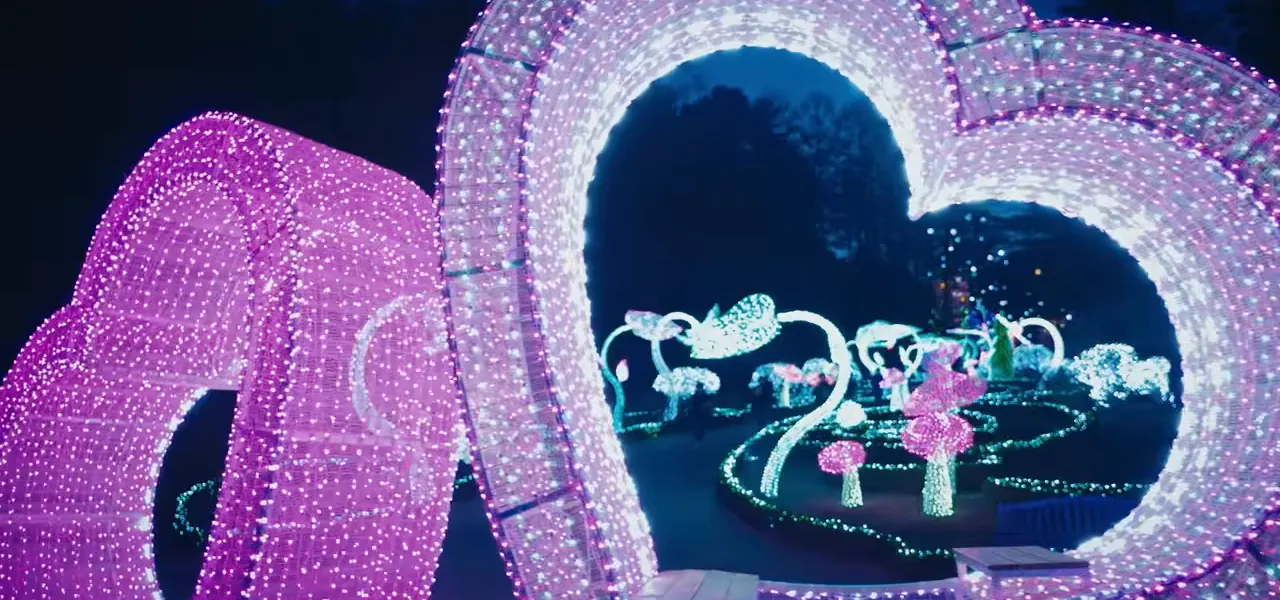
From 5 to 9 pm, more than 10,000 lights switch on, and the garden transforms into something out of a dream — trees strung with colour, animals and even a little chapel picked out in LEDs. Walking through it, I honestly felt like I'd stepped into Avatar, with light pouring from the branches. It's cold up in the mountains and it's a long drive from the city, but I'd tell anyone: make the effort. Thirty years ago this place was bare sand; now it's a wonderland.
The Border That Never Ended
And then there is the thing you cannot avoid: North Korea. I'm not here to untangle the politics — but I did take one of the most extraordinary tours of my life, out to the DMZ, the Demilitarized Zone. A guide named John collected me early and drove me toward a strip of land where, he warned, I'd end up standing about two kilometres from the North Korean border.
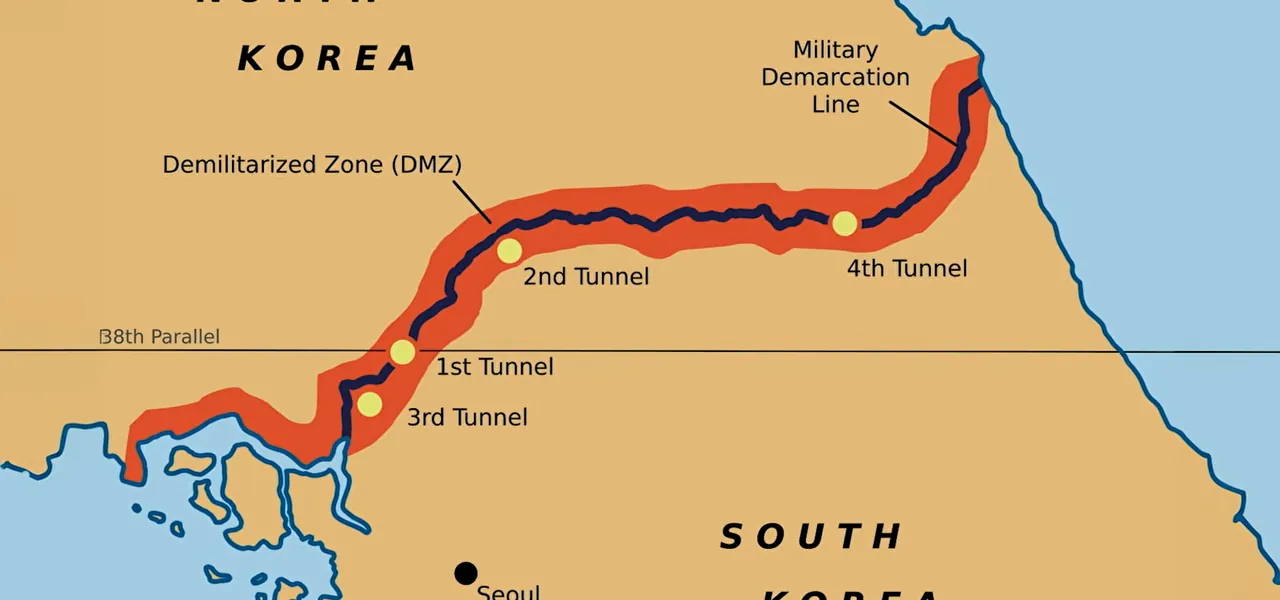
The DMZ is a buffer about four kilometres wide, running two kilometres into each country along the line drawn when the Korean War was halted. That war, in the early 1950s, killed and displaced enormous numbers of people over three brutal years, and it ended in 1953 not with a peace treaty but an armistice — which is why, technically, the two Koreas remain at war to this day. John told the whole story on the drive, and hearing it while heading straight for the border, in an era of nuclear threats, was genuinely overwhelming — and, I'll admit, thrilling.
By the numbers: The Korean War & the DMZ
- War years
- 1950–1953
- Ended with
- An armistice, not a peace treaty
- DMZ width
- ~4 km (2 km into each country)
- Distance from Seoul
- ~1 hour's drive
- Infiltration tunnels found
- 4 (one open to visitors)
- Third Tunnel discovered
- 1978
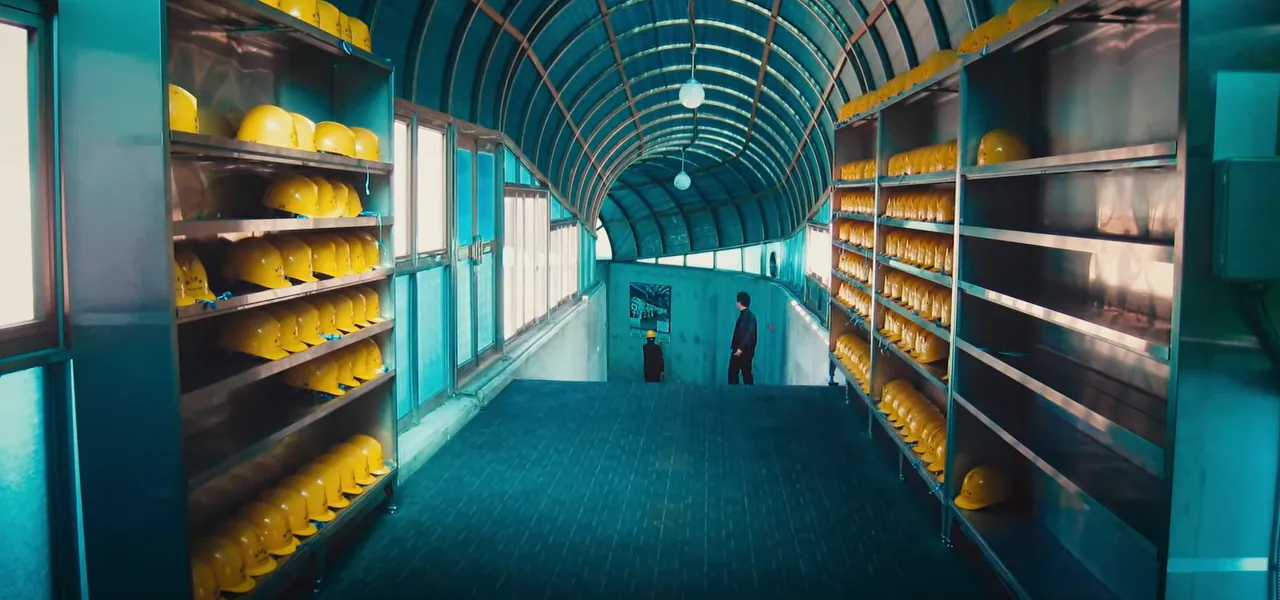
After a soldier checked our IDs, a bus carried us to the tunnels. Because these are infiltration tunnels — dug by North Korea under the DMZ toward Seoul — the story is chilling. Four were discovered; the Third Tunnel, found in 1978, was built wide enough to move an estimated 30,000 troops an hour toward the South, and the North later tried to pass it off as a coal mine. You can walk a stretch of it, bent double if you're tall like me, down to a heavy gate beyond which lies North Korea. No cameras or phones are allowed inside — we had to lock everything away — so the rare glimpses in the film are all we could get. Later, from a high viewpoint, I looked through binoculars across the valley into the North itself, a river marking the natural border. It's an experience I'd tell anyone not to miss.
Where the Dart Points Next
Every Travel by Dart journey ends the same way — a blindfolded throw at the world map — and after an unforgettable month here, I did mine at Changgyeonggung Palace, another of Seoul's beautiful royal complexes, which Gunwoo insisted I first see lit up at night. He was right; illuminated after dark, it's serene and cinematic.
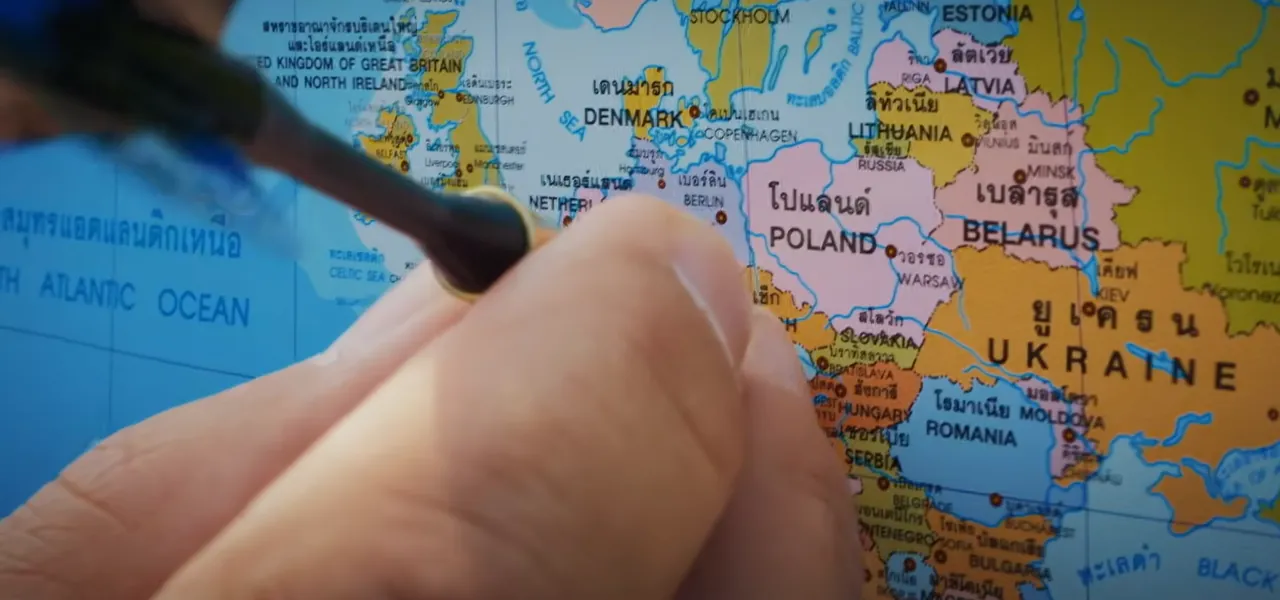
The map is very small when you're blindfolded. But this time the dart did something it rarely does: it found land, and not just anywhere — it hit Europe, and then, on the double-check, Germany. I don't speak a word of German, and I couldn't have been more excited; I so rarely land in Europe.
South Korea had been absolutely incredible — the kimchi, the food, the K-pop, the temples, the border — and I genuinely couldn't tell you what I loved most. But if I had to name the thing that stayed with me, it's the contradiction the country carries so lightly. In a single day here you can kneel in a five-hundred-year-old palace, learn the precise angle to tilt a glass toward an elder, eat a dish first cooked centuries ago — and then film a music video in a neon booth built by the government to sell the future. Most places pick one identity or the other. Korea somehow runs both at full speed, ancient discipline and cutting-edge reinvention, without ever seeming to strain. It is technically a country still at war, and yet one of the warmest, most forward-leaning places the dart has ever sent me. Watch the full episode above — and next, the dart takes me to Germany.
Explore More Travel by Dart Journeys
- See where the dart sent me next: Germany.
- More East Asia the dart uncovered: the main Japan episode and my Kyoto film.
- Another Spark Experience across a whole country: two-part Vietnam.
- The nomadic heart of the continent: Mongolia.
Suggested Sources & Further Reading
To go deeper into South Korea, these are some of the best authoritative resources:
- Korea Tourism Organization (VisitKorea) — the country's official tourism authority.
- UNESCO — Changdeokgung Palace Complex — one of Seoul's World Heritage royal palaces.
- Encyclopædia Britannica — South Korea — history, geography and culture.
- Encyclopædia Britannica — Korean Demilitarized Zone — the border one hour from Seoul.
All facts verified September 2026.
South Korea: traveler questions
What is the DMZ, and can tourists visit it?+
The DMZ (Demilitarized Zone) is a roughly four-kilometre-wide buffer along the border between North and South Korea, established by the 1953 armistice that paused — but never formally ended — the Korean War. Despite the name it's one of the most heavily guarded borders on Earth. Guided tours from Seoul let visitors reach viewpoints and even walk inside one of the North Korean infiltration tunnels.
What is the Third Infiltration Tunnel?+
It's one of four tunnels North Korea secretly dug under the DMZ toward Seoul. Discovered in 1978, the Third Tunnel runs about 1.6 km, sits some 73 metres underground, and was built wide enough to move an estimated 30,000 troops per hour. North Korea claimed it was a coal mine. Visitors can walk a stretch of it, but cameras and phones must be left behind.
What is a hanbok, and why wear one at the palace?+
The hanbok is Korea's traditional dress, worn for roughly 600 years across all social classes. At Seoul's royal palaces, anyone wearing a hanbok gets in for free — a city initiative that keeps the palaces full of colour and the tradition alive. The most elaborate is the king's, marked with a gold dragon.
What are makgeolli, soju and the Korean drinking rules?+
Makgeolli is a milky, lightly sparkling rice wine; soju is a clear, cheaper spirit that spread after the Korean War. Korean drinking culture is about respect: you pour for others with two hands, turn away from elders when you sip, keep your glass below a senior's when clinking, and the eldest pours first. There are even classes that teach the etiquette.
Why is South Korea associated with K-pop and Gangnam Style?+
K-pop is now a global cultural force, and South Korea actively invests in it as a tourism draw. Its breakout moment was Psy's 2012 hit 'Gangnam Style' — filmed around Seoul's upscale Gangnam district and the first video ever to reach a billion YouTube views. The city even built a statue of Psy's signature clasped-hands dance move.
Is South Korea a good place to visit?+
Increasingly, yes — and it's growing fast. It pairs deep tradition (palaces, tea, temples, the hanbok) with cutting-edge modern culture (K-pop, K-drama, technology, food). Highlights in this episode include Gyeongbokgung Palace, Seoul's night markets, a makgeolli brewery, the Garden of Morning Calm, and the DMZ.