Season 2 · Episode 7
Argentina
Gauchos and glaciers, Malbec and tango, Evita and a cemetery like no other — the country a dart chose for me, and one I could imagine never leaving.
On this page ▾
By Sorin Mihailovici · Travel by Dart · Last updated July 2026 · ~18 min read
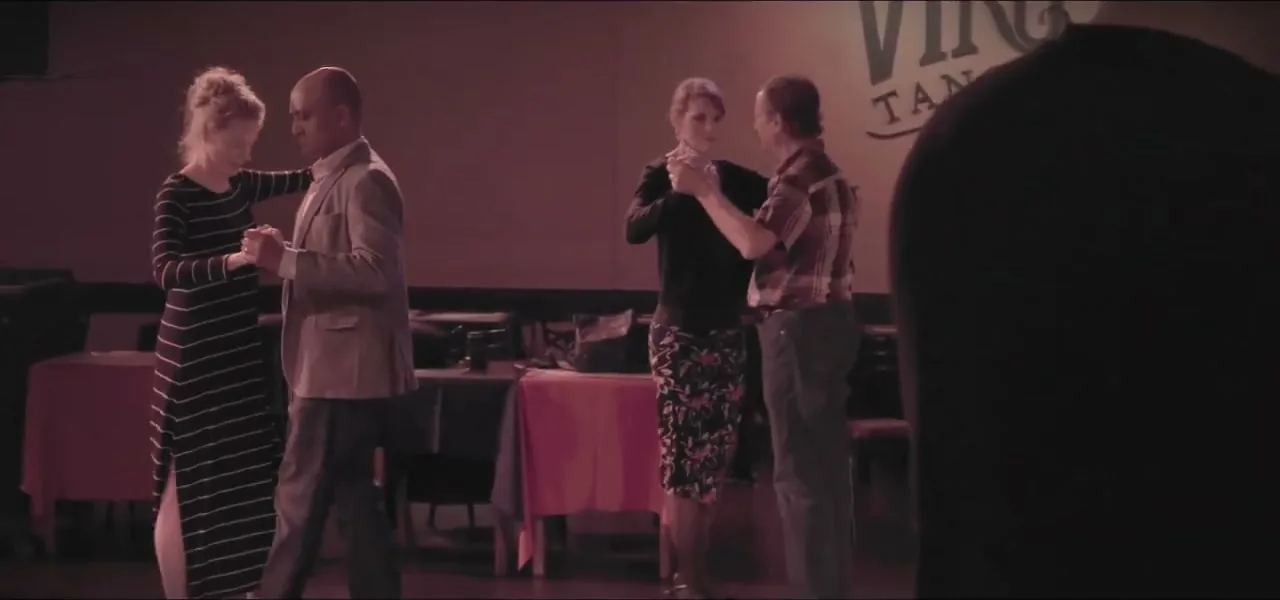
It was one o'clock in the morning, on an ordinary Wednesday, and the youngest person on the dance floor was about sixty. The oldest, I'd have guessed, was pushing a hundred and five. They weren't shuffling politely through a memory of youth — they were dancing, picking partners, laughing, spinning off for a drink and coming back for more, the way teenagers do at a school dance. Then they walked out into the Buenos Aires night to keep the evening going somewhere else. I sat there and thought about every person I've met in their seventies and eighties back home who told me, flatly, that life was over. These Argentines never got the memo. If I had to name the single image that captures why I do this show, it might be that room.
That's Argentina. A country where passion isn't an emotion you occasionally feel — it's a national identity, worn openly, at every age. And I arrived here, as I arrive everywhere, by accident.
Quick facts: Argentina at a glance
- Capital
- Buenos Aires
- Population
- ~46 million
- Area
- ~2.78 million km² (8th largest country)
- Language
- Spanish
- Currency
- Argentine peso
- Highest point
- Aconcagua, ~6,961 m (highest in the Americas)
- Southernmost city
- Ushuaia, Tierra del Fuego
- Famous for
- Tango, beef & asado, Malbec, football, Evita
The Dart That Landed in Two Places
I didn't throw the dart that sent me here. While filming in Colombia, I handed the map over to friends who'd flown in from around the world, and two darts found land: one on Brazil, one on Argentina. Rather than choose, I went to both. Brazil came first. Argentina came next — and what a place for a random throw to land.
Argentina is almost too much country for one visit. From the glaciers of Patagonia in the deep south, to Ushuaia — the southernmost city in the world, closer to Antarctica than to its own capital — up through the wine country of Mendoza beneath Aconcagua, the highest peak in the Americas at nearly 6,961 metres, all the way to the thundering Iguazú Falls in the subtropical north, named one of the New7Wonders of Nature in 2011. I couldn't see all of it. But I could taste the culture, and that's where I started.
Strangers on a Spark Experience
I didn't do Argentina alone. As I've started doing on these trips, I put out an open call — a Spark Experience — inviting fans and friends to drop everything and join me somewhere they'd never planned to go, on almost no notice, to do exactly what I do. And they came: a group of people who, in most cases, had never met me or each other, betting a week of their lives on a stranger and a dart.
That's a bigger leap than it sounds. Several of them told me, in different words, the same thing: they'd read about me first, they'd been nervous, and they'd decided that the fear of missing out finally outweighed the fear of the unknown. One put it perfectly — you don't want to be trying this when you're ninety; when the chance is in front of you, you take it. By the first evening in Buenos Aires the group had knitted together, and for the rest of the trip they were the reason every experience landed twice as hard. Argentina is a wonderful country to see. It's a better one to see with a room full of people who all decided, at once, to stop waiting.
Gaucho for a Day
The first Argentine cliché worth chasing is the steak — and you don't eat your first one in a city restaurant. You go to the countryside. I headed into the heart of the pampas to San Antonio de Areco, a town founded around 1730 that has kept the gaucho culture more intact than anywhere else in the country.
A gaucho is the Argentine cowboy: a man whose whole identity is bound up with horses, cattle and the open plain. San Antonio de Areco takes this so seriously that it protects the look of the town by law — you can't build higher than two storeys, and you need the mayor's personal permission to change the colour of your own house, its windows or its doors. Every November it hosts the country's oldest and largest gaucho festival, when riders pour in from all over Argentina for a week of parades, music and dancing.
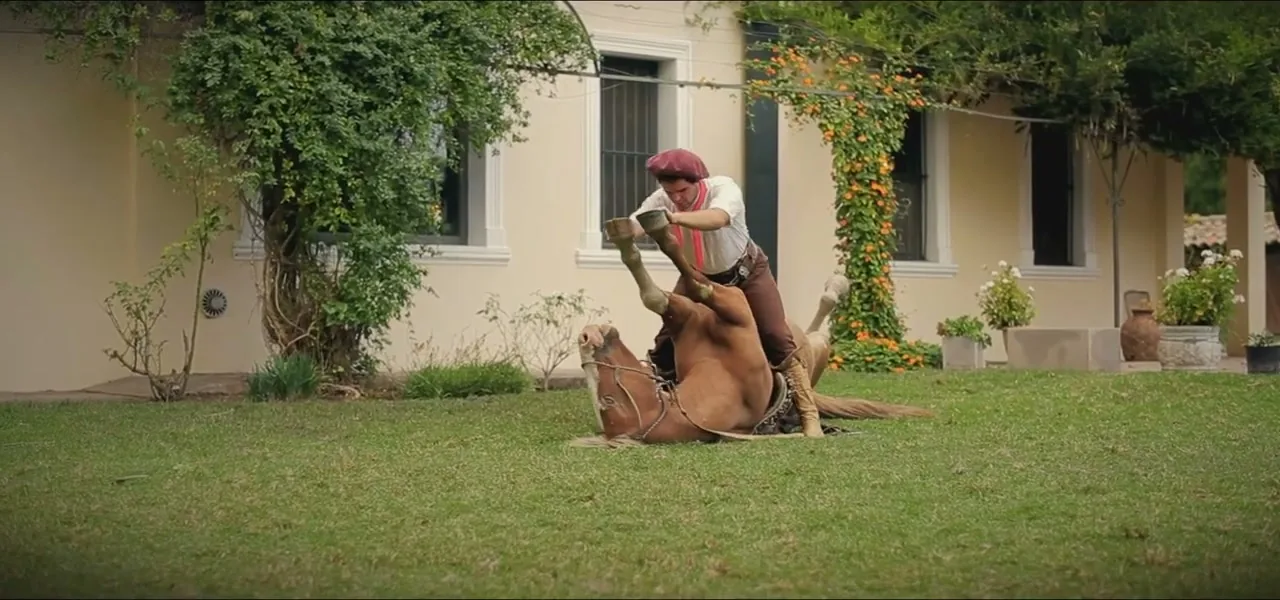
At an estancia — a traditional ranch — I was welcomed with the full experience: horseback riding, the best local wine, and asado, the Argentine barbecue that is less a meal than a national ritual. I also learned a wonderful piece of gaucho lore: the wide traditional belt a gaucho wears, the rastra, was historically studded with silver coins. When it came time to settle a bar tab, he'd simply pull a coin free from the belt and pay with it — his savings, his wealth and his outfit all in one.
Being a gaucho for a day, as they told me, is a must. For one afternoon I got to step inside a culture that most of the world only knows as a costume — and it was the perfect, grounding start before the city swept me up.
The Paris of South America
Back in Buenos Aires, I understood the nickname immediately. They call it the Paris of South America, and it earns it. The architecture alone is astonishing and gloriously inconsistent: a grand French-style palace on one corner, a glass skyscraper beside it, and two blocks on a delicate house from the 19th century. It is eclectic in the truest sense — refined, elegant, a little faded, and enormously proud.
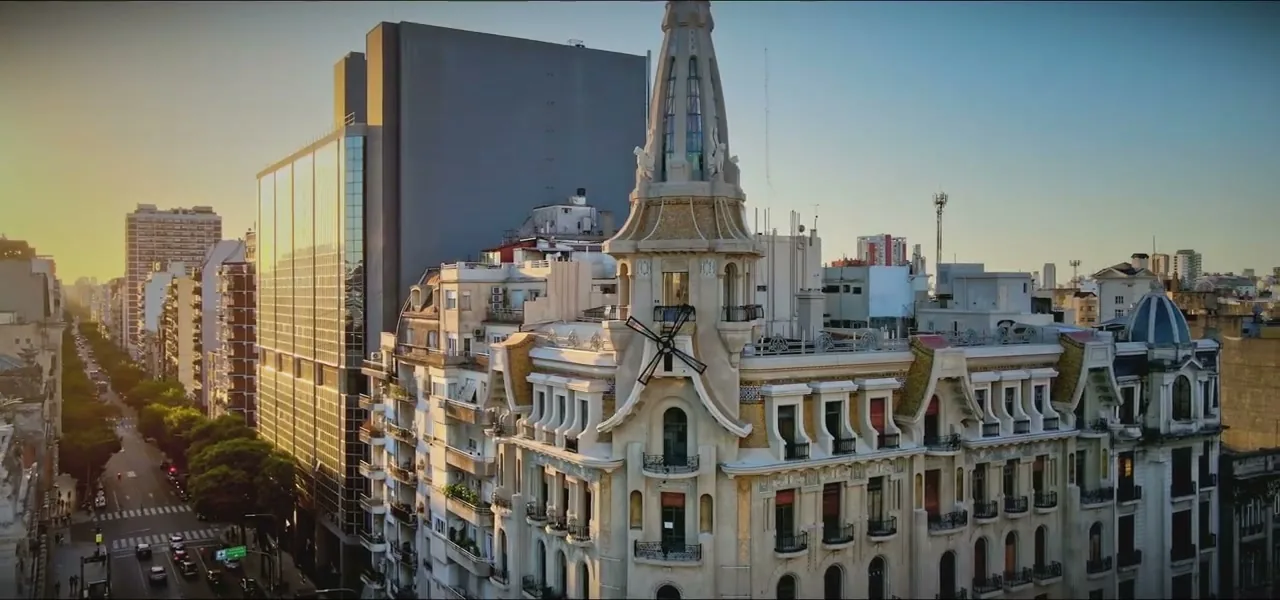
The elegance isn't only in the buildings. It's in how people dress, how they carry themselves, the almost old-world sense of service in a good restaurant. There's a dignity to the city that, as one of my group observed, seems to trace back to an era when Argentina was one of the richest countries on Earth. The economy has had hard decades since, but the grace never left.
How the Tango Was Born
Everyone knows Buenos Aires gave the world tango. Far fewer know the story of how — and it's one of the most moving origin stories I've come across anywhere.
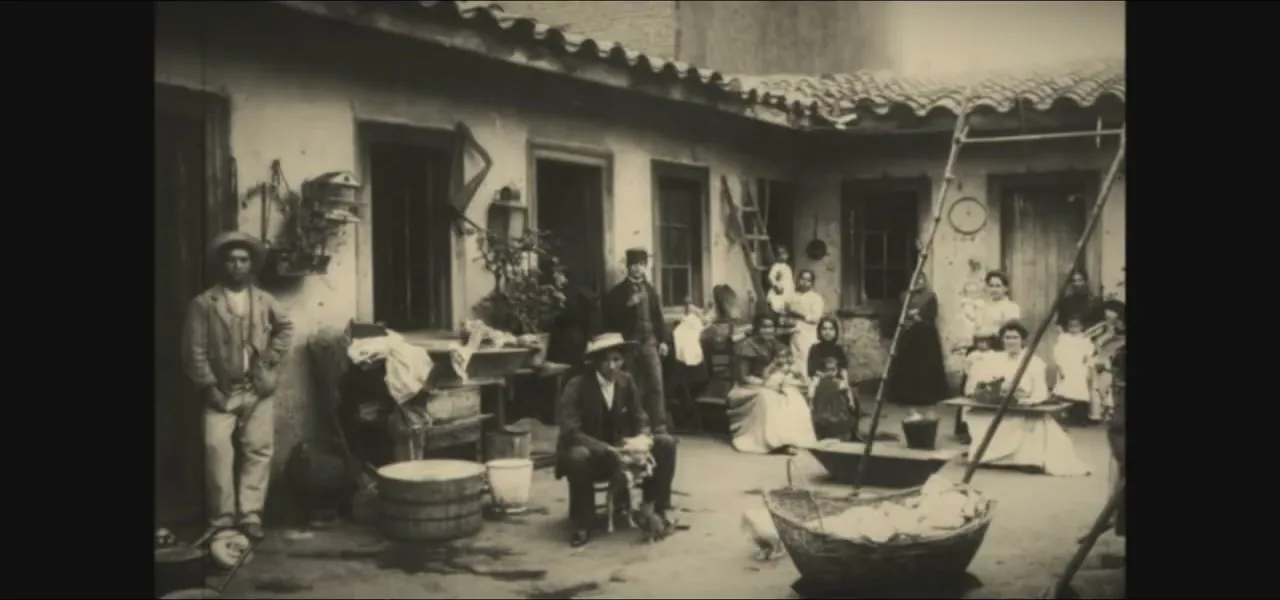
It begins in San Telmo, the city's oldest neighbourhood. In the first half of the 19th century, wealthy families lived here in beautiful Roman-style houses built around open patios. Then, in the 1870s, waves of yellow fever and cholera swept through — and because San Telmo sat close to the port, the rich fled to higher, healthier ground. The mansions they left behind became conventillos: tenement houses, the name derived from "convent," where people lived crammed together in shared community.
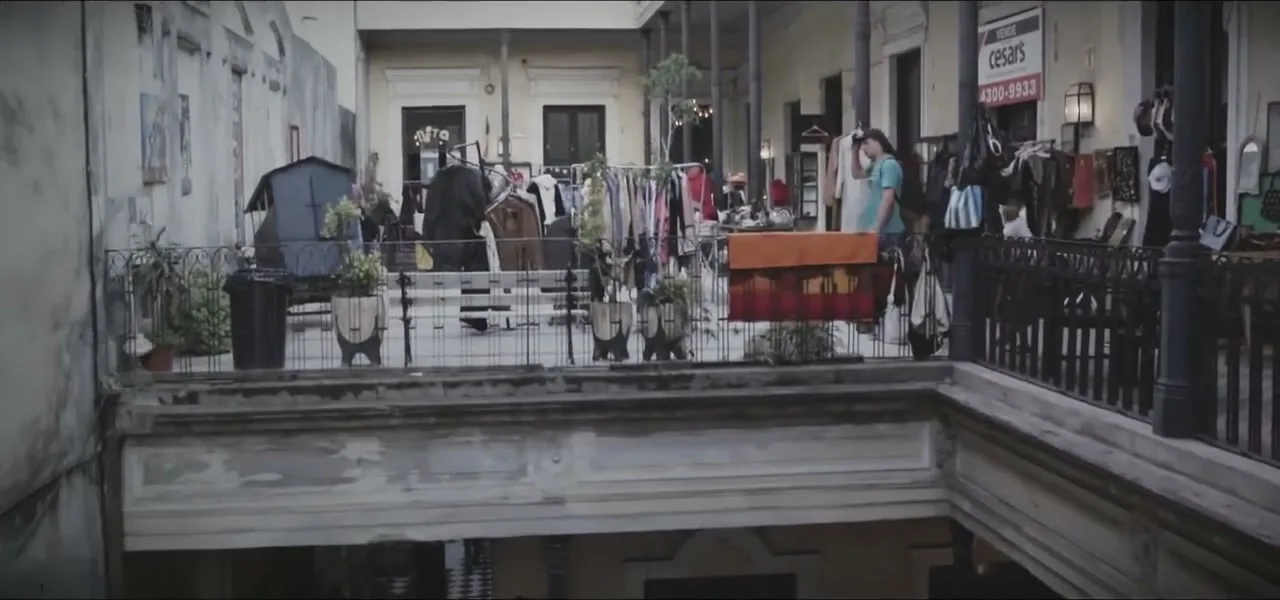
Into those rooms poured Europe's poor and desperate — immigrants from Italy above all, and from Spain, Poland, Russia and beyond — fleeing poverty and war. They weren't happy to be here; Argentina was simply a place that would take them. Each family rented a single room and shared the kitchens, the bathrooms, the courtyard. And almost every one of them had carried one thing from home: an instrument. A guitar. A violin. An accordion.
The only language they shared was music. They could not communicate — but the language of music was universal.
On their days off, usually a Sunday, they gathered in those shared courtyards and played the songs of the countries they'd lost — a Spaniard on guitar beside an Italian on accordion, each reaching for home. That collision of European rhythms, soaked in the melancholy of homesick people longing for places they'd never see again, blended into something entirely new. That was the tango: not a dance of glamour, but a dance of exile and yearning, born on the poorest floors of the city.
The Milonga
Knowing how tango was born, we went to learn it, at a legendary spot called La Viruta, and to experience the milonga — both the name of the social dance gathering and a faster cousin of the tango rhythm itself, tango loosened up with a little salsa or rock and roll mixed in.
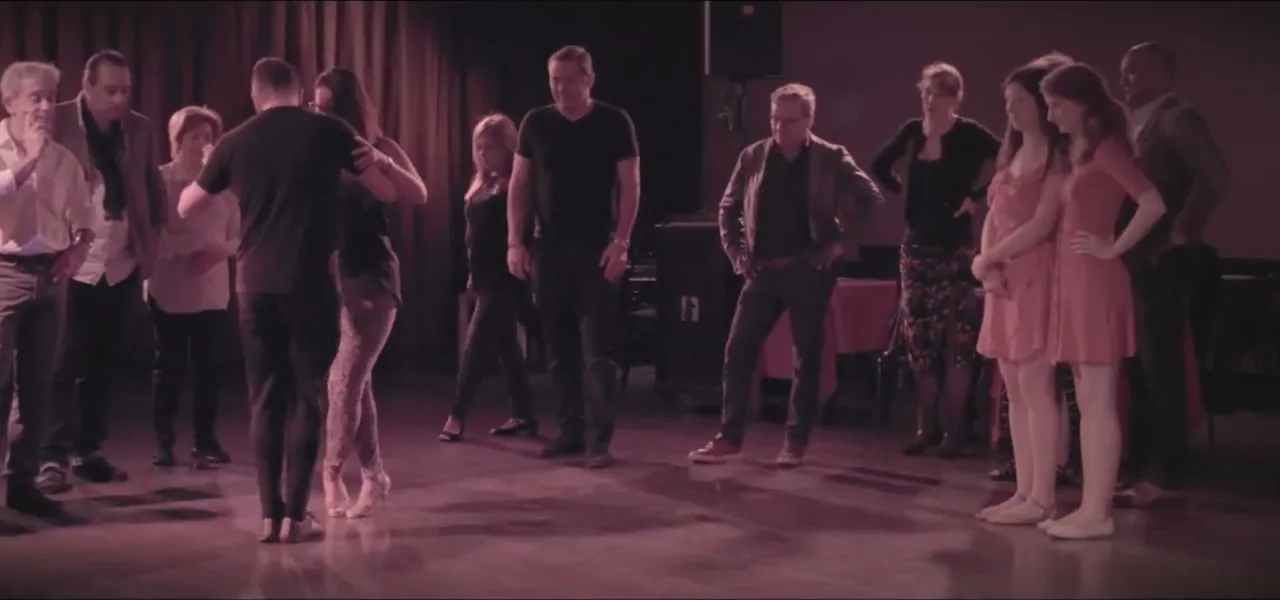
The lesson itself was the least favourite thing on some people's lists and turned out to be one of the best — and much easier to start than anyone feared. But the real revelation was the milonga around us: the room of seventy-, eighty- and ninety-somethings I described at the very start, dancing like kids until the small hours. La Viruta is famous for it. On any given night you might spot celebrities threading through the crowd — the guides reeled off names like Willem Dafoe and Liza Minnelli, and swore Björk once danced there till five in the morning. But it wasn't the famous faces that stayed with me. It was the ninety-year-olds who simply refused to sit down.
Malbec: The Grape That Found Its Home
Argentina is known for tango, art and football, but it is equally known for wine — and above all for Malbec. I sat down for a private tasting and got the whole surprising history.
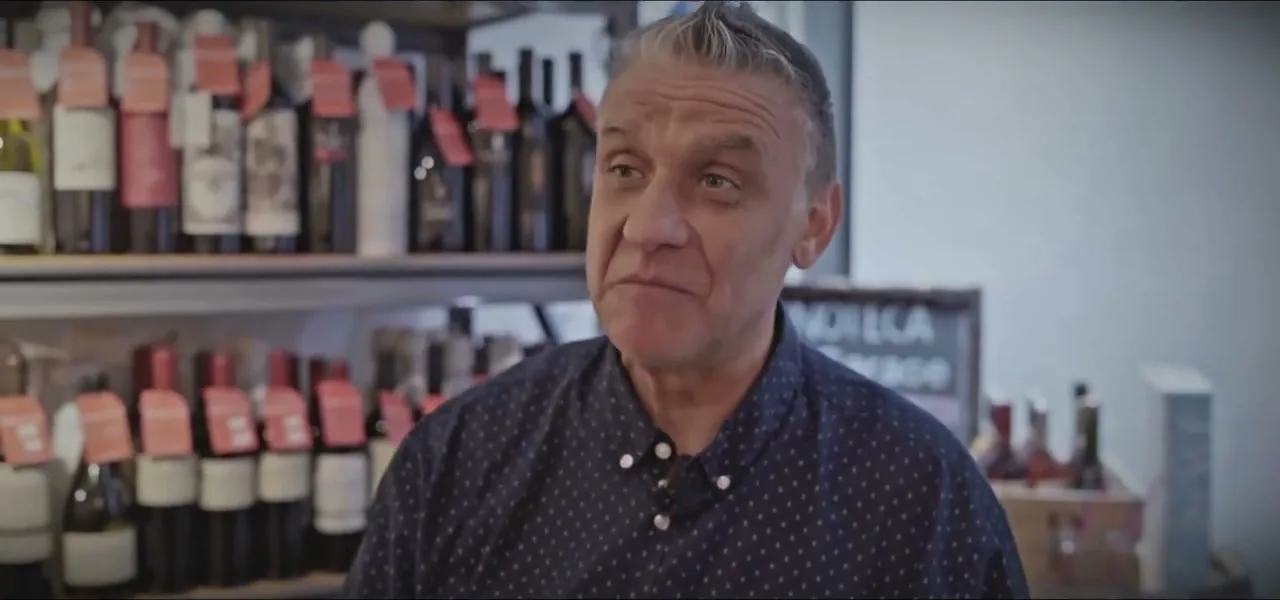
Malbec is not originally Argentine at all. It comes from Cahors, in southwest France, where it was known as the "black grape" and made wine so harsh and rough that nobody much wanted it. Its fortunes changed only when it was brought across the Atlantic in the mid-1800s — part of a national push to modernise Argentine winemaking associated with the statesman and future president Domingo Sarmiento and the French agronomist Michel Aimé Pouget, who settled in Mendoza. In the high, sunny, dry vineyards along the Andes, the unloved French grape finally found its home.
By the numbers: Argentine wine
- Signature red
- Malbec — originally from Cahors, France
- Signature white
- Torrontés (Argentina's own grape)
- Vineyard range
- From ~3,000 m in Salta down to Patagonia
- Susana Balbo
- First qualified female enologist in Argentina, 1981
- World Malbec Day
- 17 April
What makes Argentine Malbec special is its range. This is a very long, narrow country, and the grape is astonishingly flexible: you can find a superb Malbec grown at 3,000 metres in the northern desert of Salta, and another grown far to the south in cool Patagonia, each one different. We tasted four wines that day — the citrusy, bitter-finish Torrontés, the only grape truly native to Argentina, followed by three Malbecs from different regions, including one made by Susana Balbo, who in 1981 became the first qualified female enologist in the country. It's a long way from a rejected French grape to that.
A Delta Outside the City
The next surprise sat right on the edge of Buenos Aires. A short boat trip up the Río de la Plata brings you to the Tigre Delta, a sprawling maze of small islands and waterways where people actually live — in houses you can only reach by boat, with the groceries and the post arriving by water.
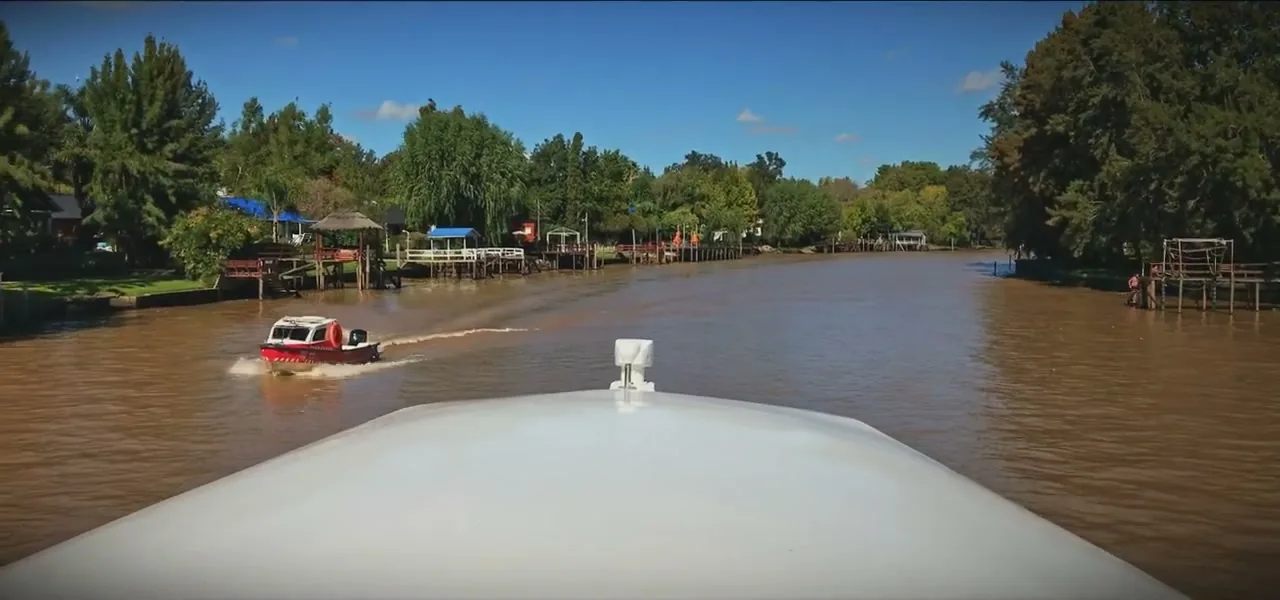
It feels almost like Venice, and nothing at all like the city it belongs to. After the noise and traffic of Buenos Aires, gliding through green channels past wooden homes on stilts was a genuine reset. I hadn't even known it existed — which is exactly the kind of thing the dart is good at delivering.
Evita, and the Cemetery of the Elite
No story of Argentina is complete without Eva Perón — Evita — and hers ends in the most extraordinary place I visited: La Recoleta Cemetery, a dense city of marble mausoleums in the heart of Buenos Aires, the final resting place of the country's elite. I have been to cemeteries on several continents; I have never seen anything like Recoleta.
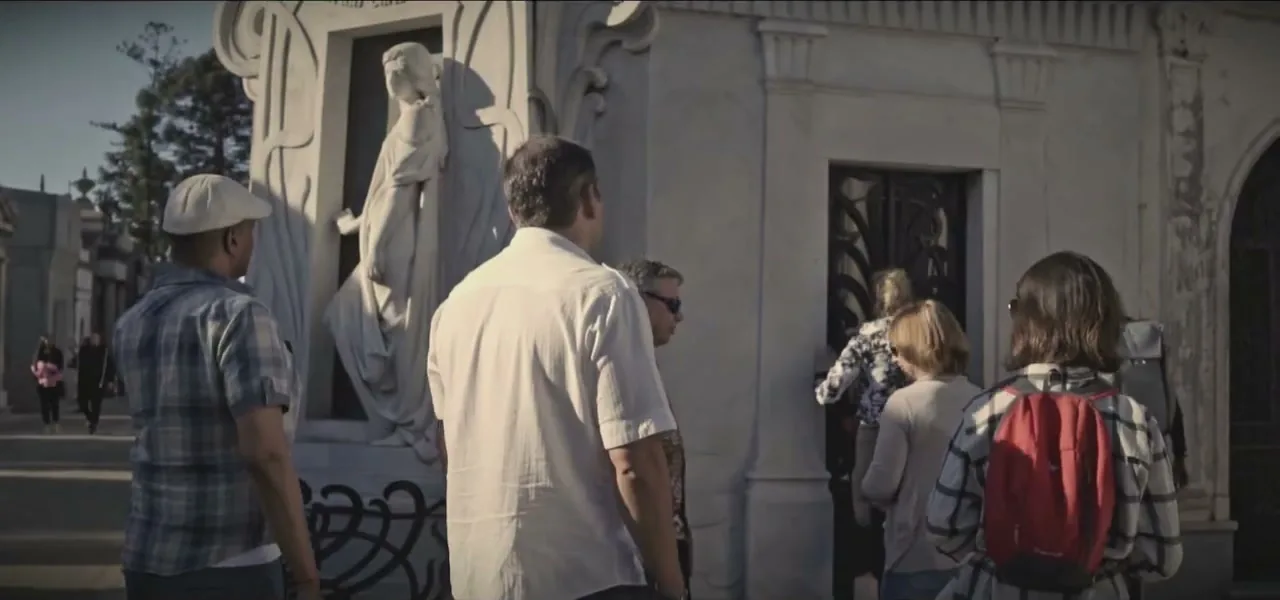
Evita, the beloved first lady, died of cancer in 1952 at just 33 years old, and her funeral drew crowds so vast that estimates run into the millions. What happened next is the part that gives you chills. Her husband, President Juan Perón, had her body embalmed so the public could keep paying their respects. But in 1955 a military coup overthrew him, and he fled the country without securing her body — which then simply disappeared.
For sixteen years, no one knew where Evita was. The military had spirited the corpse away, and it was eventually buried in secret in Milan, Italy, under the false name María Maggi. When it was finally located, it was sent to Juan Perón, by then living in exile in Spain with a new wife — who reportedly kept the embalmed body in their home. Only when Perón returned to Argentina and the presidency in the 1970s did Evita's remains come home too. She was at last laid to rest in her family's tomb in Recoleta in 1976, in a crypt built to keep her secure.
And here is the final irony, the kind history loves. Evita was a populist, adored by the working class and opposed by the aristocracy — and she is buried among exactly the elite families who resented her, some of whom fought to keep her out. Her mausoleum is deliberately modest; walk past without knowing, and you'd never notice it. Yet it is the one grave in that entire marble city where you'll always find fresh flowers and handwritten notes.
This is unreal. I would recommend it to anybody.
Football, and the Ends of the Earth
There are two more Argentine passions I couldn't leave out, even though the dart didn't route me straight through them — because you feel both everywhere you go.
The first is football. To call it a sport here undersells it; it's closer to a religion. Argentina has won the World Cup three times — in 1978, in 1986 behind Diego Maradona, and again in 2022 in Qatar behind Lionel Messi, a victory that emptied the entire country onto the streets. Maradona is mourned and worshipped like a saint; Messi is spoken of the way other places speak of national founders. Mention either name in a café and you'll never finish your coffee alone.
The second is the sheer, improbable geography — the natural wonders at the edges of this enormous country that I simply ran out of days to reach, but that every Argentine urged me not to forget.
In the far south lies Patagonia, with its glaciers and wind-scoured emptiness, and Ushuaia, the literal end of the world, where cruises leave for Antarctica. In the northwest rise the Andes and Aconcagua. And in the humid north, on the border with Brazil, the Iguazú Falls spread across nearly three kilometres in some 275 separate cataracts — a wall of water so overwhelming it was voted one of the New7Wonders of Nature. It's a strange, wonderful thing to stand in elegant, European Buenos Aires and know that all of that belongs to the same country. Argentina contains multitudes, and I've only scratched the surface.
A Country I Could Imagine Never Leaving
Argentina is not going through its easiest years, and everyone there will tell you so. And yet it is one of the very few countries that has ever made me think, seriously, that I could retire and stay. It has the food, the wine, the elegance, the wild ends of the earth, and above all a way of living out loud — of dancing at ninety, of eating slowly, of doing what you love now rather than later — that lines up exactly with why I travel at all.
When I remember that I only got here because friends threw a dart at a map in a completely different country, it makes me appreciate the whole strange machinery of this life a little more. To me it has always been about collecting memories, not things. Life is short. You can stay in your safe little box forever and let it pass you by, or you can step out. In Argentina they have a phrase for it that I've carried ever since — do what you like, when you can. Not someday. Now.
Of course, the dart doesn't allow standing still. At the end of the episode I threw a new one at the map, and it chose somewhere I could ride an ostrich, taste iguana, and meet a culture I knew nothing about. From the tango floors of Buenos Aires, I was off to the Caribbean colours of Curaçao.
Explore More Travel by Dart Journeys
- Back one dart to Colombia, where my friends threw the darts that chose this trip.
- Argentina's twin dart landed on Brazil — Rio and the Amazon, the chapter just before this one.
- See where the dart sent me next: Curaçao.
- Or ride the dart all the way south to the ice in my Antarctica episode.
Suggested Sources & Further Reading
To go deeper into Argentina, these are some of the best authoritative resources:
- Visit Argentina — Argentina's official national tourism board.
- UNESCO — Tango — the Intangible Cultural Heritage listing for tango.
- Encyclopædia Britannica — Buenos Aires — the capital's history and culture.
- Encyclopædia Britannica — Eva Perón — the life behind the Recoleta grave everyone visits.
- New7Wonders of Nature — Iguazú Falls — the falls on the Argentina–Brazil border.
All facts verified September 2026.
Argentina: traveler questions
How did the dart choose Argentina?+
It didn't choose it alone. While filming in Colombia, Sorin let friends throw the darts for him. Two stuck — one on Brazil, one on Argentina — so he committed to visiting both. Argentina followed Brazil, and the dart he threw at the end of this episode sent him next to Curaçao.
Where was the tango invented?+
In the immigrant tenements — conventillos — of late-19th-century Buenos Aires, in poor riverside neighbourhoods like San Telmo and La Boca. Italians, Spaniards, Poles, Russians and others who shared no common language shared music instead, and the blend of their rhythms and their homesickness became tango. UNESCO added tango to its Intangible Cultural Heritage list in 2009.
Why is Argentine Malbec so famous?+
Malbec originally came from Cahors in southwest France, where it made harsh, unloved wine. It was brought to Argentina in the mid-1800s during a push to modernise the wine industry, championed by Domingo Sarmiento and the French agronomist Michel Aimé Pouget, and it thrived in the high, sunny vineyards near the Andes around Mendoza. Today it's Argentina's signature grape.
What is the story of Evita's body?+
Eva Perón died in 1952 at just 33. Her body was embalmed, but after the 1955 coup that ousted her husband, it vanished for 16 years — secretly buried in Milan under a false name, then sent to Juan Perón in exile in Spain. It was finally returned to Argentina and laid to rest in the Duarte family tomb in Recoleta Cemetery in 1976.
When is the best time to visit Argentina?+
It's a huge, long country spanning many climates. Buenos Aires is most pleasant in spring (October–November) and autumn (March–April). Patagonia and Ushuaia are best in the southern summer (December–February); the Mendoza wine harvest happens around March; and Iguazú in the subtropical north is warm year-round.