Season 5 · Episode 4
Puerto Rico
An island that dances through every challenge.
On this page ▾
By Sorin Mihailovici · Travel by Dart · Last updated September 2026 · ~16 min read
Here is a question I couldn't shake the whole time I was filming: why does the world only seem to notice Puerto Rico when something goes wrong? A hurricane, a blackout, a bankruptcy, a cruel joke told at somebody's rally — the island gets talked about, laughed at, and decided for by people who don't live here, don't vote here, and don't pay the price. And then the cameras leave. What almost never gets told is the other Puerto Rico: an ancient land where Taíno ceremonies still echo through the mountains, where the piña colada was born, where mofongo became a national obsession, and where the local creativity runs so deep that lunch might just happen in the sky.
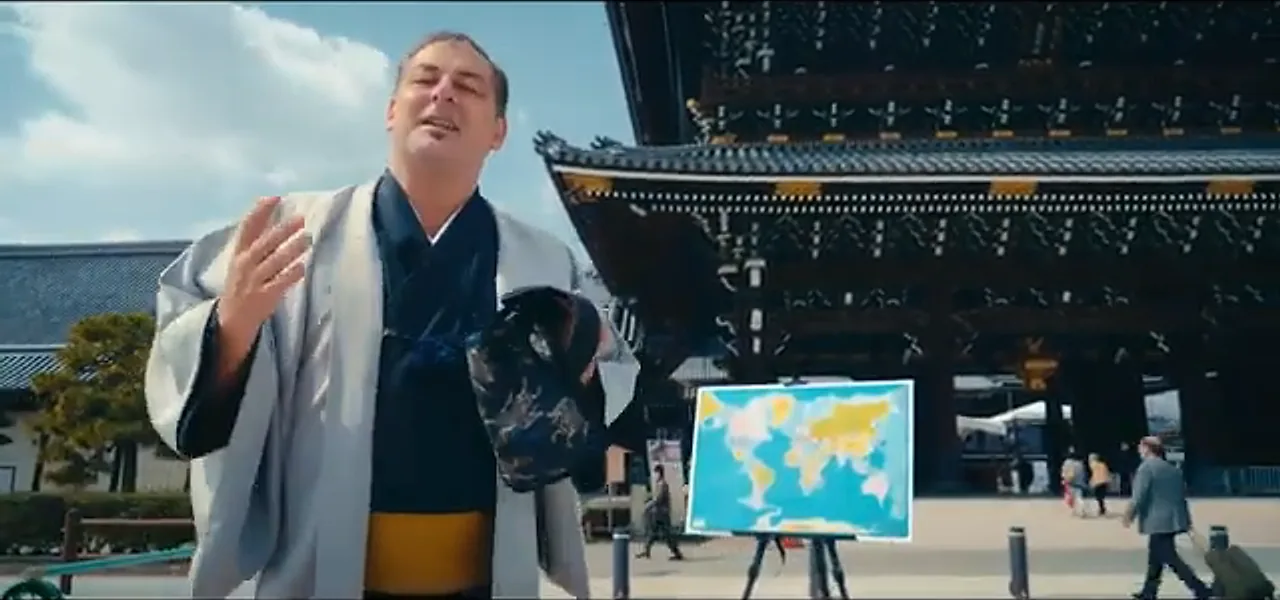
That's the Puerto Rico I want to show you — not the headline version, but the real one. And I arrived, as always, by accident. I'd spent a couple of unbelievable months in Japan, and when it came time to choose the next stop I did it the only way I know: in a full kimono, blindfolded, at a temple in Kyoto, with a dart. It hit the ocean right by the Dominican Republic, and the closest land was Puerto Rico. I couldn't have been happier — a Spanish-speaking, art-soaked island I'd never seen. I speak Spanish, and I had a feeling this place was going to surprise everyone who thinks they already know it.
Quick facts: Puerto Rico at a glance
- Status
- US territory (commonwealth), not a state
- Capital
- San Juan
- Population
- ~3.2 million
- Languages
- Spanish & English
- Taíno name
- Borikén ('Borinquen')
- Currency
- US dollar (no passport for US citizens)
- National drink
- The piña colada
- The dart's next stop
- Indonesia (Java)
Is Puerto Rico Even a Country?
When I told friends and family I was going to Puerto Rico, almost everyone asked the same thing: "Is that a country?" It's a fair question, and the answer explains a lot about the island's mood. Puerto Rico is a US territory — a commonwealth — but not a state. Puerto Ricans are US citizens, but people living on the island cannot vote for the president, and they have only minimal, non-voting representation in Congress. That political limbo has real consequences: the federal funding that flows to Puerto Rico is far smaller than what a state would get, which is part of why the island keeps ending up as collateral damage in decisions made thousands of miles away.
The history stacks up in layers, like everywhere the dart sends me. Long before Europeans, this was the land of the Taíno, the Indigenous people who called the island Borikén. When Columbus arrived on his second voyage — in 1493, not the 1492 of the schoolbooks, which was his first landing elsewhere in the Caribbean — the Spanish began more than 400 years of colonisation, reshaping the Taíno settlements into Spanish towns. Then, in 1898, after the Spanish-American War, the island passed from the Spanish crown to the United States. Puerto Rico has been living inside that unresolved question — American, but not quite; its own nation, but not quite — ever since. You feel it everywhere, and it makes the fierce local pride hit even harder.
Casa Ciana and the Art of Giving Back
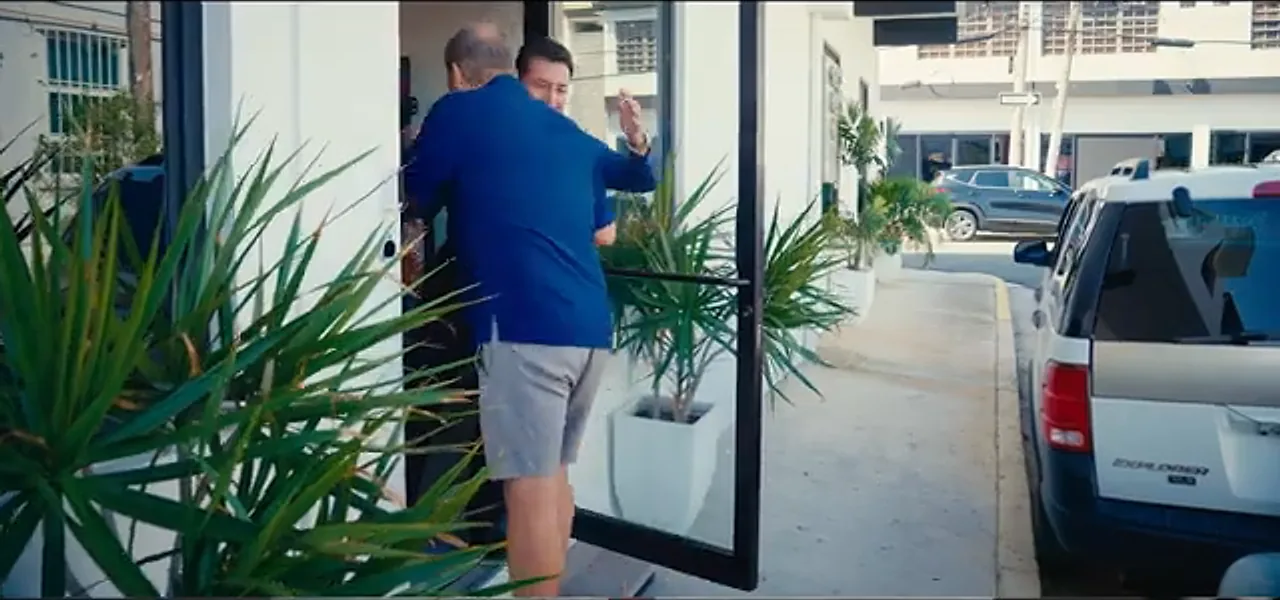
I always try to stay somewhere that teaches me the place, and in San Juan I found a gem: Casa Ciana, a boutique guesthouse run by a warm, generous host named Raul. It's modern and beautiful, but what makes it special is on the walls. Every room is hung with paintings of famous Puerto Ricans — and there are a lot to choose from, because for an island of three million people, Puerto Rico produces an absurd amount of global talent: Ricky Martin, Bad Bunny, Marc Anthony, Daddy Yankee, and the actor Benicio del Toro, who lives a few blocks away.
Here's the part that warmed my heart. Guests can buy those paintings, and Raul splits the money two ways: part goes to the artist who painted it, and part sponsors a kid in the neighbourhood who wants to learn music or art. Stay a night, take home a painting, and you've quietly funded a local child's creative education. It's a small, human system, and it told me everything about how this island thinks about culture — not as decoration, but as a lifeline worth passing to the next generation. I committed on the spot to support it.
BoriLove: The Hospitality That Has Its Own Name
My guides for the real Puerto Rico were Tanya and Gloryma, who run a company called Real PR Tours and who became friends within a day. Tanya has a word for the thing that makes this island different, and once you've felt it you understand why it needed its own name: BoriLove. Bori is short for Boricua — what Puerto Ricans call themselves, from Borinquen, the Taíno name for the island. To call yourself Boricua is to pay homage to the ancestors who were here first.
We have a hospitality here in Puerto Rico that you will never get anywhere else — but you will never forget it, either. We call it BoriLove.
It's the same idea as Southern hospitality in the American South, dialled up and given a Caribbean rhythm — the love and welcome you feel from the local people the moment you arrive. And Tanya and Gloryma insisted that before I did anything touristy, my first priority had to be a place most visitors never reach: Loíza.
Loíza and the Drums of Bomba
Loíza has the strongest African heritage on the island — this is where you feel the deepest roots of the enslaved West Africans brought here by the Spanish, kept alive in the food cooked outdoors and, above all, in the music. Loíza is the heart of Bomba, and Bomba is the oldest music Puerto Rico has: roughly 400 years old, inherited from African ancestors, some traced to the Ashanti people, and built on drums that still resemble the war drums of West Africa.
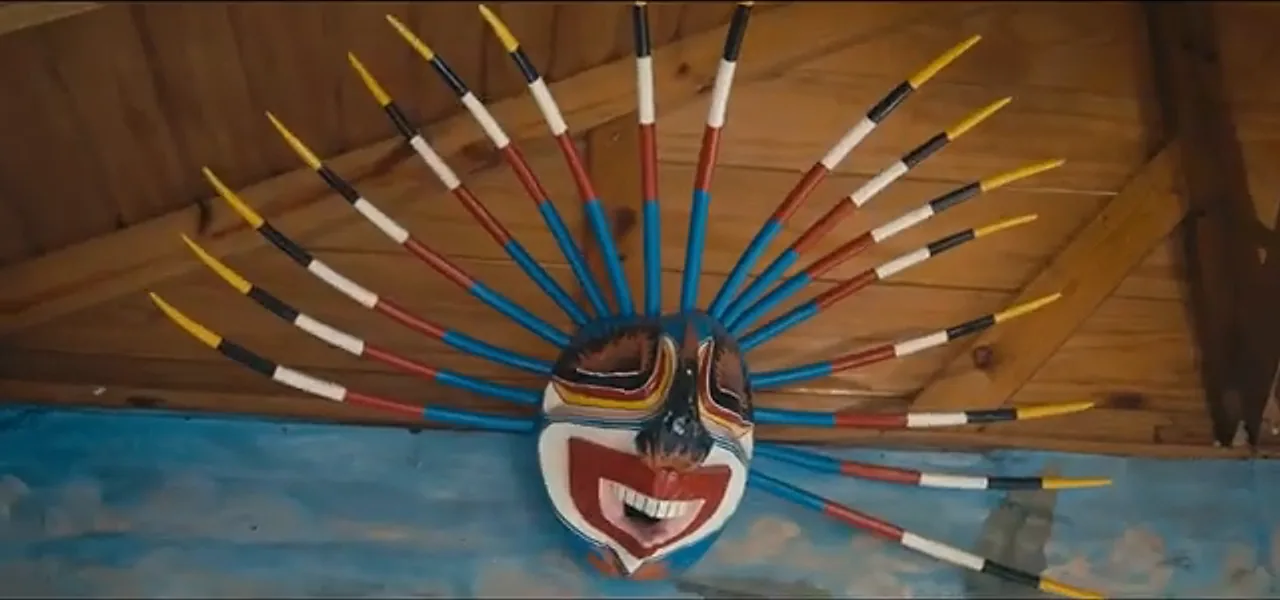
The girls took me to meet one of the island's most iconic families, Los Hermanos Ayala — a legendary Bomba dynasty from Loíza who have played since the 1950s, passing the tradition down through generations of cousins and travelling the world with it. You can still visit their home. They also keep alive the craft of the vejigante mask, the horned, grinning masks worn at festivals; the legend goes that when soldiers once wore them into a battle near Loíza, the sight alone scared the enemy off.
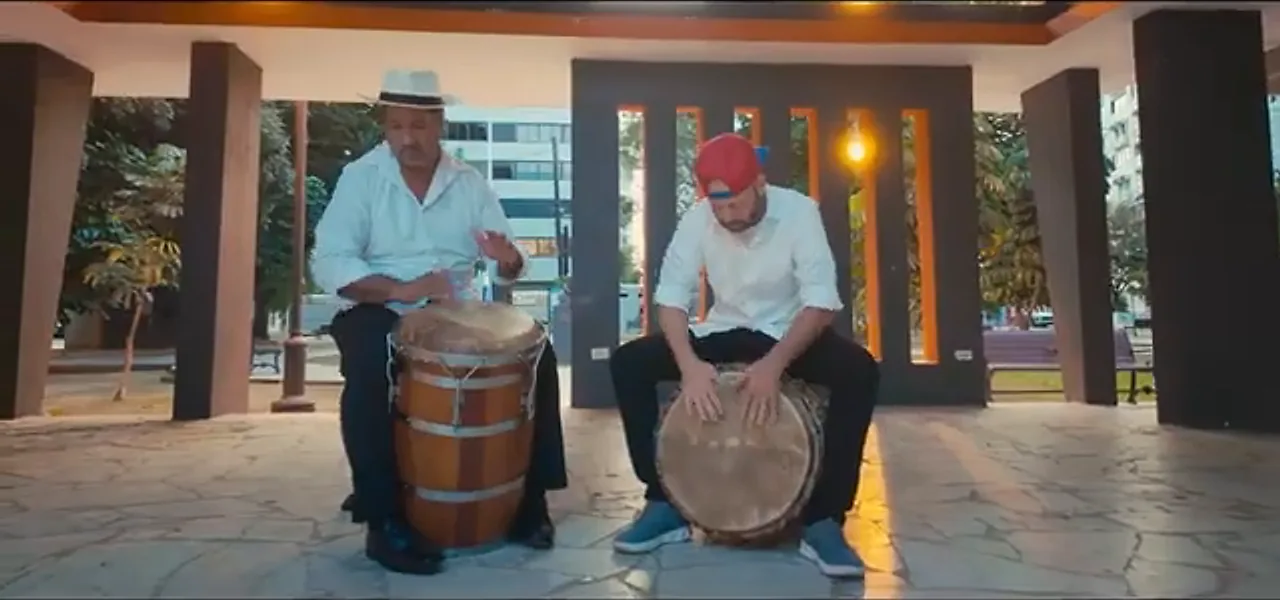
I couldn't just watch, so I took a Bomba class with a teacher named Yuma, whose group Rincón Cultural teaches the tradition to kids and visitors alike. And here is the thing that makes Bomba unlike any music I know: the dancer leads, and the drummer follows. You step onto the batey, the dance floor, and you improvise — the moves are called piquetes — and the lead drummer has to catch and echo every one of them with his hands. You are, quite literally, making music with your body, and the drum answers you. As a beginner I was hopeless and then, somehow, not: I remembered a few piquetes, threw a couple of steps on my own, and for a moment felt the whole 400-year-old conversation click into place.
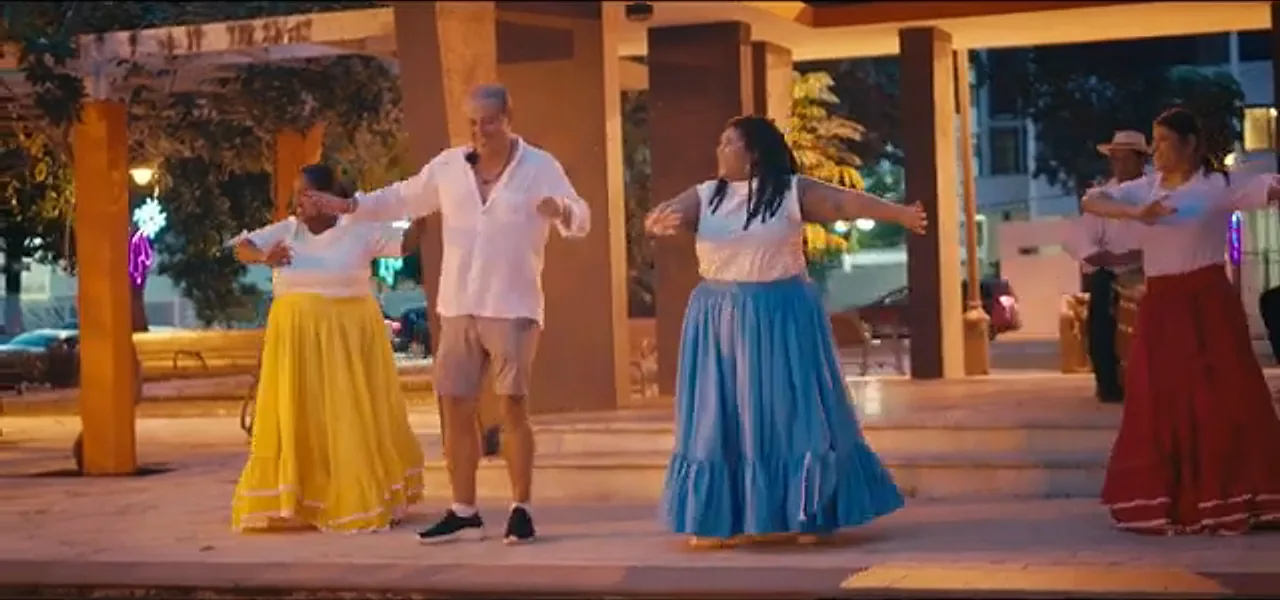
Between the drums, we stopped to meet a Loíza legend, El Maestro Samuel Lind, a celebrated Puerto Rican artist whose work is devoted almost entirely to Afro-Puerto Rican culture. He works across media — his silkscreens explode with the flat, layered colour of the festivals, while paint, he told me, is his favourite way to express the still life of his people. Standing in his studio, surrounded by his images of the very culture I'd just been dancing, the whole thread of the day — drums, masks, colour, memory — pulled tight.
Old San Juan: 500 Years Behind a Wall
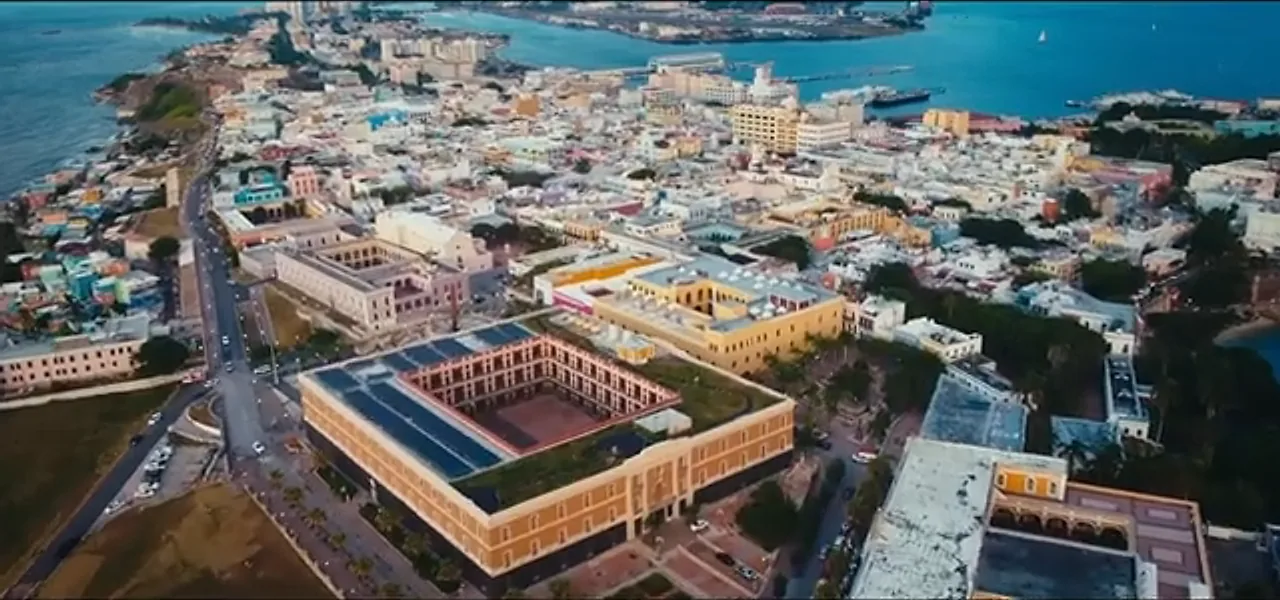
San Juan is the capital, home to about 340,000 of the island's 3.2 million people, and its historic core, Old San Juan, is one of the great colonial cities of the Americas — the second most important city the Spanish built in this whole part of the world. We walked the Paseo de la Princesa, passed through the old San Juan Gate that once sealed the city against invaders, and stopped at the Casa Estrecha — the "narrow house," the skinniest building in the Caribbean, wedged between two others by one stubborn entrepreneur and measuring barely five feet (1.6 metres) wide.
Two facts stuck with me here. First, the name: Puerto Rico means "rich port," coined by Spanish settlers dazzled by the gold they were shipping out. Second, a wonderful historical accident — the names of the island and its capital got swapped in the early 1500s. Originally the island was called San Juan Bautista and the main port was Puerto Rico; over time the whole island became Puerto Rico and the city took the name San Juan. A clerical mix-up that stuck for five centuries.
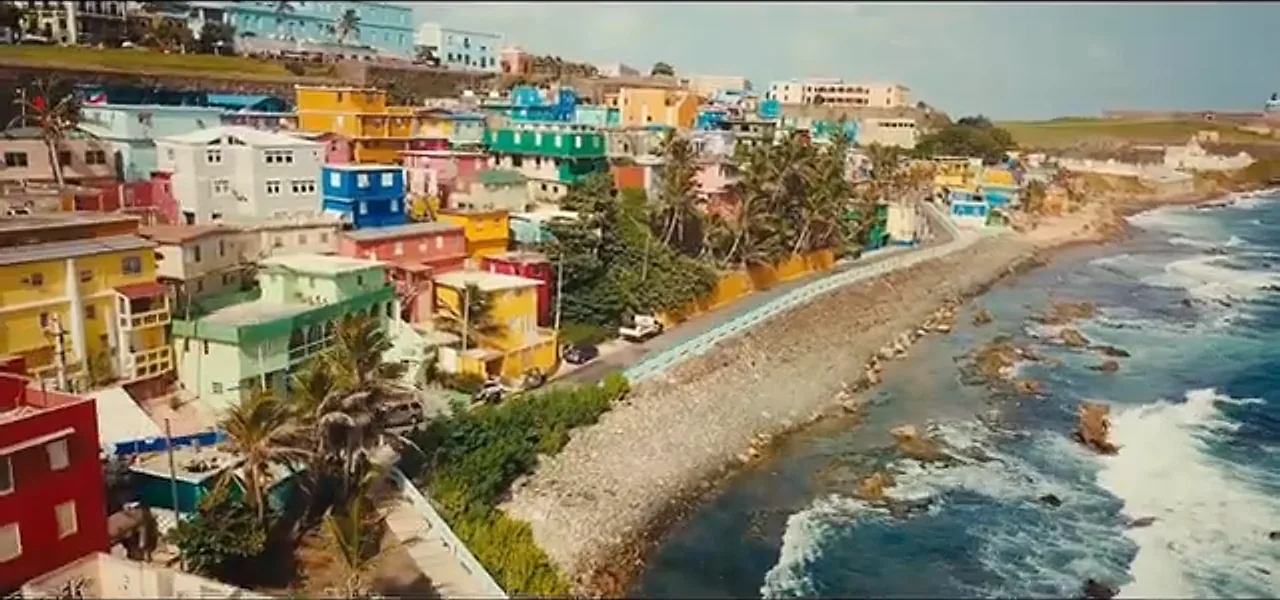
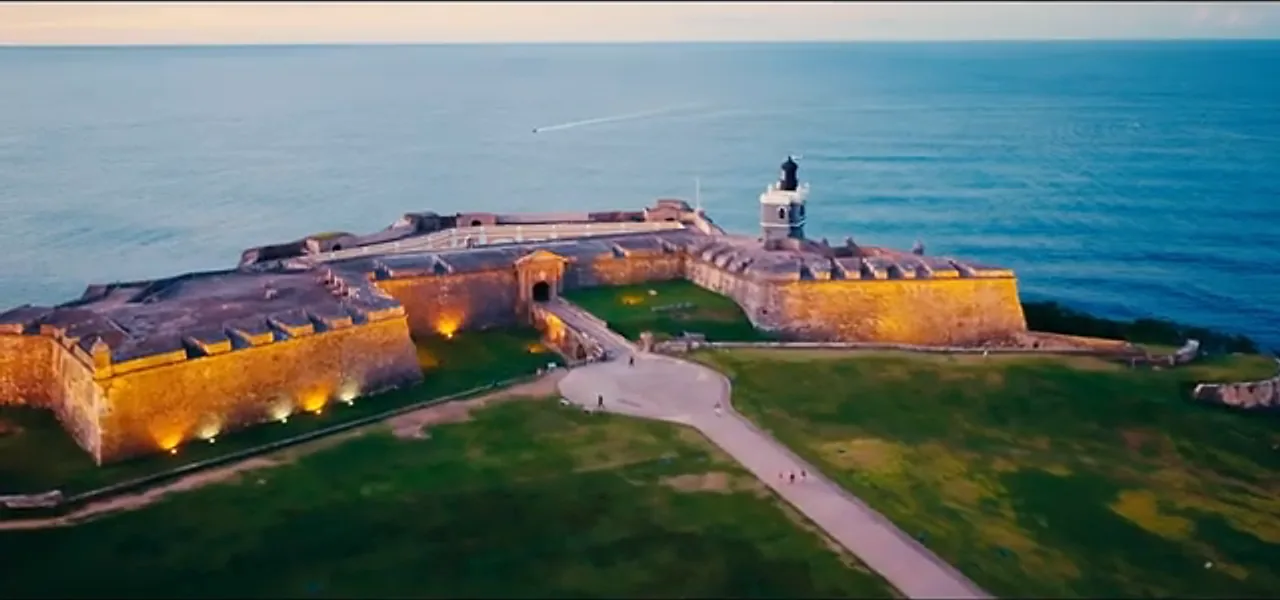
Crowning it all is El Morro — Castillo San Felipe del Morro — the Spanish fortress the crown began building in 1539 to defend the harbour. It rises six levels from the sea, each once reserved for a different rank, from dungeons at the bottom to officers and royalty at the top, and it's now a UNESCO World Heritage Site. Below the walls sits La Perla, the fiercely colourful seaside neighbourhood where Luis Fonsi and Daddy Yankee filmed "Despacito" — the most-viewed music video of its time, shot in a community the outside world had long written off.
The Taíno Who Never Disappeared
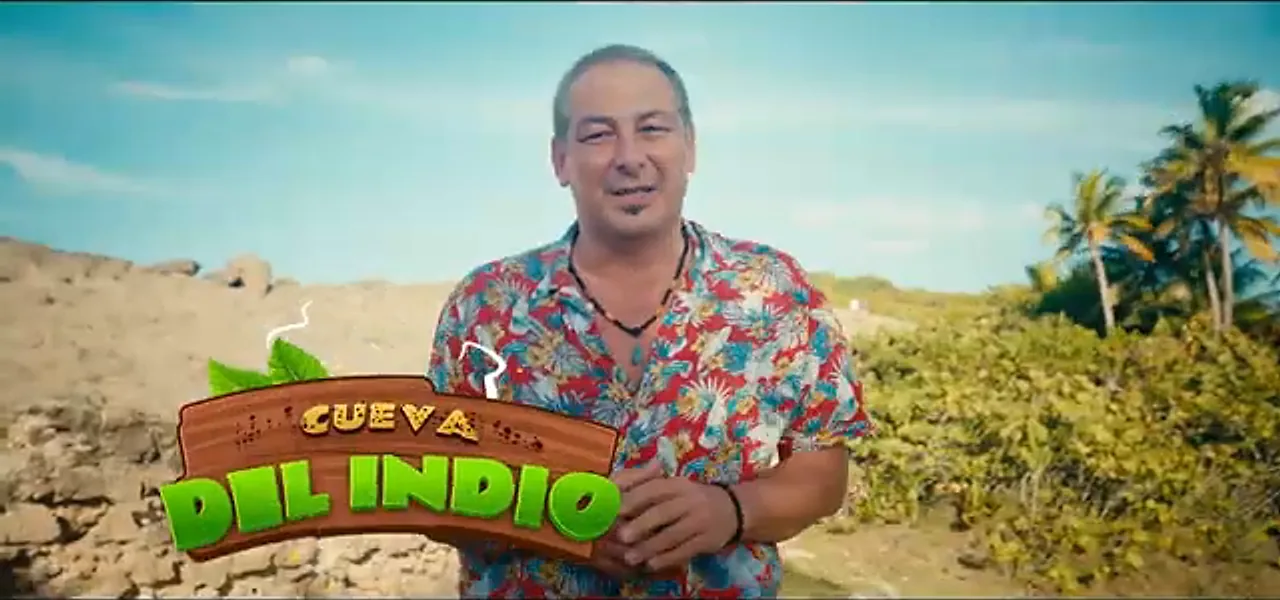
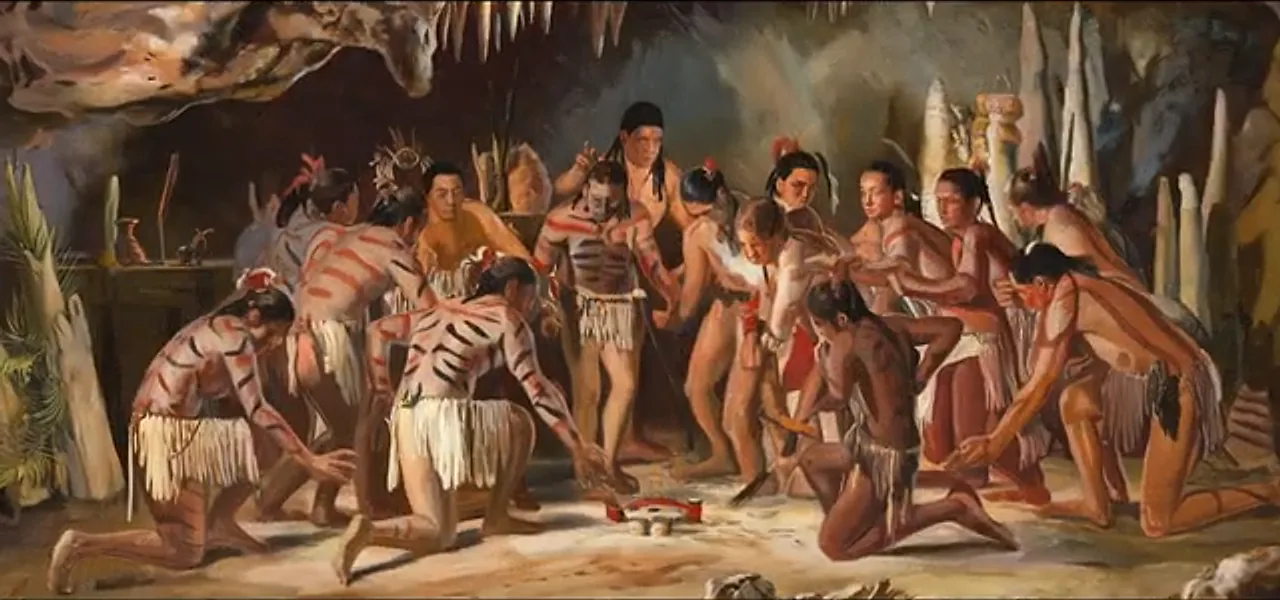
Most visitors make the mistake of never leaving San Juan, and that, as the girls told me flatly, is a big no-no. So we drove out to La Cueva del Indio — the "Indian Cave" — one of the most important sites on the island. Hundreds of years ago, long before the Spanish, this was a place where the Taíno held ceremonies, rituals and even gave birth; later, they used it as a refuge from the Spanish. The catch is the entrance: a hole so small that a lot of people never even find it. I'm a big guy, and squeezing through was a genuine, undignified struggle. But once you're inside, it's all worth it — the rock is carved with ancient petroglyphs, and the air feels heavy with everything that happened here.
Those ceremonies were led by shamans, and performed as offerings to the Taíno gods — one of whom was Huracán, the god of storms. That name should look familiar: it's where the word "hurricane" comes from, carried out of the Taíno language and into English and Spanish alike. It's a small, chilling detail that says something large: the people the history books often describe as "vanished" never actually vanished at all. Their words, their hammocks, their food and their blood are woven all through modern Puerto Rico. That's exactly why I made a second episode dedicated entirely to the living Taíno community — getting rare access to their ceremonies, and even being baptised with a new name. You can watch that full story here.
▶ Puerto Rico, Part 2 — The Taíno Who Never Disappeared
Exclusive access to the living Taíno community, their ceremonies, and a new name
El Yunque and a Hidden Pool
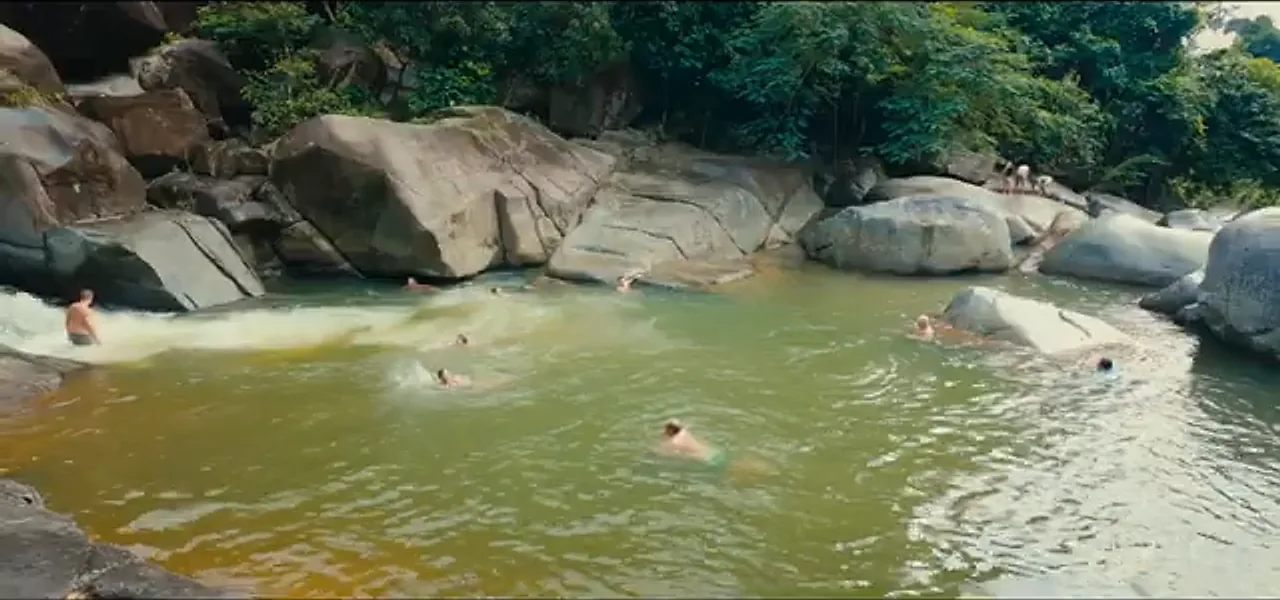
Puerto Rico is proud to hold the only tropical rainforest in the United States forest system: El Yunque. It's a wall of green, alive with birdsong and biodiversity, and the girls took me to a piece of it few travellers ever find — a hidden section near the town of Naguabo called El Hippie. They greeted me the local way, with a shot of Pitorro, a homemade infused rum sometimes called Puerto Rican moonshine; it smells like it could strip paint and goes down, to my surprise, smooth and silky. I was ready for a second.
But the real prize was the water. El Hippie is a natural river pool tucked into the forest, a place the Taíno themselves lived off — fishing, gathering berries, bathing in the same clear pools. That lifestyle isn't a museum exhibit here; it's still practised. On a bright day the sun catches minerals in the water and turns it a luminous blue-green, so clear you can count the fish. Floating there, in a pool people have used for a thousand years, is about as far from the "island in crisis" headlines as you can get.
An Ocean View and a Night on the Water
For the second half of the trip I swapped the neighbourhood for the sea, moving to the Condado Ocean Club, and I chose it deliberately. The team there, including a wonderful host named Priscilla, is deeply plugged into the community — partnering with groups that clean the beaches, rescue street dogs and cats, reforest the island, and protect the San Juan estuary and its endangered manatees. Tourism here changed after Hurricane Maria tore through in 2017; the disaster, brutal as it was, put Puerto Rico on the world's screens, and a lot of people who saw how beautiful the island — and how resilient its people — decided to come and help.
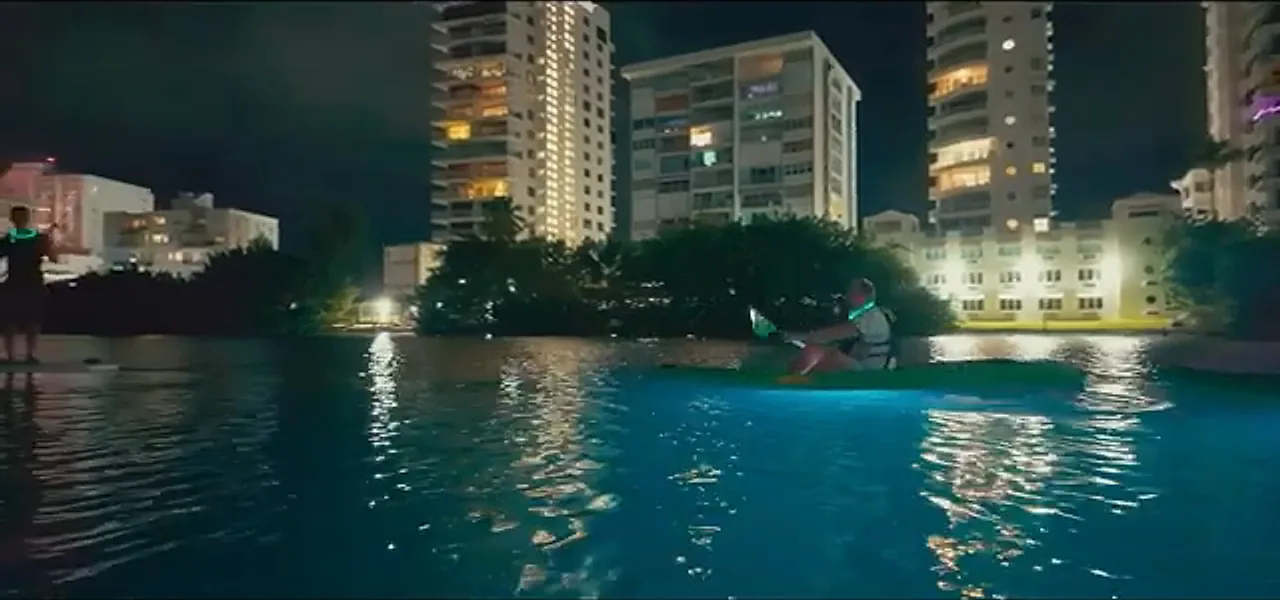
Priscilla surprised me with something I'd never done: a night kayak across the Condado Lagoon. The lagoon is a protected nature reserve — no boats, no jet skis, all banned to keep the manatees safe from their biggest enemies — and at night the kayaks glow with neon light, so you drift through the dark surrounded by colour, watching the life move beneath the surface. One of the reasons the water around here is so rich, incidentally, sits a few miles offshore: the Puerto Rico Trench, the deepest point in the entire Atlantic Ocean, plunging more than 8,000 metres down. (The show's guide called it the world's second-deepest; it isn't — but it is the deepest the Atlantic gets, which is remarkable enough.)
Mofongo, Sofrito and the Drink Puerto Rico Gave the World
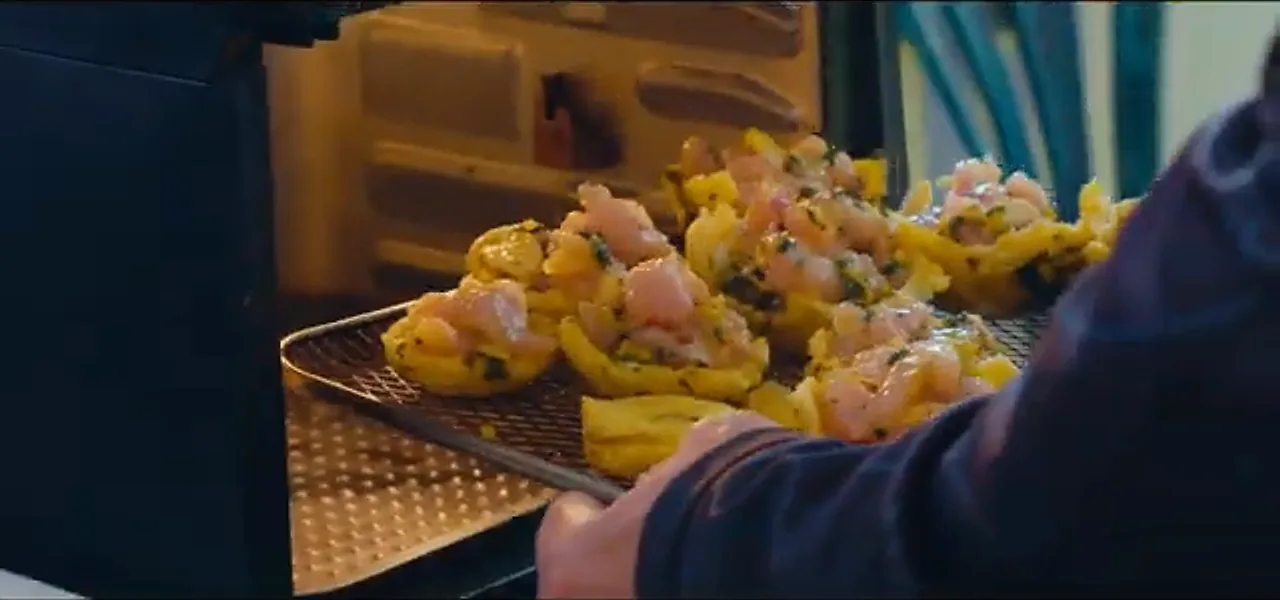
You cannot come to a country this rich in culture and skip the food, so I put on an apron with a chef named Mauro — all energy and passion, exactly what you want when you're trying to learn. First he taught me sofrito, the aromatic base that flavours nearly everything Puerto Rican: garlic (always garlic), pungent oregano brujo, cilantro, olive oil, sazón and salt, all smashed together. Then came the star: mofongo, made from the plantain — the Puerto Rican banana — fried, then mashed and pressed into little baskets you brush with sofrito ("paint your plantains like a painting," Mauro told me; I felt like Picasso) and fill with chicken. We finished with quesito, a guava-filled pastry. When I bit into that first mofongo basket I'd built with my own hands, it was genuinely one of the best things I ate on the whole trip.
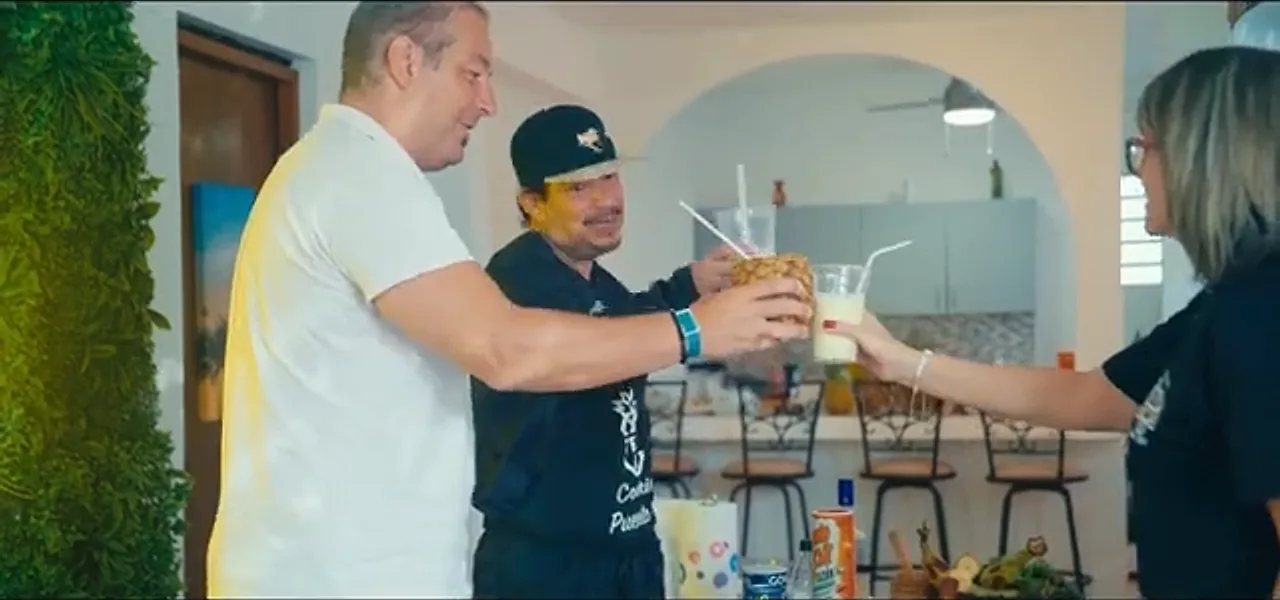
And then Mauro dropped a fact that stopped me cold: the piña colada was invented right here in Puerto Rico. It's the island's official national drink, and the story goes that a Puerto Rican bartender — everyone calls him Monchito — blended pineapple, a little coconut cream and ice into a slushie that drove everyone wild, right next door to the governor's house. He later sold the recipe to a hotel brand that dressed it up with the pineapple cup, the umbrella and the cherry and made it world-famous. (The Caribe Hilton and a bar called Barrachina still argue over who did it first; what nobody disputes is that it was born in San Juan.) I learned the local ritual too: never blend the rum in — you "baptise" the finished slushie with a five-second pour of Puerto Rican rum on top, or you'll melt the whole thing.
By the numbers: Puerto Rico, by the numbers
- Population
- ~3.2 million
- San Juan
- ~340,000 (about 10% of the island)
- Under Spanish rule
- ~400 years (1493–1898)
- Under US rule since
- 1898 (Spanish-American War)
- El Morro fortress
- begun 1539 · six levels
- Casa Estrecha
- ~5 ft / 1.6 m wide (narrowest in the Caribbean)
- Bomba music
- ~400 years old
- Piña colada
- official national drink since 1978
- Puerto Rico Trench
- 8,000+ m — deepest point in the Atlantic
Lunch in the Sky, and a Mad Queen
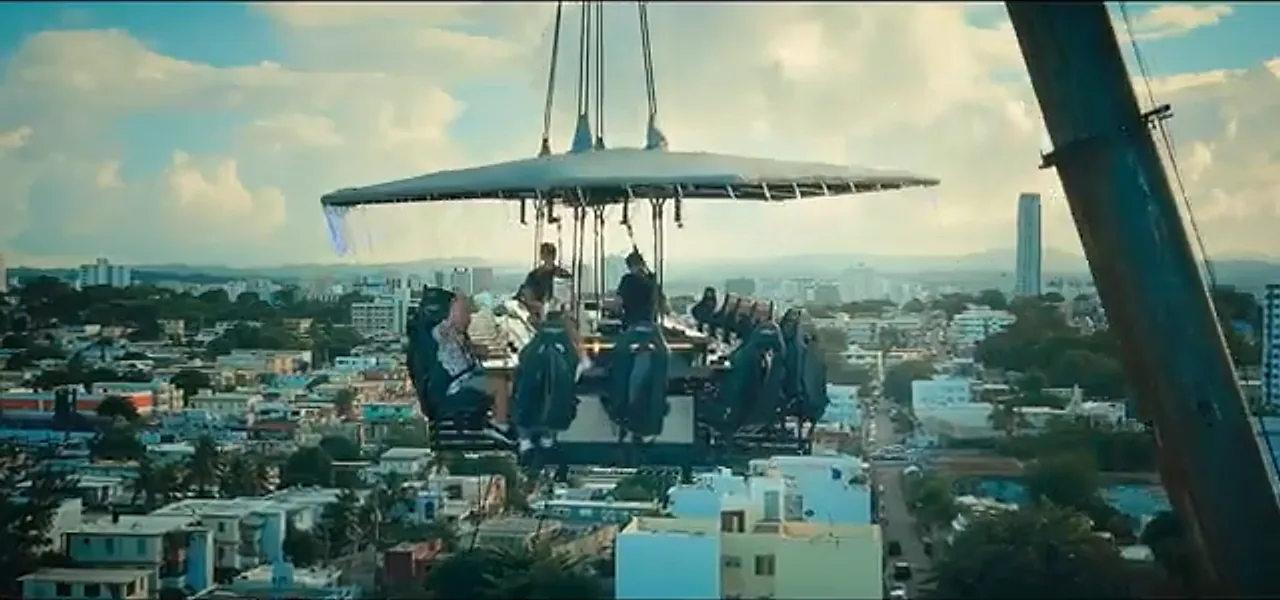
If Puerto Rican creativity has a headline, it's this: I ate lunch 150 feet in the air. A place called Fly Dining straps two dozen guests into a four-point harness around a single table, and then a crane hoists the whole thing into the sky over San Juan. It is, hands down, the most nerve-wracking and unusual meal of my life — and in 52 countries of filming this show, I'd never done anything like it. You dangle above the city, a bartender keeps the nerves down, and you try to remember that it's rude to talk with your mouth full while also trying not to think about the drop. Check.
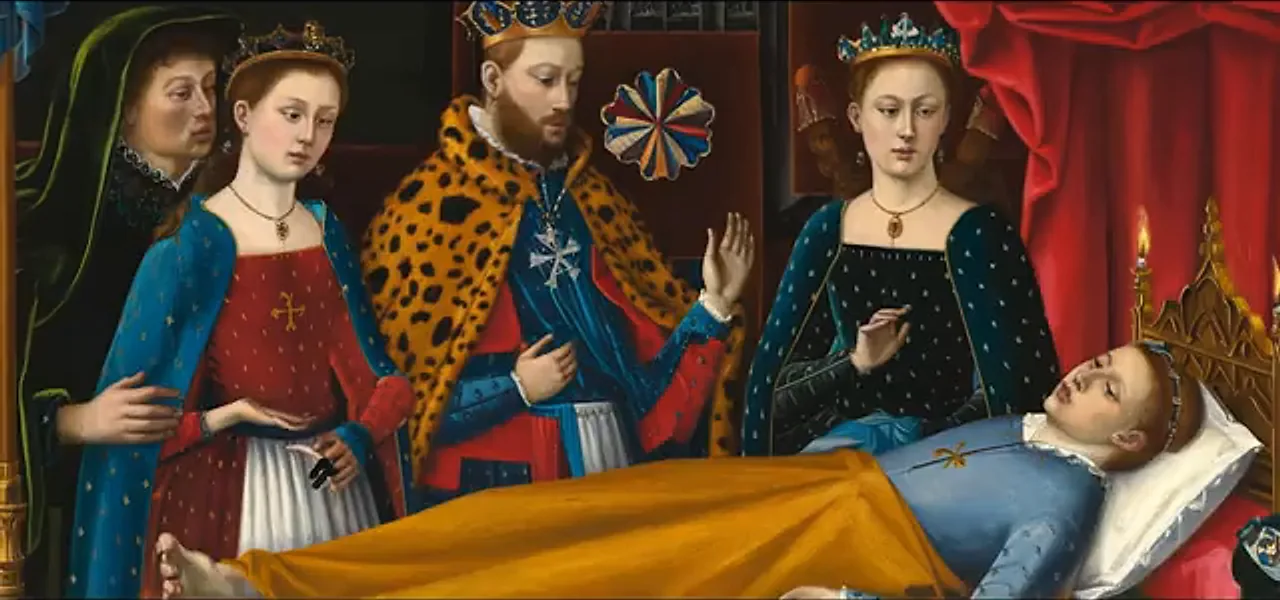
Back on solid ground, in Old San Juan, I found a bar that stole my heart: Juana la Loca, dedicated to one of Spain's most tragic figures. Juana la Loca — "Joanna the Mad" — was the daughter of Ferdinand of Aragon and Isabella of Castile, and never meant to be queen; but her siblings died and an enormous kingdom fell to her. In an era that couldn't stomach a woman holding that much power, she was married off at 16, driven by grief and jealousy after her husband's early death, declared insane, and shut away for 46 years. Her owner, George, built this beautiful, award-worthy little bar to honour her — fitting, since it was Juana's mother, Queen Isabella, who funded the very Columbus voyage that led to Puerto Rico. History has a way of closing its own loops.
Where the Dart Points Next
Before I left George's bar, I challenged him to a throw — one dart each, and we'd both travel to wherever they landed. I went first and hit Indonesia, the island of Java. Then George threw, and out of 195 countries, he hit Indonesia too. Two darts, two hits, the same enormous archipelago on the far side of the planet. We took it as a sign, and neither of us knew much of anything about where we were going — which is, of course, exactly how this show is supposed to feel.
Puerto Rico answered its own opening question for me. This is not a place that should be defined by its worst days or by a stranger's cruel joke. It's an island that dances through every challenge — 400 years of Bomba, a Taíno culture that refused to disappear, a drink the whole world now orders, a fortress that outlasted empires, and a hospitality so distinct it needed inventing a word for. Puerto Rico doesn't ask for sympathy. It demands to be seen — and once you've been, you don't forget it.
Watch both parts of the Puerto Rico story above. If you're following the journey in order, this chapter picks up where my Mount Fuji finale left off — and from that little bar in Old San Juan, twin darts carried me all the way to the island of Java, in Indonesia.
Explore More Travel by Dart Journeys
- Back one dart to Japan — the throw that sent me here happened at the end of my Mount Fuji episode.
- Where the twin darts pointed next: the island of Java, and my wider Indonesia adventure.
- More of the Caribbean the dart uncovered: the Cayman Islands and Curaçao.
- Another island nation with a big, proud heart: Antigua and Barbuda.
Suggested Sources & Further Reading
To go deeper into Puerto Rico, these are some of the best authoritative resources:
- Discover Puerto Rico — the island's official destination site.
- UNESCO — La Fortaleza and San Juan National Historic Site — the World Heritage listing that includes El Morro.
- U.S. Forest Service — El Yunque National Forest — the only tropical rainforest in the US forest system.
- Encyclopædia Britannica — Puerto Rico — history, geography and political status.
- Encyclopædia Britannica — Taíno — the island's Indigenous people.
- Encyclopædia Britannica — Joanna (Joanna the Mad) — the queen behind the San Juan bar.
All facts verified September 2026.
Puerto Rico: traveler questions
Is Puerto Rico a country or part of the United States?+
Neither, exactly — and that's the confusion. Puerto Rico is an unincorporated US territory (a commonwealth), not a state and not an independent country. Puerto Ricans are US citizens, but residents of the island cannot vote for the president and have only a single non-voting representative in Congress. It has its own culture, flag and Olympic team, yet uses the US dollar and passport.
Do US citizens need a passport to visit Puerto Rico?+
No. Because Puerto Rico is a US territory, American citizens travel there with just a driver's license, exactly like a domestic trip — no passport, no customs. The currency is the US dollar and the phones work on US plans. It's one of the easiest 'foreign-feeling' trips an American can take.
Where was the piña colada invented?+
In San Juan, Puerto Rico — it's the island's official national drink (declared so in 1978). The most widely credited story attributes it to bartender Ramón 'Monchito' Marrero at the Caribe Hilton in 1954, though a second San Juan spot, Barrachina, also claims it. Either way, the blend of pineapple, coconut cream and rum is pure Puerto Rico.
What is mofongo?+
Mofongo is Puerto Rico's great comfort dish: green plantains, fried and then mashed with garlic, olive oil and often crispy pork (chicharrón), typically pressed into a mound or a basket and filled with meat or seafood. It comes from the island's African roots and is built on sofrito, the aromatic garlic-and-herb base at the heart of Puerto Rican cooking.
What is Bomba music?+
Bomba is Puerto Rico's oldest musical tradition — around 400 years old — created by enslaved West Africans and centred on barrel drums. Its magic is that the roles are reversed: the dancer leads and the lead drummer follows, matching every move. It's strongest in Loíza, the town with the deepest African heritage on the island.
When is the best time to visit Puerto Rico?+
Winter to spring (roughly December to April) brings the driest, most reliable weather, though it's peak season. The hurricane season runs June to November, with the highest risk from August to October. I visited and moved around the island freely with normal common sense; the crime rate is lower than its reputation suggests, and the hospitality — what one local calls 'BoriLove' — is the thing you'll remember most.