Season 2 · Episode 5
Colombia
The country the movies got 40 years wrong: the world's second-most biodiverse nation, the queen city of Cartagena, a giant rock, and the honest, complicated legacy of Pablo Escobar.
On this page ▾
By Sorin Mihailovici · Travel by Dart · Last updated July 2026 · ~17 min read
When my dart, thrown back in Madagascar, landed on Colombia, I'll admit my first reaction was the same one most people have — the one shaped by movies stuck in the 1980s. I pictured a lion's den of cartels and danger. I was, I'm happy to say, completely wrong. The Colombia I found was vibrant, kind, wildly beautiful and overwhelmingly safe — a country actively, cheerfully rewriting the story the rest of the world keeps telling about it.
This isn't a travel diary — it's the fact-checked guide I wish I'd had, and it does something a little different: it tells you about the great things first, and then, separately and honestly, confronts the Escobar history that Colombia can't (and shouldn't) erase. Along the way I climbed a giant rock, flew above the Caribbean, and invited a group of strangers to share the adventure. And when the dart flew again — thrown, this time, by my new friends — it landed between two countries, so I decided to visit Brazil and Argentina.
Quick facts: Colombia at a glance
- Capital
- Bogotá (high in the Andes)
- Population
- ~52 million
- Language
- Spanish
- Biodiversity
- 2nd-most biodiverse country on Earth
- Coasts
- Both Caribbean and Pacific
- Famous for
- Coffee, emeralds, Cartagena, García Márquez
- Key cities
- Bogotá, Medellín, Cartagena
- UNESCO sites
- Cartagena, Coffee Landscape & more
- Best time to visit
- Dec–Mar & Jul–Aug (drier)
The Country the Movies Got Wrong
Let's deal with the elephant in the room, because Colombia does. Yes, this is the country of Pablo Escobar — and I'll get to that honestly, in its own section below. But judging Colombia by Narcos is like judging today's Germany by a World War II film. The country you actually visit in the 2020s is something else entirely: the second-most biodiverse nation on the planet (after Brazil), with Caribbean and Pacific coastlines, Andean peaks, Amazon jungle and open plains all inside one border. It leads the world in bird and orchid species, grows some of Earth's finest coffee and emeralds, and produced Gabriel García Márquez, the Nobel laureate who gave us magical realism.
And its cities have transformed. Bogotá is welcoming and cosmopolitan; Medellín is vibrant and modern; and Cartagena, as I kept saying, is the queen of them all. Over the last 15–20 years, sustained peace efforts have made the country dramatically safer, and tourism has climbed as a result. The single best piece of advice I can give you about Colombia is the one I learned there: the worst travel advice always comes from people who've never been.
By the numbers: Colombia
- Rank in global biodiversity
- 2nd (after Brazil)
- Population
- ~52 million
- Coastlines
- Two — Caribbean and Pacific
- Cartagena's UNESCO status
- World Heritage Site since 1984
- World ranking, bird species
- #1
- Nobel Prize in Literature
- Gabriel García Márquez, 1982
La Piedra del Peñol: The Rock of Guatapé
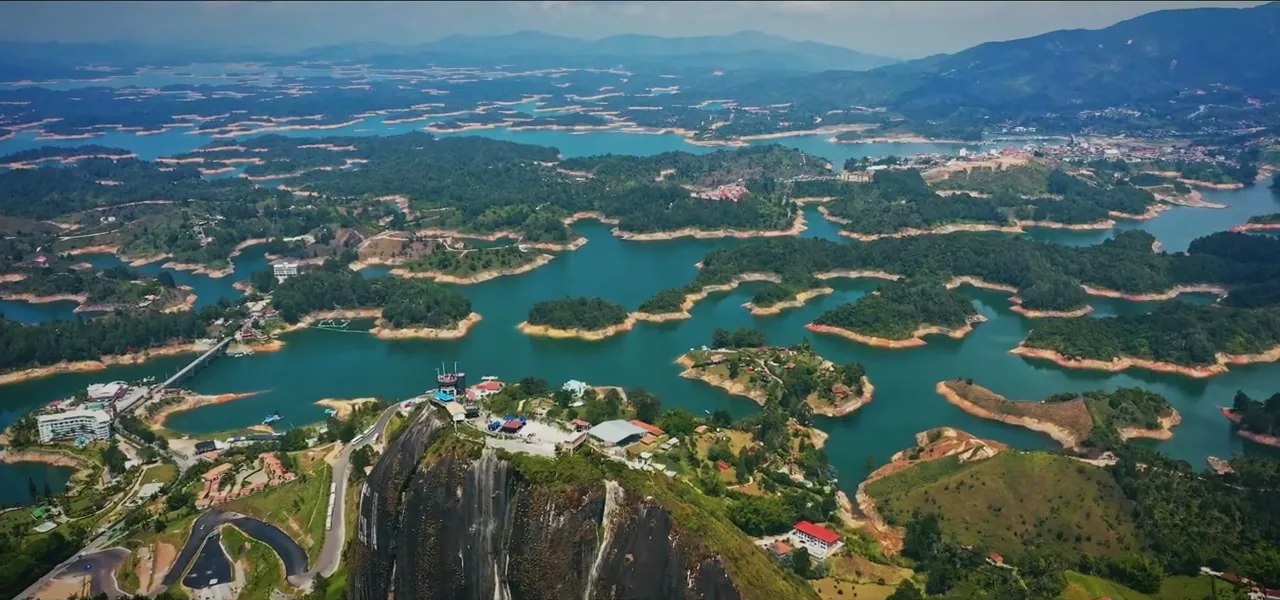
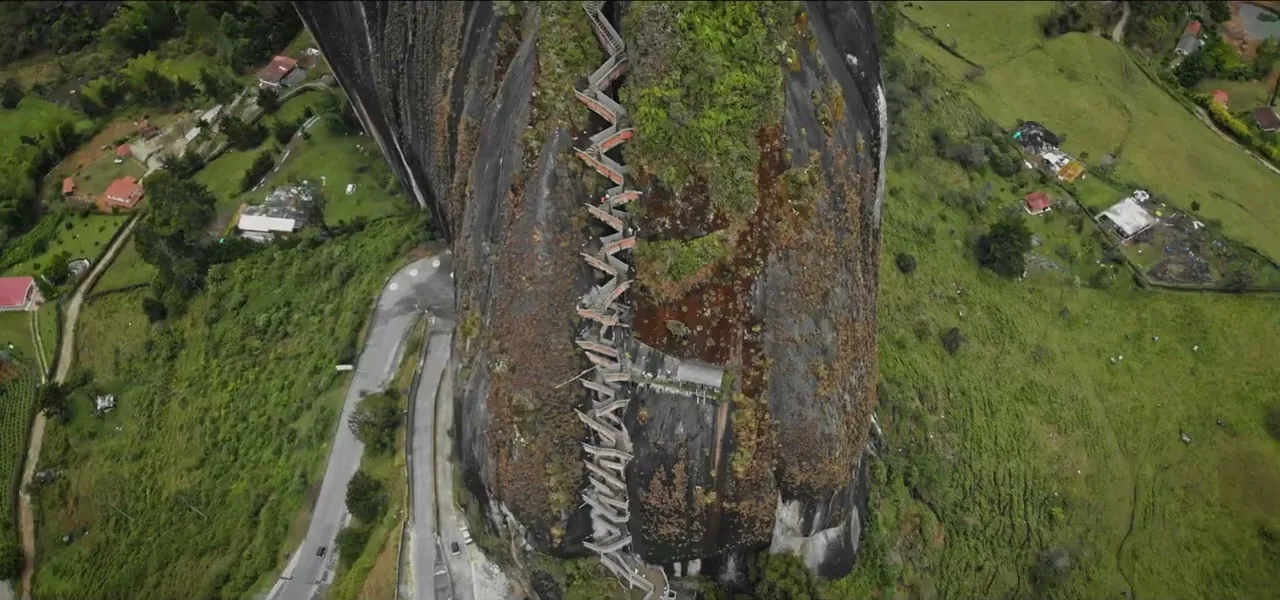
Two hours from Medellín, the landscape does something spectacular: a giant reservoir spreads out into an emerald maze of islands and inlets, and out of it rises one enormous, improbable rock. This is La Piedra del Peñol — the Rock of Guatapé — a 220-metre monolith of quartz monzonite that pushed up from deep in the earth some 65–80 million years ago and was left standing alone by erosion. The Indigenous Tahami who lived here once worshipped it. Today you climb it, via a dizzying 740-step staircase wedged into a natural crack in the stone.
Cartagena: The Queen of the Caribbean
If Colombia has a soul city, it's Cartagena de Indias. This Caribbean port wraps a walled colonial old town — a UNESCO World Heritage Site since 1984 — around narrow streets of painted balconies dripping with flowers, plazas full of music, and some of the best food and warmest people I met anywhere in the country. It's the city of García Márquez, and it feels like his novels: a little rough, a little magical, impossibly alive.
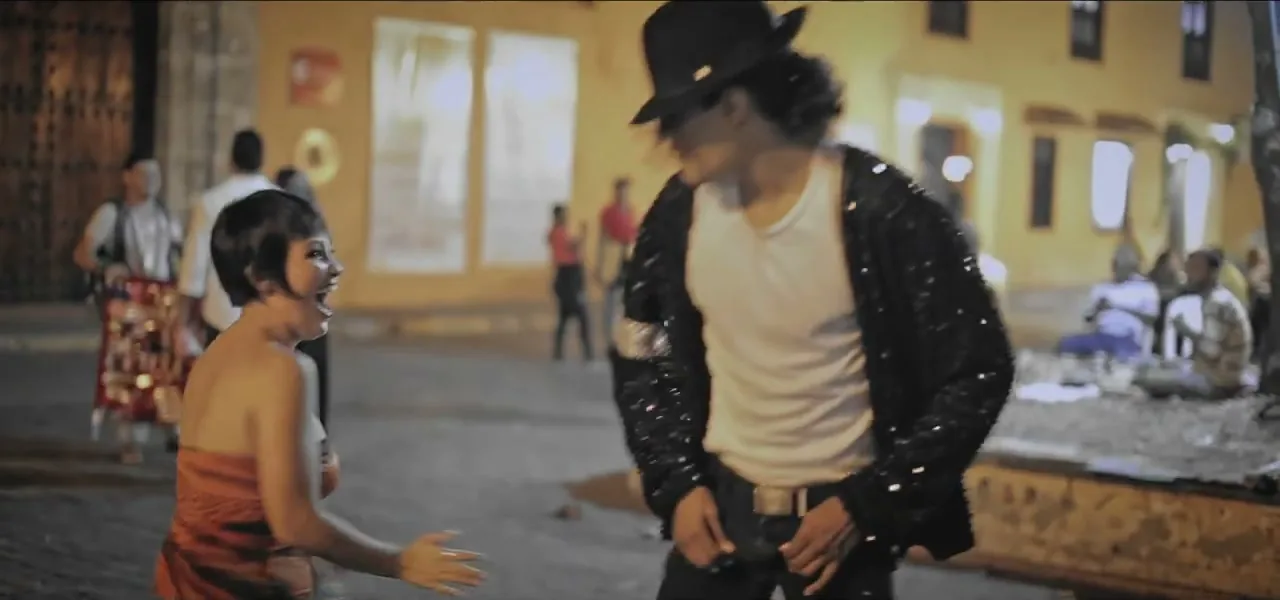
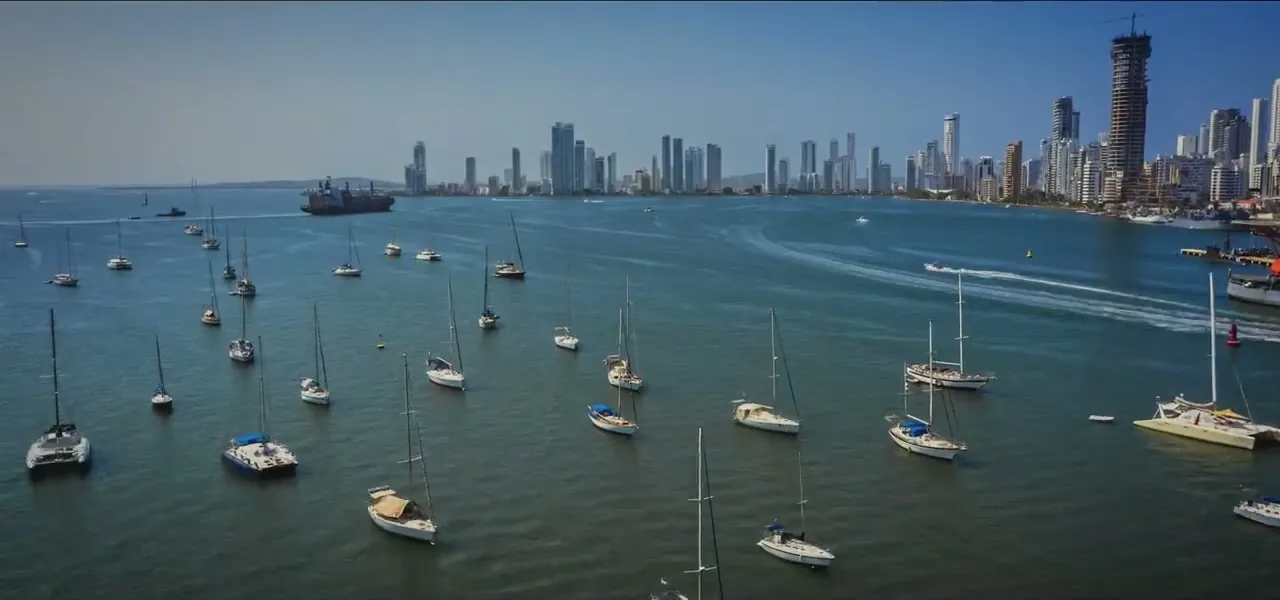
Cartagena is one of those places where the magic happens every time you're here — the Latin music, the culture, the food. It's rough and rustic and beautiful, and the people are all so welcoming.
Coffee, Emeralds and the Other Colombia
Beyond the cities, Colombia's real wealth is in its hills and its ground. This is one of the world's great coffee nations, and its Coffee Cultural Landscape — a patchwork of small family farms clinging to impossibly steep Andean slopes — is a UNESCO World Heritage Site in its own right. Colombian coffee isn't a commodity here; it's a culture, a way of life passed down through generations.
It's also the source of the planet's finest emeralds, mined for centuries at legendary sites like Muzo and Chivor. A Colombian emerald, with its pure, deep green, is the benchmark against which every other emerald on Earth is measured. And because the country reaches from Caribbean beaches to Pacific rainforest, from Andean peaks to Amazon jungle to the wide plains of the Llanos, its biodiversity is second only to Brazil's — Colombia leads the entire world in both bird and orchid species. The place tourism ignored for forty years is, quietly, one of the richest natural and cultural treasuries in the Americas. You just have to be willing to look past the old story to see it.
Flyboarding, and the Spark Experience
Colombia is where I tried something bigger than a new activity — a new way of doing the show. I call it the Spark Experience: instead of traveling alone, I invited fans and strangers to fly in and share part of the journey. In Cartagena, a group of people who had never met me, or each other, took that leap of faith — and it became the emotional heart of the episode.
We threw ourselves into it, literally. The wildest moment was flyboarding — strapping your feet to a board connected by a fire-hose to a jet-ski pump, and being launched into the air on a column of water to, as the instructor put it, "fly like a superhero and swim like a dolphin." I was terrified I'd end up in a "flyboard fails" compilation. Instead, after a few tries, I was hovering over the Caribbean, grinning like a kid.
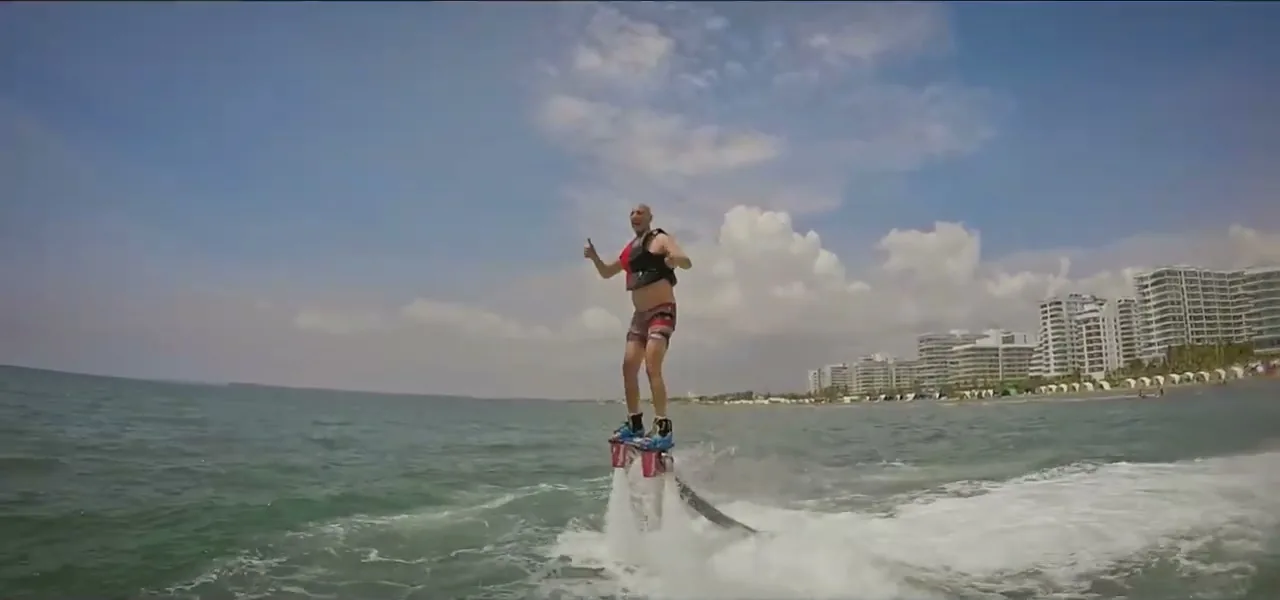
Then I surprised the whole group: I had them check out of their hotels and took them, by private boat, to Tierra Bomba, a rustic island 15 km off the coast, for two days of hammocks, warm water and the kind of bonding that only happens when you leave your comfort zone together. Strangers on Monday; friends by Friday.
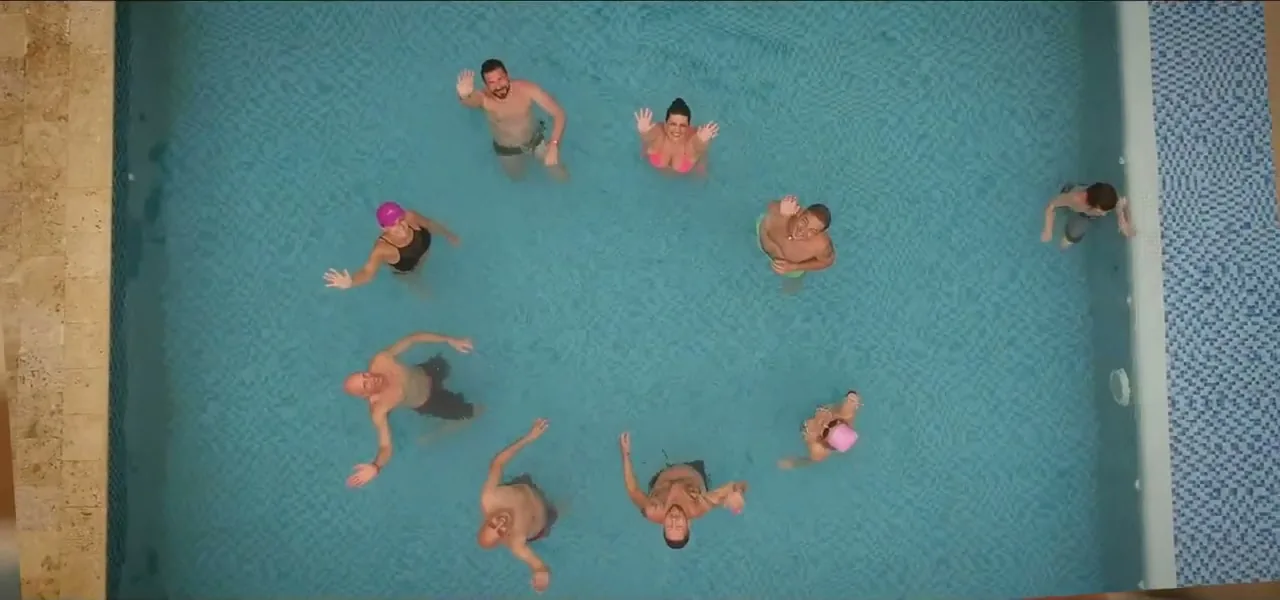
You can have a really good life in your little bubble, being comfortable. But you can have an extraordinary life when you do things that are uncomfortable — that's when you grow.
The Dart, Thrown by Friends
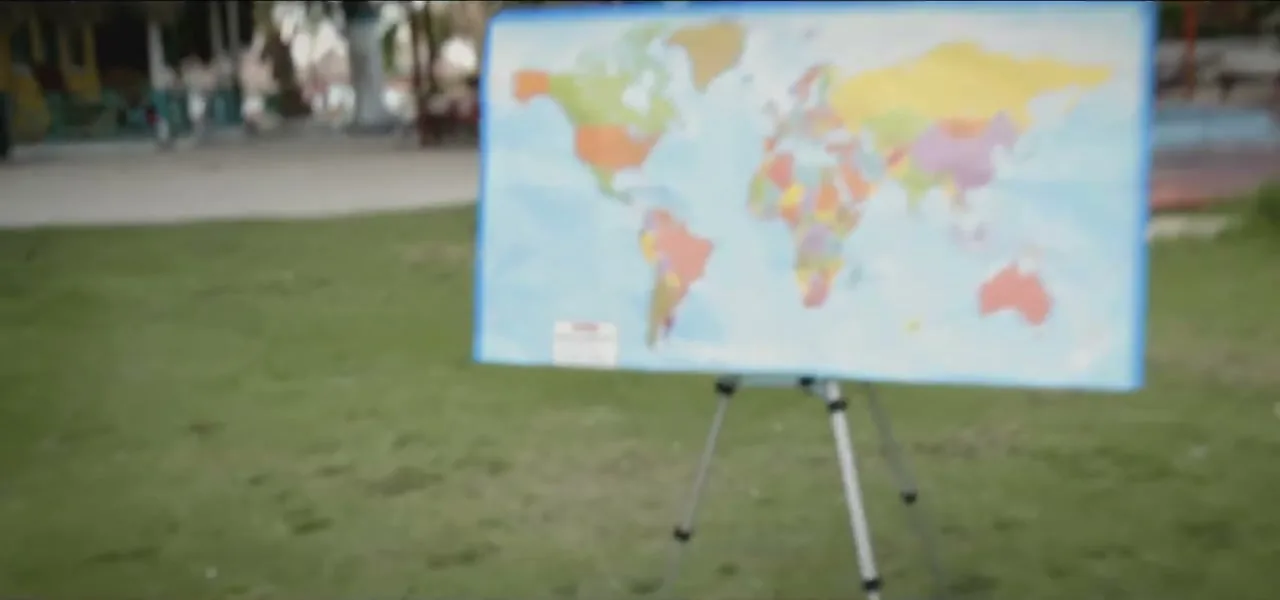
On the island, relaxed and happy, I did something I'd never done: I handed the dart to my new friends and let them choose where I'd go next. Six of them threw, under the usual rules — miss the map, or hit North America or a country I'd already visited, and you're out. The winning throw landed in the ocean between two giants: Argentina and Brazil. Unable to choose, I decided to do what any reasonable person would — go to both.
The Shadow of Pablo Escobar
I kept the darkest chapter separate — a second film, embedded below — because I wanted the Colombia above to shine on its own. But a fact-checked guide has to tell this part honestly, because it's real, and because how you tell it matters.
▶ Colombia — The Pablo Escobar Legacy
Medellín's darkest chapter, and its remarkable transformation
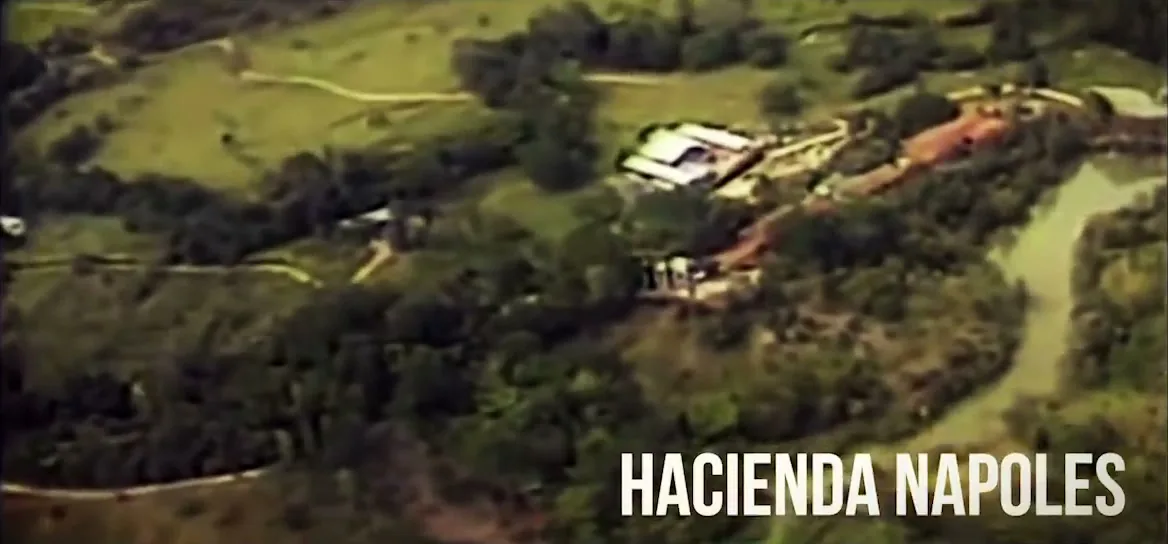
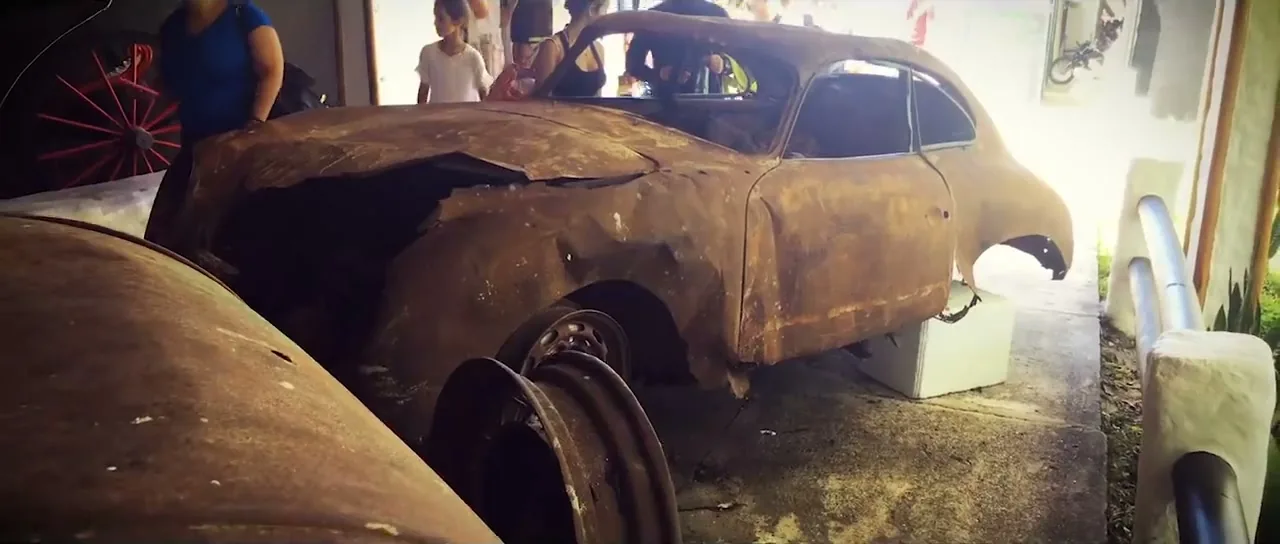
I grew up in Romania hearing daily news of Medellín as the most dangerous place on Earth, and the numbers were staggering: Pablo Escobar's Medellín Cartel supplied up to 80% of the cocaine entering the United States, and in 1991 Medellín was the murder capital of the world, with a homicide rate of roughly 381 per 100,000 people — around sixteen killings a day. Escobar was finally shot dead on a Medellín rooftop on 2 December 1993. On the Escobar tour you can trace it all: Hacienda Nápoles, his gaudy country estate (now a family theme park, its zoo's escaped "cocaine hippos" still breeding in the rivers nearby); the ruins of the Mónaco building his rivals car-bombed; La Catedral, the luxury "prison" he built for himself and escaped from; and his grave, where I unexpectedly came face to face with one of his surviving lieutenants.
Things That Surprised Me About Colombia
- The Colombia in the movies is roughly 40 years out of date.
- It's the second-most biodiverse country on Earth.
- It ranks #1 in the world for bird species.
- Cartagena's walled old town is a UNESCO site from 1984.
- The Rock of Guatapé is 220 m tall with a 740-step staircase.
- Two towns feuded over the rock, leaving a giant unfinished "GU."
- Colombia produces the world's finest emeralds.
- Gabriel García Márquez, father of magical realism, was Colombian.
- Flyboarding really does let you fly on a jet of water.
- Medellín was the world's murder capital in 1991 — and transformed itself.
- It built the world's first urban cable-car transit for its hillside barrios.
- Hacienda Nápoles is now a theme park — and Escobar's hippos went feral.
- Locals are pained when tourists romanticize Escobar — don't.
- My friends threw the dart this time — and it chose Brazil and Argentina.
Colombia Lives in the Present
I came to Colombia carrying the same tired story everyone carries, and I left a little ashamed I'd ever believed it. Yes, the country has a dark chapter, and it doesn't hide from it. But the overwhelming truth of the place is light: the music in Cartagena's streets, the impossible green around Guatapé, the transformation of Medellín, and a warmth in the people that no reputation could have prepared me for. Colombia doesn't live in its past. It lives, vividly and generously, in the present — and it wants you to see it.
When my friends' dart chose my next destination, it split the difference between Argentina and Brazil, so I did too. But of all the lessons the dart has handed me, Colombia's might be the most useful: the worst thing you can do to a place, or a person, is judge it by a story that's decades out of date.
Explore More Travel by Dart Journeys
- The dart that sent me here was thrown in Madagascar.
- See where my friends' dart sent me next: Brazil and Argentina.
- More South America in my Ecuador and Amazon Jungle episodes.
- Another island that overturned my expectations: Cuba.
Suggested Sources & Further Reading
To go deeper into Colombia, these are some of the best authoritative resources:
- Colombia Travel — the country's official tourism site, with regions and planning.
- UNESCO World Heritage Centre — Cartagena — the listing for the walled port and fortifications.
- UNESCO — Coffee Cultural Landscape of Colombia — Colombia's famous coffee region.
- Encyclopædia Britannica — Colombia — an authoritative overview of the country.
- Encyclopædia Britannica — Gabriel García Márquez — Colombia's Nobel laureate.
All facts verified July 2026.
Colombia: traveler questions
Is Colombia safe to visit now?+
Far safer than its reputation suggests. Colombia has transformed over the past two decades — Medellín, once the 'murder capital of the world' in 1991, saw its homicide rate fall dramatically, and cities like Cartagena, Bogotá and Medellín now welcome large numbers of tourists. As anywhere, use common sense and reputable local guides, but the image many people carry (from movies set 40 years ago) is badly out of date.
What is La Piedra del Peñol / the Rock of Guatapé?+
It's a massive 220-metre rock monolith near the town of Guatapé, about two hours from Medellín, formed from quartz monzonite roughly 65–80 million years ago. You climb it via a 740-step staircase built into a crack in the stone. On its side you can still see a giant, unfinished 'GU' — the remains of a graffiti feud between the neighbouring towns of Guatapé and El Peñol over who owned the rock.
Why is Cartagena special?+
Cartagena de Indias is a colourful colonial port on Colombia's Caribbean coast, and its walled old town has been a UNESCO World Heritage Site since 1984. It combines Spanish-colonial architecture, Caribbean culture, music and food — and it's closely tied to Nobel laureate Gabriel García Márquez, the father of magical realism.
How biodiverse is Colombia?+
Extraordinarily — Colombia is the second-most biodiverse country on Earth (after Brazil), with everything from Caribbean and Pacific coasts to Andes mountains, Amazon rainforest and the Llanos plains. It's the world leader in bird and orchid species, produces some of the planet's finest coffee and emeralds, and holds several UNESCO sites.
What is Pablo Escobar's legacy in Medellín today?+
Complicated and painful. Escobar led the Medellín Cartel, supplied up to 80% of the cocaine entering the United States, and his war left thousands dead before he was killed in 1993. Medellín has since transformed remarkably — innovative public transport, libraries and steep drops in violence. Many locals dislike tourists romanticizing Escobar, and responsible visitors treat the history as tragedy, not entertainment.
What is the 'Spark Experience'?+
It's Sorin's idea of inviting fans and strangers to join part of a Travel by Dart trip — to take a leap of faith and experience a country together. In the Colombia episode, a group of people who'd never met flew in to share the adventure, from Cartagena to a private island.