Season 2 · Episode 11
Italy
Where history, food and beauty compete for your attention on every street.
On this page ▾
By Sorin Mihailovici · Travel by Dart · Last updated August 2026 · ~18 min read
I didn't need much convincing to point myself at Italy. Out of every country on the map, this one, cumulatively, may hold the greatest concentration of fascinating cities, landmarks and beauty anywhere on Earth — a place with more UNESCO World Heritage Sites than any other nation (61 at last count, just ahead of China). Florence, Venice, Rome, Tuscany, Pisa, Milan, the Amalfi Coast, Cinque Terre… you could film a lifetime of episodes here and barely scratch it. So I made peace with the fact that one episode can't hold Italy, and instead set out to find the moments you can't easily Google — and to throw a dart, from here, for wherever Season 3 would begin.
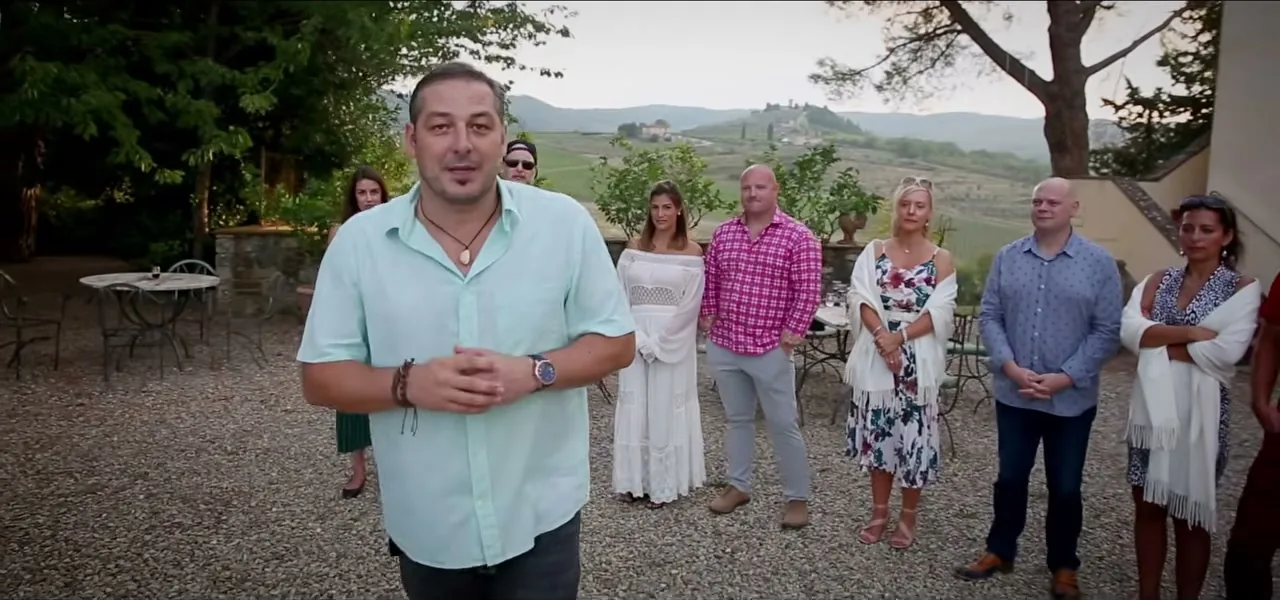
To share it, I ran another Spark Experience, choosing ten strangers from around the world to join me in Tuscany. And, though they didn't know it yet, I was going to hand them the dart.
Quick facts: Italy at a glance
- Capital
- Rome
- Population
- ~59 million
- Language
- Italian
- Currency
- Euro (EU founding member)
- UNESCO sites
- 61 — the most of any country
- This trip
- Florence · Tuscany · Chianti · Venice · Pisa
- Famous for
- Renaissance art, food, wine, history
- Best time to visit
- April–June, September–October
Twenty Regions, Three Thousand Years
To understand why Italy feels so impossibly dense with wonders, it helps to know it's a young country wrapped around an ancient civilisation. Modern Italy was only unified in 1861; before that it was a patchwork of kingdoms, republics and city-states — Florence, Venice, Genoa, Naples, the Papal States — each of which spent centuries competing to build the most beautiful churches, palaces and public squares. That rivalry is why almost every Italian town, not just the famous ones, has a piazza that would be a national treasure anywhere else.
Beneath all of it sits Rome, which ruled much of the known world for centuries and gave Europe its roads, its law, and the Latin from which Italian (and Spanish, French, Portuguese and Romanian) descends. Then came the Renaissance, born in Florence under the Medici, which rebuilt Western art and science almost from scratch. Today Italy is twenty regions, each with its own food, dialect, landscape and fierce local pride — from Alpine Tuscany to the sun-baked south. You are never really visiting "Italy." You are visiting a federation of proud little worlds that happen to share a passport and a love of the table.
A Villa From 1696 and a Michelin Kitchen
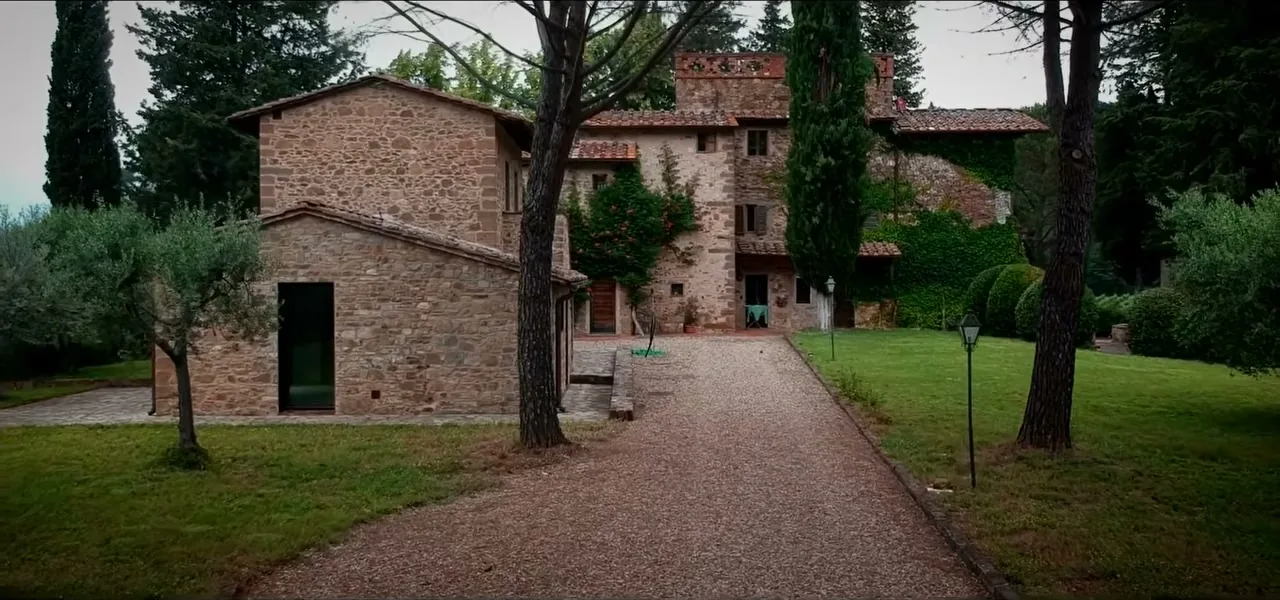
We based ourselves in Florence, at the San Gallo Palace, and for the very first evening I arranged something the group would talk about for the rest of the trip: dinner at a private countryside villa built in 1696. The owner, a friend I'd made in Tuscany, didn't want to be on camera — but he opened his home, cooked a feast of deeply traditional Tuscan dishes, and let us wander a property that felt lifted from a film: stone and cypress, rolling green hills, and a small family chapel with graves from the 1800s tucked behind the house. Driving up that gravel driveway is the moment my guests said they realised, all at once, that they were in Italy. The host read the menu aloud like poetry — bistecca alla Fiorentina, porchetta, salsiccia, soppressata, roast potatoes and Tuscan beans, oven-baked sea bass and smoked wild salmon "for the vegans," he joked — and every dish landed better than the last. To be welcomed into a stranger's home, catered to like family, and fed a meal cooked with that much care is an experience no restaurant, however grand, can replicate; it was, for several of my guests, the single best evening of the whole trip.
Because Italy is a culinary paradise where cooking is culture, I wanted the group to taste it at the very top too — not pizza, but food from a Michelin-starred chef. Stefania at the palace worked her magic and delivered Stefano Cavallini, who told us his story over dinner: recognised in 1999 by the President of Italy as an ambassador of Italian cuisine abroad, once the first Italian chef to hold a Michelin star outside Italy, with time in Gordon Ramsay's kitchens behind him. He cooked us wild-boar tagliatelle and a Bistecca alla Fiorentina — the great Tuscan T-bone — seared not on an open grill but in a josper, a closed charcoal oven that smokes the meat with an incredible depth of flavour.
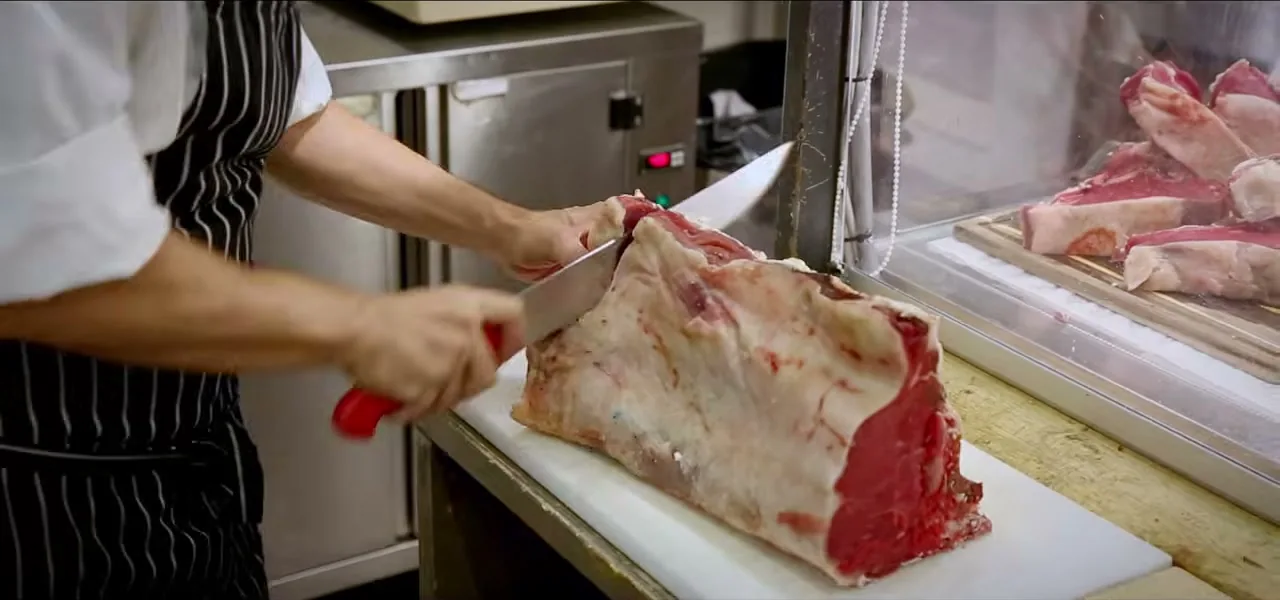
What struck everyone wasn't just the skill; it was the grace. Told that one guest was pescatarian, the chef instantly improvised a grilled octopus for her — "no steak for you," he grinned — then sat down and talked with us like old friends. That's Italy: even at Michelin altitude, the warmth is the point.
Florence: Walking Through the Renaissance
Florence is the birthplace of the Renaissance, and you feel it on every street. We spent a day simply walking with our heads tilted back. We rubbed the snout of Il Porcellino, the bronze boar at the Mercato Nuovo, and dropped a coin for the tradition that says it'll bring you back to Florence one day. We visited the Basilica of Santa Croce — and here let me correct something even the guides blur. Santa Croce holds the tombs of Michelangelo, Galileo Galilei, and Machiavelli; but the grand monument to Dante Alighieri is empty. Dante died in exile and lies in Ravenna, which to this day has never sent him back to the city that banished him. Standing among those graves, filming the "shaky cell-phone shots" they allow, you feel the weight of how much genius one small city produced.
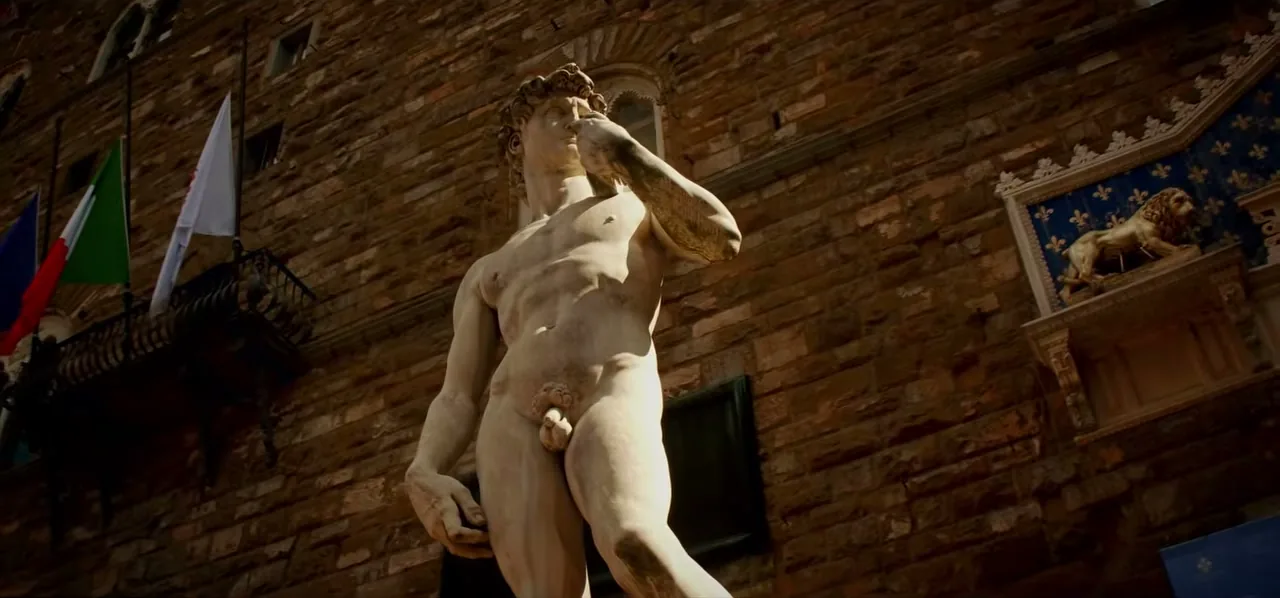
Florence rewards you no matter where you look. Above the rooftops rises the terracotta dome of the Duomo, Brunelleschi's 15th-century engineering miracle and still the largest masonry dome ever built; nearby, the Uffizi Gallery holds one of the greatest collections of Renaissance art on Earth, and the original David, Michelangelo's, stands in the Accademia. We only had a day, and a day in Florence is a beautiful kind of frustration — you leave knowing you've seen a fraction of it.
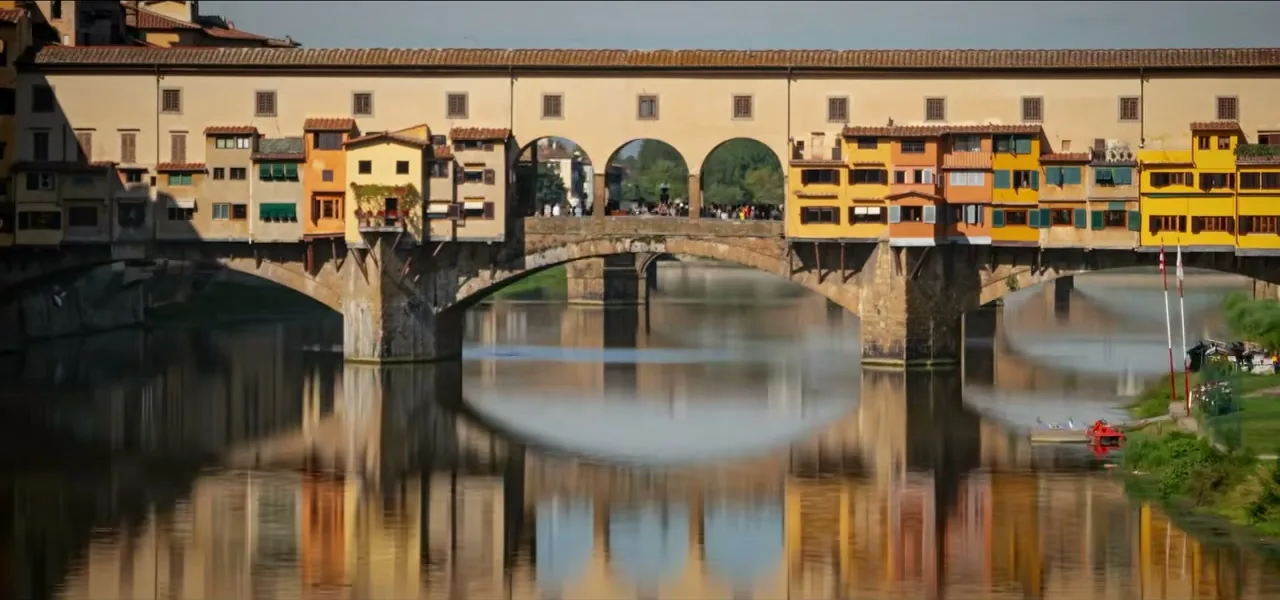
The highlight was the Ponte Vecchio, the "Old Bridge," one of the most famous in the world, built in medieval times across the Arno and still crowded with shops selling gold and jewellery. But its best secret is above your head: running over the shops is the Vasari Corridor, an elevated private passage the Medici built in 1565 so they could walk, unseen and safe, from their government offices at the Palazzo Vecchio all the way to their home at the Pitti Palace. Power, in Renaissance Florence, had its own hidden hallway above the crowd.
Sunrise Over Tuscany, in a Balloon
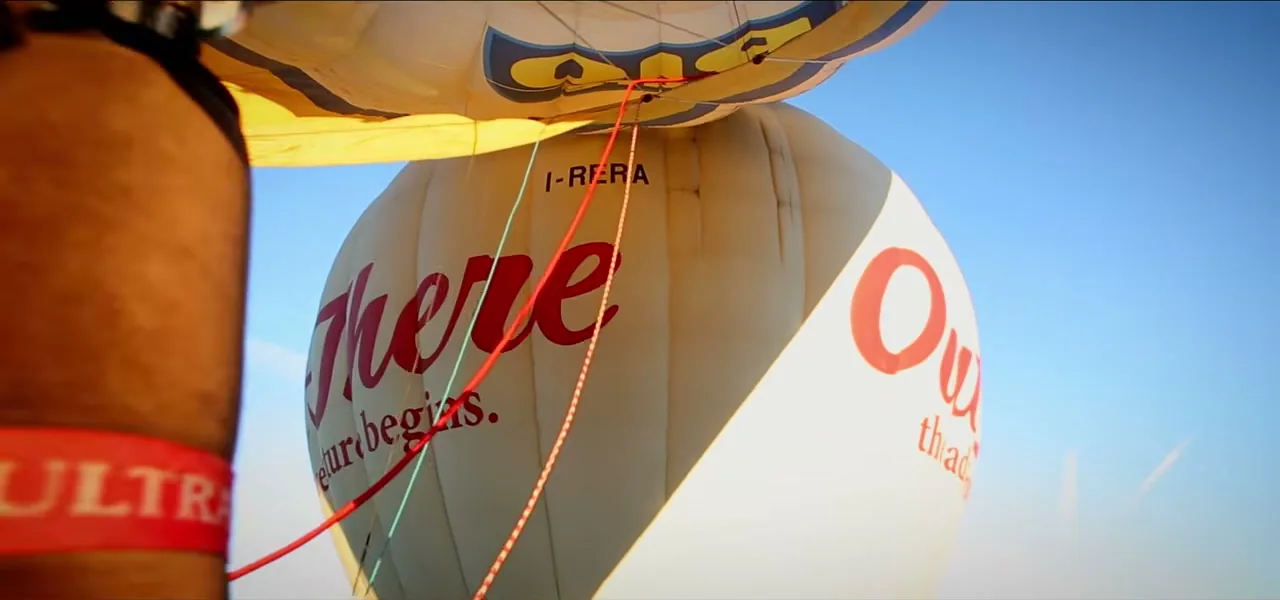
The next morning brought something none of us had done: a hot-air balloon flight over the Tuscan countryside, with an outfit rightly called one of the best in the country. Twelve of us climbed into a single basket beneath a balloon of 300,000 cubic feet, watched the pilot fill it with cold air and then fire the propane burners until it stood up off the ground, and rose to around 2,800 feet over a patchwork of vineyards and hills. At one point we drifted close enough to another balloon to almost kiss it. There are few better ways to understand why people fall in love with Tuscany than to float above it in the early light, silent except for the burner.
Inside a Real Chianti Winery
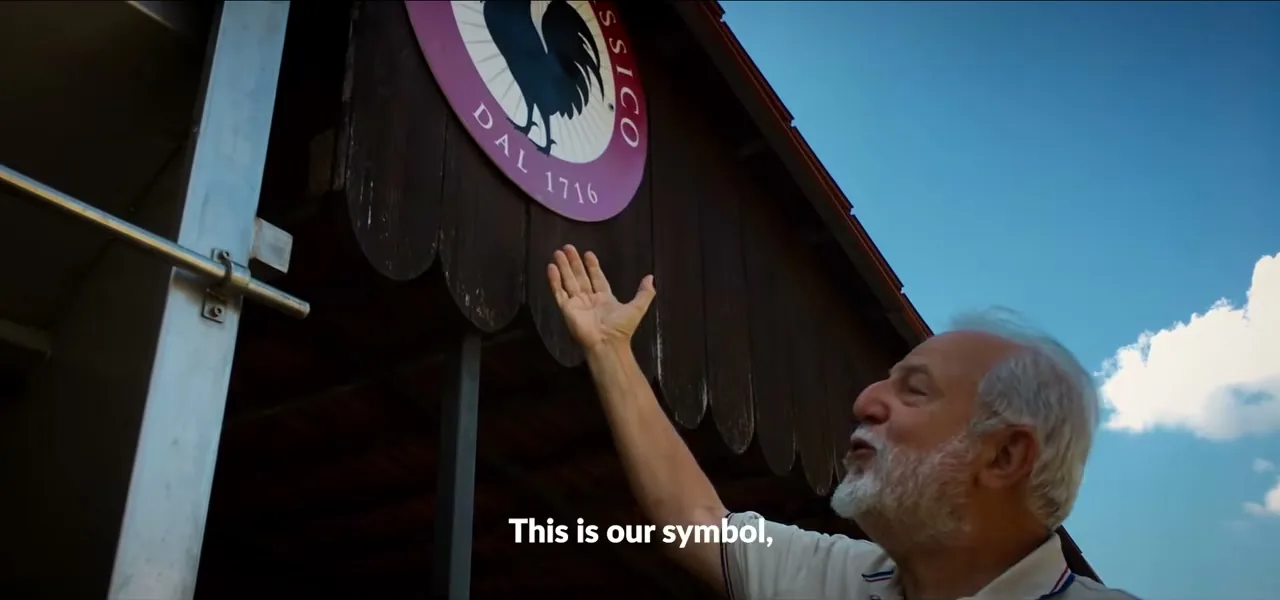
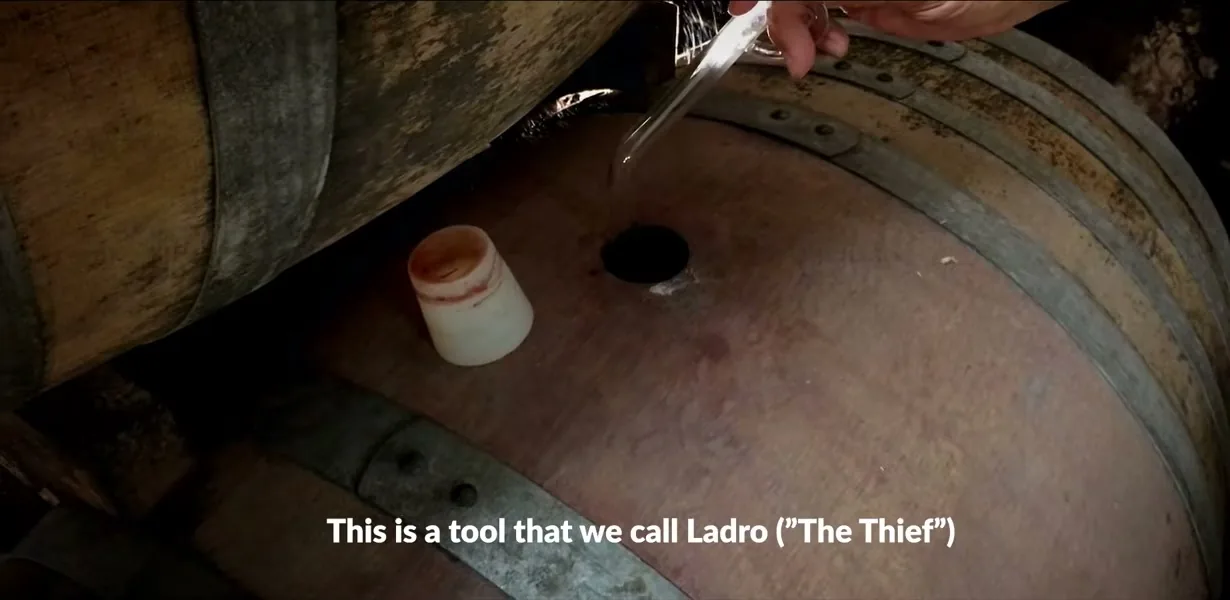
You cannot come to this part of Tuscany — the very heart of Chianti — and skip a winery, so I pulled some strings for exclusive access to Corte di Valle, a hidden gem run by a winemaker named Marco. He showed us the whole craft: the ladro, or "thief," the tool used to draw a taste straight from the barrel's heart; the hand-harvested grapes; the destemming; the first fermentation held to a controlled 28°C. And he showed us the seal that matters — the Gallo Nero, the Black Rooster, the mark of the consortium that has protected genuine Chianti Classico (at least 80% Sangiovese) since the 1920s.
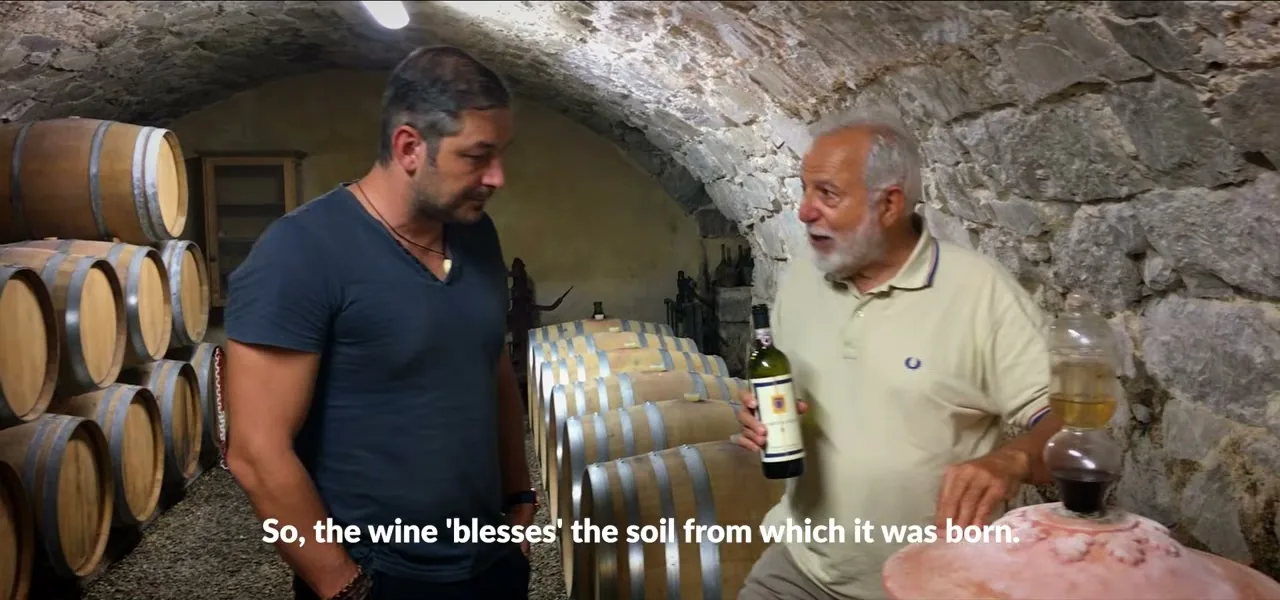
Marco's real secret, though, was an experiment: alongside the usual oak barrels, he's aging an organic wine in terracotta jars (orci) made from local clay, whose many tiny pores let the wine breathe differently. "The wine blesses the soil from which it was born," he said — "a marriage within the same family." We picked fresh grapes, watched juice become wine, and then I surprised the group with bottles bearing a photo of the whole gang on the label. Even the ones who "don't really drink wine" told me they'd keep the bottle forever.
Pack less clothing and more money.
Why Eating in Italy Ruins You for Everywhere Else
I've eaten my way around the world for this show, and I'll say it without hesitation: Italy may be the hardest place to leave, gastronomically, because it quietly ruins your standards for everywhere else. Part of it is philosophy — Italian cooking is built on a few perfect ingredients treated with respect, not buried under complication. Part of it is that food here is deeply regional. The "Italian food" people think they know is really dozens of distinct cuisines: rich meat ragù and fresh egg pasta in the north around Bologna, carbonara and cacio e pepe in Rome, basil pesto along the Ligurian coast, and of course true Neapolitan pizza in the south, where it was born.
Tuscany, where we were, is hearty country food: wild boar, white beans, grilled meats, unsalted bread, and olive oil so green and peppery it's almost a drink. There are the rituals, too — the morning cappuccino (never after lunch, if you want to blend in), the espresso taken standing at the bar, the aperitivo before dinner, the gelato on a warm evening. The Mediterranean way of eating that all of this belongs to is itself recognised by UNESCO as intangible cultural heritage. My advice: don't rush a single meal in Italy. Sitting for three hours over dinner isn't laziness here — it's the whole point of the culture.
The Dart Points to India
Before we left Tuscany, it was time. There's no episode without a dart, so I put my fate in the group's hands — nine of them, blindfolded, each throwing, with the usual rules to pick a single winner. After a final round measured by who came closest to their own first throw, the winning dart landed near India. The woman who won laughed that she hadn't thrown for the place she'd wanted — but the map had spoken, and India would open Season 3.
Venice: A City With No Streets
We jumped on a train north to Venice, and it undoes everyone the same way. It's one of the most fascinating places on the planet, and part of that is simple: there are no cars. You travel entirely by boat or on foot. Built on around 118 islands in a lagoon, on millions of wooden piles sunk into the mud, laced with canals and some 400 bridges, Venice is a maze of crumbling, romantic, ancient beauty where every corner hides a surprise.
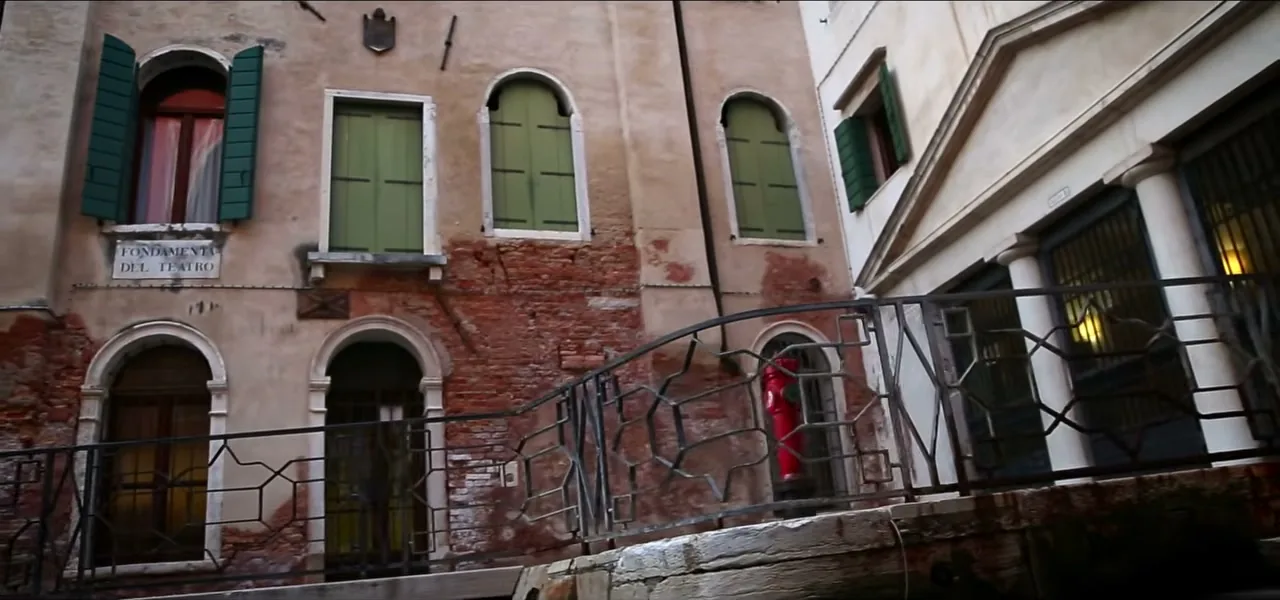
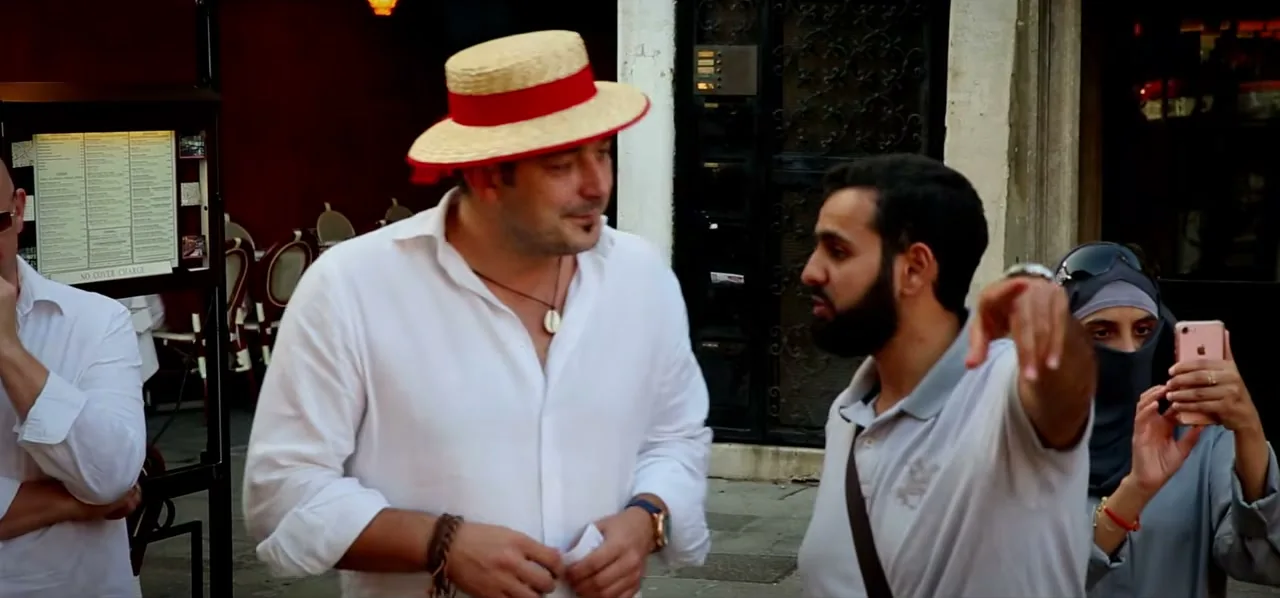
The first thing we did was the classic: a gondola ride. While we waited for ours, I couldn't help myself — dressed in full white linen, I struck up a chat with a passing tourist, played the gondolier trying to sell him a ride, and started "negotiating," throwing in "a free set of knives" if he booked now. He believed every word. It was pure fun, and exactly the spirit of these trips. Then the real gondola carried us through the quiet back canals, past a thousand years of history and even the house of Marco Polo.
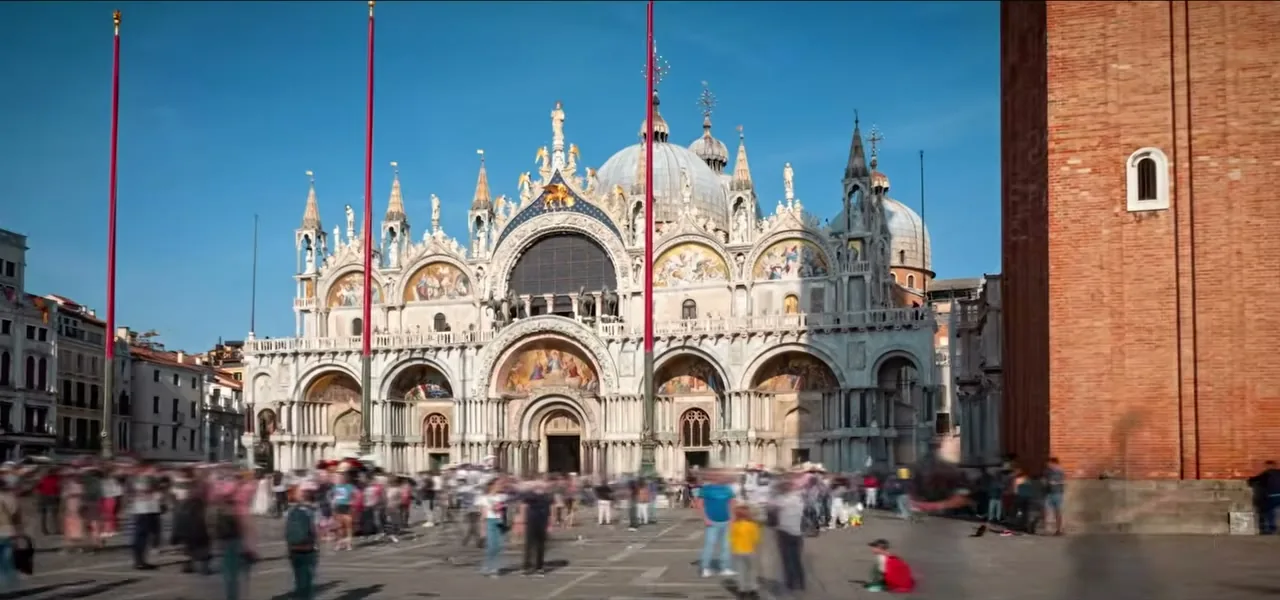
At the heart of it all is Piazza San Marco — St Mark's Square — and its basilica, begun in the 9th century to house the relics of St Mark, one of the most famous landmarks on Earth. We drifted past Palazzo Pisani Moretta, where the final scenes of Casino Royale were filmed. Venice by day is a glorious crush of people; by night it empties and seems to become a ghost city — though behind its closed doors, they say, are some of the most extraordinary private parties in the world, the kind where cameras are politely not allowed.
Venice is also a city living on borrowed time, and everyone there knows it: it is slowly sinking, and the acqua alta floods that fill Piazza San Marco each winter are a reminder of how fragile this thousand-year miracle really is. If you have more time than we did, the lagoon rewards it — the glassblowers of Murano, the rainbow fishermen's houses of Burano, and, if you time it right, the masks and costumes of Carnival. Like the Maldives on the other side of the world, Venice is a place that makes you want to see it now, gratefully, while it's still here.
Climbing the Leaning Tower of Pisa
For the last stop, the one everyone pictures: Pisa. You can't come to Italy and skip it, so we drove down to the Piazza dei Miracoli — the "Square of Miracles" — and there it was, better in person than any of us expected. The Leaning Tower is really the freestanding bell tower of Pisa's cathedral, and it leans for a famous reason: the ground beneath it is soft, and it began tilting during construction back in the 1170s. The lean kept worsening for centuries, reaching about 5.5 degrees by 1990, until a delicate rescue between 1993 and 2001 pulled it back to roughly 3.97 degrees — enough to keep it safe for generations.
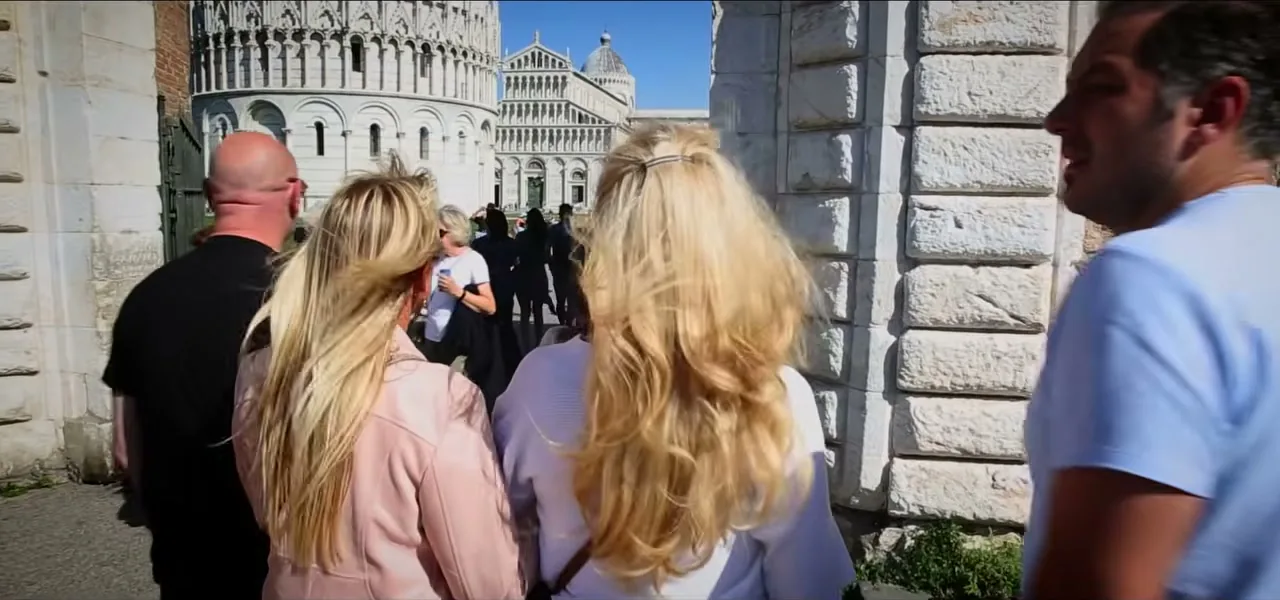
You can climb it, and we did — nearly 300 steps spiralling up seven floors, the tilt playing tricks on your balance the whole way. Outside, the fence-posts along the lawn were lined with people doing the obligatory "holding up the tower" poses for the craziest selfies they could manage. It's touristy, and it's wonderful, and standing at the top looking over the square is worth every step.
By the numbers: This Italian journey by the numbers
- Villa dinner
- a Tuscan estate from 1696
- Balloon flight
- ~2,800 ft, 300,000 cubic feet, 12 people
- Chianti Classico
- ≥80% Sangiovese, sealed by the Black Rooster
- Venice
- ~118 islands, ~400 bridges, zero cars
- Leaning Tower of Pisa
- ~3.97° lean, ~300 steps
- Italy's UNESCO sites
- 61 — most in the world
An Italy Far Bigger Than One Trip
We covered Tuscany, Florence, Venice and Pisa, and that alone is a spectacular trip — but I want to be honest about how much we didn't touch, because it's the best argument for coming back. We never got to Rome, where the Colosseum, the Pantheon and the Roman Forum sit a short walk from the Vatican, St Peter's Basilica and the Sistine Chapel. We skipped Milan, Italy's capital of fashion and design; Naples and the ruins of Pompeii, frozen by Vesuvius in 79 AD; the pastel cliffs of the Amalfi Coast and the five clifftop villages of Cinque Terre; the jagged, unreal peaks of the Dolomites in the north; and the whole island world of Sicily and Sardinia, which feel like countries of their own.
That's the thing about Italy that no single episode — or single visit — can fix. You could return every year for a lifetime and still find a hill town, a fresco, a family trattoria or a stretch of coast you'd never heard of. It's less a destination than an inexhaustible one.
Planning Your Own Italian Adventure
If this makes you want to trace our route, the good news is that Italy is one of the easiest countries in the world to travel. Its high-speed trains connect the major cities in a couple of hours each — Florence to Venice, Florence to Rome — so a classic first trip is to base yourself in Florence for Tuscany (with day trips to Chianti wineries, hill towns and Pisa) and then train north to Venice. Rent a car only for the countryside, where the joy is in the small roads; in the cities, walk.
When to go matters: aim for April to June or September to October, when the weather is kind and the crowds thinner than the July–August peak. A few gentle notes learned the hard way: Italy's most famous sights are busy and sometimes strain under overtourism, so book major museums ahead, be respectful in churches (cover shoulders and knees), and consider spending real time in the less-trafficked regions, where prices drop and the welcome warms. And do learn a few words of Italian — grazie, buongiorno, per favore. A smile and a little effort open doors here that money never will.
Ten Strangers, One Italy
By the time we reached the top of that tower, something had happened that happens on every one of these trips but felt especially strong here: ten strangers had become ten friends, the kind who stay in touch for life. Italy does that. It overwhelms you with beauty until you look at the people beside you and realise the beauty is partly them now, folded into the memory of a villa, a balloon, a canal, a tower.
I've thrown darts across the whole world, and I'll say it plainly: no country gives you more than you came for the way Italy does. History and food and art don't take turns here — they compete for your attention on every single street, and you lose, happily, all day long. One episode was never going to be enough. It never is. So take the advice my friends back home gave me before I ever left — "pack less clothing and more money," they warned, and they were right — and just go. Italy will touch your heart on more facets than you ever knew you had, again and again and again.
Explore More Travel by Dart Journeys
- More of the Mediterranean the dart uncovered: Greece and Crete.
- Another balloon dawn, on the far side of the same sea: Cappadocia.
- The other end of Europe the dart chose: my home country, Romania.
- Ancient history stacked just as deep: Turkey.
Suggested Sources & Further Reading
To go deeper into Italy, these are some of the best authoritative resources:
- Italia.it — Italy's official national tourism site.
- UNESCO — Historic Centre of Florence — the Renaissance city's World Heritage listing.
- UNESCO — Venice and its Lagoon — the city with no streets.
- Encyclopædia Britannica — Italy — history, geography and culture.
- Encyclopædia Britannica — Leaning Tower of Pisa — the tower and why it leans.
All facts verified September 2026.
Italy: traveler questions
Is Dante really buried in Santa Croce in Florence?+
No — and it's a common misconception. Florence's Basilica of Santa Croce holds the real tombs of Michelangelo, Galileo, Machiavelli and the composer Rossini, but the grand monument to Dante Alighieri is a cenotaph: an empty tomb. Dante died in exile and is actually buried in Ravenna, which has never returned his remains to the city that banished him.
Why does the Leaning Tower of Pisa lean?+
The tower — the freestanding bell tower of Pisa's cathedral, in the Piazza dei Miracoli — began tilting during construction in the 1170s because the soft, unstable ground couldn't support its weight. The lean worsened over centuries, reaching about 5.5 degrees by 1990. A major stabilization project between 1993 and 2001 reduced it to roughly 3.97 degrees, where it's expected to stay stable for centuries.
How was Venice built, and how do you get around?+
Venice sits on around 118 small islands in a lagoon, its buildings raised on millions of wooden piles driven into the mud. There are no cars in the historic centre at all — you travel entirely on foot across some 400 bridges, or by boat: water taxis, vaporetto water-buses, and of course gondolas.
What is Chianti Classico and the Black Rooster?+
Chianti Classico is wine from the historic heart of the Chianti region between Florence and Siena, made mostly from the Sangiovese grape (at least 80%). Every genuine bottle carries the Gallo Nero — the Black Rooster — the seal of the producers' consortium that has protected the wine since the 1920s.
What's the best way to see Tuscany, Florence, Venice and Pisa in one trip?+
Italy's high-speed trains make it easy: base yourself in Florence for Tuscany (with day trips to Chianti wineries, hill towns and Pisa), then take a fast train north to Venice. Give each city at least a couple of days — Italy rewards slowing down, and there is far more in every direction than you can ever fit in.