Season 6 · Episode 1
Norway
The Vikings’ world.
On this page ▾
By Sorin Mihailovici · Travel by Dart · Last updated September 2026 · ~17 min read
What if a single throw of a dart could send you to a land of fjords, fire and fierce history? That is exactly what happened. I threw the dart on a beach in Boracay, in the Philippines — about as far from the Arctic as you can get — and it landed in the ocean up near Svalbard. I'd already been to Svalbard, so by the rules of the show the nearest mainland decided it: Norway. From the hot sand of the tropics to the cold, clean air of the fjords in a single throw.
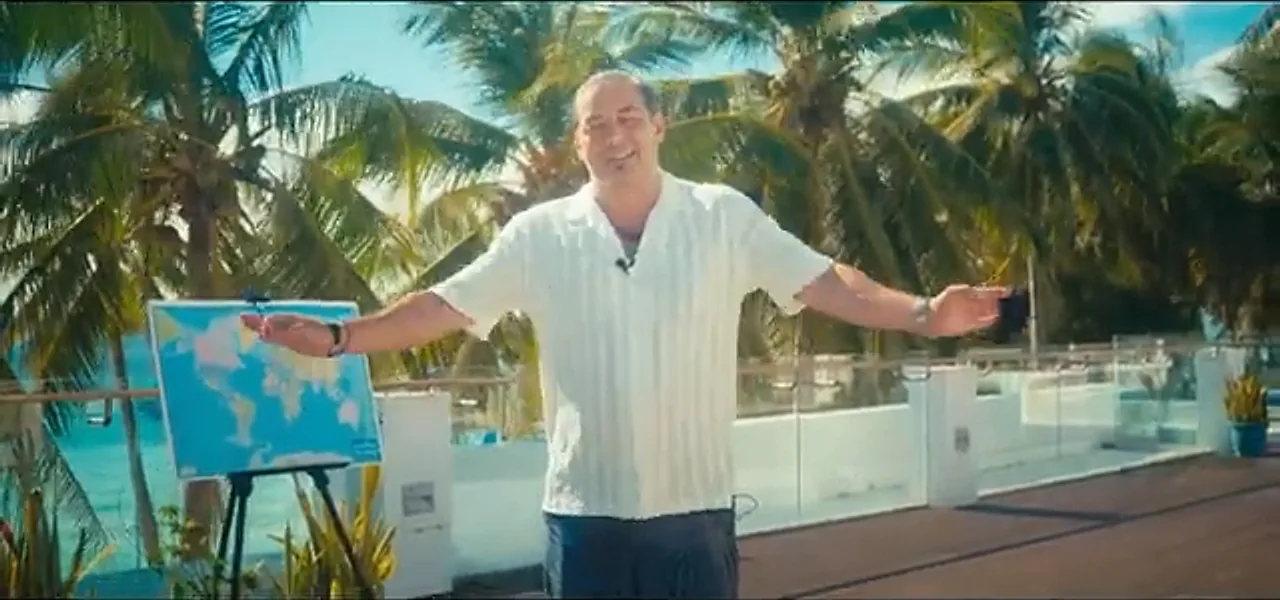
And the timing was almost unbelievable. My friend Siggy — who had been my guide back in Iceland — called me out of the blue and asked if I'd ever thought of coming to Norway, because this year, she said, something magical was about to happen: the largest Viking ship ever discovered was going to be launched on the water, and I'd better be there. I told her I'd just thrown a dart and hit Norway. Some things are too perfectly timed to argue with.
Quick facts: Norway at a glance
- Capital
- Oslo (formerly Christiania)
- Known for
- Fjords, Vikings, nature, oil wealth
- Languages
- Norwegian (Bokmål & Nynorsk)
- Currency
- Norwegian krone
- Largest glacier
- Jostedalsbreen (biggest in mainland Europe)
- Nobel Peace Prize
- Awarded in Oslo each year
- This trip
- Nordfjordeid, the fjords & Oslo
- The dart came from
- Philippines
This trip grew into two films: Part 1 is the week-long Viking event at Sagastad; Part 2 goes deeper into the fjord country and the capital, Oslo, to see how Norwegians actually live. Both are embedded here.
▶ Norway, Part 2 — How People Really Live
Oslo, brown cheese, an opera in a barn, deep-fjord fishing and a cliffside via ferrata
The Largest Viking Ship Ever Found
I flew into Nordfjordeid, a town of about 3,000 people in western Norway, and the whole place was buzzing. The reason is the Myklebust ship — the largest Viking ship ever discovered. The original was found in a burial mound here in the 1870s by a young archaeologist from Bergen, Anders Lorange. The wooden ship itself had long since rotted into the earth, but Lorange found about 3,000 iron rivets — the nails that held the planks — and 48 shield bosses, the iron centres of the warriors' shields. From the spacing of the rivets and the number of shields, archaeologists worked out the ship's size like a puzzle: roughly 30 metres long and six metres wide. Alongside it were weapons, gold, silver and animal remains — the grave of a king, cremated with his ship after being killed in battle.
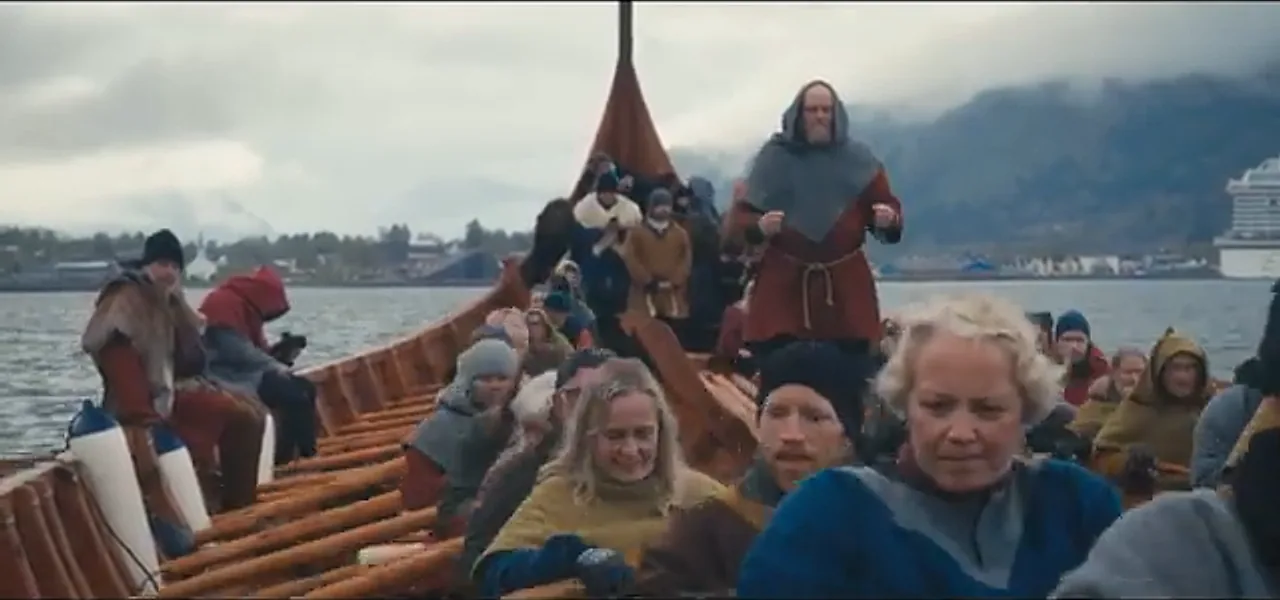
At the Sagastad Viking Center, a full-size, fully seaworthy reconstruction has been built, and the mastermind behind the event, Jacob, gave me a midnight sneak peek before the official launch. For most of the year the ship simply sits in the museum, but for one week a year it is put on the water and used — rowed out onto the fjord exactly as the Vikings would have. Around 300 volunteers, mostly locals, make it happen, with Viking fans flying in from all over the world to row, to sing, to reenact.
You go on an adventure, you travel the world, and you're basically fearless — it embodies the Viking spirit.
A Strongman, a Blessing, and the First Voyage
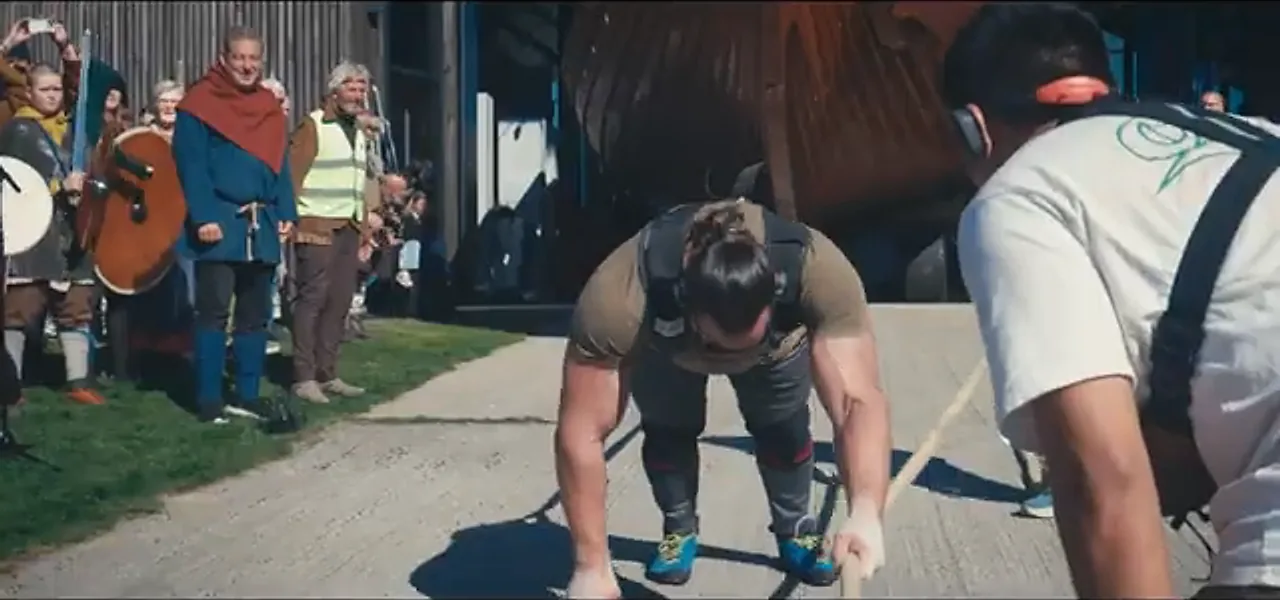
The launch began with pure spectacle: Martins Licis, a former World's Strongest Man, was invited to drag the 16-tonne ship out of its barn by hand. He'd flown over 30 hours from Burkina Faso and arrived exhausted, and for a tense while nobody was sure he could do it — the crowd and the cameras all waiting, the announcer ready to have everyone push. But with the Vikings drumming and throat-singing around him, Martins hauled it, step by agonising step, out of the barn. It was a demonstration of strength I had never seen before.
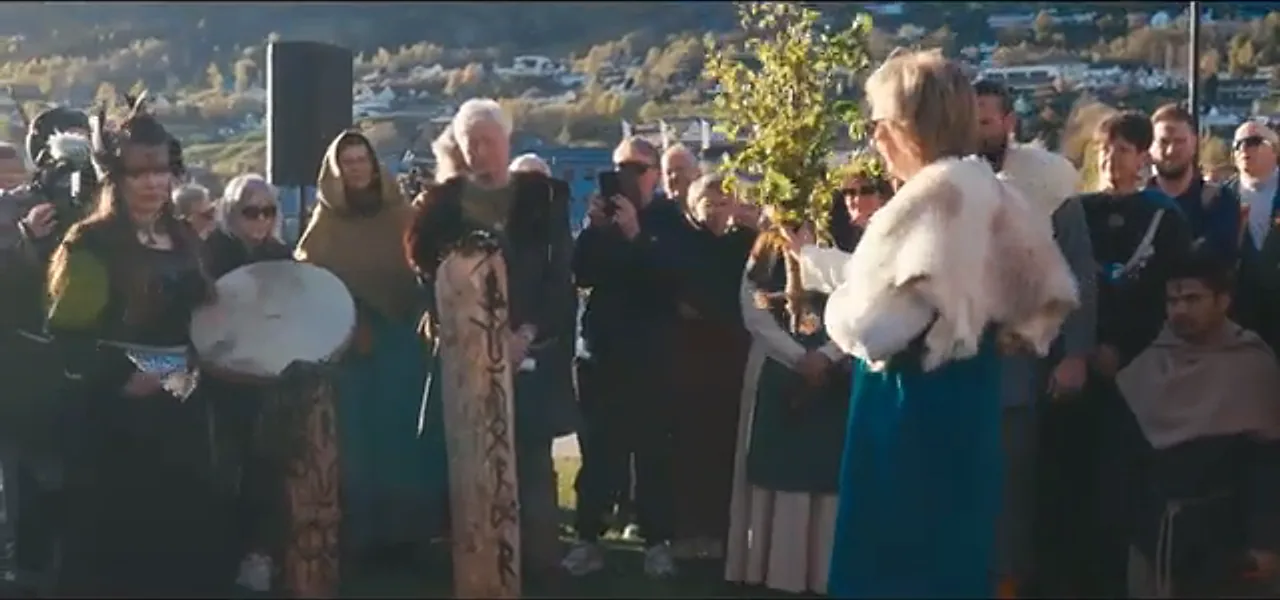
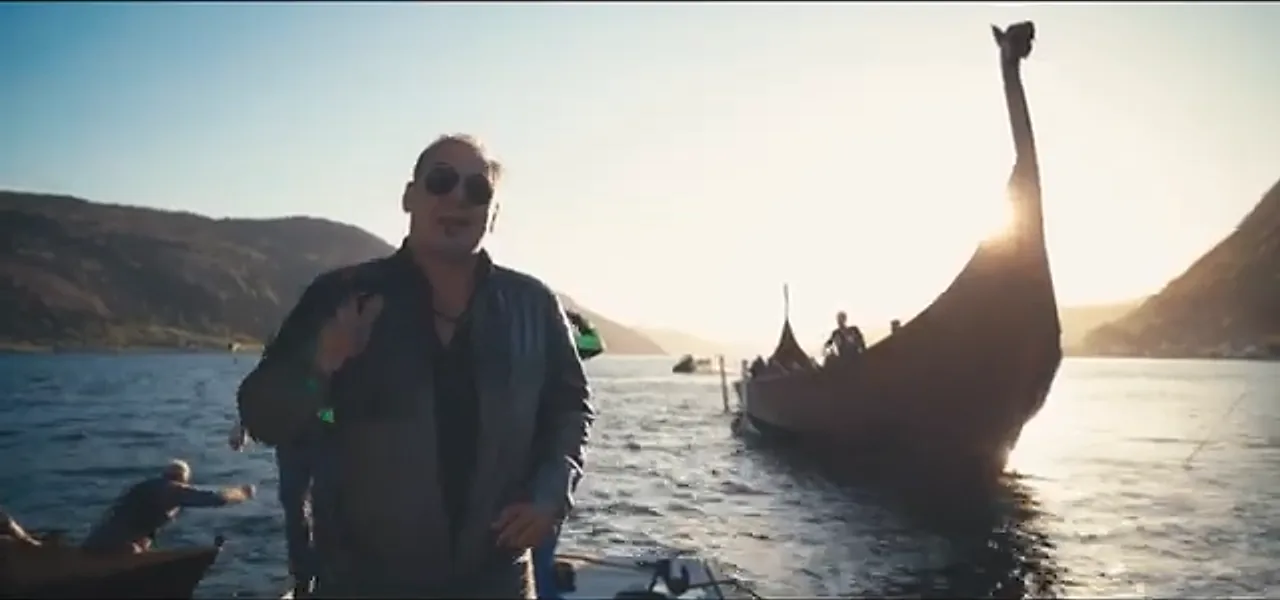
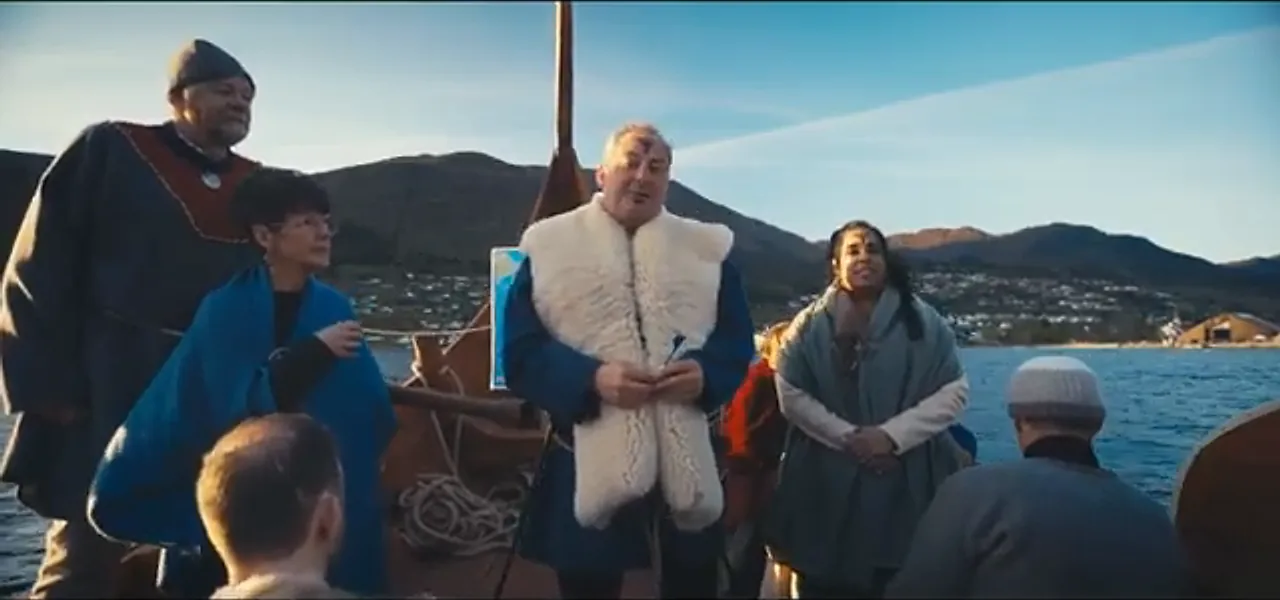
Before the ship could touch the water, there was a ceremony: the Blot, an old Norse blessing. Led by Siggy and Iris, two Icelandic shield maidens, the community gathered in a sacred circle to ask the gods and the spirits of the land for protection over the ship and its rowers. Norway is a Christian country now, and most people don't connect with the old pagan ways day to day — but I was struck by how many elders came, eager to reconnect with their Viking heritage. Even Norway's Minister of Culture, Lubna Jaffery, was there to join the first voyage and bless the ship with her presence. With the oars raised and a perfect sunset over the fjord, it felt genuinely regal.
Then we rowed. Being on that first voyage — the salt spray, the creak of the wood, a captain calling the rhythm, dozens of oars pulling together — is as close to time travel as I've come.
Mead, E-Foiling and an Olympic Challenge
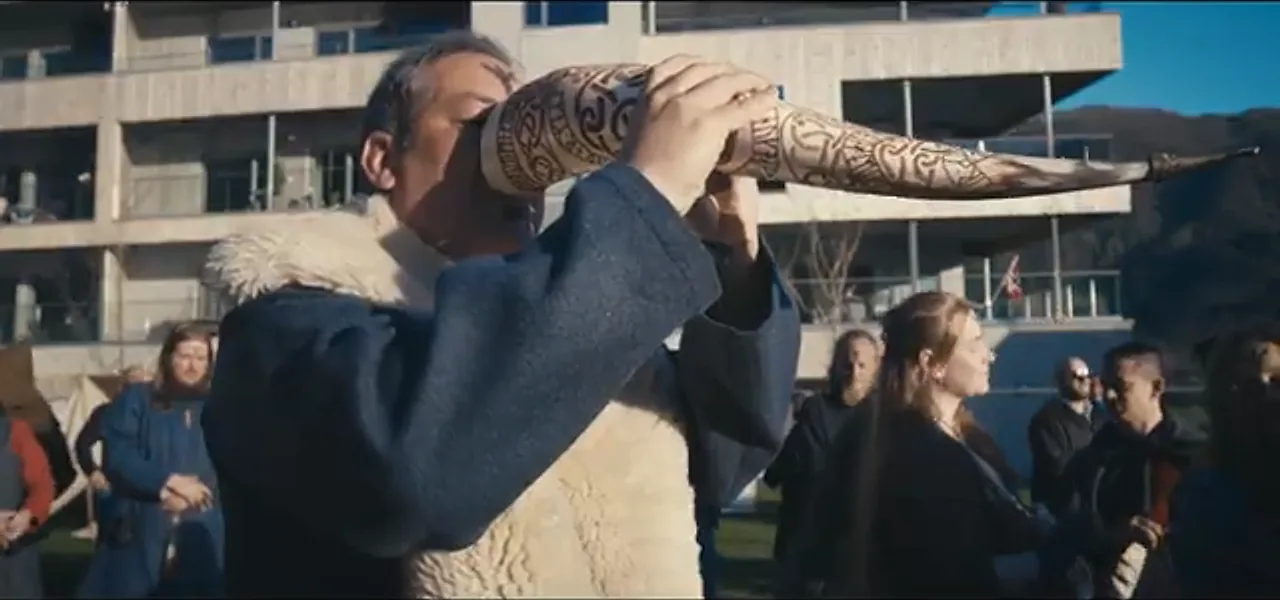
A Viking week is not all solemn ceremony. We were invited by Leif, a gracious art-loving gentleman, to a grand old mansion once used by the authorities who governed this district a couple of centuries ago — all period rooms and portraits that genuinely make you feel you've stepped back in time. And there I met Tom — "Mr Viking" — who makes his own mead, the honey wine the Norse considered sacred, the drink of the gods. Mead is often called the oldest wine in the world, made simply by fermenting honey with water, sometimes with fruit or spices; Tom's had aged two years in a barrel, caramel-sweet and strong. You drink it from a horn, and you don't shoot it — though, being me, I shot it anyway.
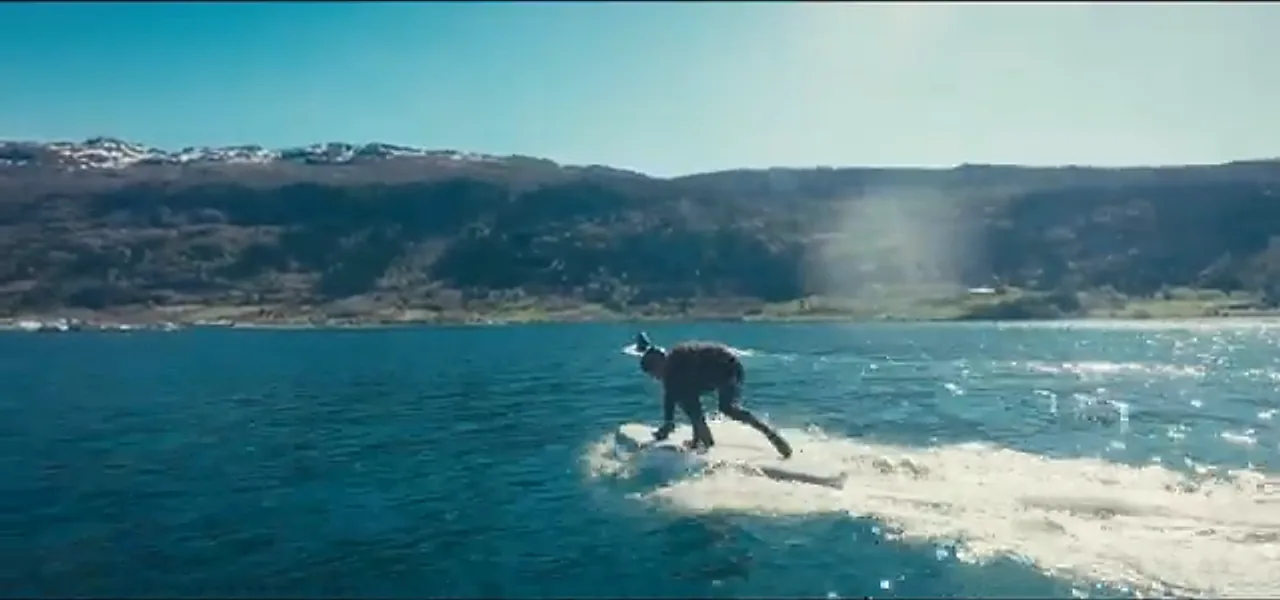
The event's logistics mastermind, Thomas of Nordfjord Aktiv, is an extreme-sports fanatic — he can hold his breath for seven minutes and jumps off mountains in a wingsuit. He got me into e-foiling: riding an electric hydrofoil board that, once you're up to speed, lifts clear of the water and seems to fly. It looks like something out of a sci-fi film, and it is harder than it looks. I spent four hours in the freezing fjord over three sessions — even got spooked by killer whales spotted offshore — and my grand achievement was standing up for about three seconds. I'll take it.
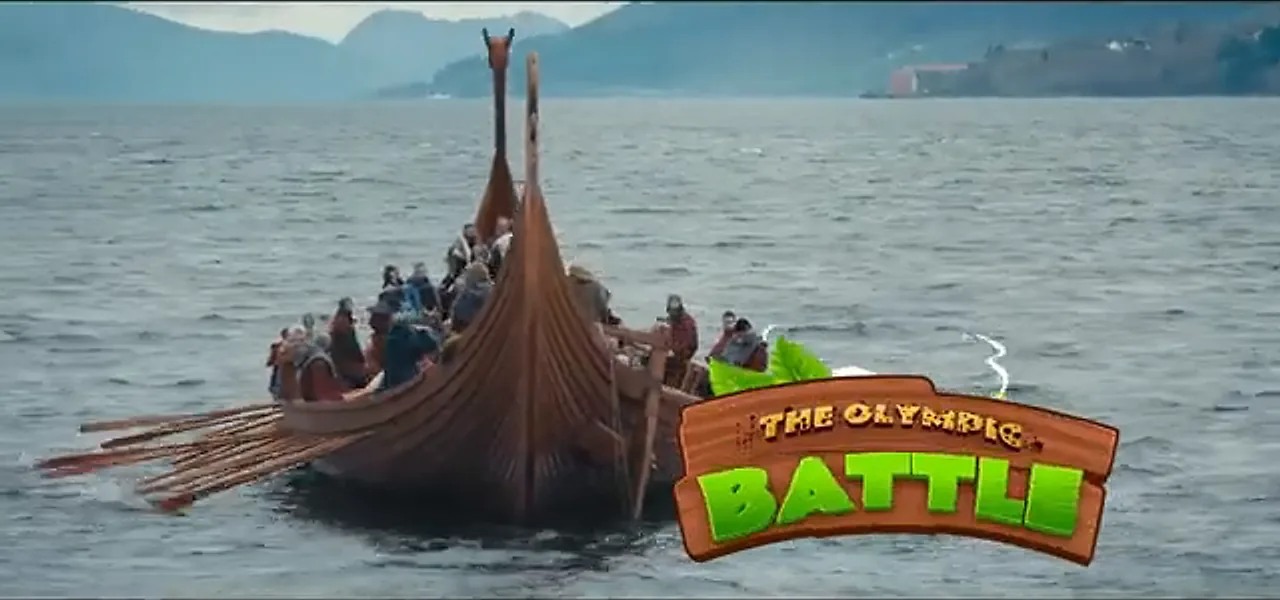
The week's highlight competition was the Olympic Challenge: Norway versus Great Britain, racing the two smaller Viking longboats. The Brits brought real Olympic rowers, including Oliver Cook, and they were simply better — more synchronised, better technique, a slightly lighter boat — and they beat the Norwegians by about two boat-lengths. Everyone hugged it out afterwards at the pub. The next day the two teams joined forces on the big Myklebust to chase the Viking-ship rowing speed record; we didn't break the overall mark, but we hit four knots — a new record for that specific ship.
By the numbers: Norway, by the numbers
- Myklebust ship
- ~30 m long · 16 tonnes · largest ever found
- Original ship excavated
- 1870s, by Anders Lorange
- Nordfjordeid
- ~3,000 people · ~300 volunteers
- New rowing record (this ship)
- 4 knots
- Via ferrata bridge
- 120 m long
- Via ferrata ladder
- 120 steps at ~45°
- Oslo named 'Christiania'
- ~1624–1925
- Nobel Peace Prize
- Awarded in Oslo, not Stockholm
The Cruise Ship Raid, and the Heart of the Trip
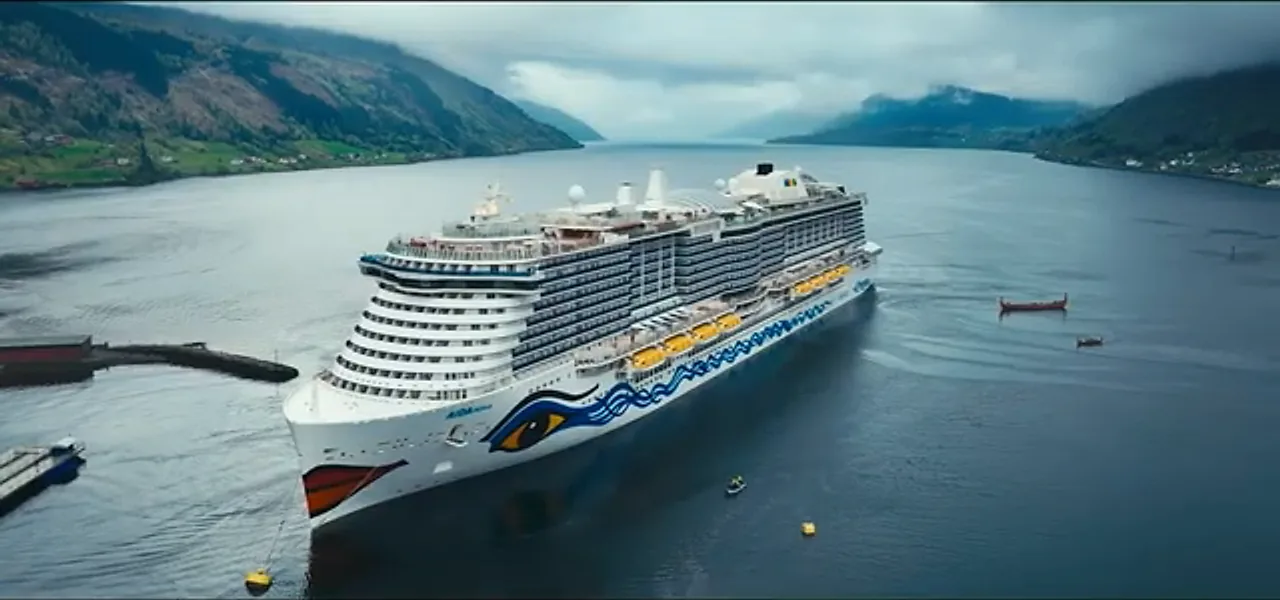
Towards the end of the week, something enormous came up the fjord: one of the world's biggest cruise ships — 337 metres long, 1,400 crew from 42 nations and around 6,000 guests, mostly German. That single ship carried the population of two Nordfjordeids. So, at 6am, bleary and without breakfast, we rowed the Viking longboats out to meet it, and gave those bewildered cruise passengers the greeting of a lifetime: a boatload of chanting, cheering Vikings demanding their coffee and bread. It was gloriously absurd.
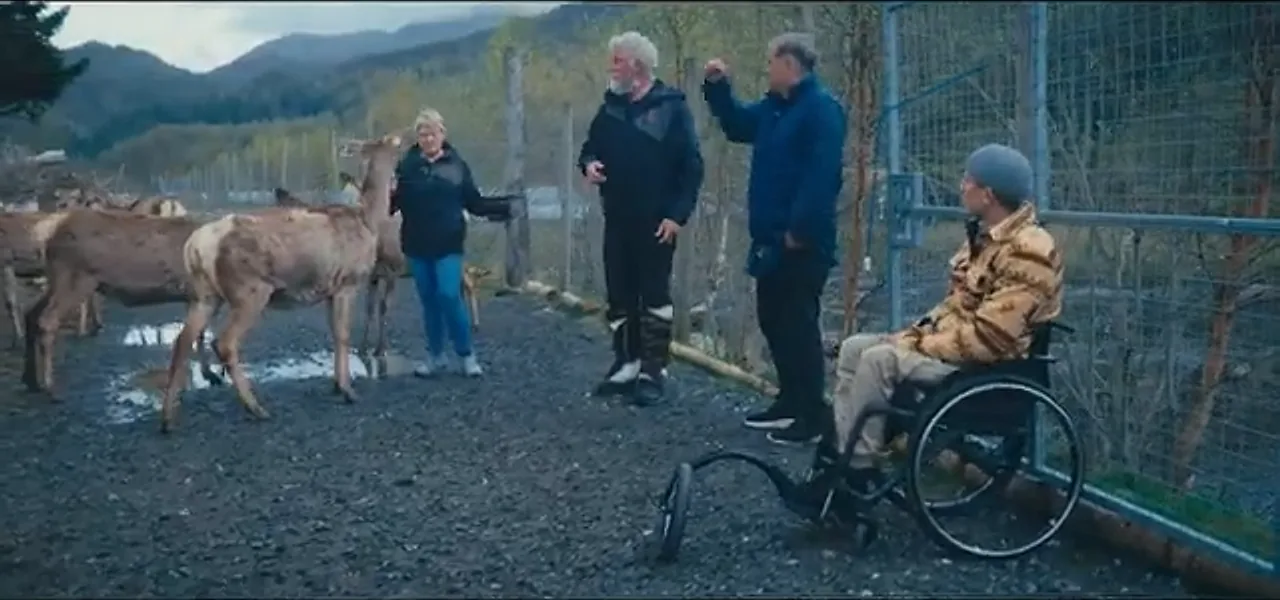
But the person who stayed with me most wasn't a strongman or a Viking. It was GK, a Norwegian former fighter who had been on track for the UFC when, four years ago, a dive into shallow water on a hot summer day left him paralysed. He told me, with total honesty, how dark the first period was — how as a four-year-old he'd once said he'd rather die than live paralysed, and then had to live exactly that. What pulled him back was his son, his family, and a fierce curiosity about life. Now he champions "adaptive tourism" — finding a way for people in wheelchairs to do the same adventures as everyone else, climbing included. He spent the week at Sagastad doing everything, and we went off together to a little farm to meet the animals and throw some axes.
The Viking week ended the way every chapter does — with a dart. But this time I threw it on the deck of the Myklebust itself, with three special guests throwing too: the Minister of Culture, the World's Strongest Man, and Espen the "Pilot Viking." The darts landed far and wide, and sent me onward to Yemen, Iraq and Argentina — three new adventures at once.
Oslo, and How Norwegians Really Live
Norway is far more than Vikings, so in Part 2 I set out to understand not what the country looks like but what it feels like to live in — starting in the capital, Oslo. It's a fascinating city: Europe's capital of electric cars, one of the continent's most ethnically diverse cities, and one of its greenest, ringed by some 300 lakes. For three centuries it wasn't even called Oslo — after a fire, King Christian IV rebuilt it and named it Christiania, a name it kept from the 1600s until it reclaimed "Oslo" in 1925. And unlike the other Nobel Prizes, handed out in Stockholm, the Nobel Peace Prize is awarded right here in Oslo every year.
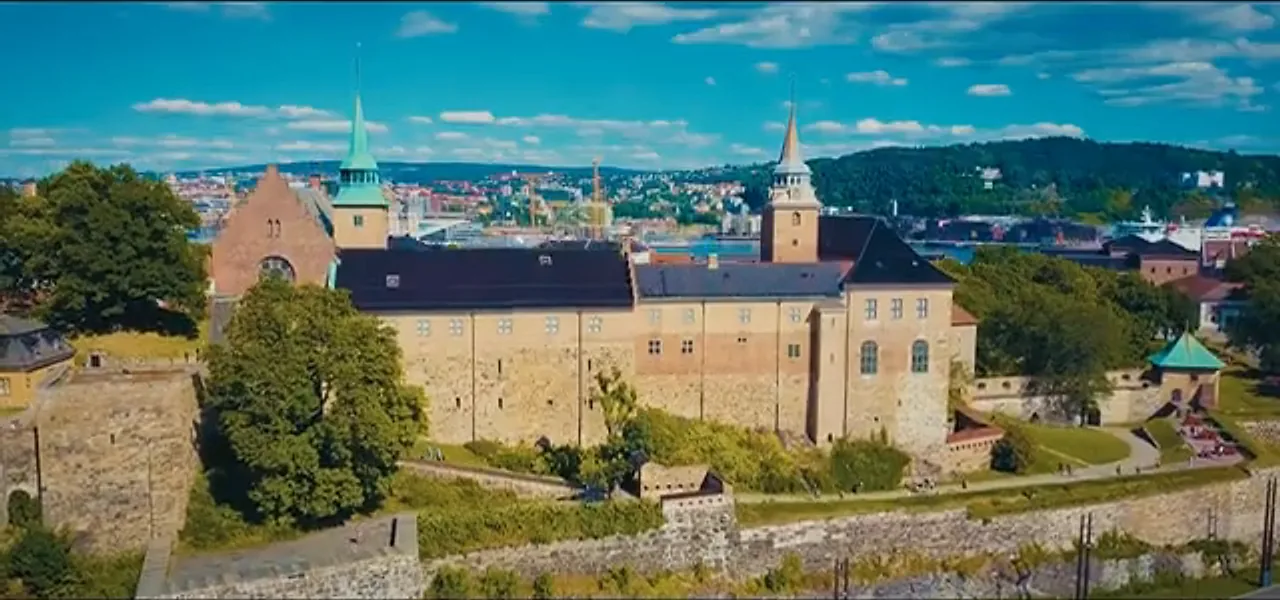
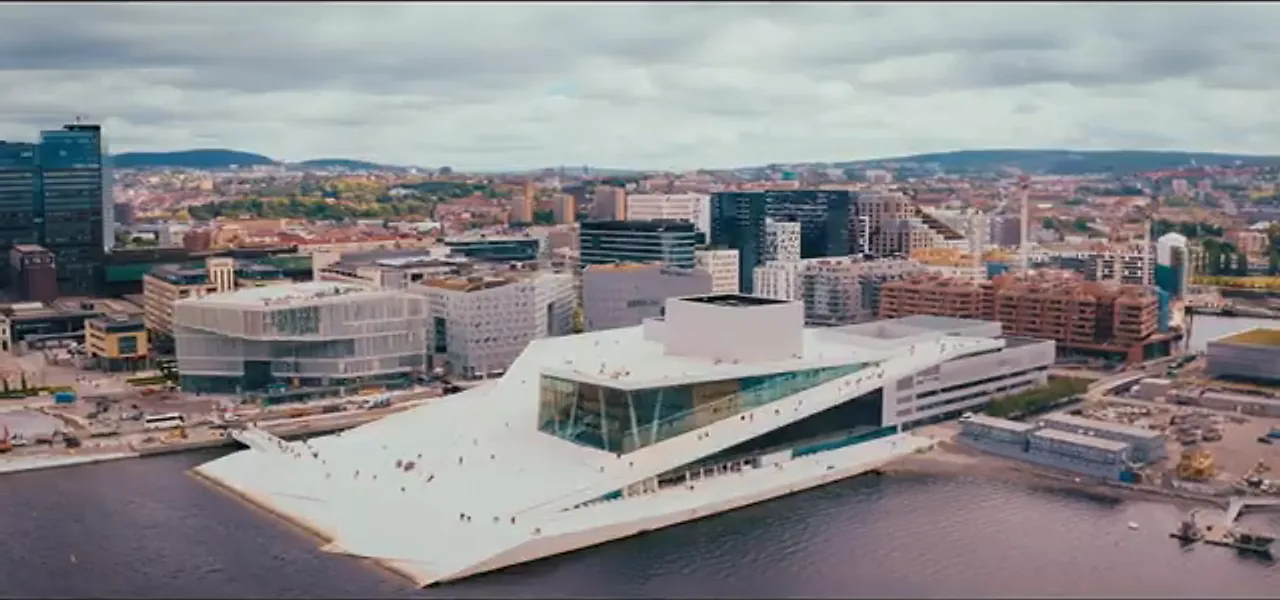
The city's nickname is Tigerstaden, "the Tiger City," from an 1870 poem imagining a fight between a horse and a tiger — and you'll find a bronze tiger prowling outside the central station. The Royal Palace, begun in 1825, still houses the royal family — King Harald V and Queen Sonja actually live there — and sits at the top of the main boulevard, open parkland rather than walled off, which tells you something about how Norway sees its monarchy. But the building everyone photographs is the Opera House, which rises out of the waterfront like a glacier you can actually walk up: you climb the sloping white marble roof right to the top for the view over the fjord.
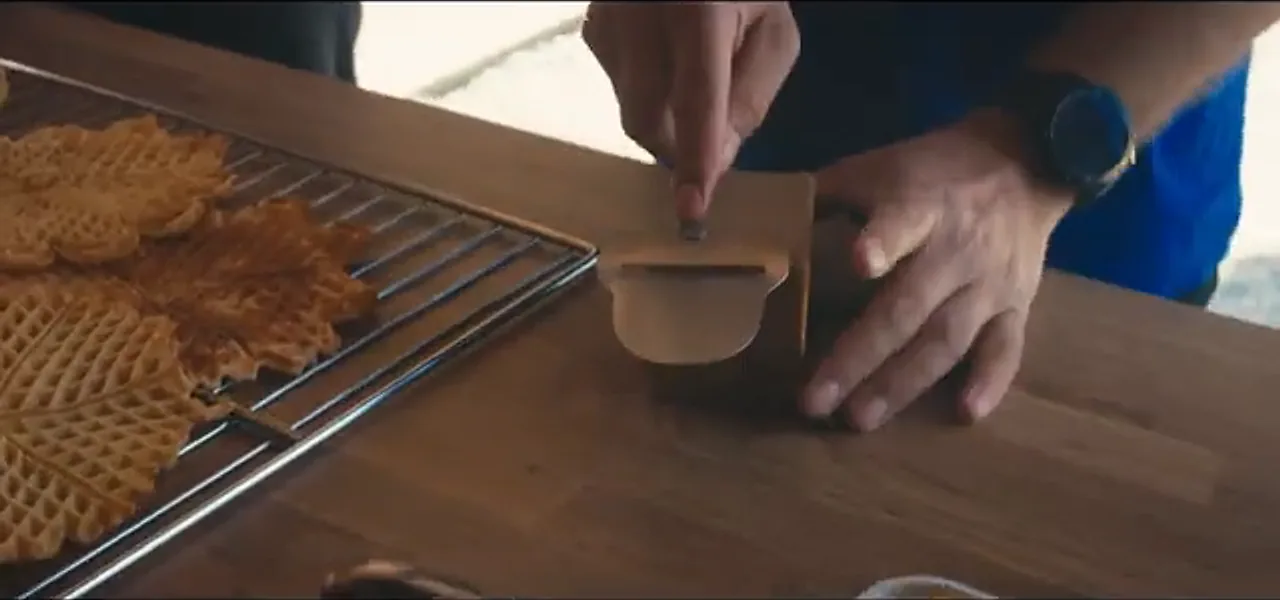
Out in the fjord country, the real lesson was this: everything Norwegians do is tied to nature. They surf in freezing water, farm fruit on steep hillsides, make cheese, and increasingly open their farms to visitors — the "tiny house" farm stay is a national institution. On a goat farm in the village of Kandal (where seemingly everyone shares the surname Kandal), I met a farmer who herds his goats with a smartphone app — a gentle beep in the animals' collars steers them in the right direction. And his family makes brunost, the famous Norwegian brown cheese: goat's milk boiled down for hours until it caramelises, cream folded in at the end, sweet and dense as fudge. Served warm on a waffle, it's genuinely one of the most surprising things I've eaten.
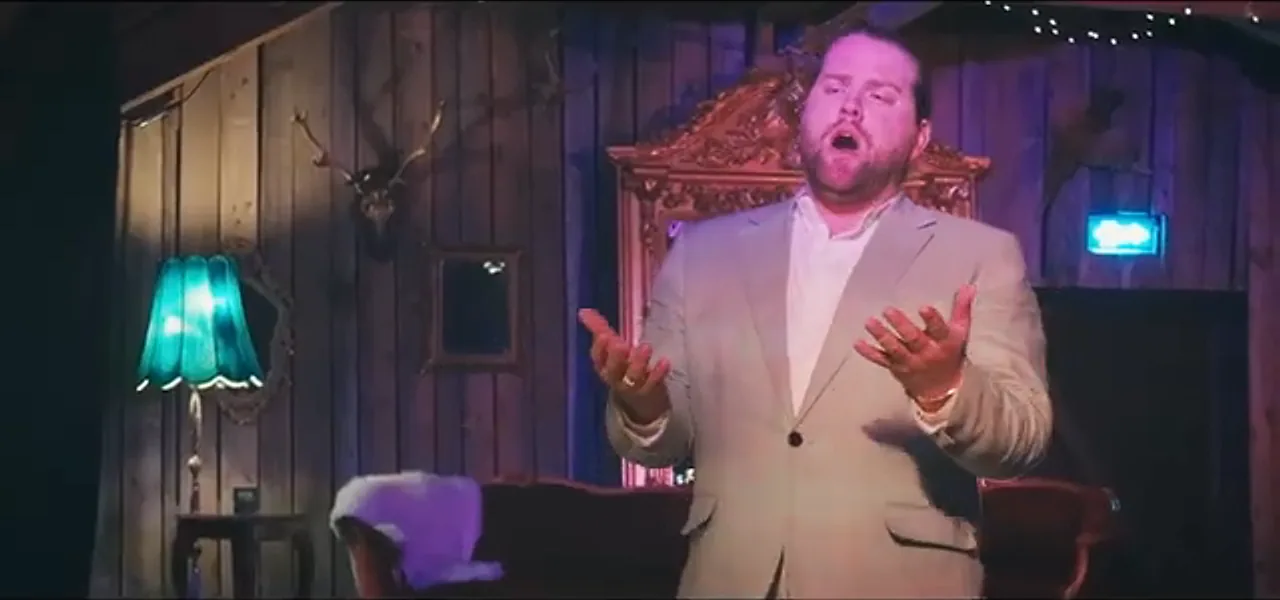
Then came the biggest surprise of the whole trip. Pulling up to a farm in the middle of nowhere, I found people dressed for a gala — because inside a former goat barn is a full Rococo opera house and concert hall, complete with chandeliers, mirrors, opera sets and a resident singer who performs for major events and celebrities. An opera, inside a barn, in the Norwegian countryside. You cannot make it up.
Waterfalls, Fishing and Facing My Fear
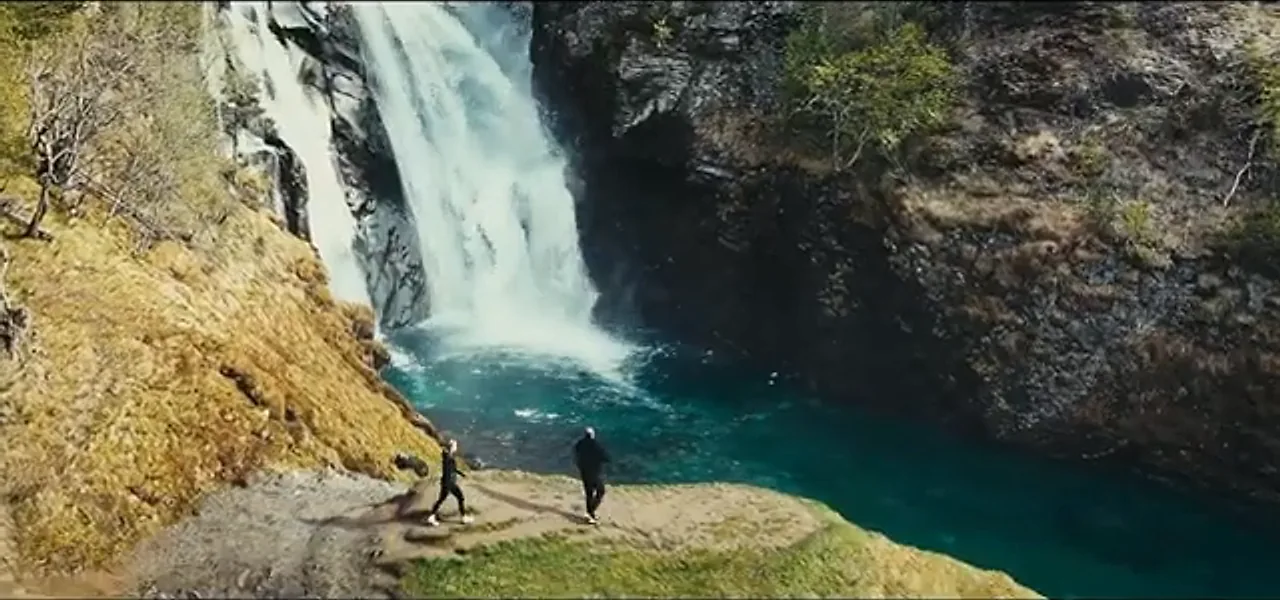
The Nordfjord region sits between Jostedalsbreen — the largest glacier in mainland Europe — and the wild Atlantic coast, which means waterfalls everywhere. The Glomnesfossen is a stunner, turquoise in spring and deep blue by summer, and in classic Norwegian fashion its power is harnessed to make the village's electricity. A roughly hour-long hike up to the old Segestad mountain farm felt like stepping into my grandmother's house: the original timber building, with the animals once kept downstairs and the hay in the barn above, is preserved exactly as it was and opened to anyone who wants to see it — kept intact so younger generations don't forget how people here actually lived. That instinct to protect the old ways runs through everything in Nordfjord. The farmers I met don't just grow apples, plums and berries; they add saunas by the fjord, rent out boats and cabins, and open their land to visitors, stitching together a living from the same nature their families have worked for generations. Even their downtime is outdoors: one goat-farming family told me they swim in their own waterfall every single Sunday — the whole family, all year round, whether it's July or the dead of January. In a country this wealthy, that stubborn, unpretentious closeness to the land is the thing that genuinely sets Norwegians apart.
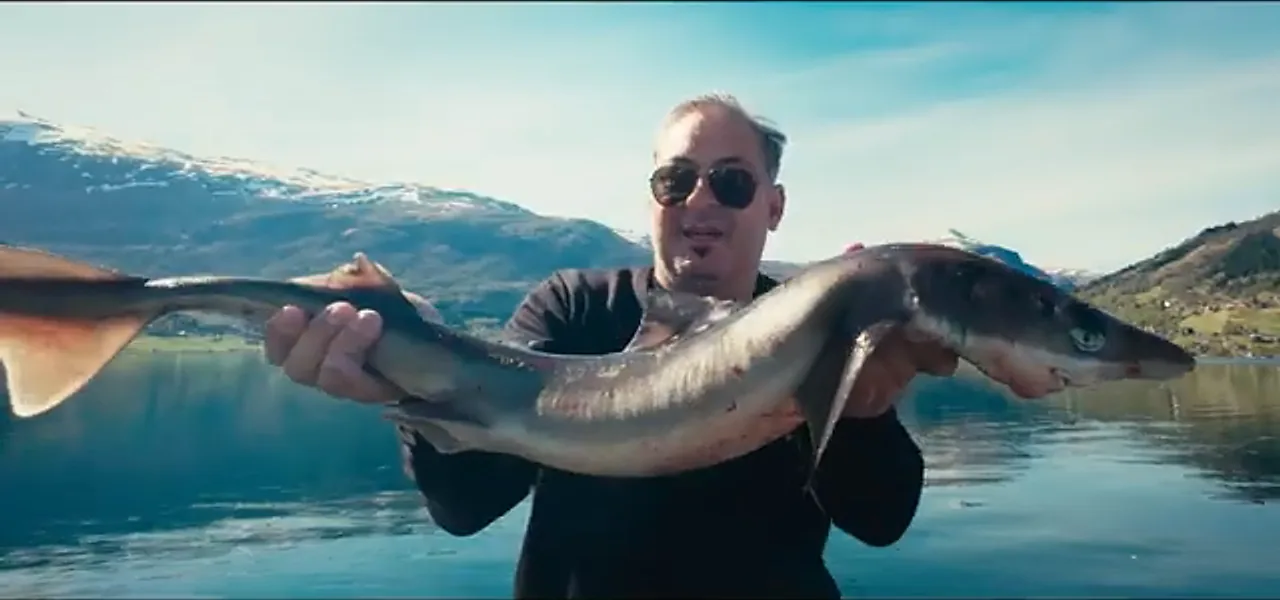
In the tiny village of Davik — population 250, revived by a man named John who took over its failing restaurant and brought the place back to life — I went deep-fjord fishing. Five minutes out, the water drops to 400 or 500 metres, and from those depths we hauled up cod, ling and small "pig sharks," one after another. Here's a detail I didn't know: the big fish come up so fast that the pressure change makes their insides blow out through the mouth — dramatic, a little grim, and utterly fascinating.
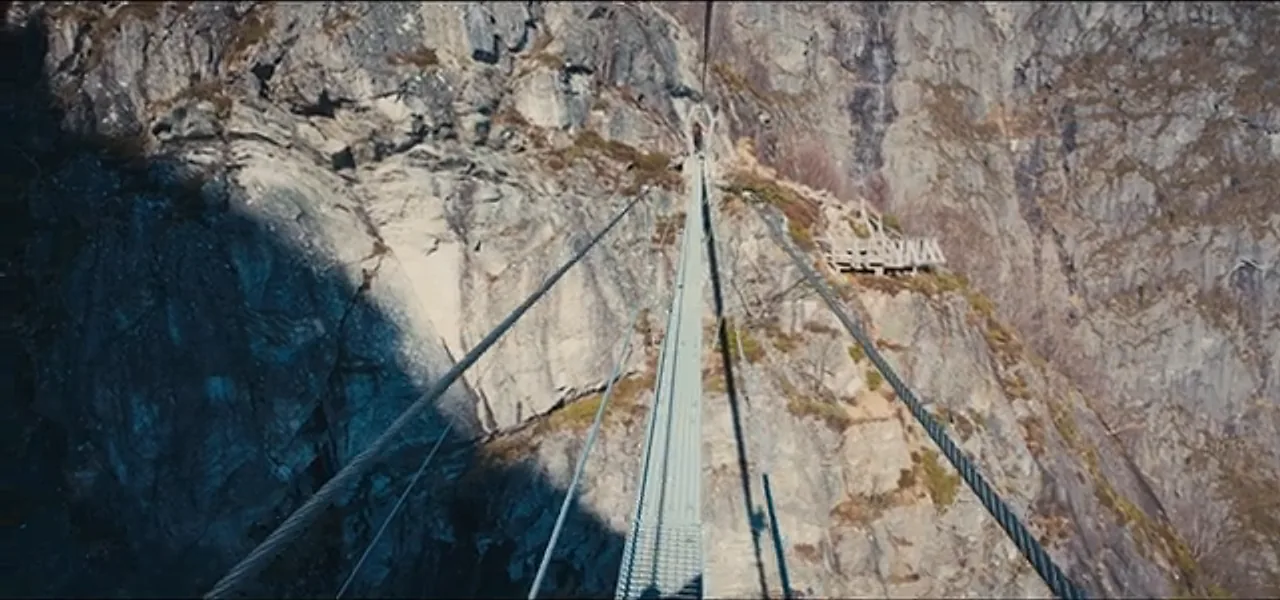
And then I faced a real fear. Norway is one of the best places on Earth for via ferrata — the "iron path," a climbing route of fixed cables, rungs and bridges first developed in the mountains during the First World War. The crux of this one is a 120-metre suspended bridge across a gorge, followed by a 120-step ladder bolted to the cliff at 45 degrees, both of them swinging in the wind. My legs were shaking. The rule, I was told, is simple: do not look down. I hooked my clip to the cable overhead, held the sides, kept my eyes up, and walked — nervous to the middle, calmer on the far side — until I rang the bell at the end. No guts, no glory.
What Norway Left Me With
I came to Norway for a Viking ship and left with something much larger. Yes, I launched the biggest longship ever found, rowed it at sunset, drank mead from a horn and greeted a cruise liner like a raider. But the things that stayed were quieter: a farmer herding goats by phone, a sweet cheese on a waffle, an opera hidden in a barn, a village brought back to life by one stubborn optimist, and a man in a wheelchair who refused to let his worst day be his last word. Norway runs on nature, on community, and on a kind of unflashy resilience that is deeply Viking in the best sense. For all its wealth and its reputation for high prices, what makes it unforgettable is free: the fjords, the people, and the feeling that the old world and the new one still row in the same boat. It was the perfect place to open a new season.
Watch both parts of the Norway story above. If you're following the journey in order, this one picks up from the beaches of the Philippines — and from the deck of a Viking ship, three darts carried me onward at once, to Iraq, Yemen and back to Argentina.
Explore More Travel by Dart Journeys
- Back one dart to the Philippines, the throw that sent me here.
- This time one ceremony chose three countries — see Iraq, Yemen and Argentina.
- The Viking cousin across the sea, where my guide Siggy first showed me the north: Iceland.
- More of the far north the dart uncovered: my Finland journey into Lapland.
Suggested Sources & Further Reading
To go deeper into Norway, these are some of the best authoritative resources:
- Visit Norway — the country's official tourism site.
- Sagastad Viking Center — home of the reconstructed Myklebust ship.
- UNESCO — West Norwegian Fjords — the World Heritage fjord landscape.
- Encyclopædia Britannica — Norway — history, geography and culture.
- Encyclopædia Britannica — Vikings — the seafarers behind the legend.
- The Nobel Peace Prize — awarded in Oslo each year.
All facts verified September 2026.
Norway: traveler questions
What is the Myklebust ship?+
The Myklebust ship is the largest Viking ship ever discovered — about 30 metres long — found in a burial mound at Nordfjordeid in western Norway in the 1870s, where a king had been cremated with his vessel. The ship itself had rotted away, but archaeologists reconstructed its size from roughly 3,000 iron rivets and 48 shield bosses left in the grave. A full-size, seaworthy reconstruction now lives at the Sagastad Viking Center, and once a year it's launched onto the fjord and rowed, exactly as the Vikings would have.
Is Norway expensive to visit?+
Yes — Norway is one of the most expensive countries in the world, with high prices for food, alcohol and accommodation. The way to do it well is to lean into what's free or cheap and world-class: the fjords, the hiking, the waterfalls and the nature. Farm stays and 'tiny houses' are a popular, more affordable way to sleep, and self-catering saves a fortune over restaurants.
When is the best time to visit Norway?+
Late spring to early autumn (roughly May to September) is best for the fjords, hiking and the long daylight — I visited in spring, when the countryside was green and the waterfalls were at full force. Summer brings the midnight sun in the north; winter brings the Northern Lights and skiing, but short, cold days. The western fjord region, where I spent most of this trip, is beautiful whenever the weather cooperates — which is its own gamble.
What is brown cheese (brunost)?+
Brunost is one of Norway's most famous foods: a sweet, caramel-coloured 'cheese' made by slowly boiling down whey (here, goat's milk) until the natural sugars caramelise, then adding cream. It's dense, fudgy and tastes more like candy than cheese, and it's traditionally eaten in thin slices on bread or warm waffles. It's genuinely unlike anything else — and surprisingly delicious.
What is a via ferrata?+
A via ferrata ('iron path' in Italian) is a protected climbing route up a cliff, using a fixed steel cable you clip into, plus iron rungs, ladders and suspended bridges. The concept dates back to mountain routes built during the First World War. You get the thrill of serious exposure with the security of always being clipped to the mountain — and Norway, with its sheer fjord walls, is one of the best places on Earth to try it.