Season 7 · Episode 1
Cape Verde
A nation born in chains that somehow chose joy — music, football and ten Atlantic islands.
On this page ▾
By Sorin Mihailovici · Travel by Dart · Last updated November 2026 · ~22 min read
I didn't choose Cape Verde. Cape Verde chose me. This throw wasn't even mine — the dart was flung, blindfolded, by a man dressed as Santa Claus up in the Arctic Circle, and when the point came down it landed in the empty blue of the mid-Atlantic, on a scatter of islands I could barely have found on a map. I didn't come here for beaches. I didn't come here for paradise. I came because that's the deal I made with the dart, and this is where it took me — and it turned out to be one of the richest places it has ever sent me.
I didn't come here for beaches. I didn't come here for paradise. I came because the dart landed, and this is where it took me.
So what, exactly, is Cape Verde? It's a country of ten volcanic islands marooned in the Atlantic about 500 kilometres off Senegal, split into the northern Barlavento group and the southern Sotavento group, with only around 525,000 people in total. It's part of Africa, but it isn't quite Africa; the people are a deep mix of West African, Portuguese and Brazilian roots, and the whole place is its own thing. The first myth to drop is the name itself: "Cabo Verde" means green cape, but this is a tropical-dry country — volcanic, windblown, often the colour of rust and gold rather than jungle green.
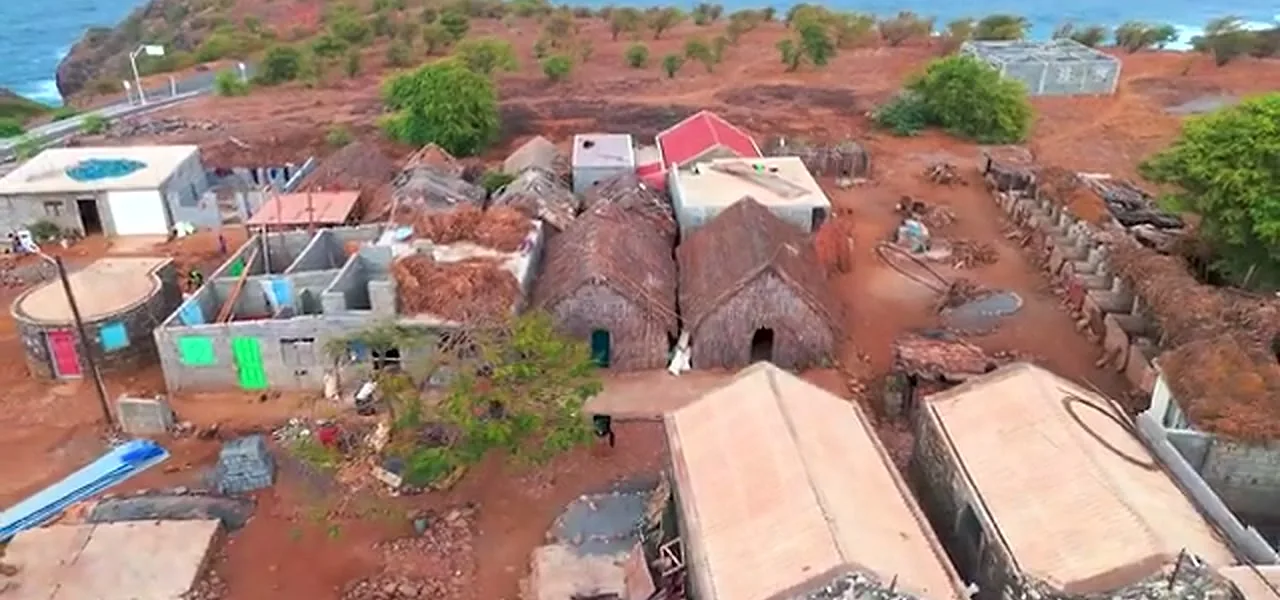
Quick facts: Cape Verde at a glance
- This trip
- Santiago, São Vicente & Sal
- Where
- Mid-Atlantic, ~500 km off Senegal
- Islands
- 10 volcanic islands (9 inhabited)
- Population
- ~525,000
- Capital
- Praia, on Santiago
- Languages
- Portuguese & Kriolu (Creole)
- Famous for
- Morna, Cesária Évora, the World Cup
- The dart came from
- The Arctic Circle
Santiago: Where the Country Began
To make sense of any of it, I teamed up with Benoit — a Belgian who came to Cape Verde by chance 25 years ago, married, raised a family, and never left — and his team at Atlantur. He framed the whole trip with a single idea that I kept returning to: that this is a country you don't analyse, you feel.
Cabo Verde is a country you have to feel. And when you fall in love with Cabo Verde, you cannot go anywhere anymore.
Everything starts on Santiago, the largest island — about 991 square kilometres of volcanic mountain — and specifically in Cidade Velha, the "old city." In 1460 the Portuguese navigators arrived and chose Santiago to settle; the town they raised here was the first European settlement in the tropics, a brand-new kind of place built on trade, power, and people who had no choice. Its position between Africa, Europe and the Americas made it a crossroads — and, brutally, one of the first great hubs of the Atlantic slave trade.
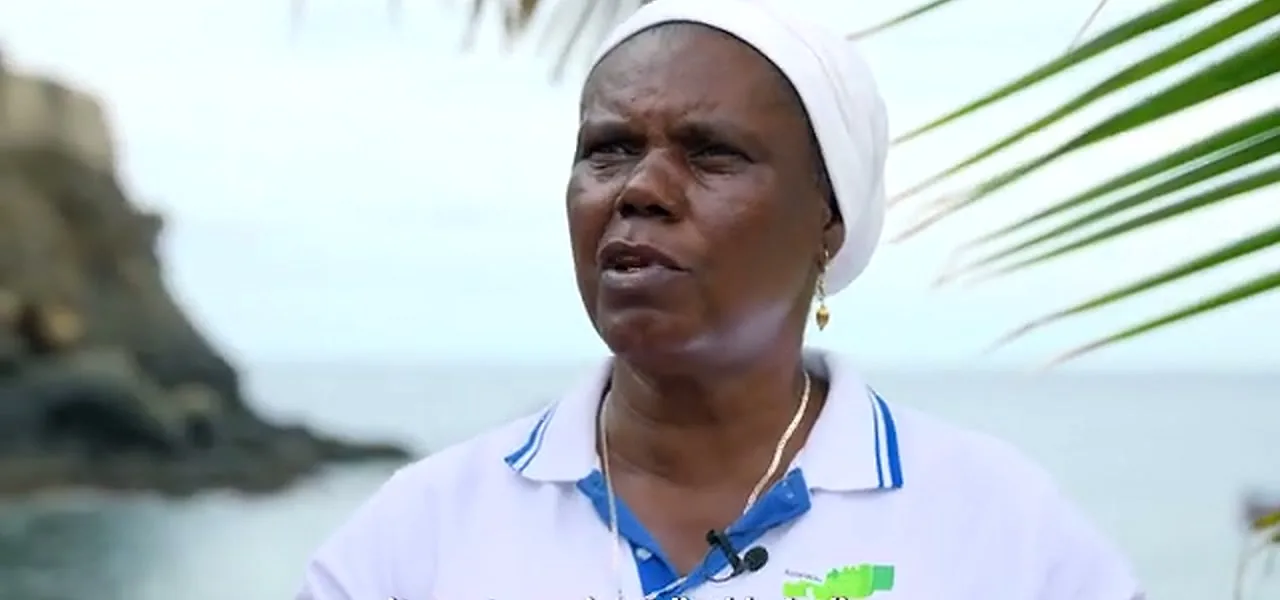
Some of that history didn't vanish. It turned into something else entirely — into music. On Santiago they call it batuku: women sitting in a circle, beating a rolled cloth held between the knees into a frenetic pulse, chanting over the top. Batuku was born in slavery, when music was one of the only forms of expression the enslaved had left, and the colonisers were so unsettled by it that they banned it. Today, what was once forbidden is one of the strongest expressions of Cape Verdean identity.
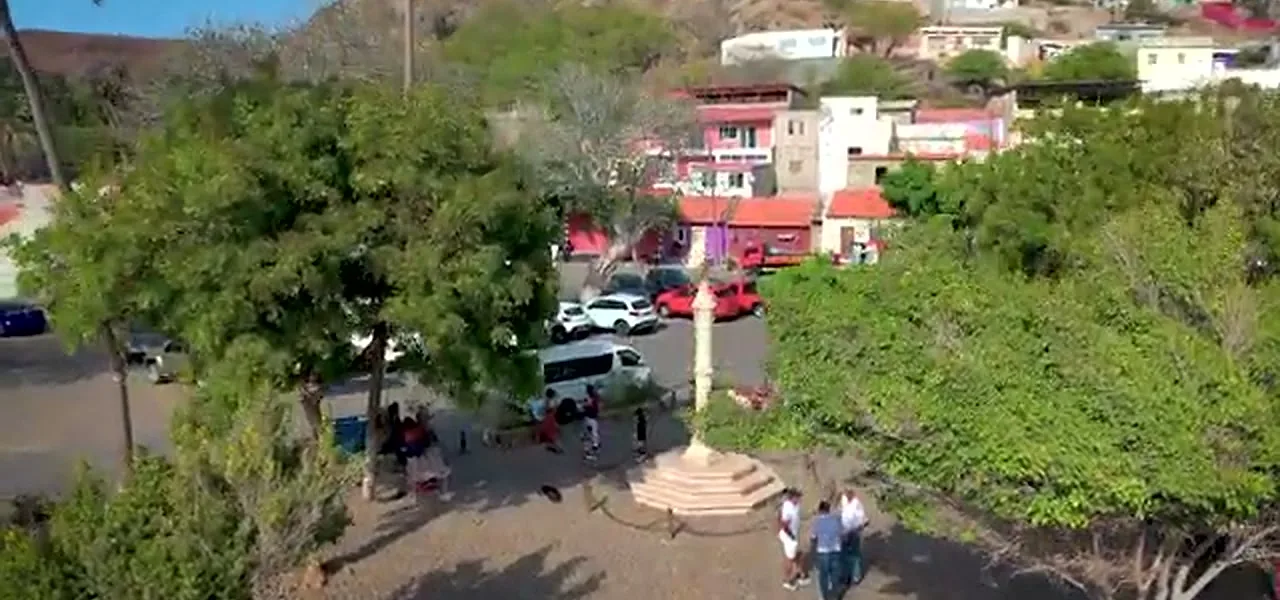
The Pillory, and the Weight of What Happened Here
Cidade Velha holds one object people find it hard to look away from: the Pelourinho, the pillory — a marble pole in the old square where enslaved people were punished, whipped, and sometimes killed in front of everyone, as a public display of power. The same spot served as a slave market, where human beings brought from the African coast were bought and sold. Standing beside it, in a place so peaceful now, it is impossible not to think of the people who had no chance at all. It's uncomfortable to be there — and maybe that discomfort is exactly the point.
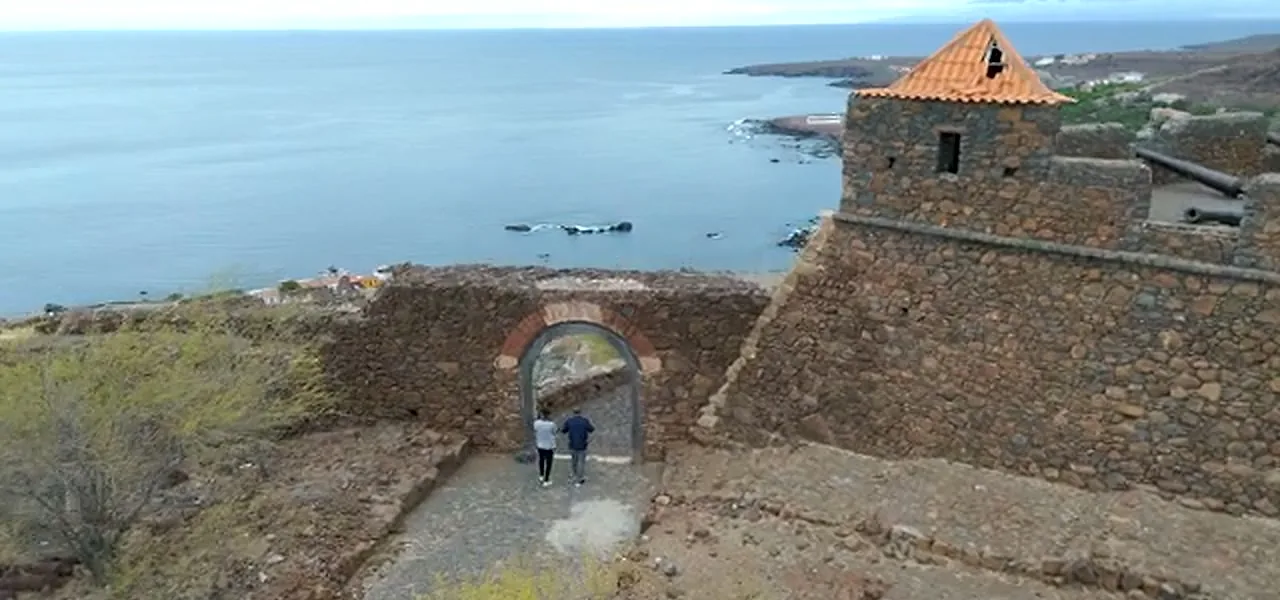
A few steps away runs Banana Street, the first street the Portuguese ever laid out in Cape Verde — named for the banana plantations that once grew here, long since thinned by drought and a changing climate. And above the town stands the Fortress of São Filipe, built in 1587 after the English privateer Francis Drake twice sacked the city; King Philip II of Spain (Philip I of Portugal) ordered the fort raised to guard against the pirates. Its old gate is still called, in Creole, Portão de Nos Ilha — "the gate of our island" — once the only way in or out of the village.
Praia: A Capital That Surprised Me
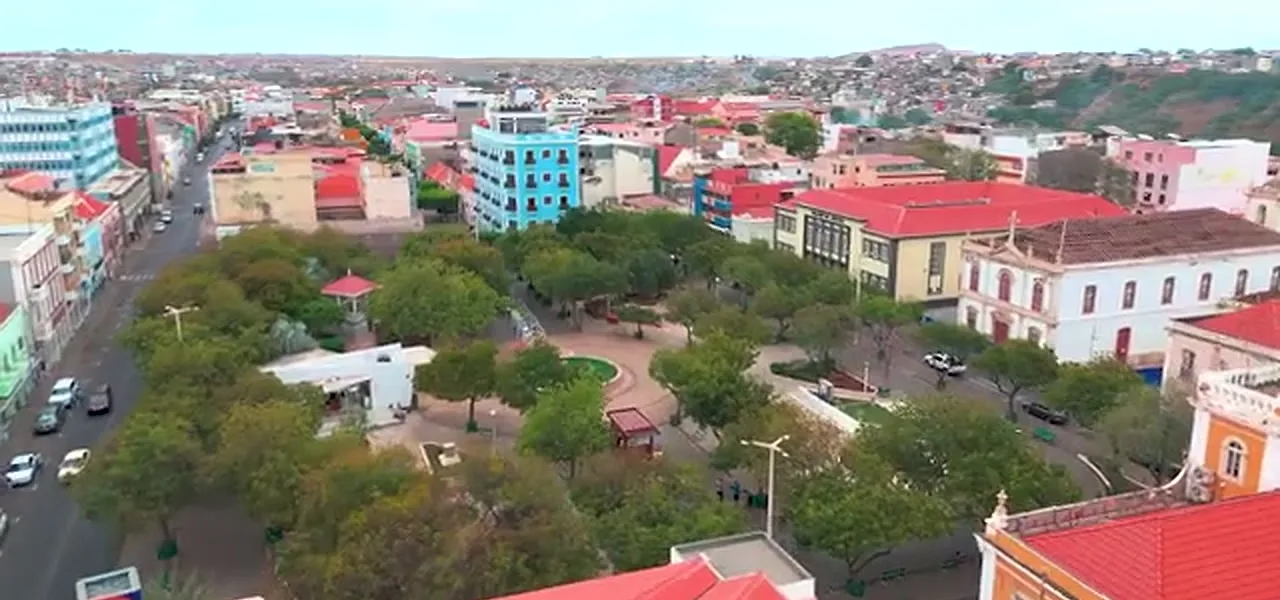
Just along the coast sits Praia, Cape Verde's capital, on Santiago — a city of around 200,000 people and, honestly, far more developed than I expected. I've travelled across a lot of African countries, and this felt a notch above: the university, the government, the presidential palace (a former governor's residence), the jobs and the schools that pull people in from every island and every village. But the pull has a flip side. Out in the countryside, farming depends entirely on rain that may or may not come, and as the climate grows less reliable, people drift to the city — and, for generations, off the islands entirely. Emigration is woven into the very fabric of Cape Verde; there are far more Cape Verdeans abroad than at home.
The World Cup, and What It Means Here
Everywhere I went, people were playing football — it's the national obsession. And while I was in the country, something historic was in the air: for the first time ever, Cape Verde had qualified for the World Cup. For a nation this small, that is not just a tournament. It's proof that size doesn't decide the game.
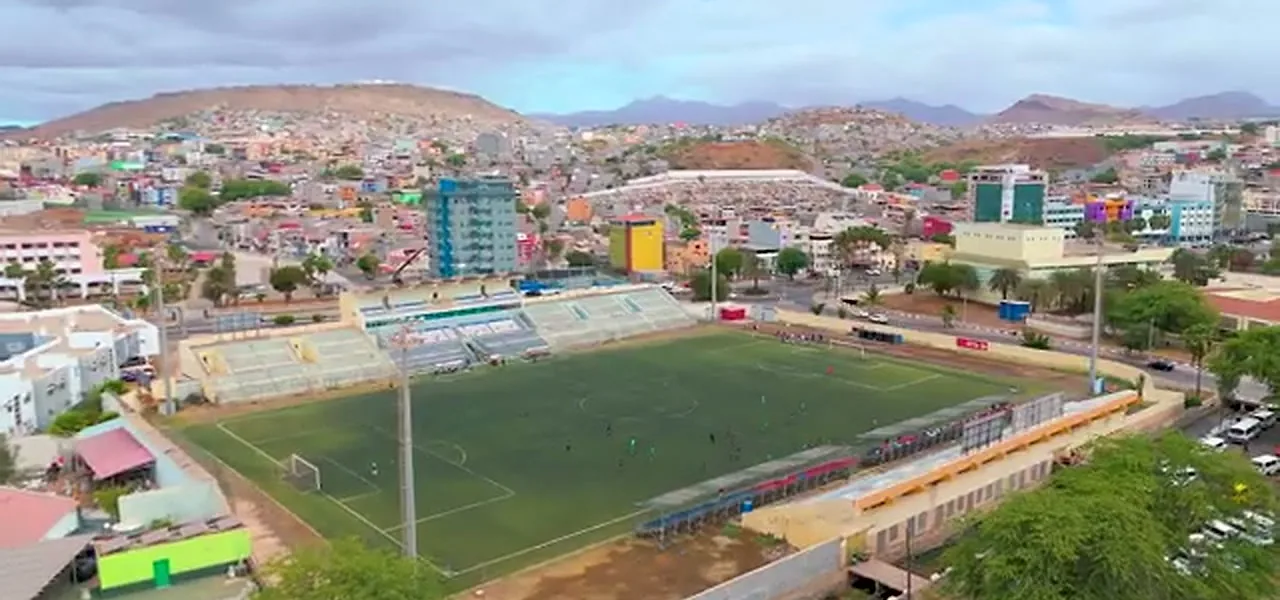
The scale of it is hard to overstate. Cape Verde beat Eswatini 3-0 in Praia to seal qualification on their seventh attempt, becoming one of the smallest countries ever to reach a World Cup, behind only Iceland. They'd go on to make their debut at the 2026 finals. For a country with no oil, little farmland and a national stadium whose pitch has to be artificial because grass won't grow, it was everything. As one guide put it to me, it finally put them on the map.
The qualification put Cape Verde on the map. We are on the map now. We are known around the world. Everybody knows Cape Verde because of this.

Tarrafal: Beauty and the Darkest History
Before Cape Verde ever played in a stadium, its people were fighting far harder matches. In the north of Santiago, Tarrafal looks at first like pure paradise — a gorgeous bay, calm water, palms. A few steps inland, the story turns very dark.
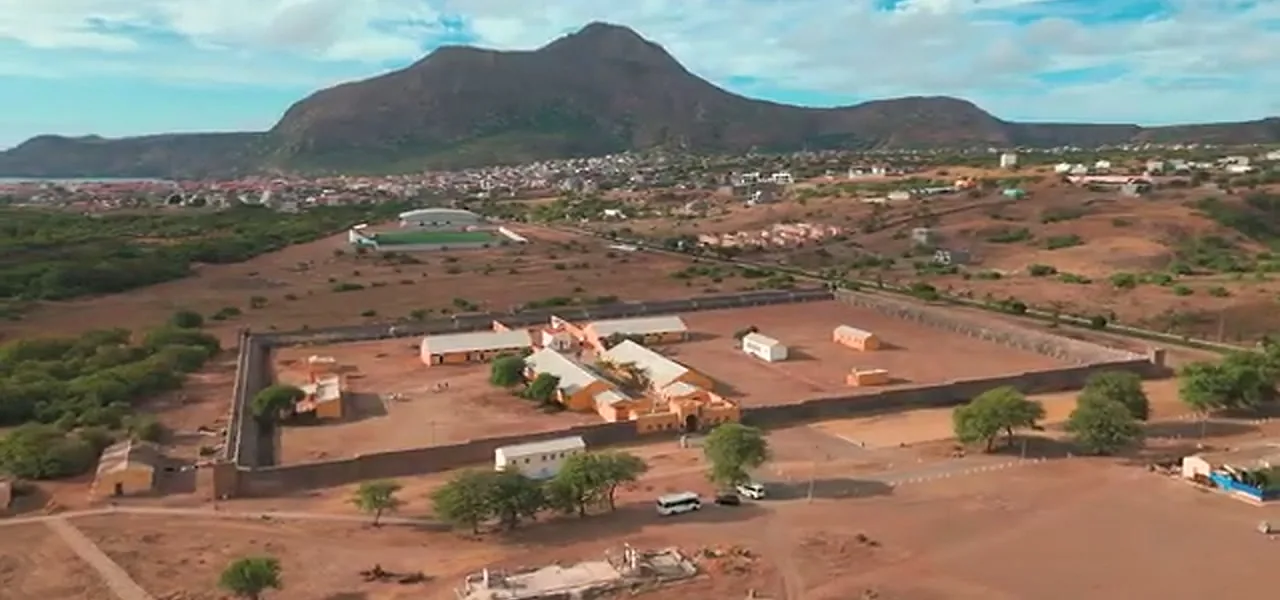
Here stood the Tarrafal concentration camp. In 1936, the fascist regime of Portugal's dictator Salazar sent political prisoners here, and later, when the wars for independence began, African prisoners from Angola and Guinea-Bissau too. Officially, 32 Portuguese prisoners died between 1936 and 1954, though the suffering — physical, psychological, emotional — ran far wider. The detail that haunts me came from the camp's own doctor, Esmeraldo Pais da Prata, who is recorded as saying a single, chilling line about his role there: "I am not here to heal the prisoners, but rather to sign death certificates."
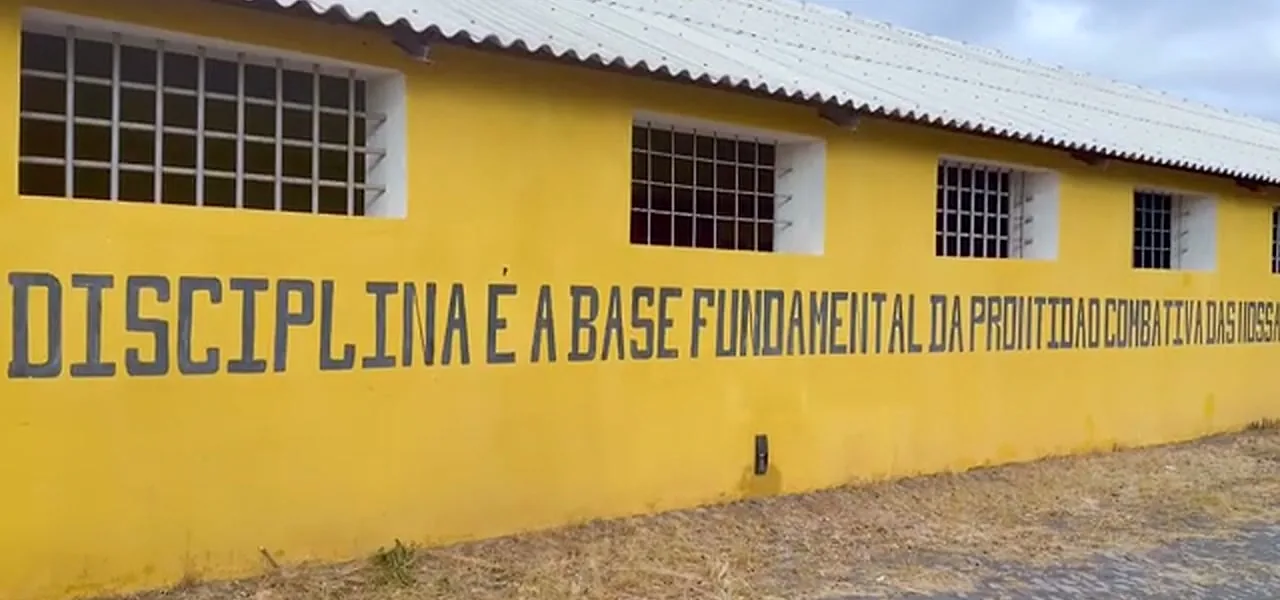
It is strange how one spot can hold so much beauty and so much pain at once. And yet, after everything this island has endured, life simply continues. That is the thread that runs through all of Cape Verde: survival turned, somehow, into identity.
São Vicente: The Island That Gave Cape Verde Its Voice
After Santiago, I crossed to São Vicente, and everything speeds up — the energy, the movement, the sound. If the other islands teach you how Cape Verdeans survive, São Vicente, and its city Mindelo, show you how they live. There's almost no natural water or agriculture here; the whole island, the whole country really, leans on Mindelo's great port, a coaling and shipping crossroads that for centuries drew vessels — and sailors, and songs — from all over the world.
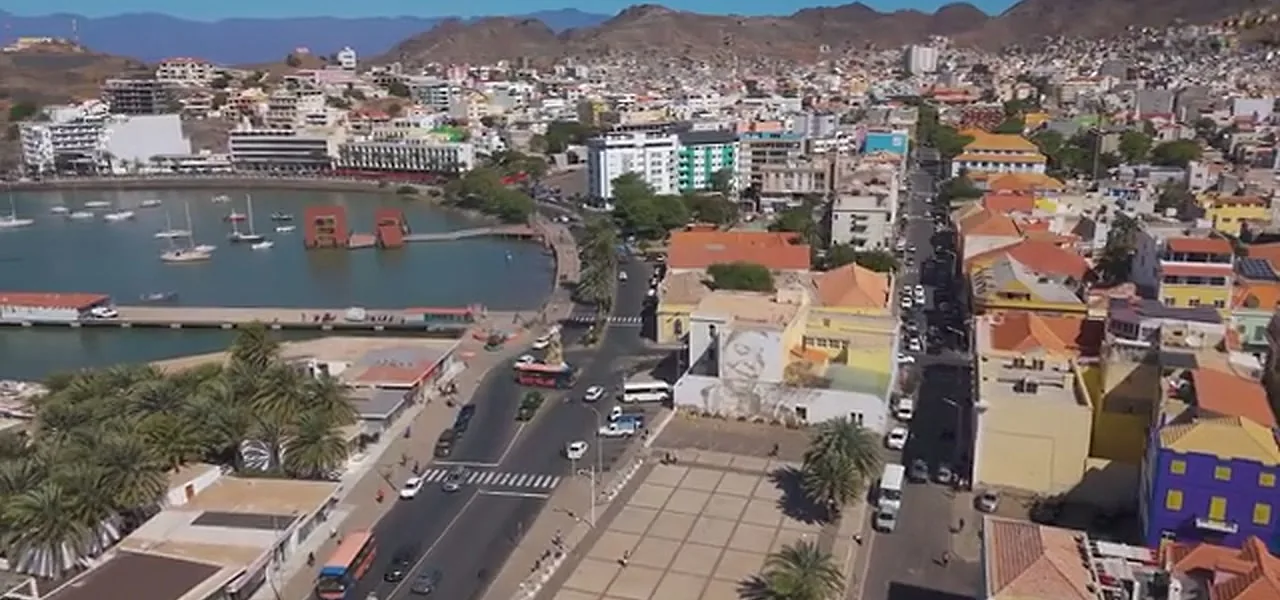
My guide here was Susi, a proud São Vicente native — resilient, feisty, in love with her island — and instead of the postcards she took me somewhere real: Ribeira Bote, a neighbourhood known for its revolutionary streak. In 1974, the people here were among the first to push the Portuguese out. Today it's famous for something else entirely: the Mandingas of the carnival, and for a community that looks after its own. An old school here is now a social centre running a program to help people recover from addiction, and a man teaches the children whose parents can't afford schooling — not just reading, but music, dance, and how to keep the culture alive. Here, change doesn't arrive from outside. It comes from within.
The Mandingas: History You Can't Ignore
Then the island gets loud. The Mandingas are a carnival tradition where men cover their bodies in thick black paint, don raffia and feathers, and move through the streets in a way that is, at first, genuinely unsettling — until you understand it isn't about fear at all. It's about expression. The tradition traces back, through São Vicente's connections, to the island of São Tomé, where night workers once created these characters and face-dances to animate their gruelling shifts; it took root here in Ribeira Bote and grew into a phenomenon that now floods the whole island every carnival.
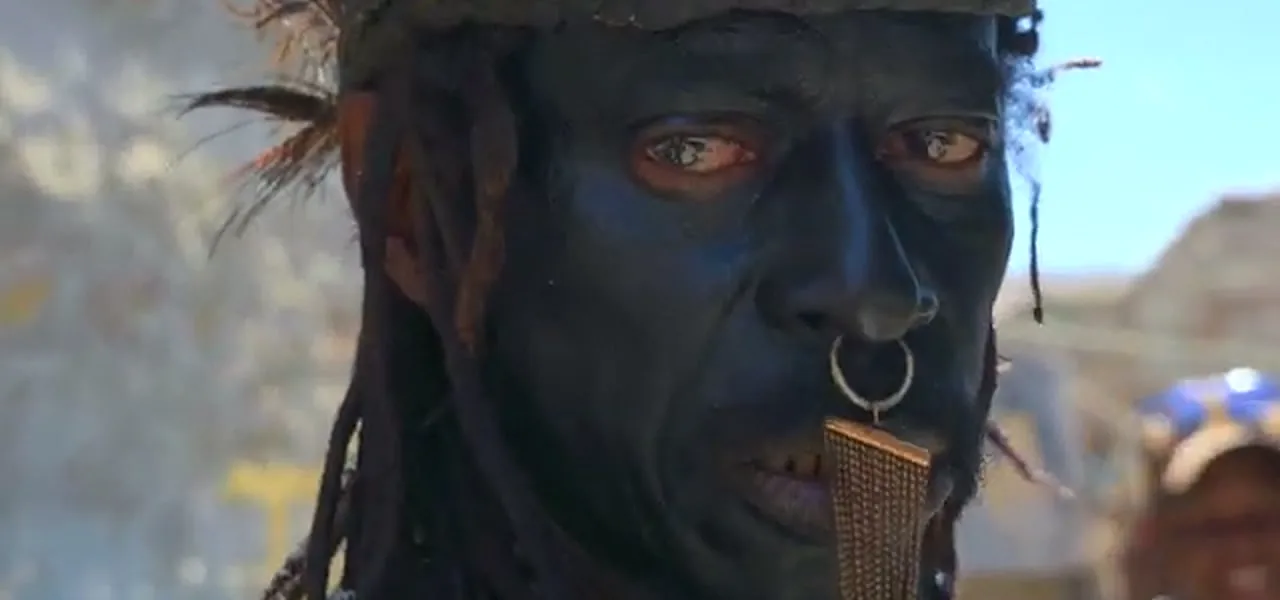
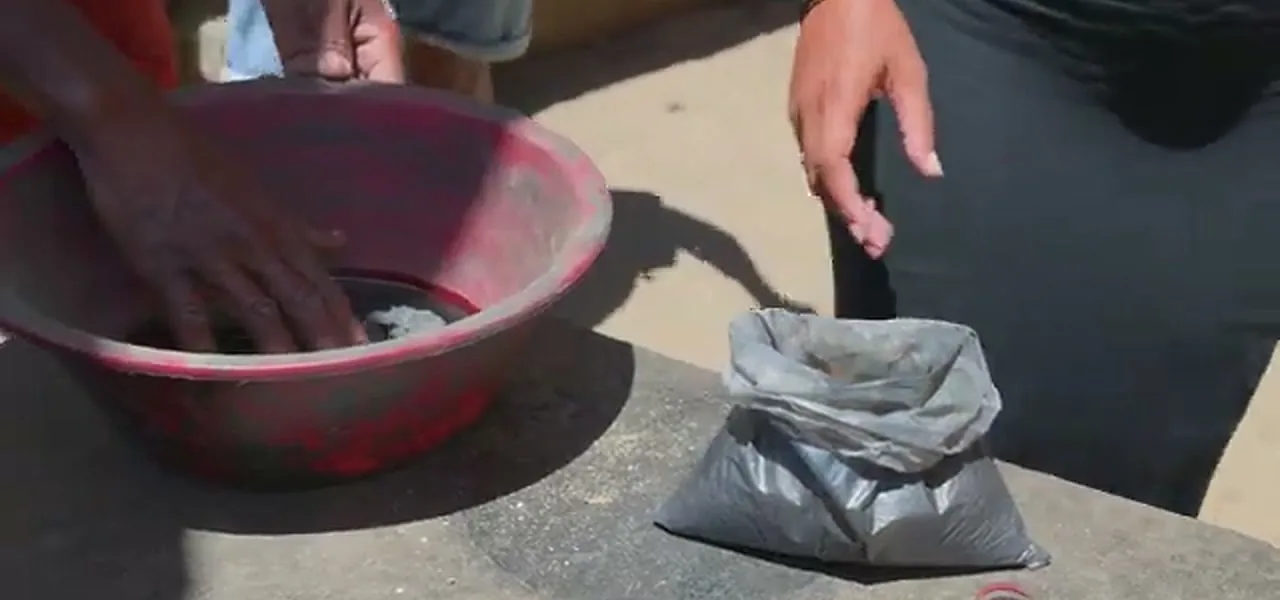
The paint itself tells a small story of its own: they used to make the black from battery material, which was bad for the skin, and now import a safer, darker, more beautiful pigment from Brazil. The season starts as early as the first week of January, and the children of Ribeira Bote, Susi said, are practically born with the Mandinga spirit in their blood, improvising rhythms and dressing up long after the parade season ends. It's a way to show joy — and, just as often, a way to forget the pain and the problems for a while. When Susi puts on the paint, she told me, she stops being Susi at all.
Cesária Évora, and the Soul of Morna
No one carried Cape Verde to the world like Cesária Évora, the voice of these islands — and she was from Mindelo. She was a global star, a Grammy winner, yet here she was simply "Ciz," a woman you'd see walking to the fish market to buy her own dinner, a cigarette in hand, never acting like a celebrity. Most famously, she performed barefoot — the "barefoot diva" — and in Mindelo even that was a statement. In the old square, Praça Nova, only those with shoes — the Portuguese, the English, the elite — were once allowed to stand; the barefoot could be beaten for setting foot there. Cesária went without shoes partly to never forget where she came from.
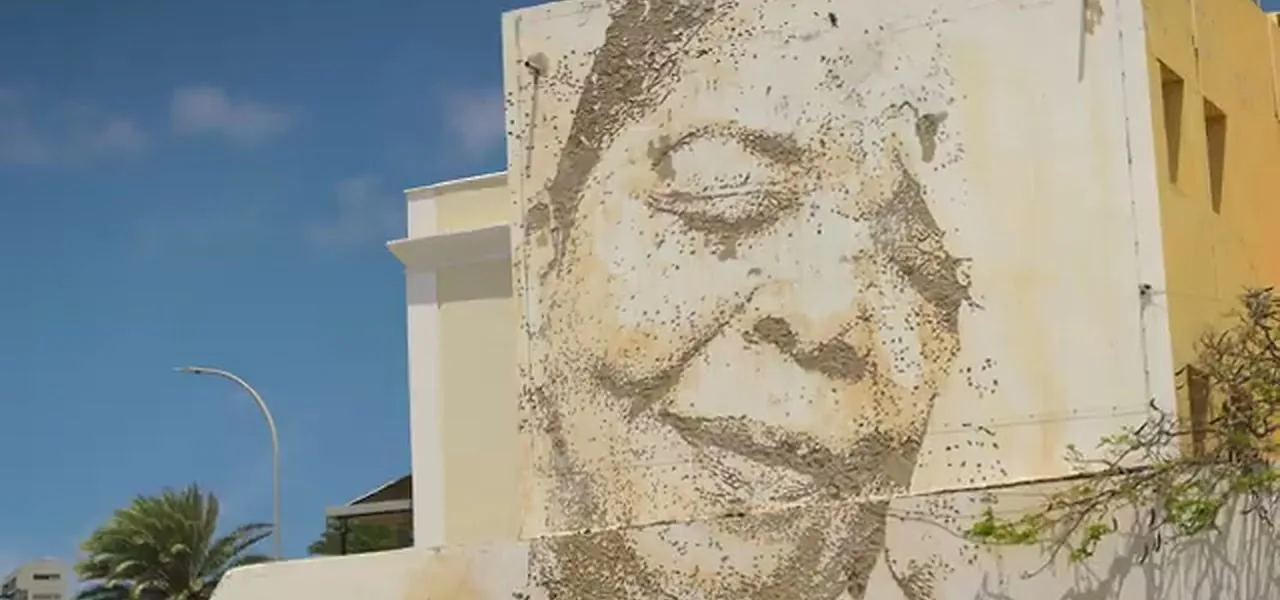
Her sound was morna — Cape Verde's blues, its soul music. Born in this cosmopolitan port in the age of the coal ships, morna is slow and aching because it's built from sodade, the deep nostalgia of a people forever leaving and longing for home. It carries the pain of emigration and of slavery — but also love, unity, and morabeza, the Cape Verdean gift for welcoming strangers like family. You don't need to translate morna. You feel it.
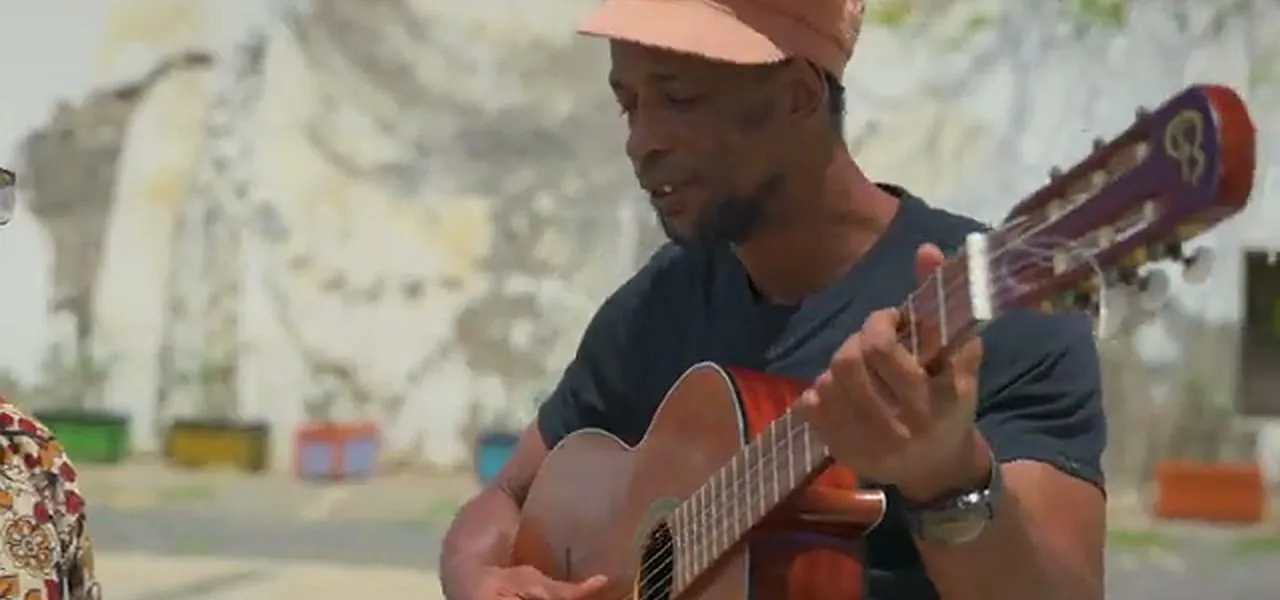
There's a nuance to how Cape Verdeans hold their history that moved me more than almost anything on the trip. Standing where the barefoot once weren't allowed, a guide explained how they regard the Portuguese — and it was neither bitterness nor denial, but something wiser.
We cannot forget the Portuguese who made people slaves, who did bad things to us. But we cannot forget the ones who fought for us, who were against slavery, who even died so Cape Verdeans could be free. That's how we deal with the Portuguese — and they are always welcome in our country.
Out on the Water
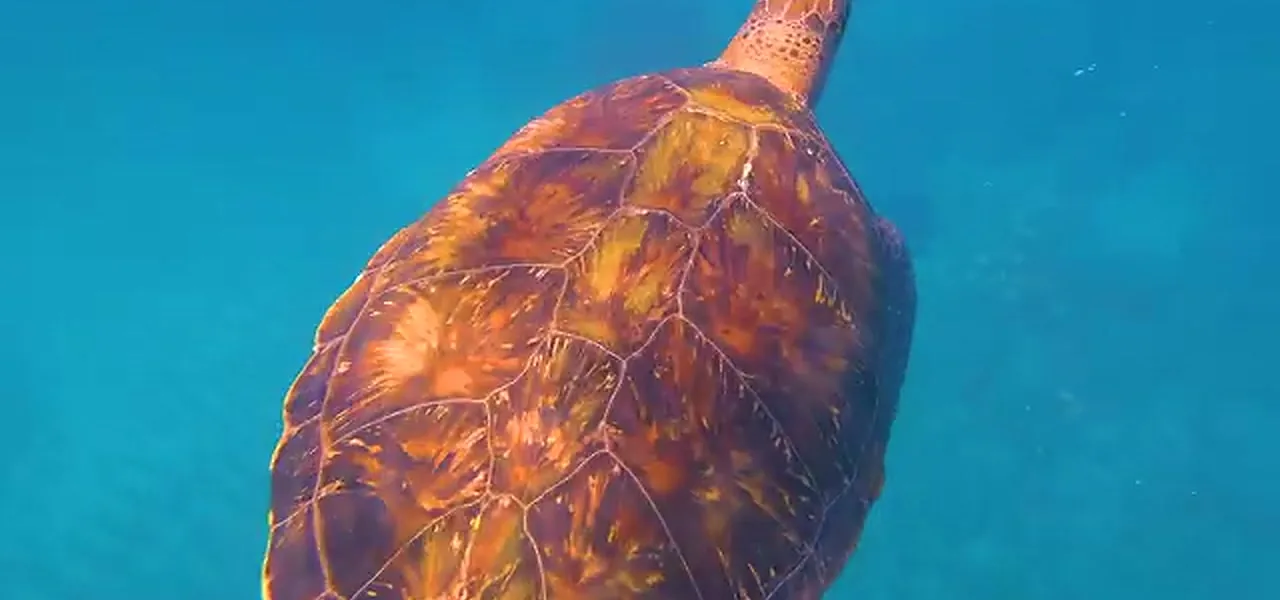
After a few days of history this heavy, I needed the ocean, and Cape Verde's is extraordinary. Out past Mindelo the world slows down; you stop chasing anything and simply drift — and then you realise you're not alone. Sea turtles glide beneath you, rays fan over the sand, the water so clear you forget where it ends. In a country shaped by extremes, these are the moments that remind you how simple life can feel.
Sal: The Island That Wrote Its Own Story
Just when you think you've figured Cape Verde out, it changes the script — because not every island is telling the same story. Sal decided to write its own. It's the first Cape Verde most visitors ever see — the most touristy island, pulling in close to a million tourists a year — and it is flat, desert-dry, and nothing like Santiago or São Vicente. Same country; different people, different landscape, almost a different language.
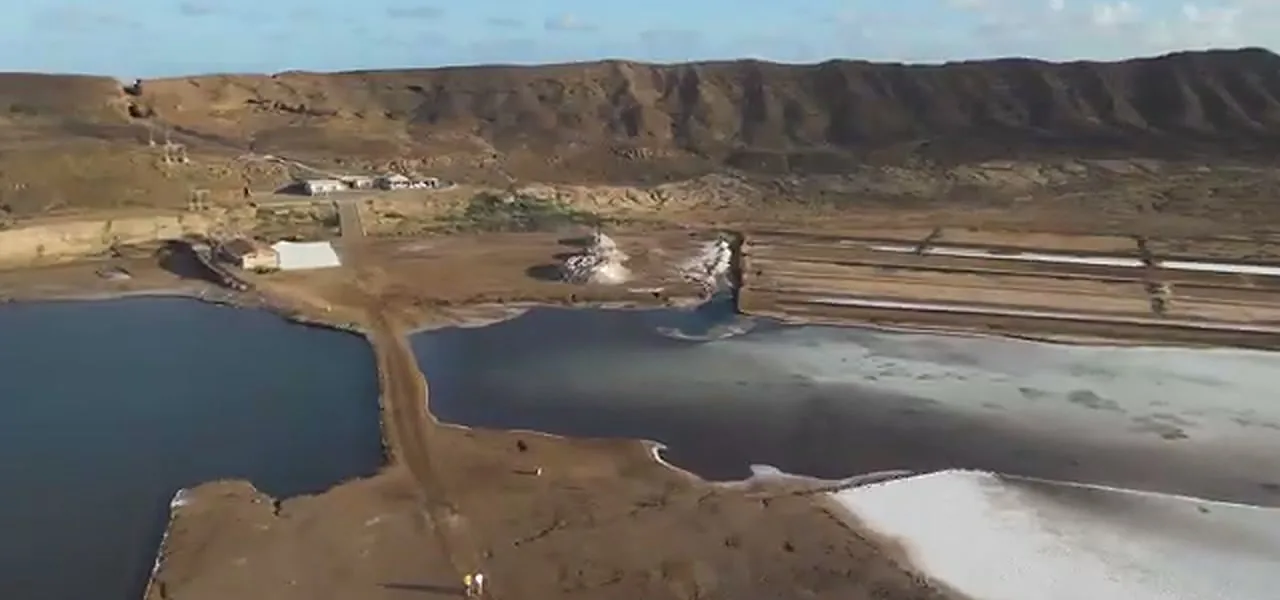
The island's name means salt, and the reason is unforgettable: at Pedra de Lume, you walk down into the crater of a volcano, below sea level, where seawater seeps up through the rock and, for centuries, was harvested into salt. Salt was once the island's lifeblood and a vital source of income for the whole country; today the industry has given way to tourism, and the old crater pans are the highlight. On the first day of the year, locals still come down here to bathe in the mineral water, washing off the old year's bad spirits.
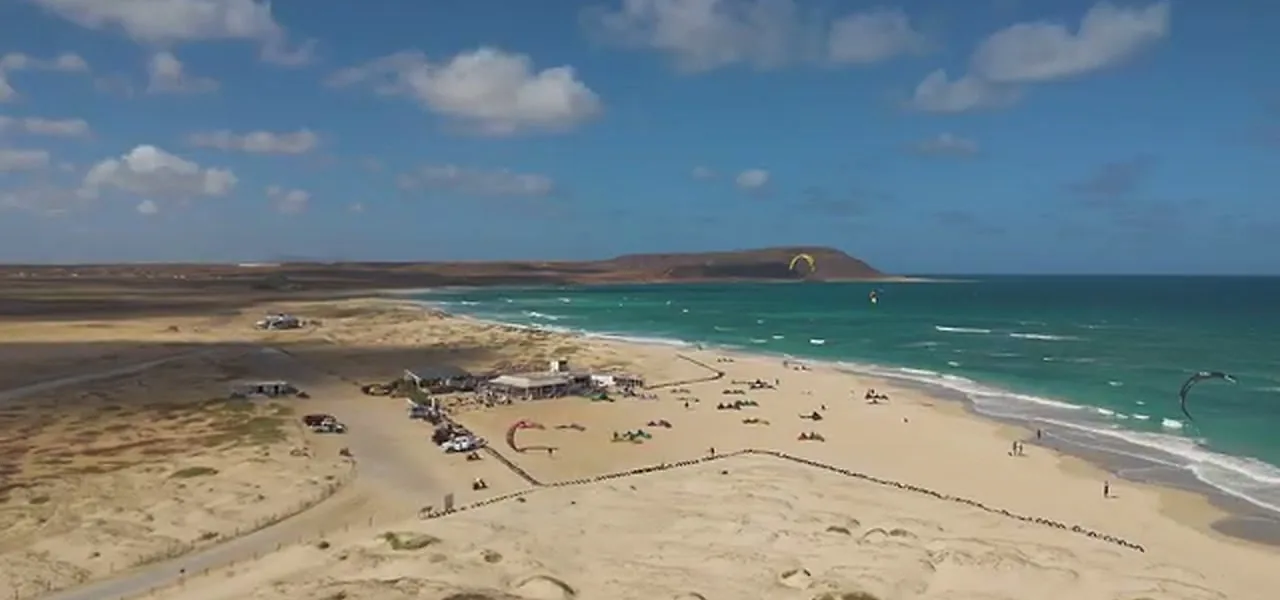
But the same forces that shaped Sal are still at work — only now they blow. Sal is one of the best places on earth for kitesurfing and windsurfing; locals told me three of the world's best kitesurfers come from this island. The wind here is relentless and reliable, onshore and warm, over clear water full of turtles, whales and dolphins — and instead of fighting it, people turned it into a way of life and a global pilgrimage. The season runs roughly November to mid-June, and the beaches of Santa Maria have become, as one instructor put it, the Mecca of kitesurfing.
By the numbers: Cape Verde, by the numbers
- Islands
- 10 — 6 Barlavento, 4 Sotavento
- Population
- ~525,000
- First settled
- 1460 — first European town in the tropics
- Fortress of São Filipe
- Built 1587, after Francis Drake
- Tarrafal camp
- 1936–1974 · 32 Portuguese prisoners died
- World Cup qualification
- 2025 · 7th attempt · 2nd-smallest nation ever
- Tourists to Sal
- ~1 million a year
- Kitesurf season
- ~November to mid-June
What Cape Verde Left Me With
I came here because a dart landed on a map. I didn't know what to expect — and what I found was a place shaped by history, by nature, and above all by the people who chose to stay and to make joy anyway. From the roots of Santiago to the rhythm of Mindelo to the wind of Sal, this is a country that refuses to fit into a single idea. Dry and green, volcanic and gentle, scarred and radiant — maybe contrast is the truest word for it. At some point you stop trying to define Cape Verde and simply let it be what it is.
What I'll carry longest isn't a landscape or a landmark; it's the morabeza — the specific, unforced warmth with which people here fed me, sang for me, and told me their hardest history without a trace of self-pity. In a lot of places, hospitality is a performance for tourists. In Cape Verde it felt like a worldview: a decision, made over and over across five hard centuries, to meet the stranger with generosity instead of suspicion. That, more than the volcanoes or the beaches, is the thing worth crossing an ocean for.
Cape Verde did not begin as a place of freedom. Somehow, through music, through memory, through morabeza, it became one. But this story doesn't end here — because on another island, Fogo, life is shaped by something even more unpredictable than history: a living volcano, and a community that chose to rebuild its home inside it. That's a story of its own.
Explore More Travel by Dart Journeys
- The next island, and the next chapter: life inside an active volcano on Fogo Island.
- Back to where this dart was thrown, by a man in a Santa suit in the Arctic: Norway.
- Another island nation where colonial history turned into world-changing music: Puerto Rico.
- The country that even colours the Mandingas' paint, and shaped so much of Cape Verde's sound: Brazil.
Suggested Sources & Further Reading
To go deeper into Cape Verde, its history and its music, these are some of the best authoritative resources:
- UNESCO — Cidade Velha, Historic Centre of Ribeira Grande — the first colonial town in the tropics, a World Heritage Site.
- Encyclopædia Britannica — Cabo Verde — the islands, their history and their people.
- Encyclopædia Britannica — Cesária Évora — the barefoot diva and the morna she carried worldwide.
- Al Jazeera — Cape Verde's historic World Cup qualification — how the Blue Sharks made history.
- UNESCO — Morna, musical practice of Cabo Verde — morna as intangible cultural heritage.
All facts verified November 2026.
Cape Verde: traveler questions
Where is Cape Verde and what is it like?+
Cape Verde (Cabo Verde) is an island nation in the mid-Atlantic, about 500 km off the coast of Senegal in West Africa. It's an archipelago of ten volcanic islands — nine inhabited — split into two groups, Barlavento in the north and Sotavento in the south, with a total population of around 525,000. Despite the name ('green cape'), it's mostly dry and volcanic rather than lush. It was uninhabited until the Portuguese arrived in 1460 and made it a hub of the transatlantic slave trade; today it's a stable democracy famous for its music and, lately, its football. It feels African and European and Atlantic all at once — its own thing entirely.
Is Cape Verde safe for tourists?+
Yes — Cape Verde is one of the more stable and welcoming countries in Africa, and I moved across Santiago, São Vicente and Sal with local guides and never felt unsafe. The island of Sal alone draws roughly a million tourists a year. As anywhere, use normal common sense, especially in city neighbourhoods at night, and lean on good local guidance — I travelled with Benoit's team at Atlantur. Cape Verdeans have a word, 'morabeza', for their particular warmth toward strangers, and you feel it everywhere.
Why is Cape Verde famous for music?+
Music is the country's soul and its biggest cultural export. The most famous genre is morna — slow, nostalgic songs about longing, emigration and 'sodade' (a Cape Verdean cousin of the Portuguese saudade) — carried to the world by Cesária Évora, the 'barefoot diva' of Mindelo, who won a Grammy and never stopped living like a local. There's also the drum-and-chant batuku, born among the enslaved on Santiago, plus funaná, and the explosive Mandinga carnival tradition of São Vicente. As one guide told me, here you don't read history in books — you listen to it.
Did Cape Verde really qualify for the World Cup?+
Yes, and it's an extraordinary story. In October 2025 the 'Blue Sharks' qualified for the FIFA World Cup for the first time ever, on their seventh attempt, beating Eswatini 3-0 in Praia — making them one of the smallest nations ever to reach the finals, behind only Iceland. For a country with half a million people, no oil and little arable land, where even growing grass for a pitch is hard, it was proof that, as they say, size doesn't decide the game. The qualification put Cape Verde 'on the map' in a way nothing else had.