Season 2 · Episode 4
Madagascar
The 'eighth continent': an island so isolated that almost everything here — lemurs, baobabs, a stone forest — exists nowhere else, wrapped around one of the world's poorest and warmest nations.
On this page ▾
By Sorin Mihailovici · Travel by Dart · Last updated July 2026 · ~17 min read
Forget the cartoon. That's the first thing every Malagasy person wanted me to understand: Madagascar is not a wisecracking lion and a zebra. It is a real, complicated, breathtaking country — and one of the poorest on Earth — and when my dart landed here, back in the Galápagos, it marked the first time in the show's history that I'd hit Africa. I arrived knowing almost nothing, and left having seen a stone forest, held a wild lemur, watched families pan for gold for less than a dollar a day, and thrown a dart in the middle of a row of thousand-year-old trees.
This isn't a travel diary — it's the fact-checked guide I wish I'd had, and it tries to hold two truths at once: that Madagascar is one of the most extraordinary places on the planet, and that life here is genuinely hard. From this island, the next dart would carry me across the Atlantic to Colombia.
Quick facts: Madagascar at a glance
- What it is
- World's 4th-largest island
- Capital
- Antananarivo ('Tana')
- Population
- ~30 million (Malagasy people)
- Language
- Malagasy (Austronesian) & French
- Endemic wildlife
- Over 90% found nowhere else
- Signature animals
- Lemurs, chameleons, the fossa
- Signature tree
- Baobab (mostly endemic species)
- Economy
- Among the world's poorest
- Best time to visit
- Dry season, ~Apr–Nov
The Eighth Continent
Scientists sometimes call Madagascar the "eighth continent," and once you understand its history, the nickname makes perfect sense. This is the fourth-largest island on Earth (after Greenland, New Guinea and Borneo), and it has been alone for an almost unimaginable stretch of time: it split from Africa roughly 150 million years ago and from India about 88 million years ago. Cut off like that, its life evolved down its own strange path — so today over 90% of Madagascar's wildlife lives nowhere else in the world.
The human story is just as surprising. The people are the Malagasy, and their language isn't African at all — it's Austronesian, most closely related to a language spoken in Borneo, thousands of kilometres away. Madagascar's first settlers arrived by outrigger canoe from Southeast Asia around 1,500 years ago, which is why Malagasy culture is a blend of African, Asian and Arab threads. The capital, Antananarivo — everyone calls it "Tana" — means "City of a Thousand," a name honoring the thousand soldiers of the queen who founded it.
By the numbers: Madagascar
- Split from Africa
- ~150 million years ago
- Split from India
- ~88 million years ago
- Wildlife found nowhere else
- Over 90%
- First human settlers arrived
- ~1,500 years ago (from Borneo)
- Lemur species
- ~100 (all endangered-leaning)
- Chameleon species
- ~half the world's, mostly endemic
The Hardest Truth: One of the World's Poorest Countries
I promised myself I wouldn't gloss over this, because the Malagasy people didn't. Madagascar is, by most measures, among the poorest countries on Earth — roughly three-quarters of the population lives below the poverty line, and the minimum wage is around $50 a month. On the road I saw what that means up close.
In and around towns like Antsirabe, the everyday taxi is a rickshaw — locally the "pousse-pousse" — and the men who pull them don't even own them: they rent the cart for a couple of dollars a day and have to earn that back, one 25-cent ride at a time, before they make a single cent. I visited a gold mine where whole families — including children — smash rocks into sand by hand and sift the riverbeds, hoping to find a few flecks of gold to hand to a boss who paid them a fraction of its worth. The average family here has around eight children; many kids don't go to school; and, heartbreakingly, some of the children I met didn't want money at all — they wanted empty plastic bottles, which they use to carry water, honey and food. Handing one over felt, to them, like scoring a goal.
The Avenue of the Baobabs
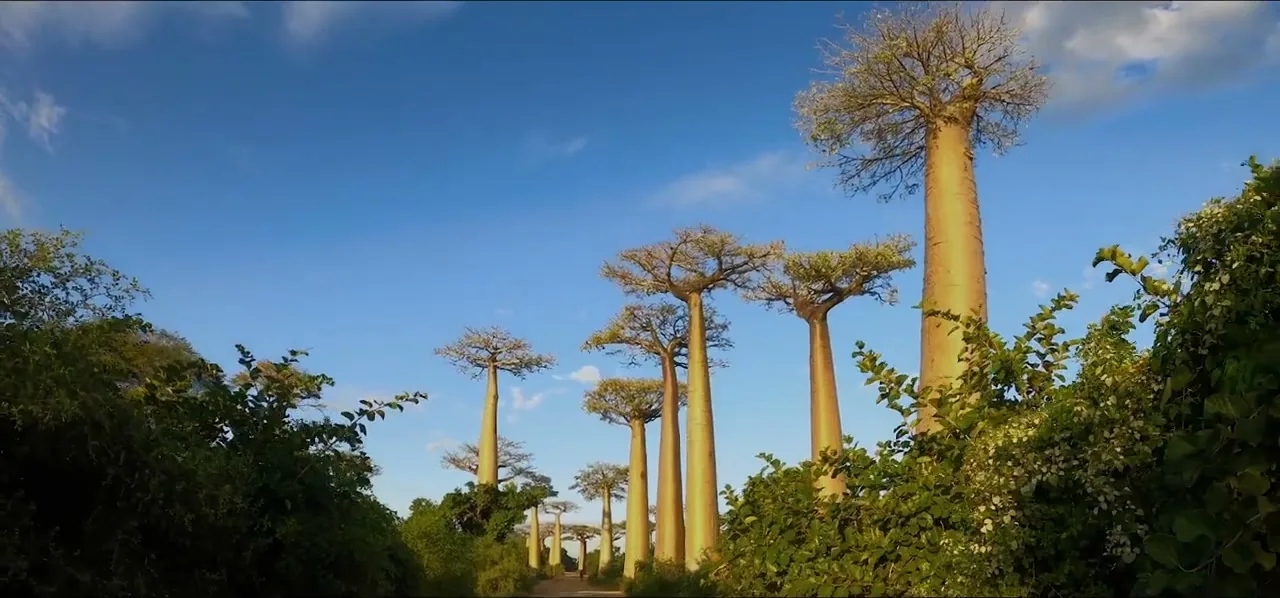
After a brutal, beautiful eight-hour drive through red dust, we reached the image most people picture when they finally look past the cartoon: the Avenue of the Baobabs, near Morondava. These are Grandidier's baobabs — the largest of Madagascar's baobab species, and, like most of the island's baobabs, found nowhere else on the planet. Their fat, water-storing trunks rise like columns up to 30 metres tall, and some of the trees standing along that dirt road are centuries old. It's so iconic, and so moving, that I chose to hold my dart-throwing ceremony right there among them.
Tsingy de Bemaraha: Walking on Knives
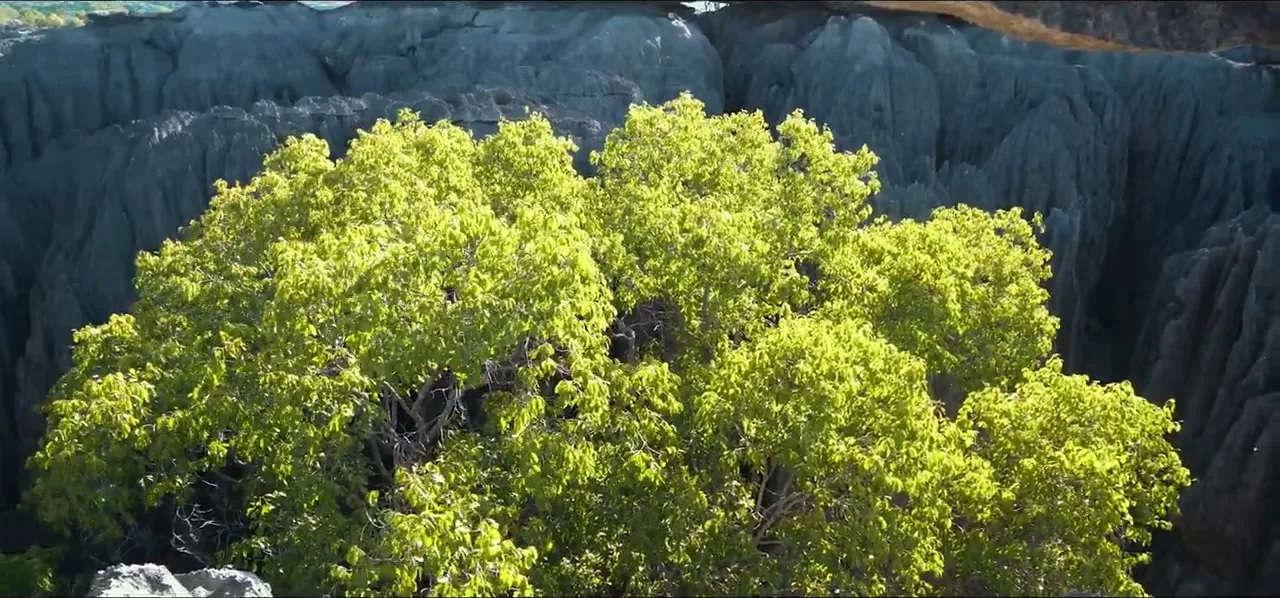
If the baobabs are Madagascar's soul, the Tsingy de Bemaraha is its most alien landscape. This UNESCO World Heritage Site is a "stone forest" — a vast plateau of grey limestone eroded into a field of razor-sharp pinnacles and blades. The name says it all: "tsingy" means, roughly, "where you cannot walk barefoot." Over some 50 million years, water rose and fell across this rock again and again, and acidic rain slowly dissolved it into these towering, knife-edged layers.
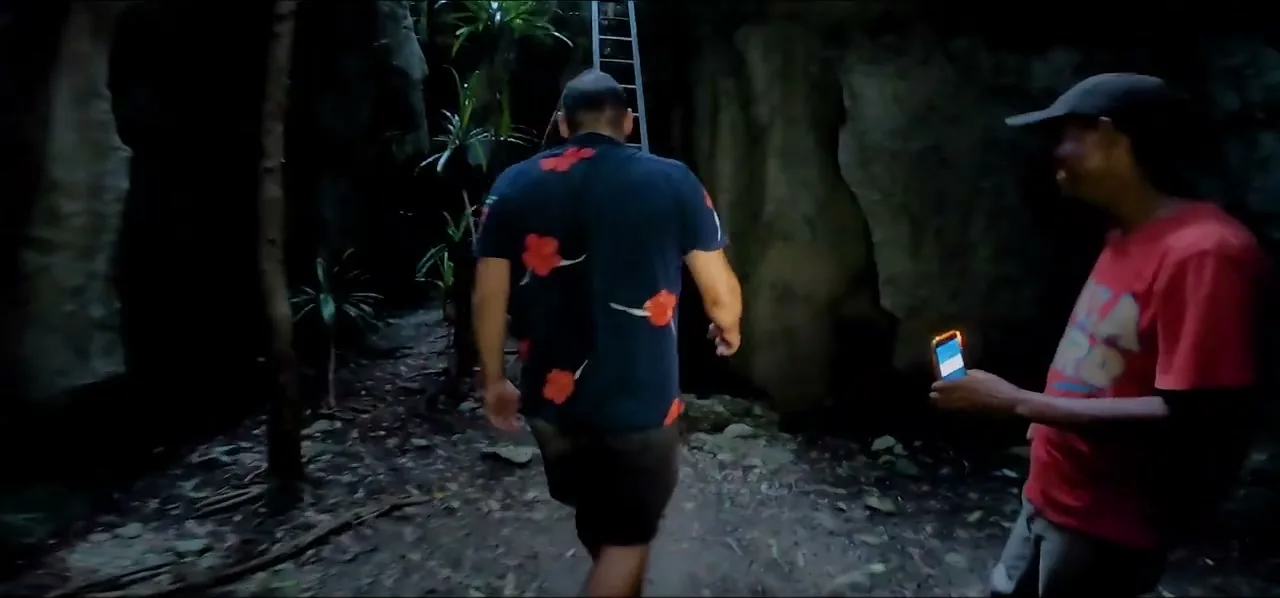
Getting to the top is a genuine four-hour effort of clambering, squeezing and climbing to the viewpoints — and it nearly finished me. I like to think I'm fit; the Tsingy disagreed. But standing above that grey sea of stone spikes, catching my breath, water tasting better than any water I've ever had, I understood why locals say that if you come to Madagascar, this has to be a priority.
Lemurs and Chameleons: Life Found Nowhere Else
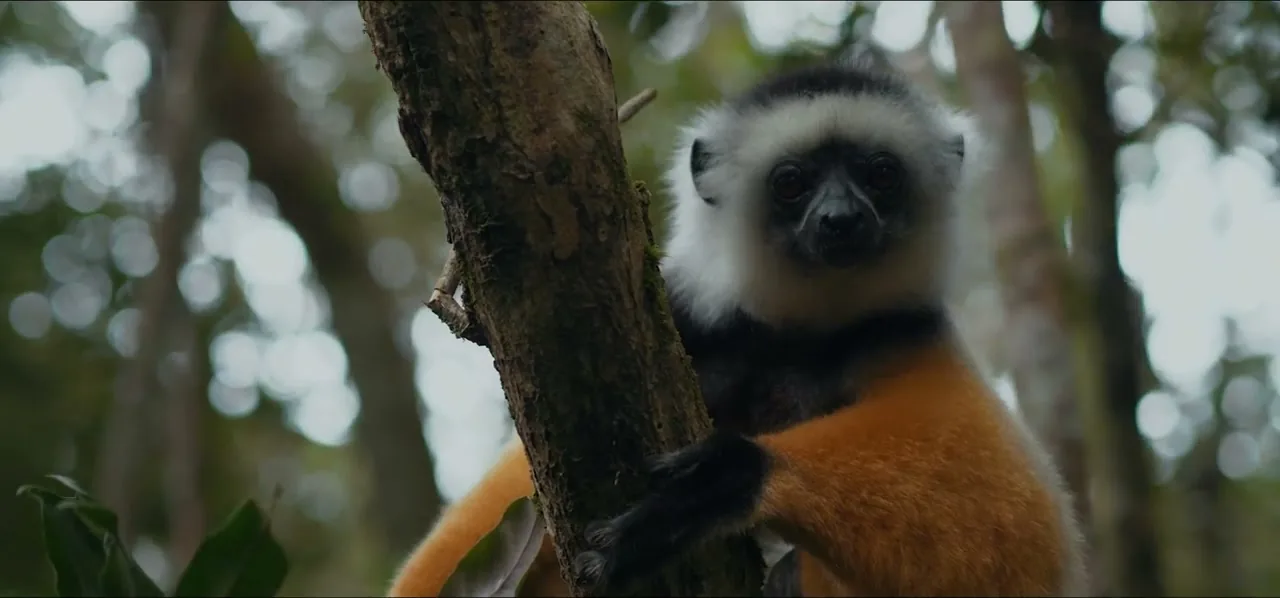
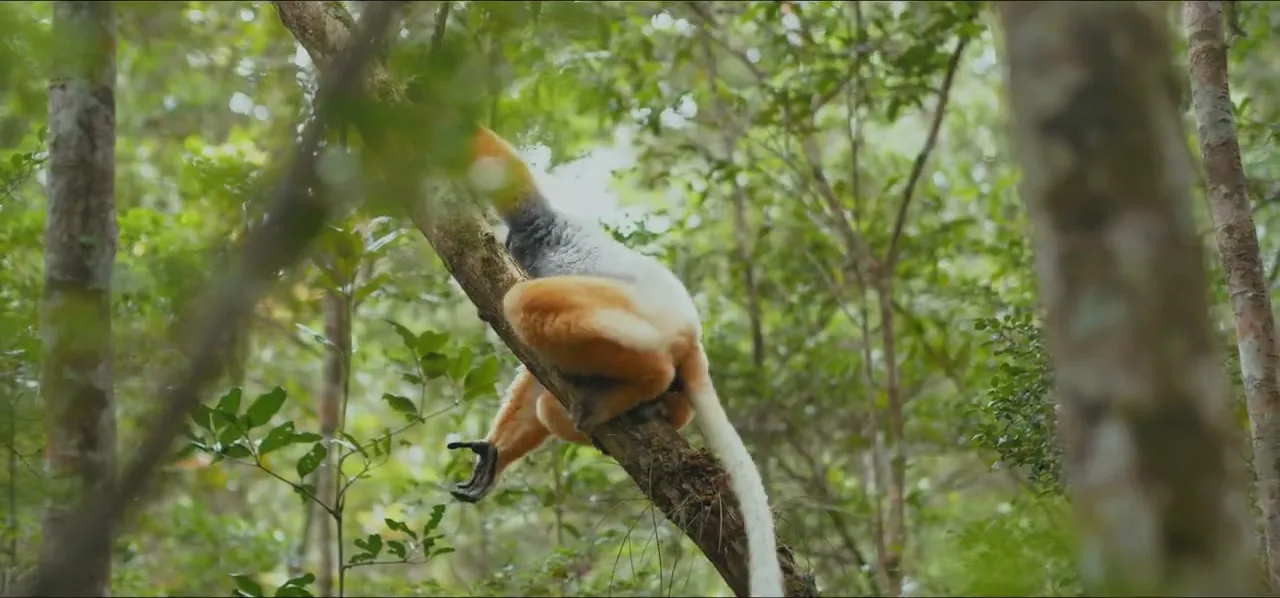
Everyone comes to Madagascar for the lemurs, and for good reason: these wide-eyed primates live wild nowhere else on Earth. In the eastern rainforest of Andasibe I found a dozen species in a single park — six active by day, six by night, from the tiny mouse lemur (a few centimetres long) to the star of the show, the indri, the largest lemur of all at nearly a metre. On a small reserve, several curious lemurs climbed straight onto me and fed from my hand — one of the most joyful encounters of the whole trip.
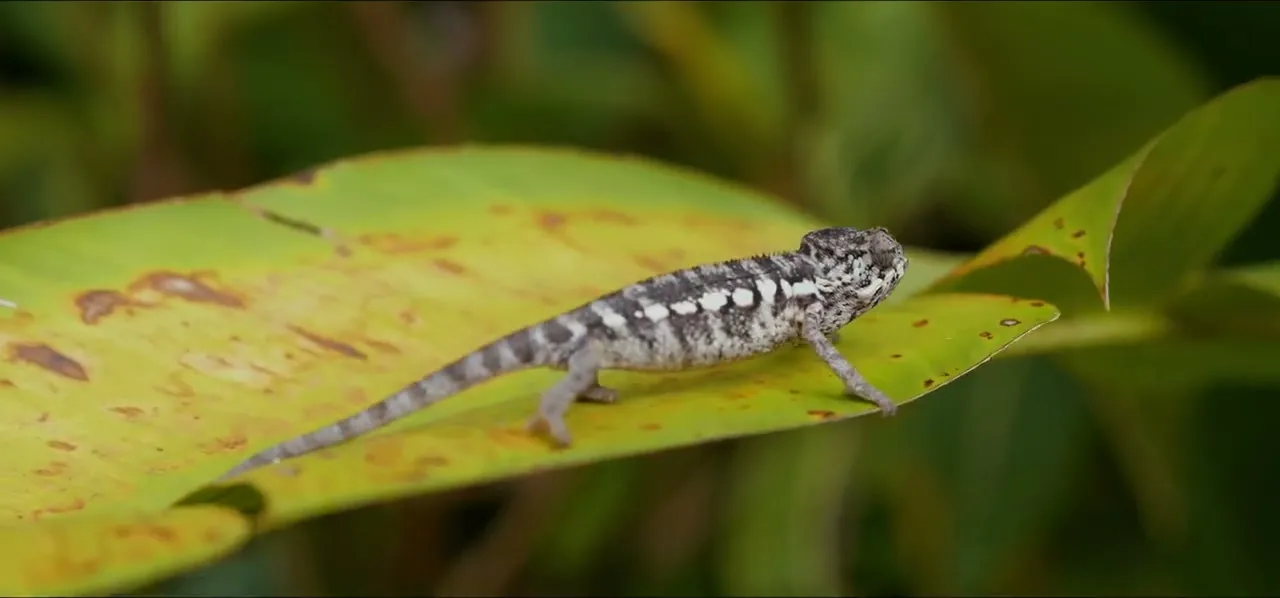
Then there are the chameleons — and here Madagascar hosts about half the world's species, most found nowhere else. My favorite fact corrects one everyone gets wrong: chameleons don't change colour to camouflage on command. They shift colour mainly with mood, temperature and communication. A frightened or stressed chameleon turns dark; a sick one goes yellowish; a content, healthy one glows its most vivid colours. It's less a disguise than a face — an animal wearing its feelings on its skin.
Spirits, Superstition and the Sea
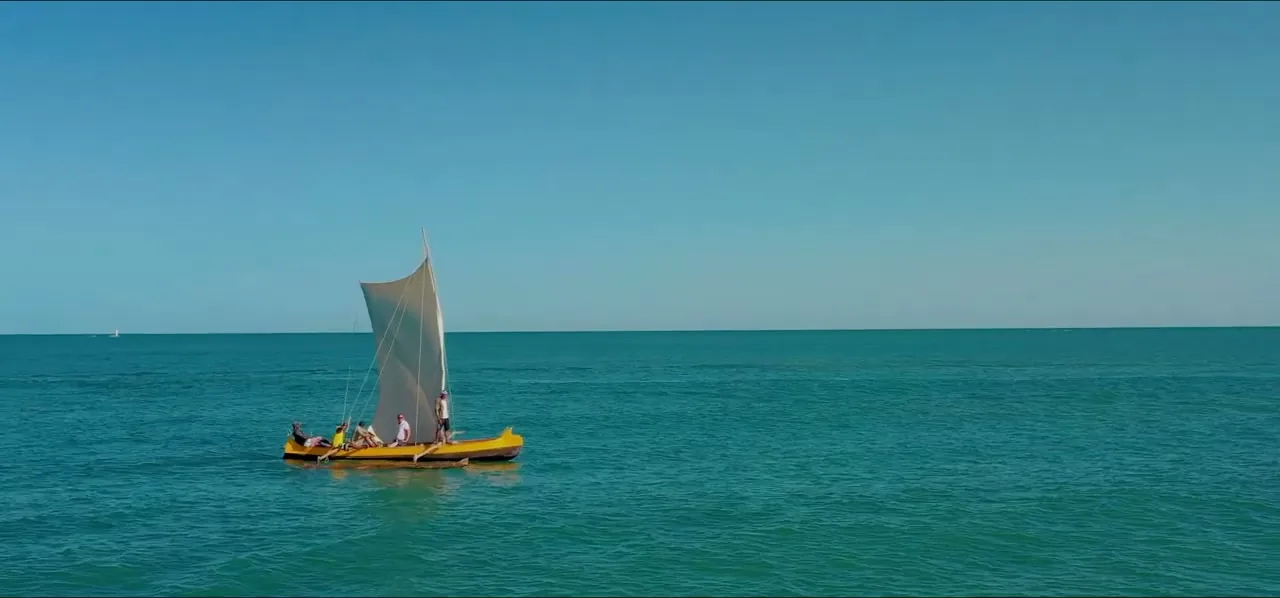
Madagascar, my guide Ludo told me, is a country of superstition — and the deeper you go, the more you feel it. One afternoon we sailed a wooden pirogue along the coast to meet a healer, a medium who invokes the spirits of the dead. In the ceremony, a spirit is said to choose a person — a "servant" — through whom it speaks, carrying the village's wishes to the other side. It was genuinely unsettling; one of my companions didn't want to see it through, and only stayed, he said, because I wanted to understand the culture. I did stay to the end. Whatever you believe, the sincerity in that room was real.
The Malagasy people, from my feeling, are the most sensitive and caring people I've ever run into. Everyone knows the lemurs — but there's this incredible diversity of people and music, from north to south, that no one talks about.
That warmth was the real souvenir. Along the way I met people like Ludo and his team from a local expedition company, who threw themselves into helping a stranger complete a ridiculous dart-driven challenge, and Gary, an American who arrived in Madagascar in the 1980s, fell in love with it, and simply never left. The country gets under your skin like that.
Things That Surprised Me About Madagascar
- Madagascar is the fourth-largest island in the world.
- It broke from Africa ~150 million years ago — the "eighth continent."
- Over 90% of its wildlife exists nowhere else.
- The Malagasy language is Austronesian — its cousins are in Borneo.
- The first settlers arrived by canoe from Southeast Asia ~1,500 years ago.
- It's among the poorest countries on Earth (~75% below the poverty line).
- Rickshaw pullers rent their carts and earn cents per ride.
- Some children wanted empty bottles, not money.
- The Avenue of the Baobabs trees are found only in Madagascar.
- "Tsingy" means "where you cannot walk barefoot."
- The Tsingy's limestone knives took 50 million years to form.
- Wild lemurs live only here — around 100 species.
- The indri is the only mammal besides humans that sings with rhythm.
- Half the world's chameleons are Malagasy — and they change colour by mood, not camouflage.
- The dart, thrown among the baobabs, sent me to Colombia.
The Island That Stays With You
Madagascar was, as I said in the very first minutes, "an episode like I've never done before" — and months later, it still is. No other place the dart has chosen has made me feel two things so strongly at the same time: awe at a natural world found nowhere else, and a real, humbling ache at how hard life is for the people who share it. The baobabs and the lemurs will get all the photographs, and they deserve to. But it was the Malagasy people — their gentleness, their generosity with almost nothing to give — that I keep coming back to.
Standing in the Avenue of the Baobabs, I threw my dart and watched it land far across the ocean, on Colombia. I left Madagascar changed, and certain of one thing: this island is a treasure the whole world is lucky to have — and one that needs the whole world to help protect it.
Explore More Travel by Dart Journeys
- The dart that sent me here was thrown in the Galápagos — start there.
- See where the next dart landed: Colombia.
- More one-of-a-kind wildlife and wild places in the Amazon Jungle and Ecuador.
Suggested Sources & Further Reading
To go deeper into Madagascar, these are some of the best authoritative resources:
- WWF — Madagascar — the island's wildlife, the threats it faces, and conservation work.
- UNESCO World Heritage Centre — Tsingy de Bemaraha — the listing for the stone forest.
- Encyclopædia Britannica — Madagascar — an authoritative overview of the country.
- Duke Lemur Center — the science and conservation of lemurs.
All facts verified July 2026.
Madagascar: traveler questions
Why is Madagascar's wildlife so unique?+
Because it's been isolated for tens of millions of years. Madagascar broke away from Africa roughly 150 million years ago and from India about 88 million years ago, leaving its plants and animals to evolve alone. The result: over 90% of its wildlife — including all wild lemurs, most of its chameleons, and its baobabs — lives nowhere else on Earth. It's often called the 'eighth continent.'
Where are the Avenue of the Baobabs and the Tsingy?+
Both are in western Madagascar, near the town of Morondava. The Avenue of the Baobabs is a short, iconic stretch of road lined with giant Grandidier's baobabs. The Tsingy de Bemaraha is a UNESCO World Heritage 'stone forest' of razor-sharp limestone pinnacles — the name means 'where you cannot walk barefoot.' Reaching them means long drives on rough red-dirt roads.
Are lemurs only found in Madagascar?+
Yes — wild lemurs live only in Madagascar. There are around 100 species, from the mouse lemur (a few centimetres long) to the indri, the largest, which 'sings' haunting calls that are, remarkably, the only mammal songs besides humans' to have true rhythm. Around 98% of lemur species are now endangered, mainly due to deforestation.
Do chameleons really change colour to camouflage?+
Not really — that's a myth. About half the world's chameleon species live only in Madagascar, and they change colour mainly in response to mood, temperature and communication, not to blend into their surroundings on command. A stressed chameleon darkens; a sick one turns yellowish; a happy, healthy one is at its most colourful.
Is Madagascar a poor country, and is it safe to visit?+
Madagascar is among the poorest countries in the world — roughly three-quarters of people live below the poverty line, and many earn only a few dollars a day. It is also welcoming and, with local guidance, rewarding to visit. Travel responsibly: use reputable local operators, be mindful and respectful given the poverty around you, and put your money into community-run tourism where you can.
What language do people in Madagascar speak?+
Malagasy (alongside French). Fascinatingly, Malagasy is not an African language at all — it belongs to the Austronesian family, and its closest relatives are spoken in Borneo, Indonesia. Madagascar's first settlers arrived by sea from Southeast Asia around 1,500 years ago, which is why the culture blends African, Asian and Arab influences.