Season 2 · Episode 1
Galápagos
Darwin's living laboratory — where sea lions bump your legs, sharks are an invitation, and 150-year-old tortoises watch you like they watched the Beagle sail past.
On this page ▾
By Sorin Mihailovici · Travel by Dart · Last updated July 2026 · ~16 min read
Some places you visit; the Galápagos you enter like a wildlife film that forgot to be afraid of you. This is where a sea lion bumps your legs out of pure curiosity, where the dive guide shouts "Shark!" as an invitation rather than a warning, and where a 150-year-old tortoise regards you with the patience of something that quite literally could have watched Darwin's ship sail past. The dart brought me here almost by accident — I threw it back in Costa Rica, it landed in open ocean off Ecuador, and the rule is that I go to the nearest land. Few places the map has chosen have ever felt more deliberate.
This isn't a trip diary — it's the fact-checked guide I wish I'd had: why these islands rewrote our understanding of life itself, why the animals treat you like furniture, the tragic story of the loneliest tortoise on Earth, and the strange geology still carrying the islands slowly out to sea. From here the next dart would fling me, for the first time ever, all the way to Africa — to Madagascar.
Quick facts: The Galápagos at a glance
- Country
- Ecuador (an Ecuadorian province)
- Location
- Pacific Ocean, ~1,000 km off Ecuador, on the equator
- Islands
- 21 (13 major), volcanic
- Population
- ~25,000–33,000 (mostly Santa Cruz)
- Protected
- 97% national park (est. 1959)
- Heritage
- World's 1st UNESCO World Heritage Site (1978)
- Famous resident
- Giant tortoises (100–200 years old)
- Claim to fame
- Inspired Darwin's theory of evolution
- Best time to visit
- Year-round; Dec–May calmer, Jun–Nov more marine life
Darwin's Living Laboratory
No islands on Earth have changed how we understand life more than these. In 1835, a young naturalist named Charles Darwin stepped ashore here during the voyage of HMS Beagle, and noticed something that would take him decades to fully explain: the animals differed subtly from island to island. The finches had different beaks depending on what they ate; the tortoises had different shells. Those observations helped seed his theory of evolution by natural selection — arguably the single most important idea in biology.
The world eventually recognized what it had. The Galápagos National Park was established in 1959, and in 1978 the islands became the very first site ever inscribed on the UNESCO World Heritage List. Today 97% of the land is protected. They belong to Ecuador, lie about 1,000 km off its coast, and are home to roughly 25,000–33,000 people, most clustered on Santa Cruz.
By the numbers: The Galápagos
- Distance from mainland Ecuador
- ~1,000 km
- Islands
- 21 (13 major)
- Land protected as national park
- 97%
- Year it became UNESCO Site #1
- 1978
- Darwin's visit
- 1835 (voyage of HMS Beagle)
- Giant tortoise lifespan
- 100–200 years
- Residents
- ~25,000–33,000
Why the Animals Aren't Afraid
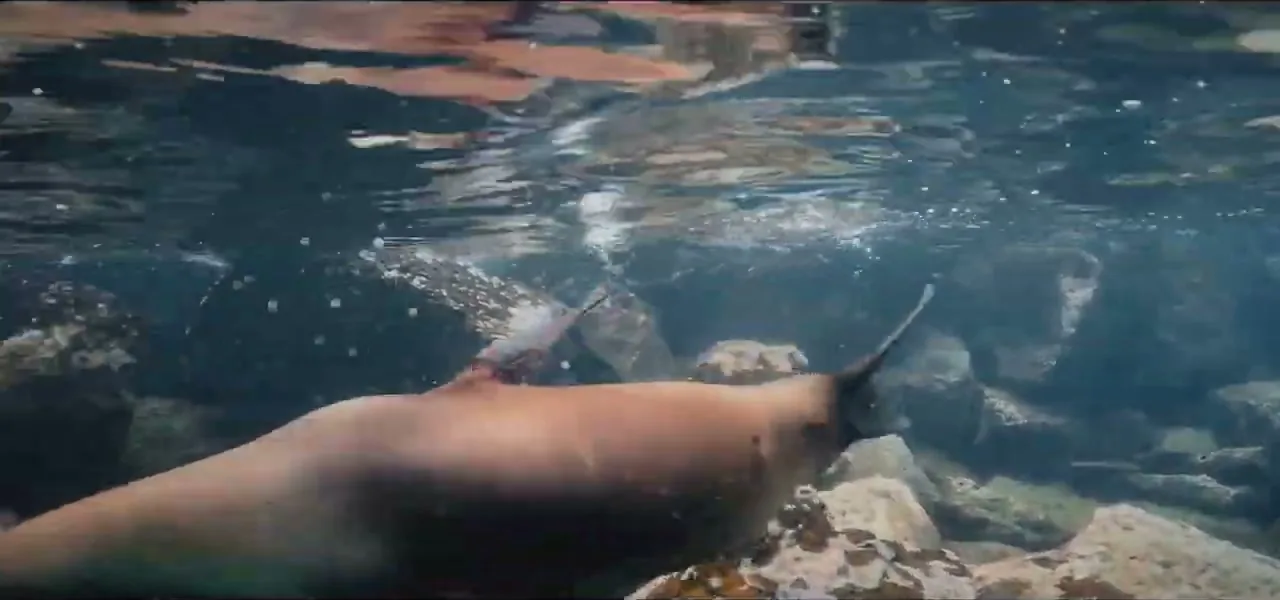
The single most surreal thing about the Galápagos is that nothing runs away. Because these remote islands were never home to large land predators, the wildlife never evolved a fear response — and that includes a fear of us. Sea lions nap on park benches. Birds land at your feet. Iguanas sunbathe on the footpaths and don't so much as flinch.
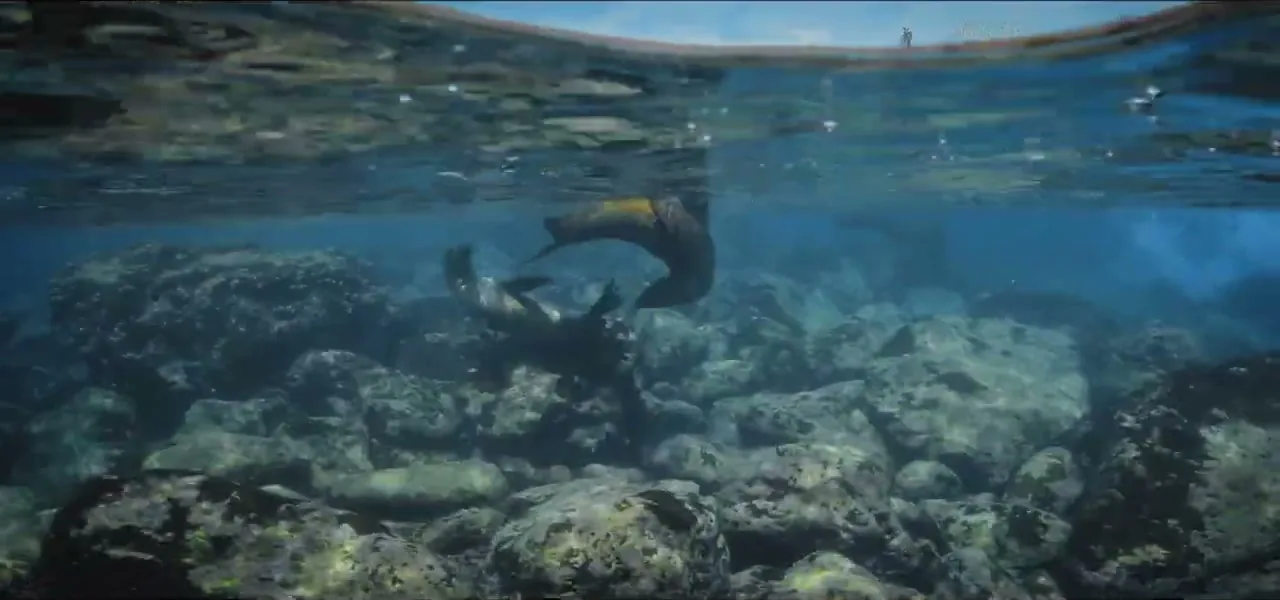
Snorkeling off Santa Fe Island, I had sea lions playing barely 50 centimetres from me, spinning and darting, and at one point a big male shouldered my legs aside — a reminder that "unafraid" doesn't mean "tame." You are a guest in their living room, and the park's cardinal rule follows from exactly this fearlessness: keep your distance, and never, ever touch.
The Giant Tortoises
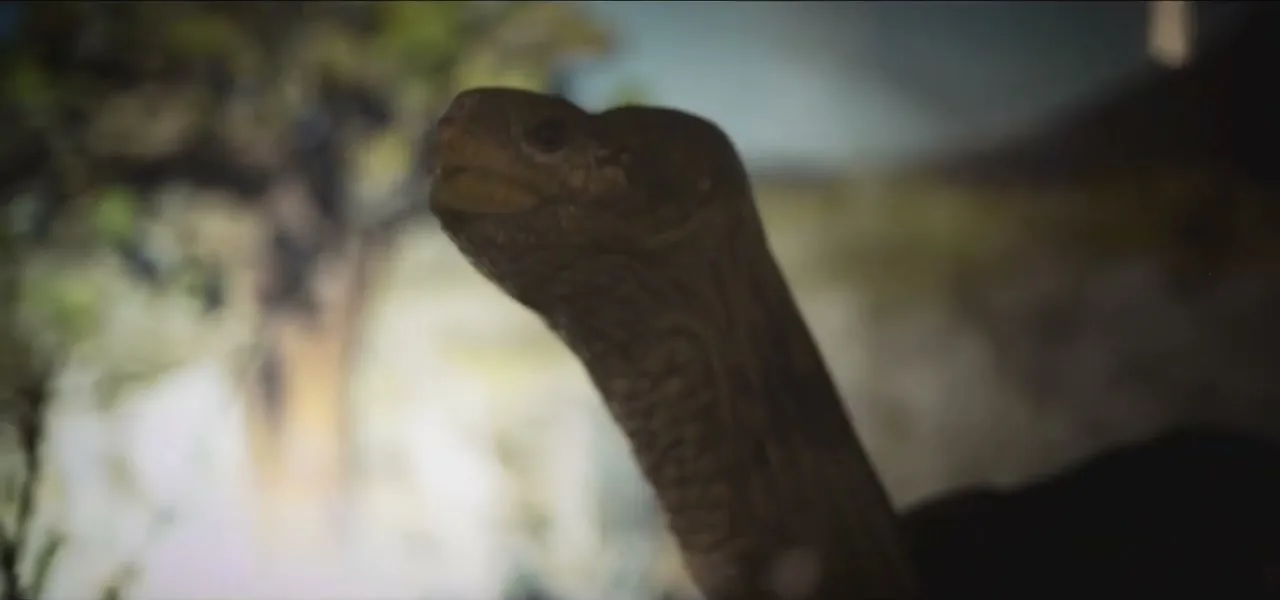
They are the reason the islands have their name, and they are staggering in person. Galápagos giant tortoises can weigh up to 250 kilograms and live well over a century — some individuals alive today were hatched in the 1800s. To put that in perspective, my guide pointed to one old male and noted that he was born before Canada existed as a country.
At the breeding centre I learned to read them. Males are larger, with a concave underside and a long tail (both, ahem, for reproduction); females are smaller and flat-bottomed. And you can estimate a tortoise's age from the growth rings on the plates of its shell — the fewer distinct rings, the older the animal, until on the most ancient ones the rings smooth away entirely. As I joked at the time, I kept wanting to ask what the gas mileage was.
Canada, where I live, is only about 155 years old. Well, this tortoise here is older than that — he was born before Canada, and he's still alive and well.
Lonesome George: The Loneliest Animal on Earth
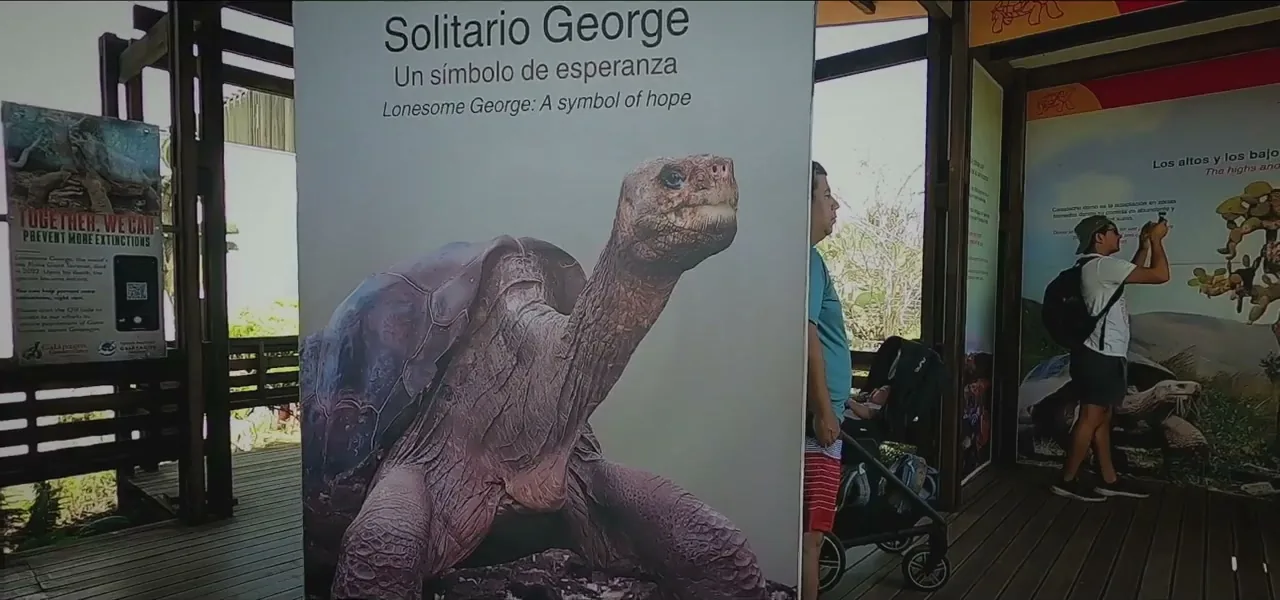
Every Galápagos tortoise story leads, eventually, to one animal. Lonesome George was the last known Pinta Island tortoise — the sole survivor of his entire species. For decades the national park tried everything to get him to breed with females of related subspecies. Nothing took. And on June 24, 2012, George was found dead, aged over 100. With him, an entire species went extinct.
Because he had become the islands' symbol, they chose to keep him. His body was flown to New York, preserved by master taxidermists at the American Museum of Natural History, and returned to the Galápagos, where he now lies in a climate-controlled room — you file past, pay your respects for a few minutes, and move on. One member of our group had visited as a child and met George alive; seeing him now, still and displayed, hit him hard. It hit all of us.
Diving With Sharks, Sea Lions and Eagle Rays
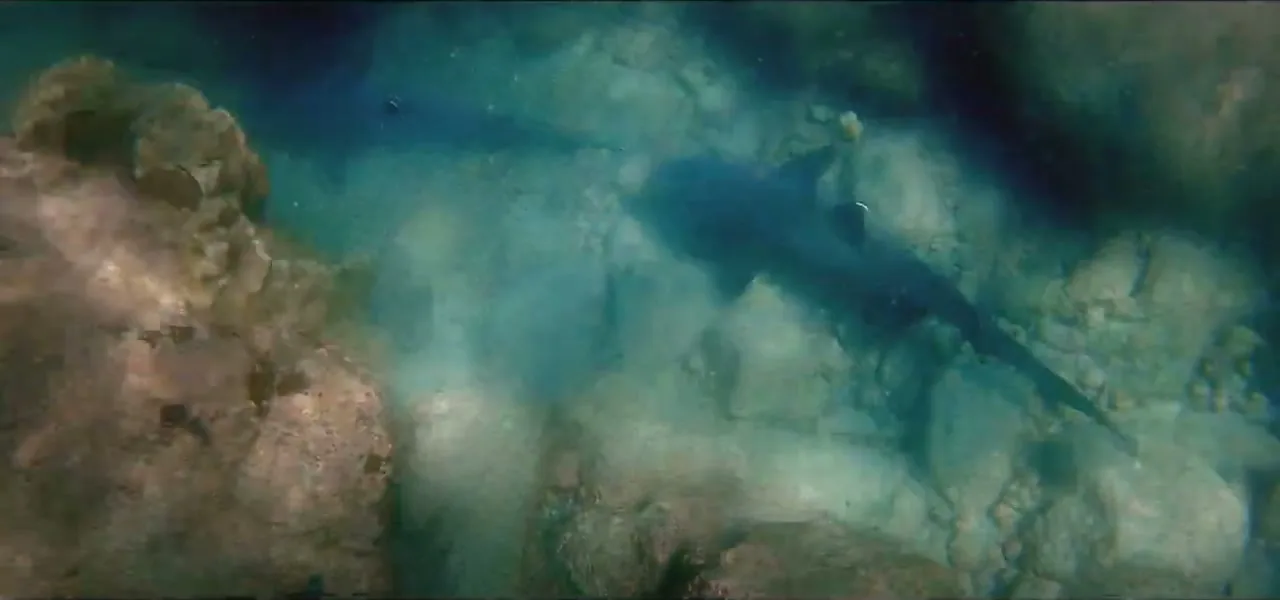
Almost everything you do in the Galápagos happens in the water, and it is unlike diving or snorkeling anywhere else. At Tortuga Bay on Santa Cruz — a spectacular white-sand beach — we kayaked in search of turtles and reef sharks. Over the following days we snorkeled with playful sea lions, glided above eagle rays (the moment, for me, that "crystallized" the whole trip), and finally did the thing that sounds insane: dived with sharks, without a cage.
The Galápagos sharks here are not interested in people, and the guides know it — so when the guide yells "Shark!", it's a call to swim toward them. Your brain has to recalibrate in real time. As I put it afterward, you just think, okay, that's how we do things in the Galápagos, I guess.
Penguins at the Equator, and the Strangest Wildlife on Earth
Here's a fact that shouldn't be possible: there are penguins on the equator. The Galápagos sit right on the line, yet cold, nutrient-rich ocean currents (the Humboldt and Cromwell) wash the archipelago, letting cold-water species thrive in the tropics. The Galápagos penguin is the only penguin on Earth found north of the equator.
It shares the islands with creatures found nowhere else: the marine iguana, the only lizard on the planet that swims and feeds in the sea; the flightless cormorant, a bird that evolved away its ability to fly because it never needed it; and the comically charming blue-footed booby, whose bright blue feet star in its mating dance. Each is a small master-class in how isolation reshapes life.
Endemic icons of the Galápagos
How a Tortoise's Sex Is Decided by the Weather
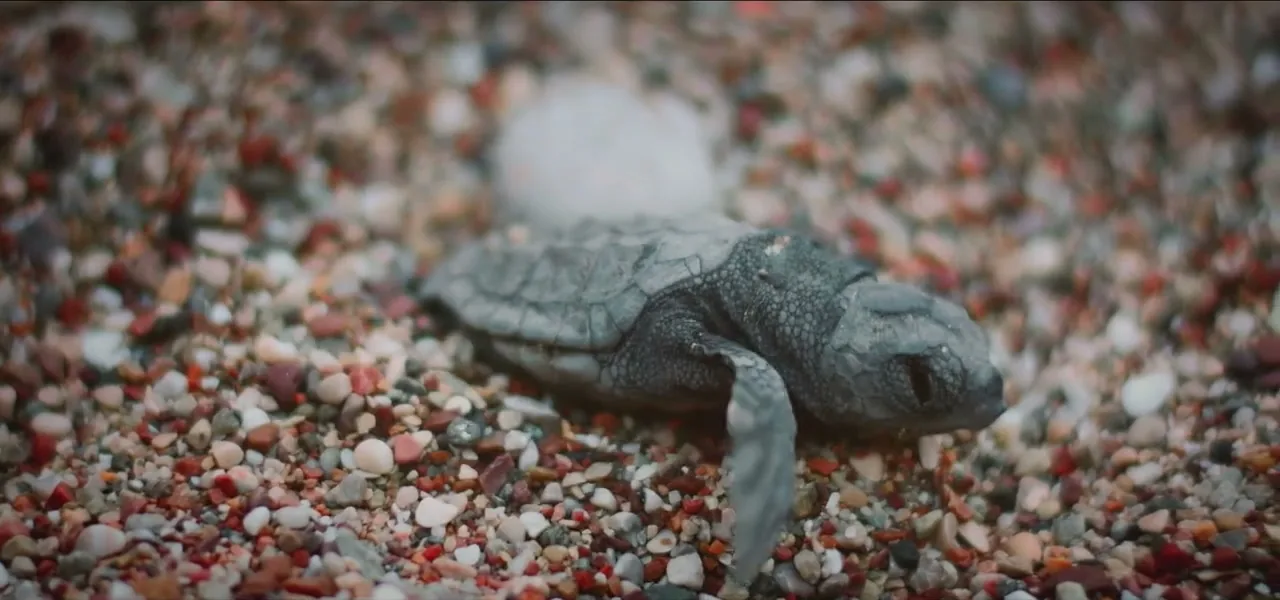
On the North Seymour tour, our guide Sofía explained something that stuck with me. Sea turtles and tortoises here practise temperature-dependent sex determination: a female digs a nest, lays perhaps 80 to 120 eggs, and the temperature of the sand decides the hatchlings' sex. Warmer eggs near the top of the nest become females; cooler eggs near the bottom become males. The animals don't reach breeding age for about 25 years. It's a system so finely tuned to climate that biologists now worry a warming world could skew entire generations female.
Islands on the Move: Fire, Lava Tunnels and a Presidential Cave
The Galápagos are young, restless and volcanic. They sit over a hotspot in the Earth's mantle, while the Nazca tectonic plate slides slowly southeast beneath them — carrying each island a few centimetres a year away from the hotspot that built it. The islands to the southeast are the oldest and most eroded; new ones are still being born in the west. Given enough millennia, today's islands drift on and sink, and fresh ones rise.
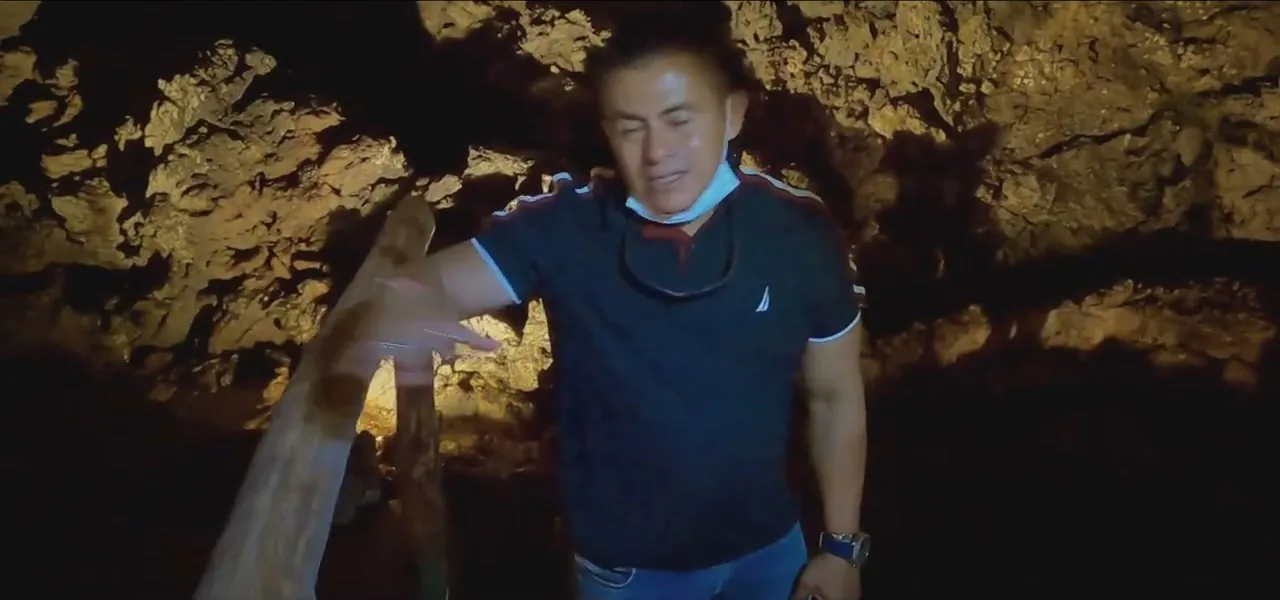
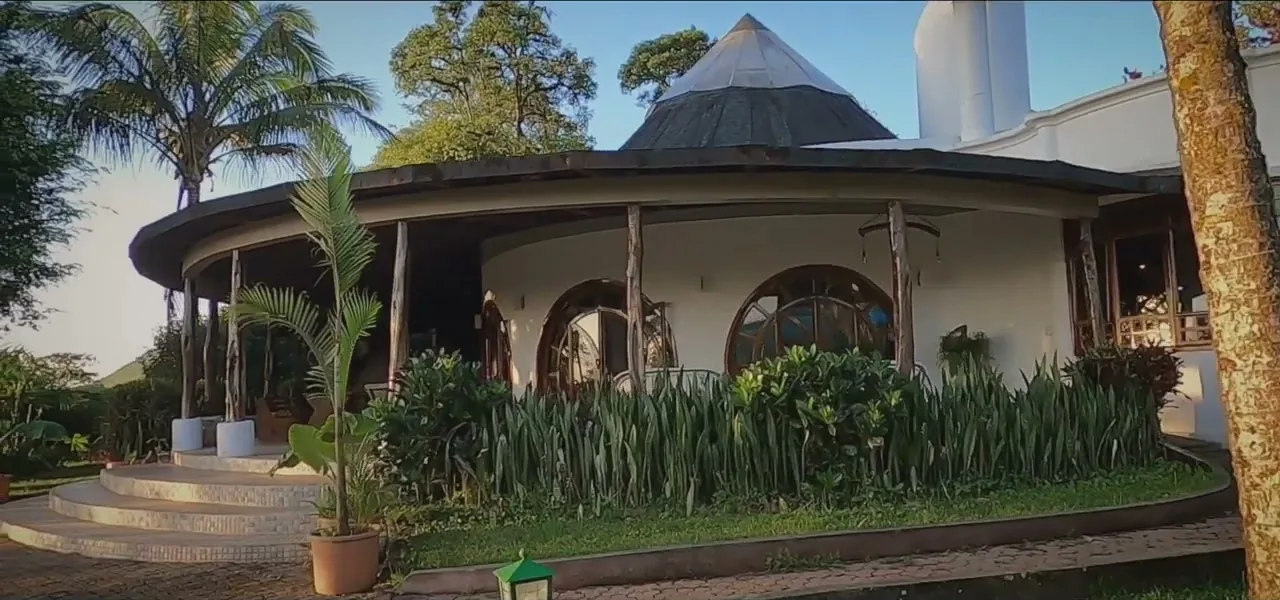
That fiery origin left the islands riddled with lava tunnels — caves formed when the outside of a lava flow cooled and hardened while molten rock kept draining out beneath. I explored one that's around a million years old, all stalactites and darkness. And in the highlands I stayed at The Royal Palm, where former U.S. president Bill Clinton had stayed just days before me (the villa runs about $300 a night). Its party trick: dinner is served inside a lava tunnel beneath the hotel.
Things That Surprised Me About the Galápagos
- The animals have no fear of humans — because nothing ever hunted them.
- The islands were the world's first UNESCO World Heritage Site (1978).
- 97% of the land is protected national park.
- There are penguins living on the equator.
- The marine iguana is the only sea-going lizard on Earth.
- Giant tortoises can live over 200 years and weigh 250 kg.
- Some tortoises alive today were born before Canada existed.
- Lonesome George, the last of his species, died in 2012 — and is still here, preserved.
- Guides shout "Shark!" as an invitation to swim closer.
- A hatchling's sex is set by the temperature of the nest.
- The islands are slowly drifting southeast on the Nazca plate.
- They're threaded with million-year-old lava tunnels — one of which hosts a restaurant.
- The name galápago means "tortoise" (and "saddle").
- Charles Darwin's 1835 visit here helped birth the theory of evolution.
- My dart, thrown among the tortoises, sent me to Africa for the first time.
The Last Wild Place
I've been lucky enough to see a lot of the planet, but nowhere has felt quite like the Galápagos — a place where the deal between humans and animals seems to have been rewritten. Here, for once, we're not the center of the story; we're visitors quietly allowed into someone else's Eden. It genuinely does what one friend said: it purifies you. The Wi-Fi barely works, the noise of the modern world falls away, and you're left standing in the middle of the ocean surrounded by creatures that regard you with total, disarming calm.
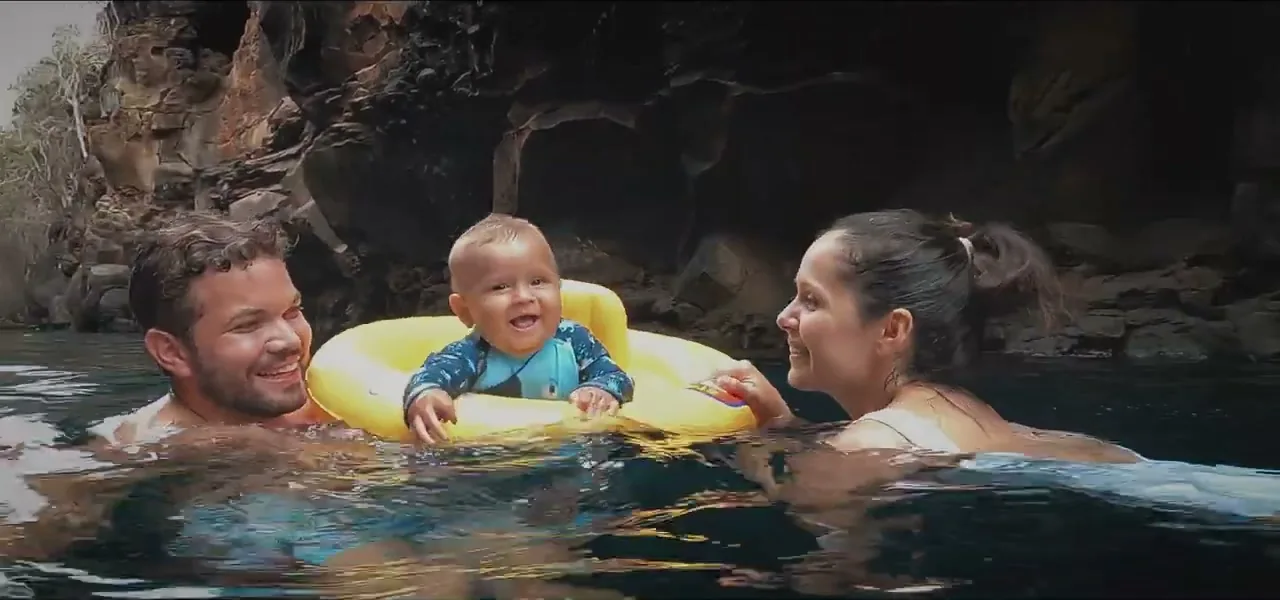
My friends brought their families along for this one — because some places are meant to be shared — and when I finally threw the dart among hundreds of ancient tortoises, it flew across the world and hit Africa for the very first time: Madagascar. But the Galápagos left the deepest mark. If you ever get the chance, respect it, protect it, and go.
Explore More Travel by Dart Journeys
- Go back one dart to my Costa Rica episode — where this throw came from.
- Meet the country that owns the islands in my Ecuador episode.
- See where the dart sent me next — my first time in Africa: Madagascar.
- More untamed nature in the Amazon Jungle and on Easter Island.
Suggested Sources & Further Reading
To go deeper into the Galápagos, these are some of the best authoritative resources:
- Galápagos Conservancy — conservation, wildlife and the story of Lonesome George.
- UNESCO World Heritage Centre — Galápagos Islands — the listing for the world's first World Heritage Site.
- Charles Darwin Foundation — the science and research behind the islands.
- Encyclopædia Britannica — Galapagos Islands — an authoritative overview.
- Natural History Museum — Darwin's finches — how the finches show natural selection.
All facts verified July 2026.
Galápagos: traveler questions
Where are the Galápagos Islands, and who do they belong to?+
The Galápagos are a volcanic archipelago in the Pacific Ocean, about 1,000 km off the coast of Ecuador, which governs them as a province. There are 21 islands (13 major) and roughly 25,000–33,000 residents, most on Santa Cruz around the town of Puerto Ayora. They straddle the equator.
Why aren't the animals in the Galápagos afraid of people?+
Because the islands were never colonized by large land predators, the wildlife never evolved a fear of them — including humans. Sea lions, tortoises, iguanas and birds let you approach remarkably closely. Park rules ask visitors to keep a respectful distance and never touch, precisely because the animals won't flee.
Who was Lonesome George?+
Lonesome George was the last known Pinta Island giant tortoise and the symbol of Galápagos conservation. Despite years of efforts to breed him, he died on June 24, 2012, aged over 100 — marking the extinction of his species. He was preserved by taxidermists and is displayed in the islands as a monument to fragility.
Why does the Galápagos have penguins at the equator?+
The cold, nutrient-rich Humboldt and Cromwell ocean currents wash the islands despite their equatorial location. That cool water lets species you'd expect near Antarctica — like the Galápagos penguin, the only penguin found north of the equator — live alongside tropical wildlife.
What is the connection between the Galápagos and Charles Darwin?+
Charles Darwin visited the islands in 1835 during the voyage of HMS Beagle. His observations of how species like the finches differed from island to island helped inspire his theory of evolution by natural selection. The Galápagos are often called a 'living laboratory of evolution.'
Is the Galápagos protected, and when's the best time to visit?+
Yes — 97% of the land is a national park (established 1959) and it was the world's very first UNESCO World Heritage Site, in 1978. Wildlife is spectacular year-round; the warm/wet season (Dec–May) brings calmer seas and greener islands, while the cool/dry season (Jun–Nov) brings more marine life and active seabirds.