Season 3 · Episode 7
Japan
The country I still could not completely understand.
On this page ▾
By Sorin Mihailovici · Travel by Dart · Last updated August 2026 · ~18 min read
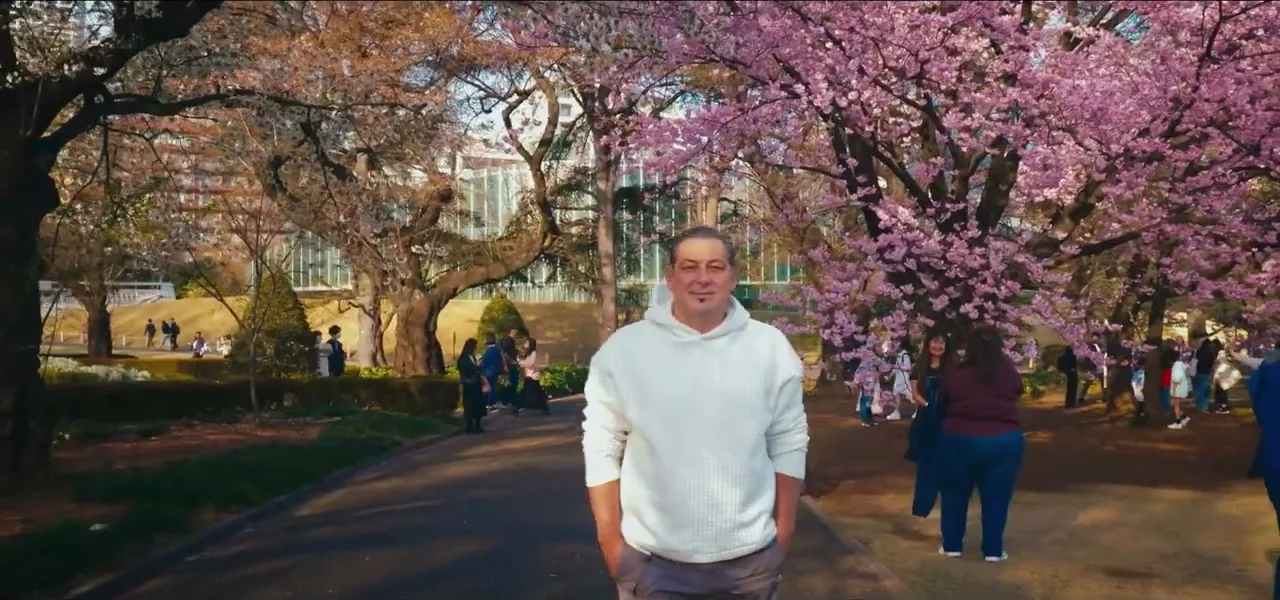
I have been chasing this country, without meaning to, for three whole seasons. When I threw the dart, blindfolded, from a beach house in the Cayman Islands, it skipped first over Madagascar — already visited — and then landed on a tiny scatter of specks in the Pacific: the Bonin and Marcus Islands, which belong to Japan. I actually shouted. Japan had sat at the very top of my list for as long as I can remember, and somehow the map had dodged it for years. Now, finally, it was happening. I had only one non-negotiable goal: I would not leave until I'd seen the cherry blossoms in full bloom. What I got was so much more — a country so layered, so deeply itself, that I'll admit up front I still don't completely understand it. This is where it began: in Tokyo.
Quick facts: Japan at a glance
- Capital
- Tokyo
- Population
- ~124 million
- Language
- Japanese
- Currency
- Japanese yen
- Known for
- Tradition + technology, food, safety, ritual
- Cherry blossom season
- Late March – early April
- Oldest temple in Tokyo
- Senso-ji (645)
- This chapter
- Tokyo
The Country I Couldn't Fully Understand
Some countries you can sum up in a sentence. Japan is not one of them. It is a place where the most advanced technology on Earth sits comfortably beside temples that predate most of Europe's cathedrals; where a neon crossing packed with thousands of people is a short train ride from a forest so sacred you're not allowed to bring in so much as a bottle of water. It's a nation of about 124 million people built on a spine of respect, discipline and ritual, where the smallest interactions — how you pay, how you bow, how you eat — carry a grace I found genuinely humbling.
It's also, famously, one of the safest and most orderly countries anywhere. But the thing that struck me hardest wasn't the efficiency; it was the depth. Every experience I had here had a reason behind it, a history, a meaning. After a month, I could navigate Japan, enjoy it, be moved by it — but understand it completely? No. And I've come to think that not-quite-understanding is part of the point.
A Nation of Islands and Volcanoes
A little context makes Japan's character click into place. This is an island nation — an archipelago of thousands of islands (a 2023 recount put it above 14,000), strung along the Pacific's "Ring of Fire," which is why the country lives with constant earthquakes and is crowned by volcanoes like Mount Fuji. Four main islands hold almost everyone: Honshu, Hokkaido, Kyushu and Shikoku. And because roughly three-quarters of Japan is mountainous, its huge population is squeezed onto the flat coastal strips — which is exactly why cities like Tokyo feel so dense, so vertical, and so ingeniously organised. Greater Tokyo is the largest metropolitan area on the planet, home to more people than many entire countries.
Its history explains the rest. For centuries Japan was ruled by shoguns and served by the samurai, sealed off almost completely from the outside world. Then, in 1868, the Meiji Restoration returned power to the emperor and flung the country's doors open, and in a single astonishing generation Japan modernised faster than almost any nation ever has. That collision — of a fiercely preserved ancient culture with a headlong rush into the future — is the tension you feel on every street, and it's what makes the place so endlessly fascinating.
Sakura: More Than Just Pretty Trees
Let's clear up the thing everyone gets wrong first, because I did too. Cherry blossoms are not fruiting cherry trees blooming. The Japanese cherry blossom — sakura — is an ornamental tree grown for its flowers, not its fruit, and it means far more here than a pretty photo. The blossom is a national symbol of the fragile, fleeting beauty of life itself: it explodes into colour for a week or two, then it's gone.
That's why, every spring — roughly late March into early April — millions of people, locals and tourists alike, come out for hanami, the beloved tradition of picnicking under the blossoms simply to appreciate them together. Standing beneath those clouds of pink and white, watching whole families spread blankets and share food in the falling petals, I finally understood why people plan entire trips around this. It was the one thing I'd sworn not to leave Japan without, and it did not disappoint.
Tea, Kimono and the Best Sushi of My Life
Rather than start with the tourist checklist, I wanted something authentic, so I visited the home of Yukiko, one of the most charismatic people I've ever met, to make sushi, wear a kimono, and share a traditional tea ceremony. She introduced me to katsuobushi — dried, smoked, fermented skipjack tuna, shaved into feather-thin flakes that carry an incredible depth of umami — and explained how sushi itself began centuries ago as narezushi, a way of preserving fish by fermenting it with rice and salt.
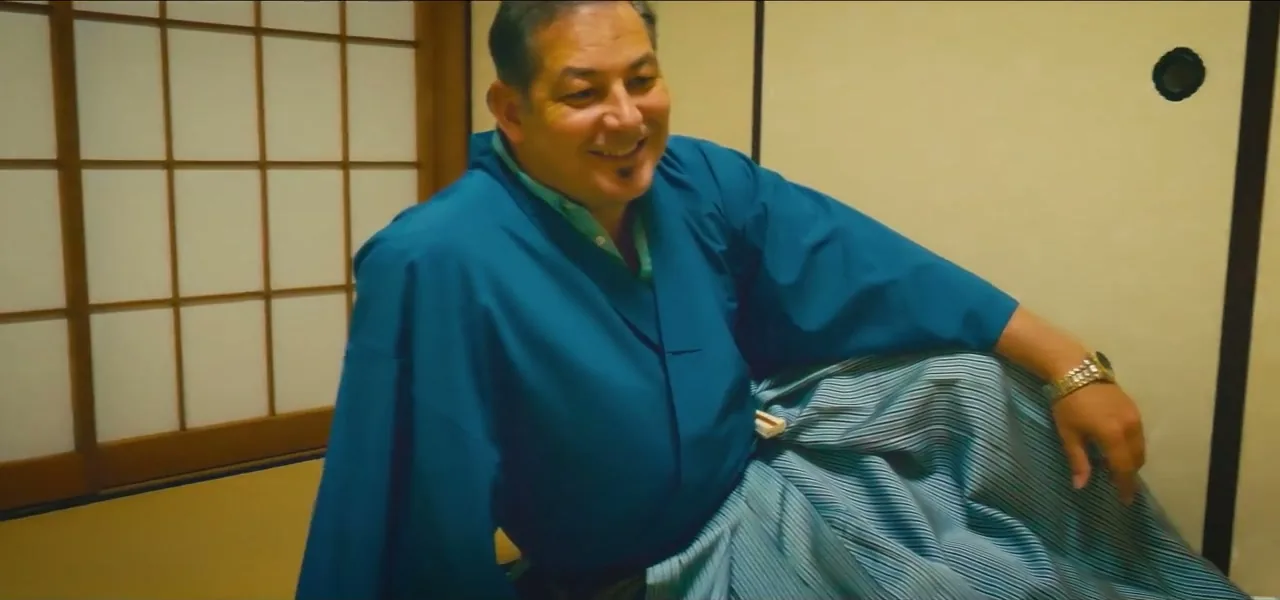
Then I changed into a kimono — the fabric so fine it felt like an expensive suit, which, I learned, it essentially is — and joined Yukiko for the tea ceremony, a cultural treasure built entirely on respect and harmony. Every single gesture, from purifying the utensils with a silk cloth to the precise whisking of the matcha, carries symbolism; it's less a drink than a meditation. One small lesson I'll carry home: in Japan you put the wasabi on the sushi itself, not stirred into the soy sauce the way we do in the West. And the verdict on the sushi? The best I have ever eaten — partly the skill, but mostly because I was sitting in a real Japanese home, eating it the way it was meant to be eaten.
Sushi, though, is only the doorway to Japanese food, which may be the best reason of all to come. Over my weeks here I slurped steaming bowls of ramen at counters the size of a closet, grazed my way through izakaya pubs on skewers and small plates, watched sushi glide past on conveyor belts, and bought hot meals and cold drinks from the country's legendary vending machines, which sit on nearly every corner. There's an obsessive care taken with food in Japan — seasonal, precise, beautiful to look at — that turns even a convenience-store rice ball into something quietly excellent. I came for the temples; I could have stayed just for the eating.
Japan kept surprising me right to the end — every day handed me something I couldn't have predicted.
Becoming a Samurai
The experience I'd been most excited about since the dart landed was the samurai. I'd done a lot of things in my life, but being a samurai was never one of them — until I walked into that place and felt history settle on my shoulders. A samurai, my teacher explained, was never just a warrior: he was also a politician, a philosopher and an artist, and their influence on Japanese culture runs bone-deep. They lived by a code called bushido — "the way of the warrior" — built on honour, loyalty, discipline and self-control, and much of what the world admires about Japanese culture today, from that famous restraint to the pursuit of mastery in even the smallest task, traces back to it. Before we touched a blade, my teacher walked me through the daily life of a samurai: not just the practice, but the changing into kimono and hakama, the meditation, the tea, the breathing. The sword, I came to understand, was the last part, not the first.
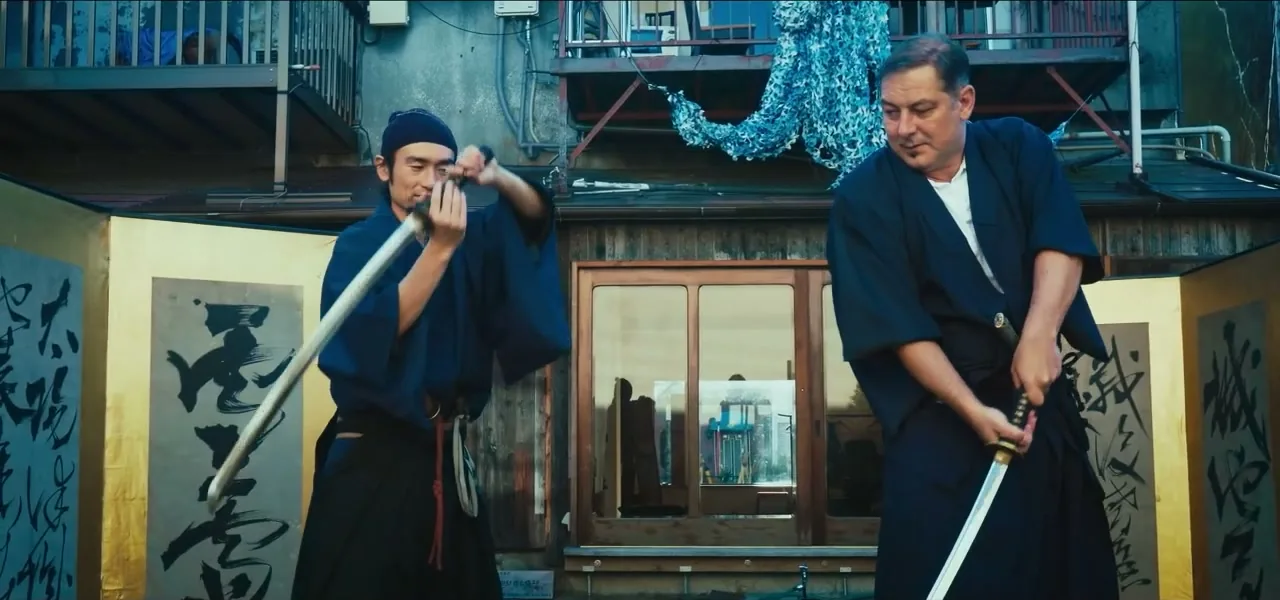
Then there were the swords. For over a thousand years, Japanese swordsmiths have passed their craft down through the generations, and today only around 200 craftsmen still forge traditional blades by hand. A single blade takes about a year to make, and prices start around 300,000 yen and climb, as my teacher put it, "to infinity" — the finest cost more than a car. To hold one is to hold living history. And when I was finally taught to breathe, step, and slash — to actually cut a target with a blade like that — it was, hands down, one of the coolest things I've done since I started throwing darts at the map.
Asakusa and the Oldest Temple in Tokyo
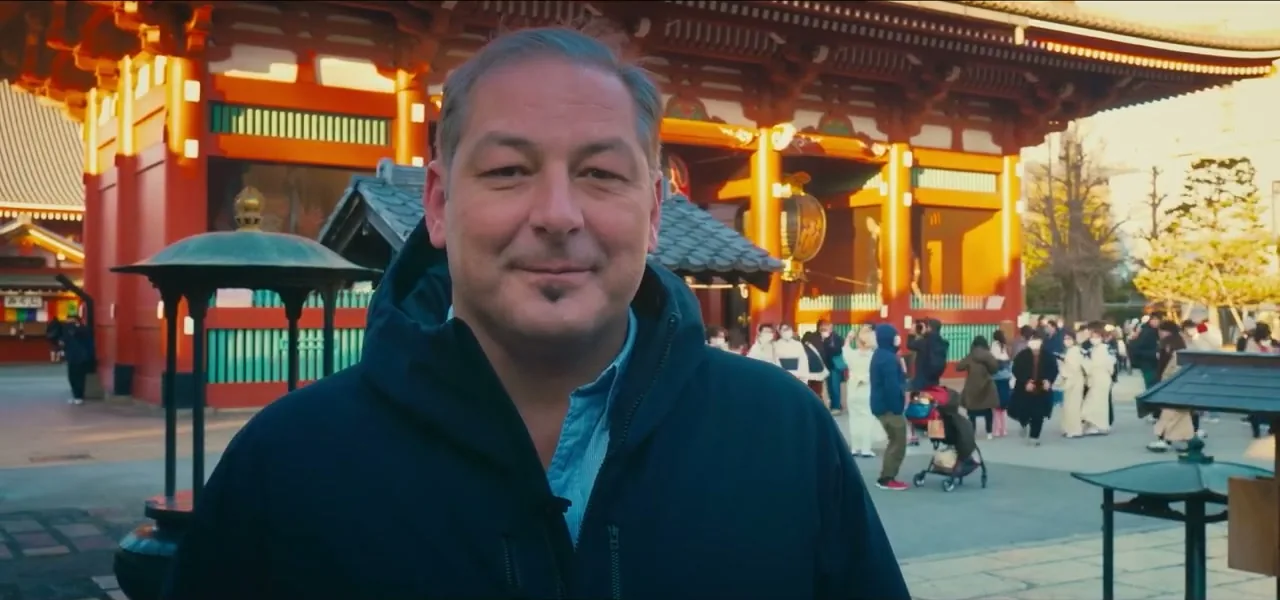
To find the soul beneath the neon, I went to Asakusa, and to Senso-ji, the oldest temple in Tokyo, founded in 645. Its origin is pure magic: in the year 628, two fishermen brothers pulled a tiny golden statue of Kannon, the goddess of mercy, from the Sumida River. They thought they shouldn't keep it and put it back — but all day, it kept returning to their net. So they kept it, and eventually a temple rose in her honour. (The adjacent Asakusa Shrine, from 1649, is one of the few structures that survived the WWII bombing of Tokyo.)
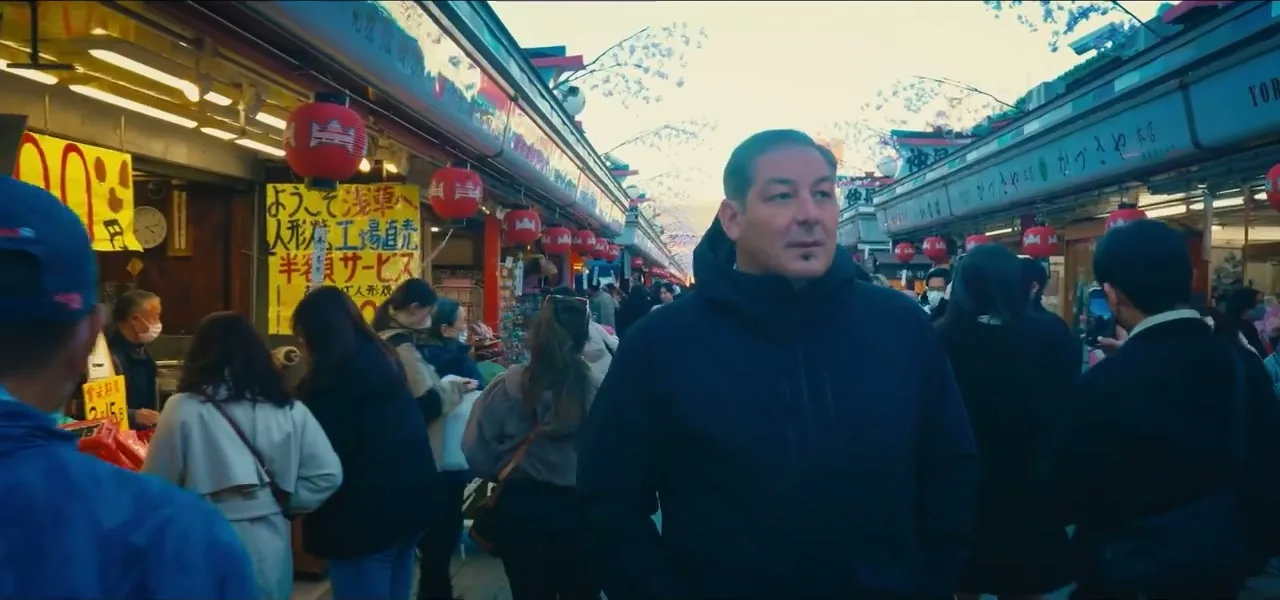
I explored old Asakusa the proper way: by rickshaw — a vehicle, fittingly, invented right here in Japan around 1869. As busy and bustling as the area is by day, by night it turns calm, quiet and strangely inspiring, the great pagoda glowing above the empty lanes.
Shibuya, Hachiko and the Neon Heart of Tokyo
For the opposite of ancient Asakusa, there's the Shibuya Scramble Crossing — and it really is a sight. Every few minutes, like a perfectly choreographed dance, thousands of people pour into the intersection from every direction at once, then scatter and clear it with a precision, efficiency and rhythm that captures modern Tokyo perfectly.
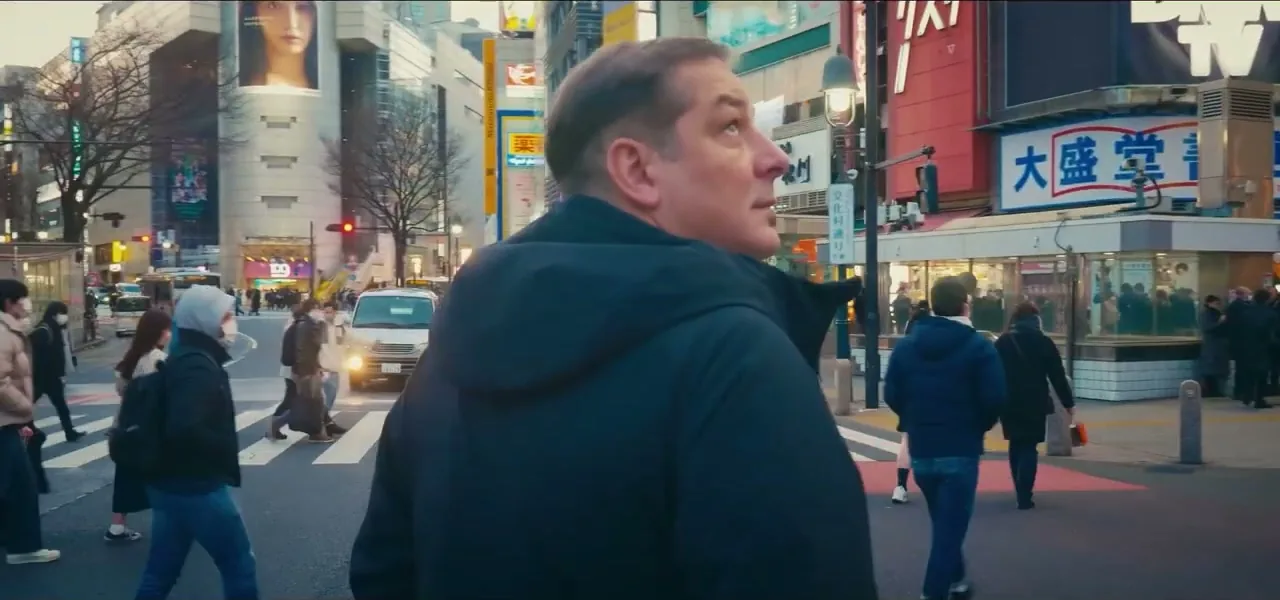
But the thing that got me at Shibuya wasn't the crowd — it was a statue of a dog. Hachiko belonged to a man who commuted from Shibuya Station every day, and every day the dog waited there to greet him home. When the owner died suddenly in 1925, Hachiko didn't understand — and so he kept returning to the station, waiting for a master who would never come, for roughly ten more years, until his own death in 1935. His loyalty made him a national symbol and the subject of films in both Japan and Hollywood, including one with Richard Gere that, I'll admit, was the last movie that made me cry. Because, you know — men cry too.
The Sacred Forest in the Middle of the City
Right in the heart of Tokyo, between the Harajuku and Yoyogi neighbourhoods, lies something I didn't expect: a vast, genuinely sacred forest. The Meiji Shrine was built to honour Emperor Meiji, who guided Japan's leap into the modern world, and around 100,000 trees, donated from every corner of the country, were planted here by hand. Because the forest is sacred, there is no human intervention allowed — you can't jog, eat, drink, or take anything in or out; if a tree falls, it's simply left where it lies. In the middle of one of the busiest cities on Earth, it's astonishingly still.
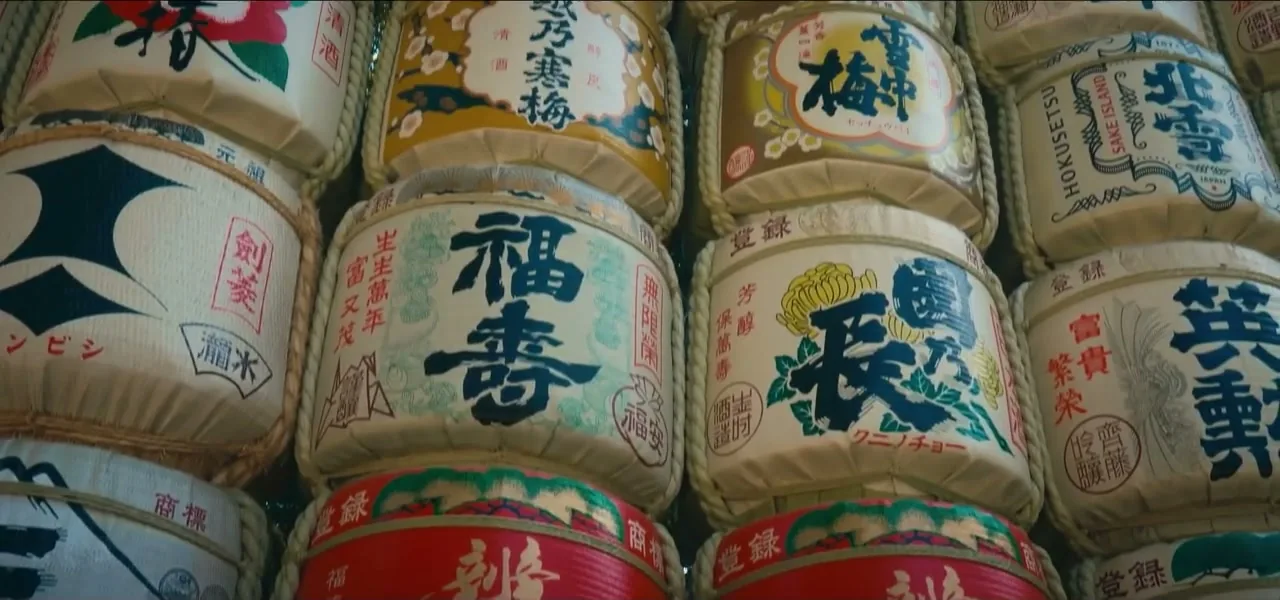
Along the path stands one of my favourite sights in Tokyo: a wall of hundreds of sake barrels, donated by brewers from all over Japan — and, facing them, rows of French wine barrels from Burgundy, a graceful nod to the emperor's embrace of Western culture. Nearby, visitors write wishes on little wooden plaques and hang them to be blessed. I wrote one too, and I hope that when I come back to Japan over the years, my little wooden wish will still be hanging there for me to find.
Harajuku, Otters and the Wonderfully Weird
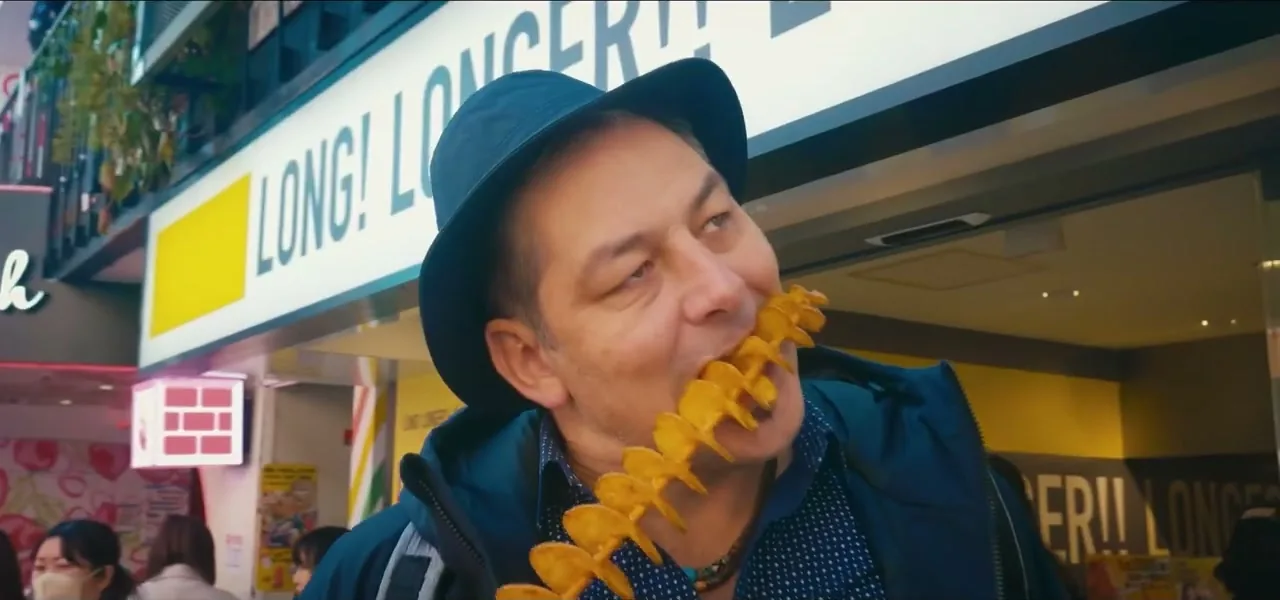
If Meiji is Tokyo's quiet soul, Harajuku is its joyful, chaotic id. This is the capital of Japanese youth culture — a riot of colour, street art, fashion boutiques and, along the famous Takeshita Street, trendy shops and food stalls selling things in colours a grown man isn't sure he should be eating. It's also where I discovered that Japan's love of animal cafés goes well beyond cats and dogs: we wandered into an otter café and made some very small, very furry new friends. It is, in the best way, a completely different planet from the temple I'd stood in that morning — and somehow both are equally, unmistakably Tokyo.
Omotenashi: The Art of Respect
If one idea sits at the centre of everything in Japan, it's respect — and it shapes a thousand small things a visitor quickly learns to love. There's the bowing, of course, calibrated with a precision I never fully mastered. You take your shoes off before stepping into homes and many traditional spaces. You'll notice the near-miraculous cleanliness of the streets despite a puzzling scarcity of public bins, the quiet of the trains, the way people queue without being told. And you do not tip — good service isn't a transaction you sweeten, it's simply the standard, offered with pride.
The Japanese have a word for this: omotenashi, a philosophy of wholehearted, anticipatory hospitality that gives without expecting anything back. I felt it everywhere on this trip — in Yukiko opening her home, in strangers going out of their way to help a lost foreigner, in the sheer care poured into things as small as how a shopkeeper hands you your change with two hands and a bow. Coming from the West, it can feel almost overwhelming at first. By the end, it had quietly recalibrated my sense of how people can treat one another.
Stepping Into the Sumo Ring
I couldn't leave Tokyo without confronting its most iconic sport. Sumo is far more than wrestling — it's a ritual soaked in Japanese culture, symbolising strength, discipline and tradition. The wrestlers live communally in stables called heya, under the total authority of a master, or oyakata, following brutal training and strict diets. They compete in tournaments, basho, six times a year, and before each bout perform shiko — that famous, thunderous stamping, lifting each leg high and bringing it down, half warm-up and half spiritual preparation.
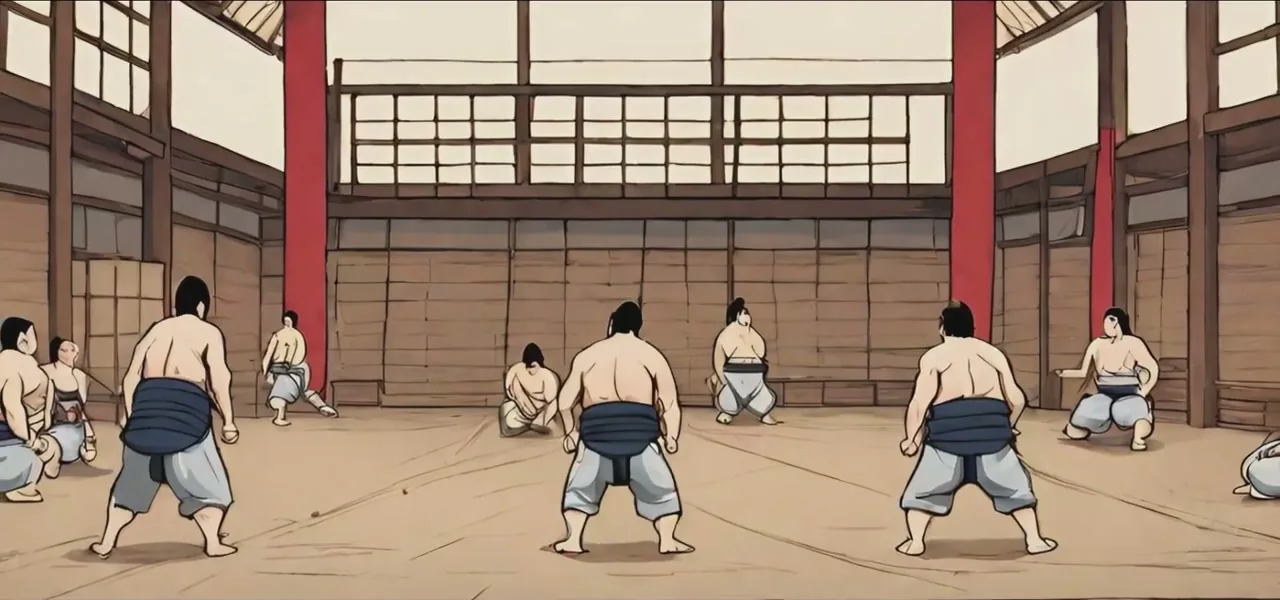
And then, of course, they got me into the ring. I will spare you the details of a normal-sized man trying to move a mountain, except to say that I now have an entirely new respect for what those athletes do, and that I lost with what I'd like to believe was dignity.
By the numbers: Tokyo by the numbers
- Senso-ji temple
- Founded in 645 — Tokyo's oldest
- Hachiko
- Waited ~10 years for his owner
- Meiji Shrine forest
- ~100,000 hand-planted trees
- Traditional swordsmiths
- ~200 left; ~1 year per blade
- Sakura season
- Late March – early April
- Sumo tournaments
- 6 a year (basho)
When to Go, and How to Do Tokyo
If this makes you want to book a flight, a little planning goes a long way. The two golden windows are spring (late March–April) for the cherry blossoms and autumn (roughly November) for the fiery red-and-gold maple leaves, koyo; both are gorgeous and both are busy, so book well ahead. Summer is hot and humid, winter crisp and clear.
Getting around is a joy once you know the tricks. Japan's rail network is the best on Earth — grab a rechargeable IC card (Suica or Pasmo) for city trains and buses, and if you're travelling between cities, the Shinkansen bullet trains are fast, spotless and famously punctual. Tokyo itself is enormous, so pick neighbourhoods rather than trying to "do" it all: Asakusa for old-world temples, Shibuya and Shinjuku for neon and crowds, Harajuku for youth culture, and a green pause at Meiji Shrine. A few kindnesses go a long way: learn a couple of words (arigato, sumimasen), don't eat while walking, keep your voice down on trains, and carry a little cash, because this high-tech country still loves it. Above all, leave room in the schedule to simply wander — Tokyo's best moments tend to be the ones you didn't plan.
This Was Only the Beginning
I came to Japan for the cherry blossoms and left with something much harder to name. In a single stretch of days I'd meditated over matcha, cut a target with a thousand-year-old blade, wept a little over a statue of a dog, stood in a sacred forest in the middle of a megacity, and been gently flattened by a sumo wrestler. Ancient and futuristic, rigid and playful, utterly serene and completely bananas — often on the same street. This is the country I keep telling you I couldn't fully understand, and I mean it as the highest compliment.
And Tokyo was only the doorway. This trip was so rich that one episode could never hold it, so it became several. From here, my journey continued deeper into the country: to the thousand-year-old former capital in my Kyoto episode, to the sacred slopes and snow monkeys of the Mount Fuji episode, and — in an experience so rare that even most Japanese people never have it — into the hidden world of the geisha. If Tokyo swept me off my feet, what came next only deepened the spell. Japan, it turns out, is not a place you visit once. It's a place that quietly rearranges you, and then asks you to come back.
Of all the countries the dart has chosen for me across three seasons, none has stayed with me quite like this one — not because it was the most beautiful or the most comfortable, but because it kept surprising me right to the end. Every day handed me something I couldn't have predicted, tied to a history I could only begin to grasp. I've told you I don't fully understand Japan, and after everything you're about to see across these next episodes, I still won't. But I've made peace with that. Some places aren't meant to be solved. They're meant to be felt — and then, gratefully, revisited.
Explore More Travel by Dart Journeys
- The same trip continues in my Kyoto episode and the Mount Fuji finale.
- The rare private evening with a geiko has its own Geisha special.
- Back one dart to where this throw came from: the Cayman Islands.
- More of East Asia the dart uncovered: South Korea.
Suggested Sources & Further Reading
To go deeper into Japan, these are some of the best authoritative resources:
- Japan National Tourism Organization — Japan's official travel authority.
- Encyclopædia Britannica — Japan — history, geography and culture.
- Encyclopædia Britannica — Tokyo — the world's largest metropolis.
- Encyclopædia Britannica — sumo — the sport and its rituals.
All facts verified September 2026.
Japan: traveler questions
How did the dart send Sorin to Japan?+
Sorin threw the dart, blindfolded, in the Cayman Islands. After skipping over Madagascar (already visited), it landed on the Bonin and Marcus Islands in the Pacific — which belong to Japan — so Japan it was. It took three full seasons of Travel by Dart for the dart to finally choose a country that had been at the top of his list all along.
Are cherry blossoms actually cherry trees?+
Not in the way most people assume. The Japanese cherry blossom, or sakura, is an ornamental flowering tree grown for its blooms rather than its fruit. Sakura season runs roughly late March to early April, when Japanese people gather for hanami — picnics under the blossoms to appreciate their fleeting beauty. The blossom is a national symbol of the beauty and transience of life.
What is the oldest temple in Tokyo?+
Senso-ji in Asakusa, founded in 645, is the oldest Buddhist temple in Tokyo. Legend says that in 628, two fishermen brothers pulled a small statue of Kannon, the goddess of mercy, from the Sumida River; no matter how many times they returned it to the water, it came back to them, so a temple was eventually built in her honour.
Who was Hachiko?+
Hachiko was an Akita dog famous for his loyalty. Every day he waited at Shibuya Station for his owner to return from work — and after his owner died in 1925, Hachiko kept coming to the station to wait for roughly ten more years, until his own death in 1935. A statue honours him at the crossing, and his story inspired films in both Japan and Hollywood.
Can you experience sumo and samurai culture as a tourist?+
Yes. Alongside temples and cherry blossoms, visitors can take part in hands-on cultural experiences — a private tea ceremony in a Japanese home, a samurai sword lesson (traditional handmade katana can take a year to forge and cost a fortune), and sumo experiences where you can watch, and even step into the ring with, the wrestlers.