Season 7 · Episode 4
Atacama Desert
The driest place on Earth — where people come for adventure and leave with something else.
On this page ▾
By Sorin Mihailovici · Travel by Dart · Last updated November 2026 · ~18 min read
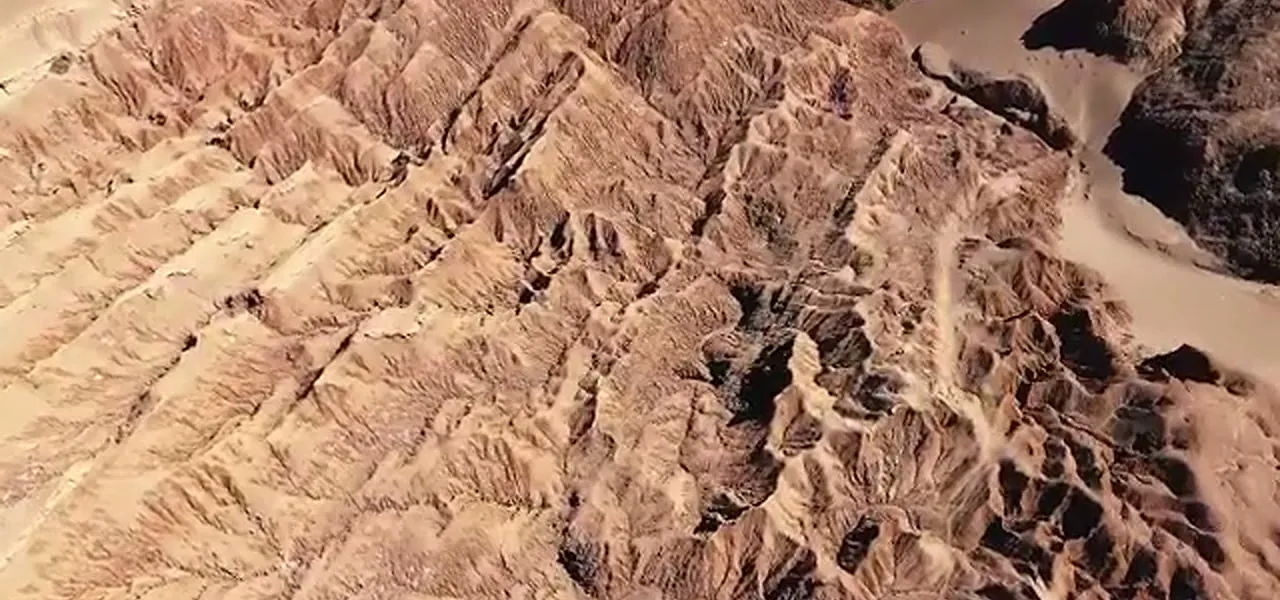
Some places announce themselves loudly. The Atacama whispers. After the noise and history of Santiago, the dart pulled me far to the north, into the driest place on Earth — a stretch of northern Chile so arid that some corners have never recorded a single drop of rain, and so strange that space agencies use it to rehearse missions to Mars. The desert doesn't welcome you; it makes you adjust. And out here, there is nowhere to hide — not from the silence, not from the past.
Quick facts: The Atacama at a glance
- This trip
- San Pedro de Atacama & around
- The desert
- Driest on Earth, northern Chile
- Base town
- San Pedro de Atacama (~2,400 m, adobe)
- Famous for
- Astronomy (ALMA), salt flats, Valle de la Luna
- I did
- Ballooning, Watsu, llamas, sandboarding, ceremony
- With me
- My longtime friend Rick Murti, turning 50
- The dart
- From the Chile (Santiago) leg
Why is it this dry? The Atacama sits in a near-perfect rain shadow: the towering Andes wall off the moisture of the Amazon to the east, while a cold ocean current and a stubborn band of high pressure strangle the rain coming off the Pacific to the west. The result is one of the oldest and driest deserts on the planet, arid for millions of years — a place so sterile in its core that NASA sends scientists here to test instruments bound for Mars. And yet this same dryness is a kind of wealth: the salt flats below hold a huge share of the world's lithium, the high lagoons blaze pink with flamingos, and the cloudless sky above has made this the astronomy capital of the Earth. The Atacama takes almost everything away — and in that emptiness, hands you things you find nowhere else.
A Milestone in the Middle of Nowhere
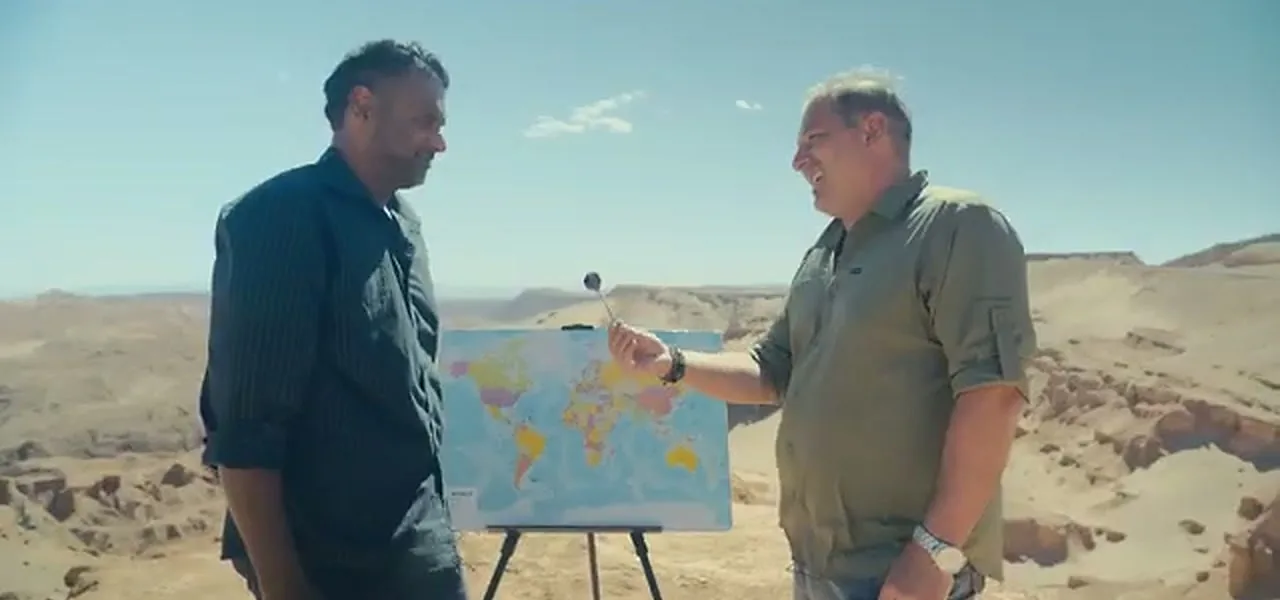
I didn't do this one alone. My longtime friend Rick Murti came along — and Rick isn't just a travel buddy. I'm the godfather to his son, a man who's seen me through the hard chapters as I've seen him through his. He had no idea what he was walking into. Because Rick was also here for something personal: he was turning 50, a milestone he'd been quietly carrying for years, and he decided to meet it not with a party but with a desert. He'd heard the story — how I'd thrown a dart at a map on a university stage and it had stuck on Chile — and he wanted in.
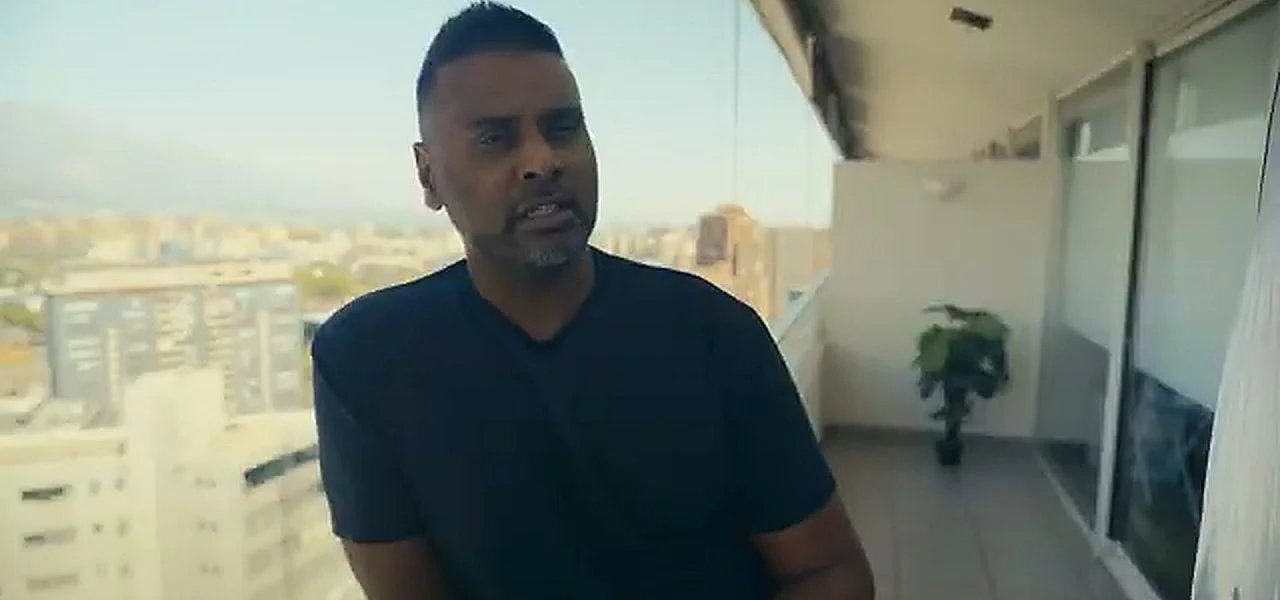
This is 50. I've always been waiting for it — it was my benchmark. I haven't taken enough time in my life to really stop and smell the roses, and I couldn't think of a better way to do it than to be here, with my best friend.
What Rick didn't know was that the Atacama had plans of its own for him.
San Pedro: A Town That Survived
Everything in the Atacama begins in San Pedro de Atacama, a low town of adobe at around 2,400 metres, framed by the perfect cone of the Licancabur volcano. From the air it's a cluster of earthen roofs against an immensity of nothing; on the ground it's dust streets, sleeping dogs and a pace that forces your shoulders down from your ears. It doesn't look like a town that grew, I kept thinking — it looks like a town that survived.
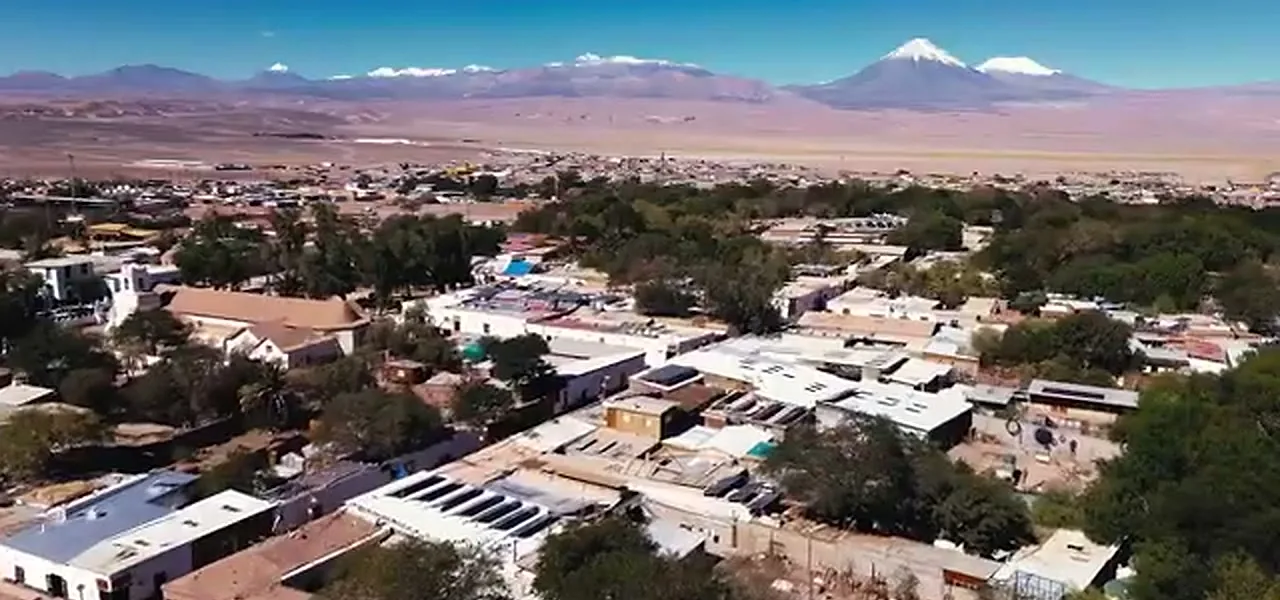
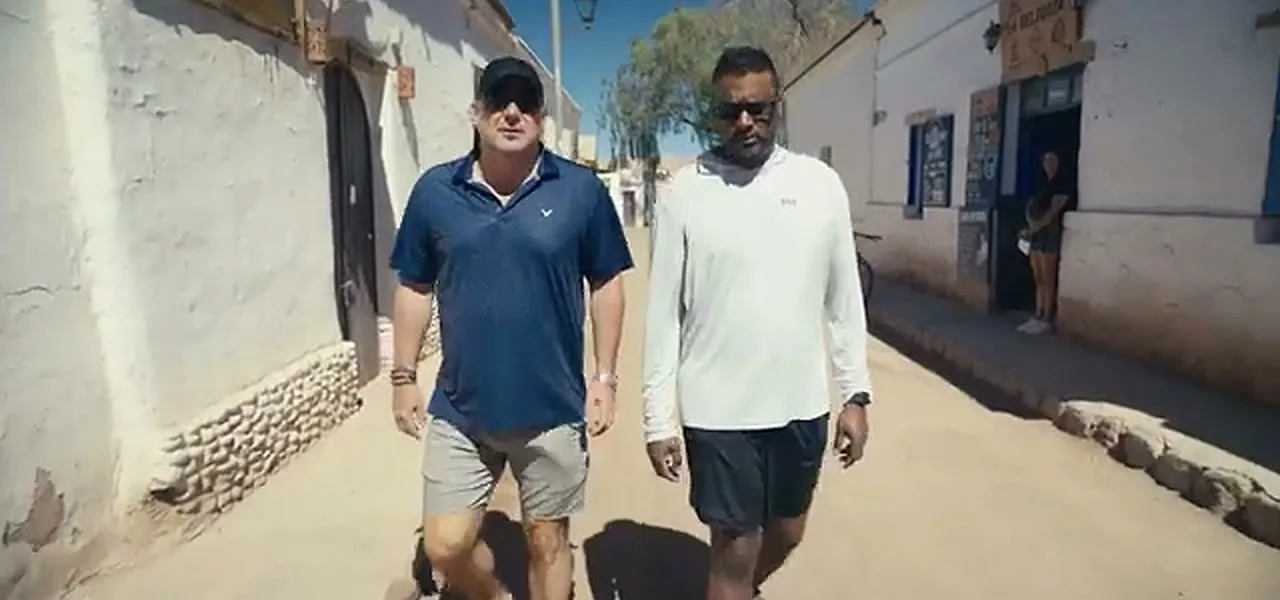
The town is raw, unpolished, and entirely the better for it. The streets are quiet but never empty, and you sense immediately that the people here have opted out of the race the rest of us run. Walking it with Rick, I felt San Pedro work on me like a pause button between earth and sky.
Kimal: A House Made of Earth
We based ourselves at Kimal, a small hotel built by a British woman named Amelia who came here, as so many do, by chance — and never left. Twelve years ago the Atacama blew her away, she told me, "a mixture of reality and magic," and it changed her so completely that she gave up her country, everything familiar, everyone she knew, to be here. What she built is made from the land itself: adobe — clay, water and straw, shaped by hand and dried under the same punishing sun that makes this place so extreme. It's one of the oldest building materials on Earth, and here even the houses come out of the ground.
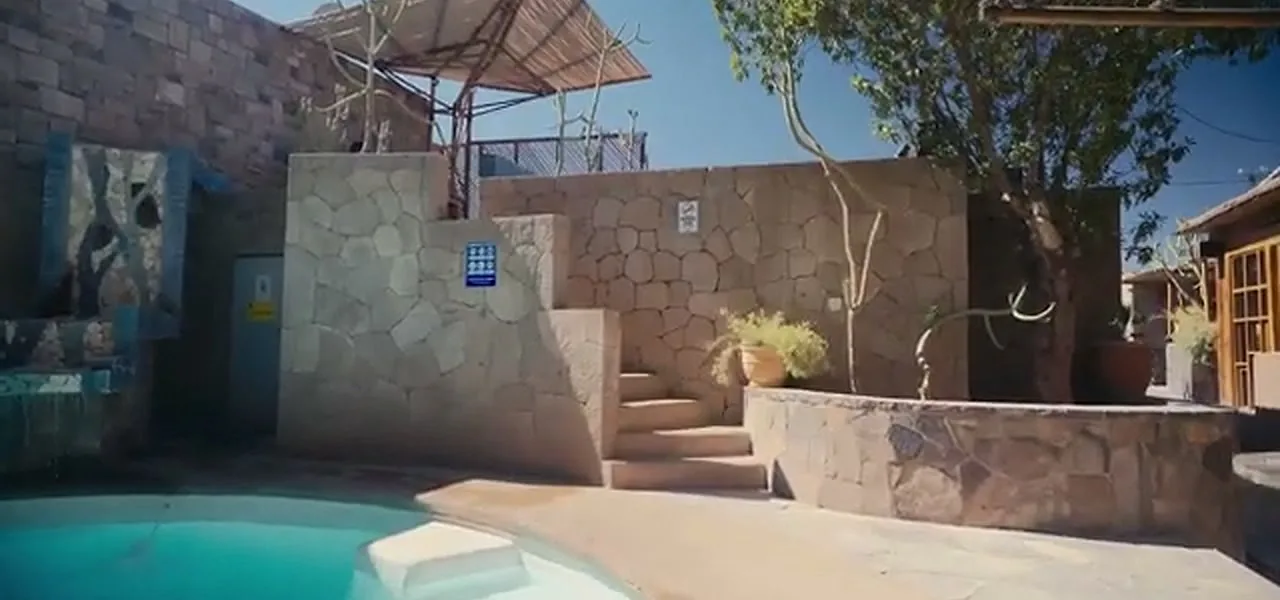
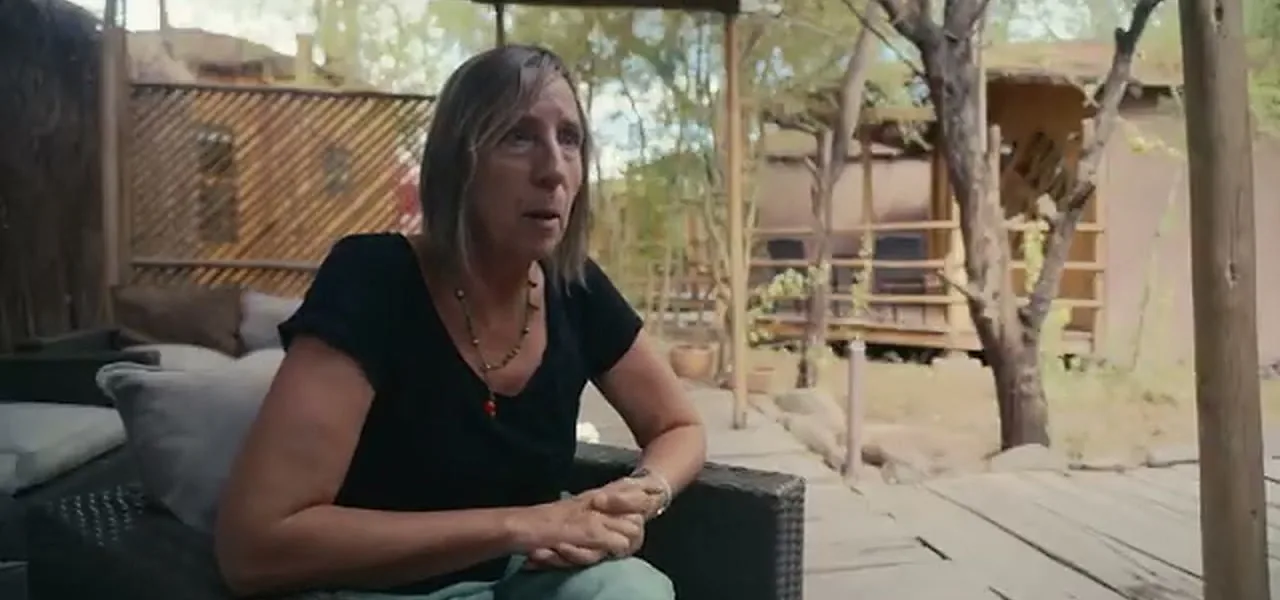
Atacama is a mixture of reality and magic. That was twelve years ago, and I've been here ever since — and I don't think I'll ever be leaving permanently. It made me want to leave everything familiar, everyone I knew, and just be here.
Up With the Sun: Ballooning the Desert
Before the desert wakes, there's a moment when everything is still — and then, slowly, it begins to rise. We met it from the air, lifting off at dawn in a hot-air balloon piloted by Joao, a man on his 922nd flight who still looks forward to every single one. From up there you finally grasp how textured this place is: the ridges and dry rivers and salt pans unfurling toward the Andes, the sunrise pouring gold across it all. "Up here," Joao said, "you realise how small we are."
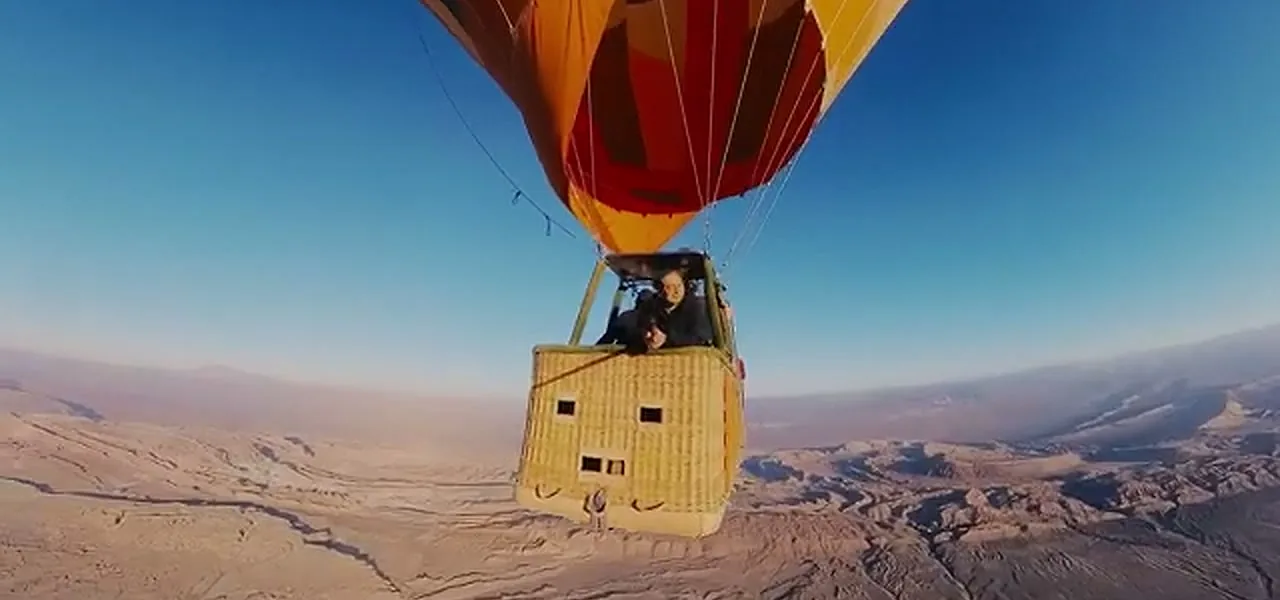
Before we touched down, Joao did what you do in the Atacama: made a small offering to the Pachamama, the mother earth. And just like that we were back on the ground — but something about the way I saw the place had already shifted.
The People Who Choose the Desert
On the ground, the Atacama is anything but simple, because out here it isn't only the land that shapes the experience — it's the people who understand it. You don't work in a place this harsh unless you love it. Jose Miguel Tagle spent 35 years in an IT company before a brother told him there was "something special" about living out here. Close to 60, he decided it was time to slow down, and he came. It is, he admits cheerfully, really hard to live here — genuinely extreme conditions. But he stayed, and built an adventure outfit called Capricornio Expeditions to show people the desert the way he sees it.
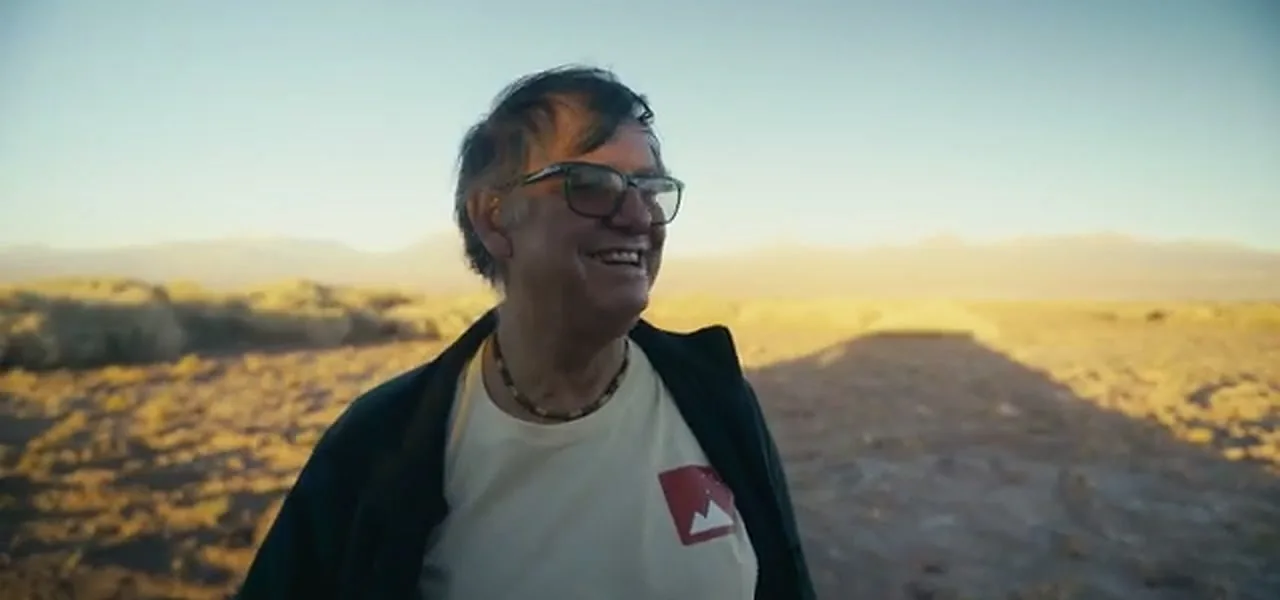
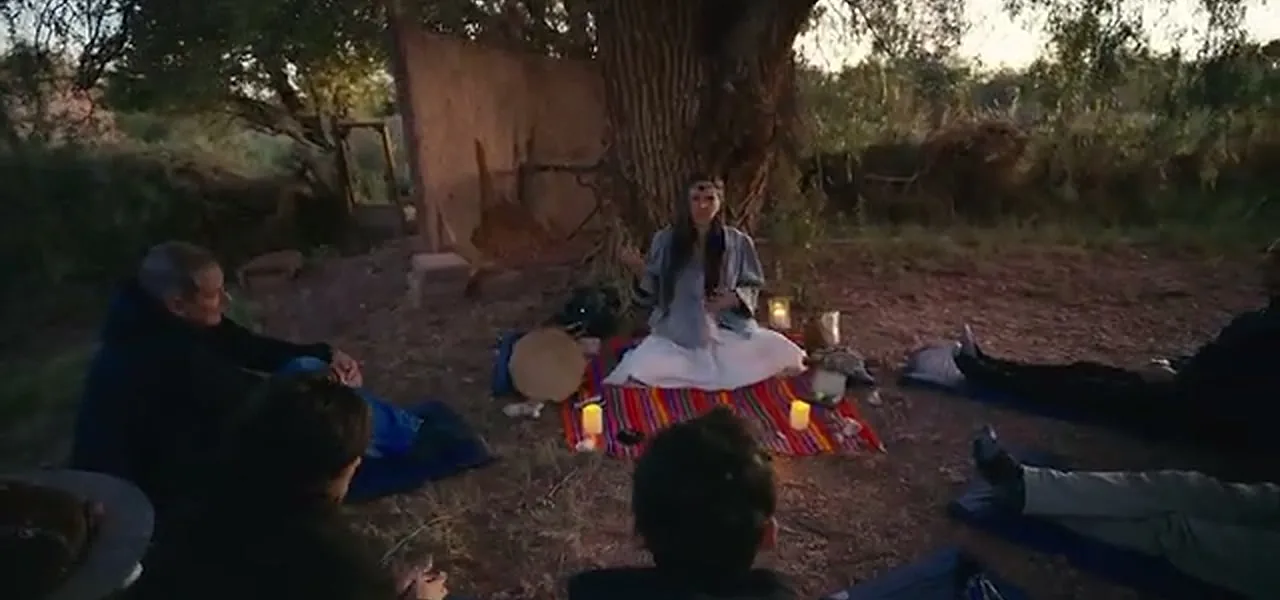
Ask Jose why he chose this place to run tours and he reels off a list that sounds made up: mountains, lakes, hot springs, salt flats, open desert, flamingos, vicuñas, foxes, llamas, guanacos, condors — an improbable wealth of life in the driest place on the planet. And he's not exaggerating. Within a short drive of San Pedro you can stand in the lunar canyons of the Valle de la Luna; watch dozens of geysers erupt at dawn at El Tatio, one of the highest geyser fields on Earth at around 4,300 metres; float effortlessly in the hyper-salty water of Laguna Cejar; and walk the edge of the Salar de Atacama, the vast salt flat where pink flamingos stalk the shallows of Laguna Chaxa. It is less a single desert than a dozen landscapes stacked on top of each other. Passion sounds different in a place like this, and it draws people together. Through Jose we met his family, including a woman named Paula, who welcomed us the very first night with a ceremony that told me immediately this desert was going to be different.
Floating in the Driest Place on Earth
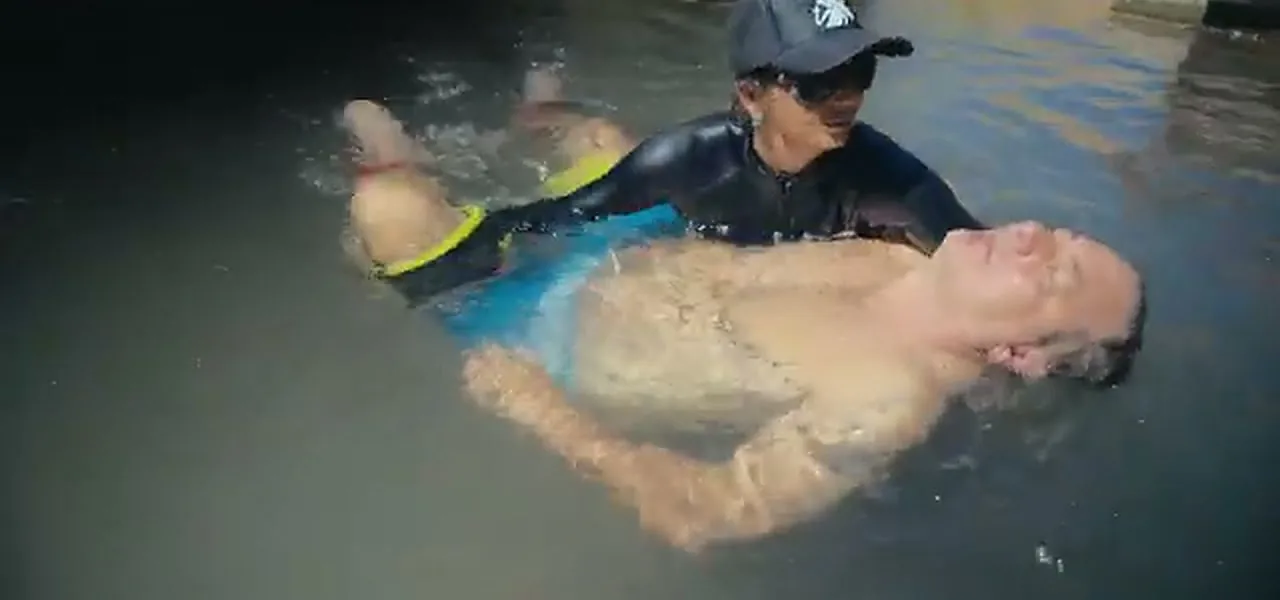
In a desert defined by the absence of water, water becomes almost unreal — and that's exactly where Jose took me next. In a green desert spring, a therapist named Valentina gave me Watsu, an aquatic therapy where you float in the practitioner's arms, cradled like a baby, carried through slow movements while she sings over you. Floating in the desert feels like cheating physics. My body has never moved — or rather, been moved — in that way. In the driest place on Earth, letting go in warm water, something quietly shifts.
There's a pattern I kept noticing in the people I met here. Amelia left an entire country for this desert. Jose walked away from a 35-year career. Valentina heals strangers in spring water; Paula reads the sky. Almost no one I met in the Atacama was from the Atacama in the ordinary sense — they'd been pulled here, often at a crossroads in their lives, and found something in the vast emptiness that made the comfortable version of their old life impossible to return to. The desert, it turns out, is a magnet for people looking to start over or slow down, and the harshness is precisely the point: when a place strips away everything non-essential, what's left is very hard to ignore. I think that's what Rick felt it tugging at, too.
Gonzalo: Keeping a Culture Alive
Long before any tourist arrived, life here moved to a different rhythm — and one man is fighting to keep it. Gonzalo Cruz-Berna is an indigenous Atacameño artist who raises llamas, makes pottery, and prepares traditional medicine like almost no one else. His worry is simple and urgent: that each new generation, offered the choice, leaves for work in the copper mines and forgets its roots. So he teaches. His whole project, he told me, exists to protect the Atacama — not the sand, but the knowledge.
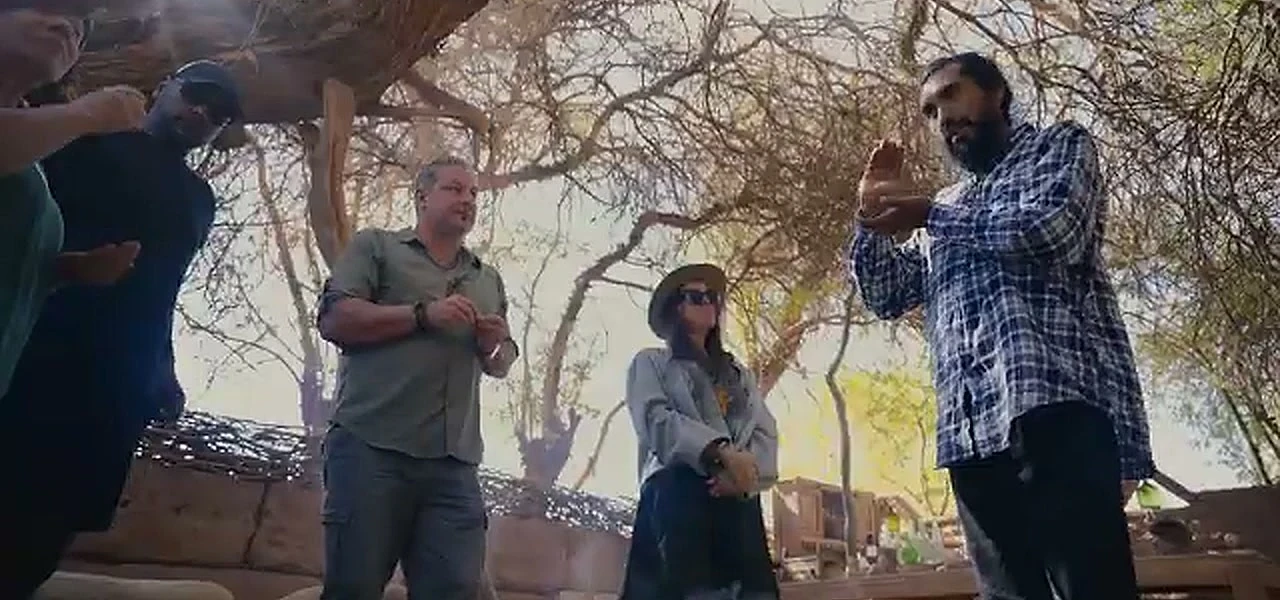
My responsibility is the survival of my culture. For it to survive, I need to teach my knowledge to other people. The llama is your connection with the earth — when you care for an animal, you have a connection with the place.
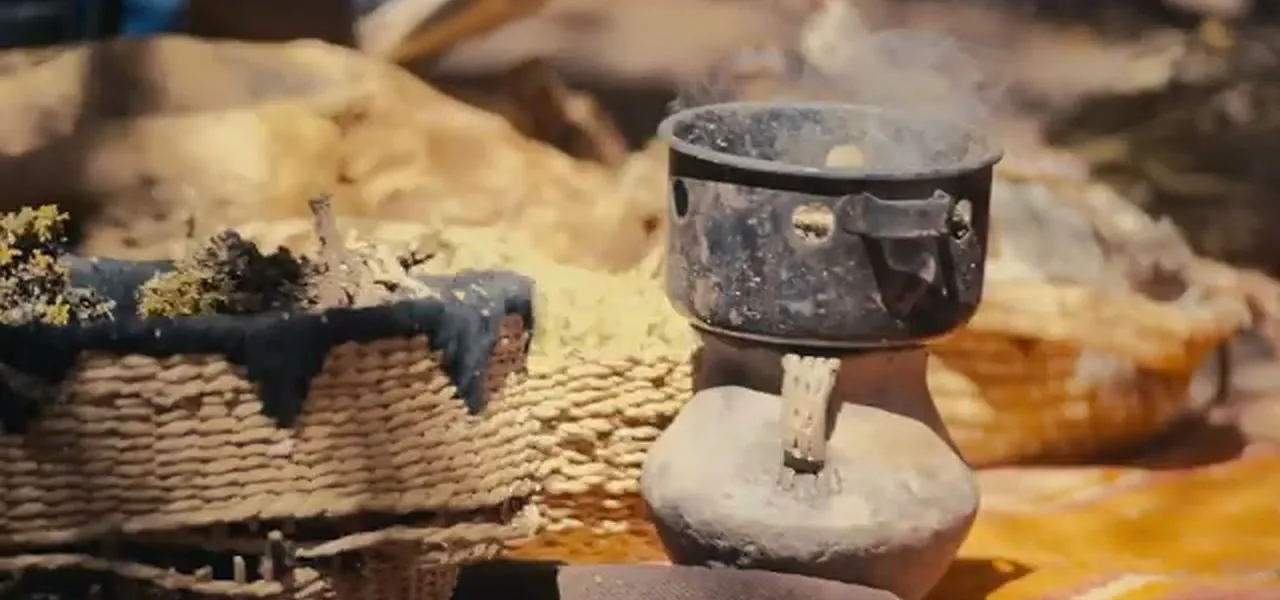
He handed me a llama's lead and we walked — and he's right, there's a first for everything. These animals aren't pets; they're part of something older than any of us. (One of them made its opinion of me clear by spitting, which is how you quickly learn who's really in charge out here.) Then Gonzalo prepared a spiritual cleansing with plants he gathers himself: chuchucanda, which grows only above 4,000 metres and which his grandmother used for the lungs when his grandfather came home sick from the sulfur mines; rica rica, a tough little desert bush good for the stomach. Nothing out here is wasted — not the land, not the knowledge, not the stories handed down the generations.
Down the Dunes
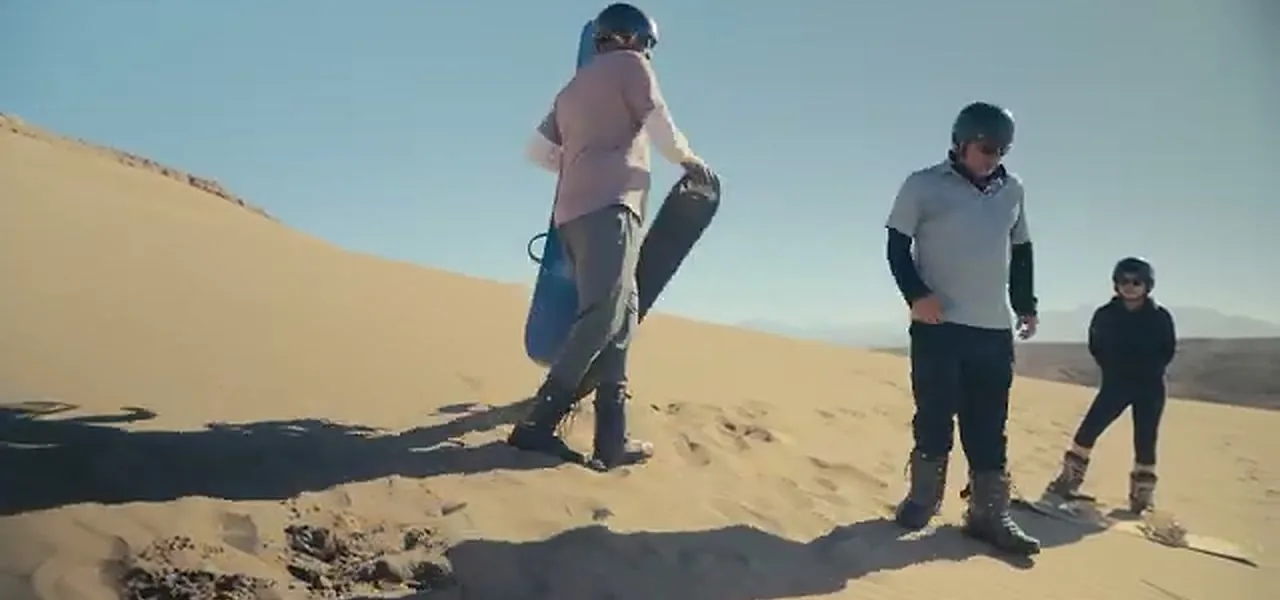
Just when you think you've understood the Atacama, it changes the rules. Sometimes the only way into it is with no roads and no signs — just sand and gravity. I'd never snowboarded, let alone sandboarded, but the desert has a way of talking you into things, so Rick and I hauled boards up a giant dune and pointed ourselves downhill. My honest first thought, halfway down: this was a terrible idea. My second, at the bottom: easier than I feared, and harder than I expected, both at once. You don't conquer the dunes. You learn to move through them. That, if I'm honest, became the quiet theme of the whole desert — in the water with Valentina, on the llama lead with Gonzalo, under the stars at night: you stop trying to master the Atacama and start letting it set the terms. It's a surprisingly hard lesson for two driven men in their fifties, and maybe that's exactly why the desert chooses to teach it.
The Clearest Sky on Earth
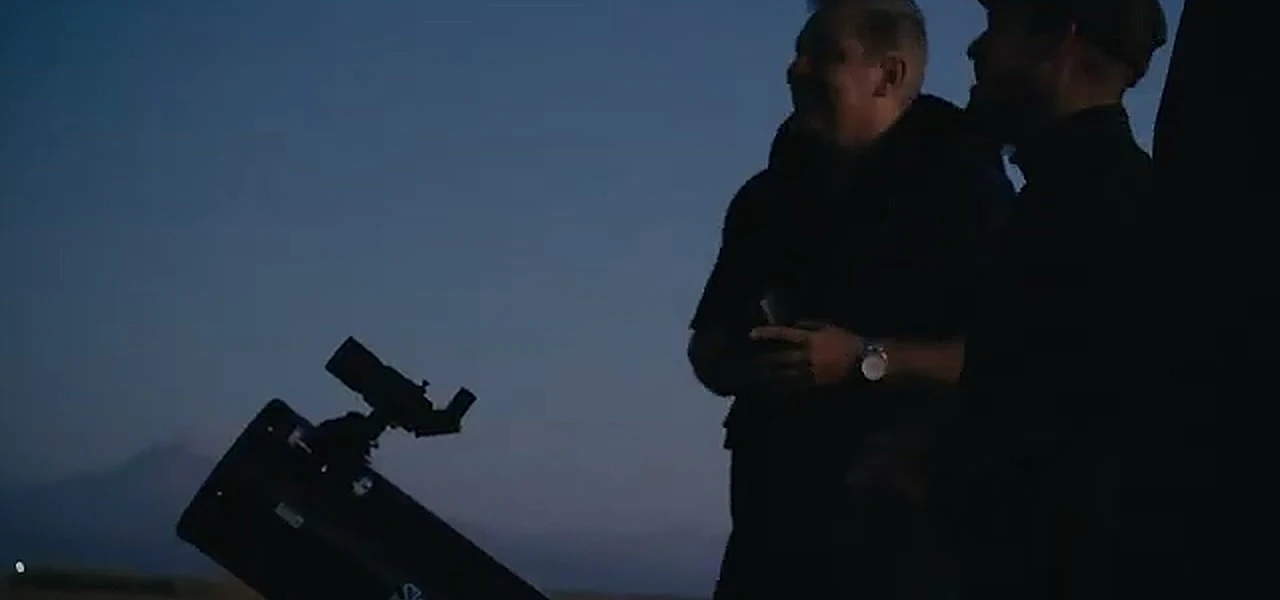
There are only a handful of places left where the night sky still feels untouched, and the Atacama is one of the best of them. Its low humidity, high altitude and near-total lack of light pollution make it a global capital of astronomy. Joao set up his telescopes for a rare treat — a night when the planets would line up almost perfectly for the human eye, an alignment that comes around only rarely. Amateur astronomy here, he explained, isn't really about physics; it's about light and perspective.
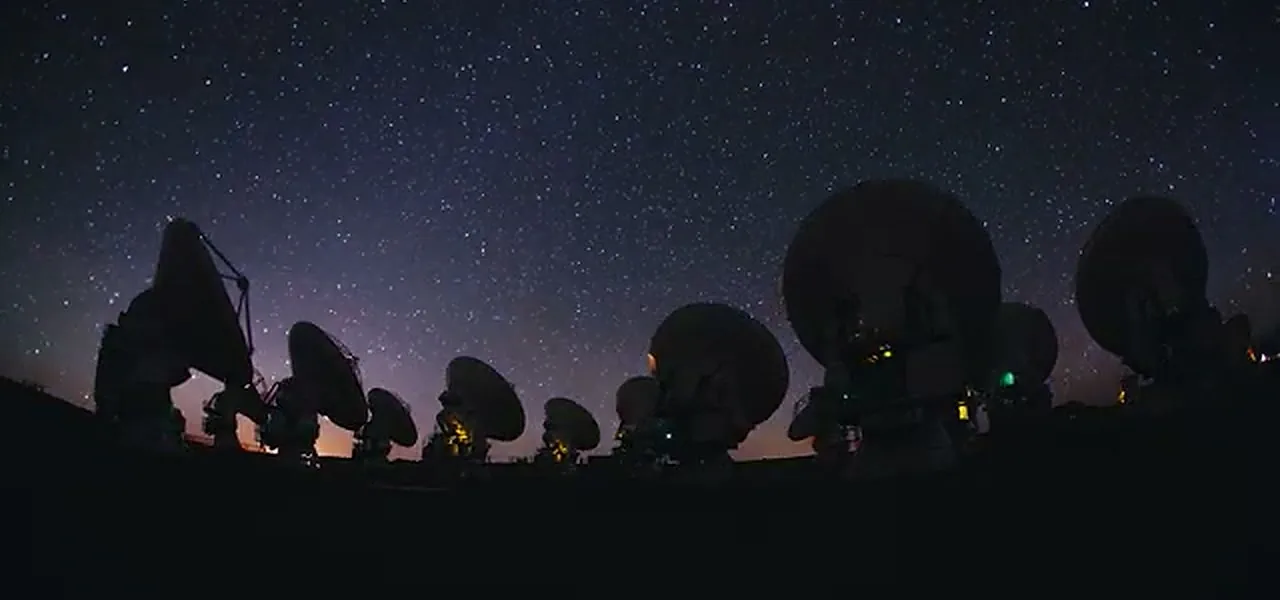
Above San Pedro, at over 5,000 metres on the Chajnantor plateau, sits the proof of just how perfect this sky is: ALMA, one of the most powerful ground-based observatories on Earth. It isn't one telescope but 66 antennas working as a single instrument — and it doesn't photograph stars so much as listen to the coldest, oldest radio signals in the universe, decoding how galaxies are born. We didn't catch the alignment from the exact angle we'd hoped; but somehow, under that sky, we felt it anyway. Standing in that cold, enormous dark, with more stars than black between them and the faint band of the Milky Way arcing overhead, the usual order of things flips: you come to the Atacama to look at the stars, and you end up thinking about Earth — how thin and precious and improbable this one lit-up rock really is. It's the same lesson the whole desert keeps teaching, just written across the sky instead of the sand.
By the numbers: The Atacama, by the numbers
- The desert
- Driest on Earth — parts with no recorded rain
- San Pedro de Atacama
- ~2,400 m altitude, built of adobe
- ALMA observatory
- 66 antennas · ~5,000 m on Chajnantor
- Joao's balloon flights
- 922 and counting
- Chuchucanda plant
- Grows only above ~4,000 m
- The desert's life
- Flamingos, vicuñas, guanacos, condors
- Rick's milestone
- Turning 50, here
If You Want to Go: Visiting the Atacama
Most people reach the Atacama by flying into Calama (about an hour from Santiago) and driving the last hour or so to San Pedro de Atacama, the little adobe town that serves as everyone's base. Give yourself a day to acclimatise before anything strenuous — San Pedro sits at 2,400 metres, and many of the best sights (the geysers, the high lagoons, ALMA's plateau) climb well past 4,000, where altitude is a genuine force; take it slowly, drink water, and don't be a hero on day one. The clear, dry climate means you can visit most of the year, with cool nights always, and the famously dark skies best away from the full moon.
Don't try to do everything. A few unhurried days — a sunrise balloon or the geysers, an afternoon in the salt lagoons, a night of stargazing, a slow morning in the town — beat a frantic checklist. And go with local operators like the ones I travelled with: the Atacama rewards people who help you feel the place rather than just tick it off, and your money staying with Atacameño families is part of what keeps a fragile culture, and a fragile landscape, alive.
What the Desert Gives You
People arrive in the Atacama expecting the Sahara or Dubai — sand and nothing else — and leave saying, this is not a desert. They're right. It's salt flats and lagoons, volcanoes and canyons, llamas and flamingos and a sky full of planets; and underneath all of it, a stillness that does something to you. Before we left, we stepped one more time into Paula's world, because out here nature already feels powerful, and she helped us feel our place inside it rather than above it.
The real master is your intuition. The most powerful teacher I have is nature — and through it, my own soul. Everything we put in our mouths is medicine. When we realise that we are nature, everything is medicine.
And Rick did change. He'd come to the desert to tick off a birthday, braced for a party-less 50th in the middle of nowhere, and somewhere between the balloon and the dunes and the silence he stopped counting the years and started feeling them. Watching a close friend soften like that — a man I've known through decades of his hard chapters — was the gift of the trip for me. You can't script it, and you certainly can't buy it. The Atacama simply made room for it to happen.
The Atacama strips everything down to what matters. It didn't hand me answers — deserts never do. It gave me something better: space. Rick came to mark turning 50 and walked away with doors opening he hadn't expected. I came because of a dart, and left with something I never went looking for. Some journeys take you across the world; others take you somewhere deeper. In the end, the desert doesn't change. You do.
Explore More Travel by Dart Journeys
- Where this journey began, in the south: Chile — Santiago, the 1973 coup, and the world's largest pool.
- Up onto the same high altiplano, to salt flats and silver mountains: Bolivia.
- Over the Andes to Chile's great neighbour and rival: Argentina.
- Another vast, empty landscape that rearranges your sense of scale: Mongolia.
Suggested Sources & Further Reading
To go deeper into the Atacama, these are some of the best authoritative resources:
- Encyclopædia Britannica — Atacama Desert — the geography of the driest desert on Earth.
- ALMA Observatory — the official site of the 66-antenna array on Chajnantor.
- European Southern Observatory — ALMA — how the array works and what it studies.
- NASA — the Atacama as a Mars analogue — why scientists test for life here.
- Chile Travel — San Pedro de Atacama — the official guide to the desert's base town.
All facts verified November 2026.
Atacama Desert: traveler questions
Why is the Atacama the driest place on Earth?+
The Atacama, in northern Chile, sits in a near-perfect rain shadow: the Andes block moisture from the Amazon to the east, while a cold ocean current and a persistent high-pressure zone choke off rain from the Pacific to the west. Some weather stations here have never recorded a drop of rain, and parts of the core are so sterile that NASA uses them to test Mars rovers. That extreme dryness, high altitude and lack of light pollution are also exactly why it's one of the best places on Earth to look at the stars.
Where do you stay and what is there to do in the Atacama?+
The base for almost everyone is San Pedro de Atacama, a small adobe town at around 2,400 metres. From there you can do an astonishing range of things: hot-air ballooning at sunrise, Watsu water therapy in desert springs, sandboarding down giant dunes, walking llamas with Atacameño artisans, visiting salt flats and lagoons full of flamingos, stargazing under the clearest skies on the planet, and taking part in indigenous and spiritual ceremonies. I travelled with a small local outfit, Capricornio Expeditions, run by a man who changed his whole life to live here.
What is ALMA, the observatory in the Atacama?+
ALMA — the Atacama Large Millimeter/submillimeter Array — is one of the most powerful ground-based observatories on Earth, sitting at about 5,000 metres on the Chajnantor plateau above San Pedro. It's not a single telescope but 66 antennas that work together as one giant instrument. It doesn't photograph stars so much as listen to the faint, cold radio signals of the early universe, helping astronomers understand how galaxies and planets are born. The desert's dryness and altitude are what make it possible.
Is the Atacama worth visiting?+
Completely, but go for the right reasons. This isn't a Sahara-style sea of dunes or a Dubai-style resort desert — it's a high, strange, varied landscape of salt flats, lagoons, volcanoes, canyons and oases, and most people who come for the adventure end up staying for the stillness. It can be physically demanding (the altitude is real), and the best of it is quiet rather than flashy. As one local told me, people arrive expecting a desert and leave saying, 'this is not a desert.'