Season 2 · Episode 9
Maldives
Paradise above the water—and an entirely different universe below it.
On this page ▾
By Sorin Mihailovici · Travel by Dart · Last updated August 2026 · ~19 min read
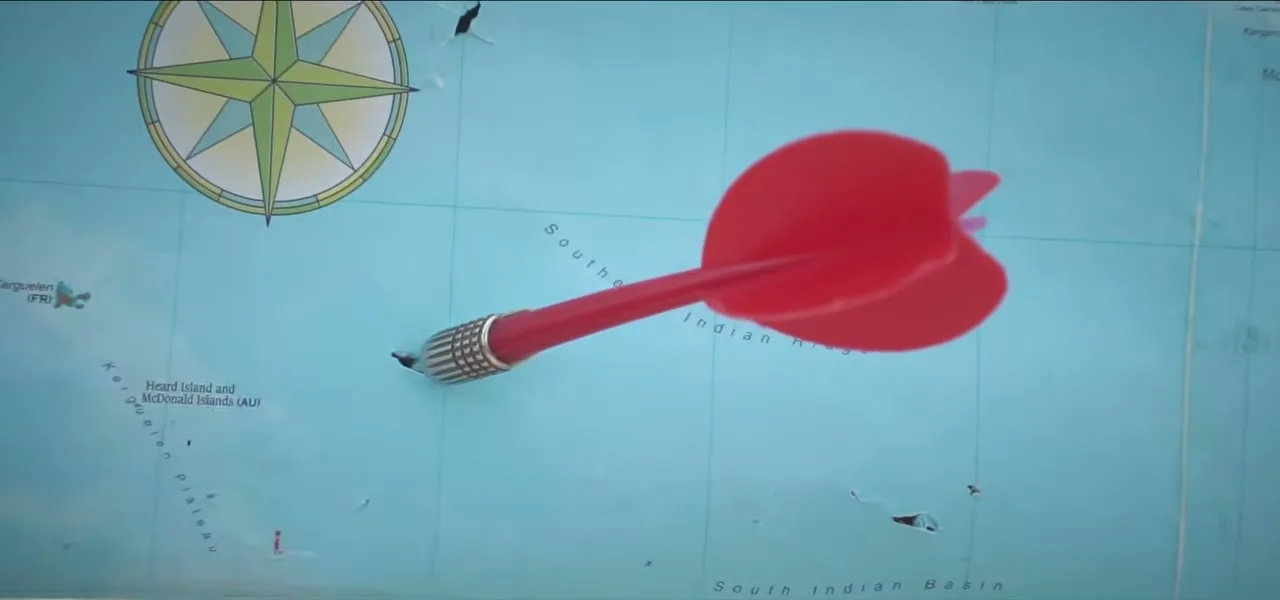
The Maldives is the kind of place people put on a list and never quite believe they'll reach. I reached it the same way I reach everywhere — by handing my fate to a dart — except this time I didn't even throw it myself. At the end of my Curaçao trip I let a friend named Lily throw for me, blindfolded. She hit a spot we all assumed was India, until a closer look showed the dart had actually landed on a scatter of specks in the Indian Ocean: the Maldives. That's how the "Pearl of the Indian Ocean" became my next home for a month.
Before I even arrived, the country's national magazine had written a piece about the show, and I'd been in touch with the Ministry of Tourism — so I landed feeling like whatever I learned here would be worth passing on. This is the piece I wish I'd read first: not the brochure version, but a complete, fact-checked guide to what the Maldives actually is.
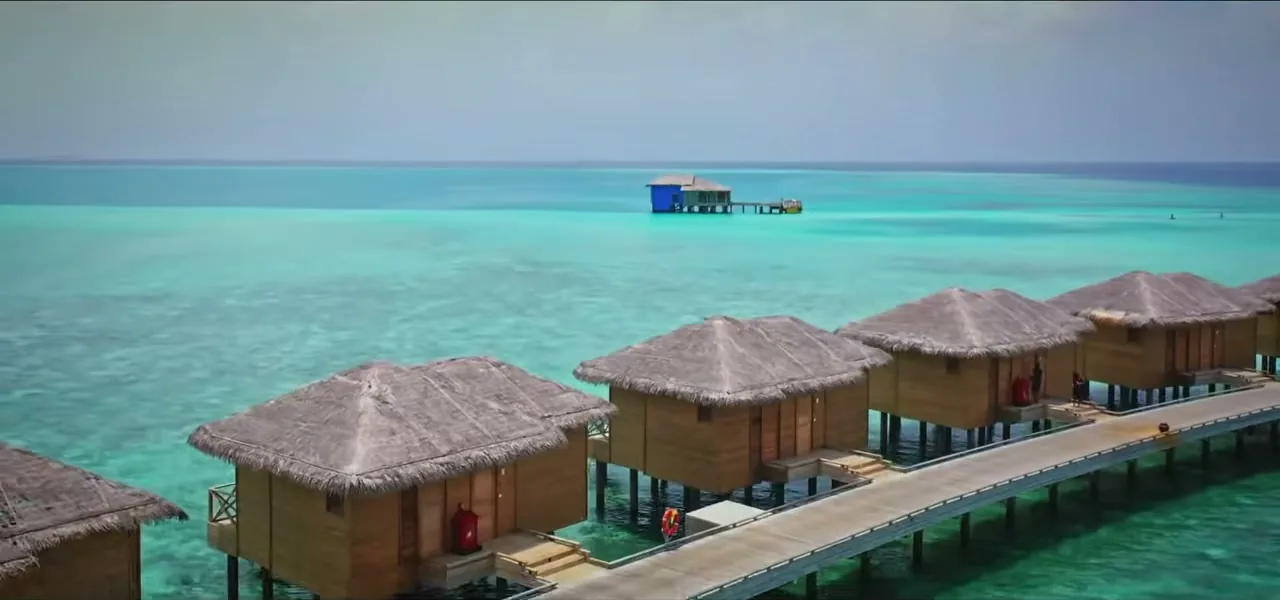
Quick facts: Maldives at a glance
- Capital
- Malé (one of the world's densest cities)
- Islands
- ~1,192 coral islands, ~26 natural atolls
- Elevation
- ~1.5 m average — the lowest country on Earth
- Population
- ~380,000 (plus resort workers from abroad)
- Religion
- 100% Muslim; Islam the state religion
- Economy
- Tourism, then fishing (pole-and-line tuna)
- Currency
- Maldivian rufiyaa (US dollars widely used)
- Language
- Dhivehi (English widely spoken)
A Nation of 1,192 Islands
Start with the geography, because it explains everything else. The Maldives is a chain of around 1,192 coral islands, grouped into roughly 26 natural atolls, scattered over some 800 kilometres of the Indian Ocean southwest of India and Sri Lanka. An atoll is a ring of coral islands and reefs encircling a lagoon; the Maldivians have their own administrative capital for each one. Only about 200 of the islands are inhabited by locals, with a separate set of islands given over entirely to resorts.
Here's the fact that reframes the whole country: the Maldives is the lowest and flattest nation on Earth, sitting on average just 1.5 metres above sea level, with its highest natural point barely above two metres. That makes it staggeringly beautiful and acutely fragile — this is the country the world talks about when it talks about rising seas. You feel it when you're there: land and water aren't really separate things here, just different depths of the same ocean.
The people are culturally their own, too. They speak Dhivehi, written in a distinctive right-to-left script called Thaana, and while the islands were a Buddhist kingdom for many centuries, they converted to Islam in the 12th century and were later a British protectorate until independence in 1965. For such a tiny, scattered nation, the Maldives has a long and remarkably self-contained history.
And to answer the question I get most: yes, it's safe. The Maldives is among the safest destinations in the world for tourists. The entire economy is built on making visitors happy, most of your time is spent on private or quiet islands, and crime against travelers is very rare.
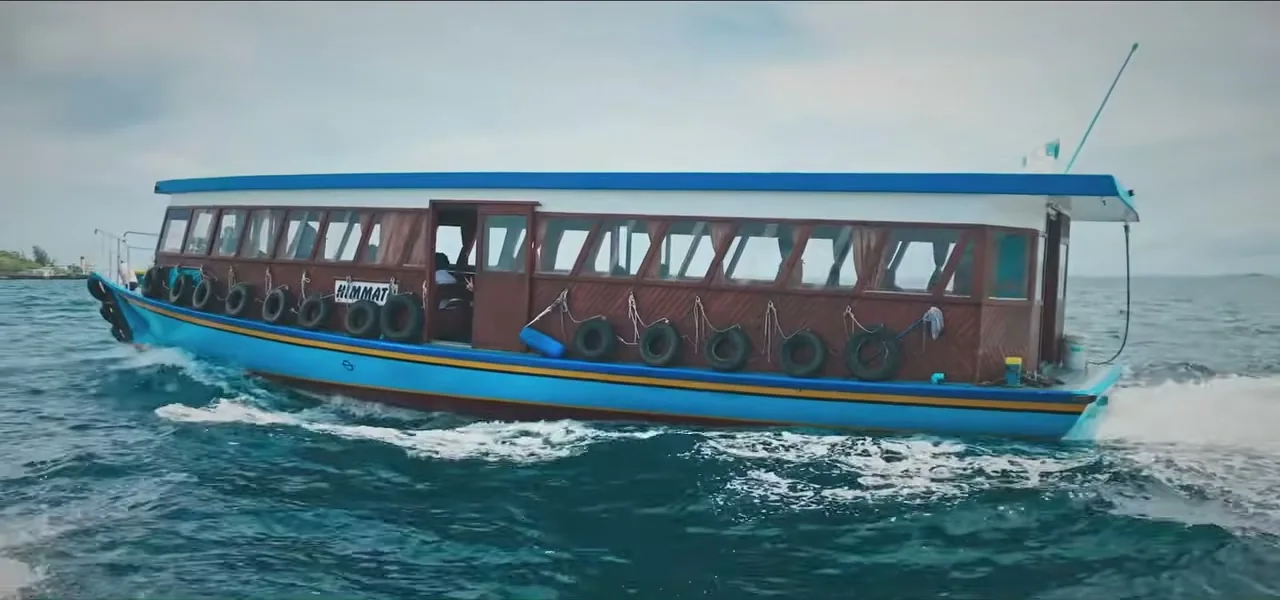
I went to the Maldives expecting a postcard — and came back with a country.
A Country on the Front Line of Rising Seas
You cannot write honestly about the Maldives without talking about the sea that made it and could one day unmake it. When your whole country averages a metre and a half above the waterline, a rising ocean isn't an abstraction — it's an existential question. The Maldives has become one of the loudest voices on climate change precisely because it has the most to lose; back in 2009 the government famously held a cabinet meeting underwater, ministers in scuba gear signing a document to dramatise the stakes.
The response on the ground is just as striking. Next to the capital sits Hulhumalé, a largely artificial island reclaimed from the lagoon and built up higher than Malé itself — part overflow city, part climate insurance, now home to tens of thousands of people. There are even plans for floating communities that would rise and fall with the sea. It's a country actively engineering its own survival, and travelling there gives you a strange, moving double vision: paradise and its fragility, at exactly the same time.
Three Maldives in One
To make sense of a country this spread out, I split the trip into three chapters — because there isn't one Maldives, there are three, and most tourists only ever see the last one.
First, the core: Malé, the capital, and the machinery that runs the country. Second, Maldivian life: staying in a guesthouse on a small local island, among people who live here. And third, the dream — the five-star overwater resorts everyone pictures. Seeing all three, in that order, is the only honest way to understand the place.
Malé and the Fish That Feeds a Nation
Malé surprises everyone. Instead of palm trees and hammocks, you step off the plane into a dense, vertical, humming little city — one of the most crowded on the planet — packed with offices, traffic and tall buildings on a scrap of island. This is where the country's two great industries, tourism and fishing, are coordinated.
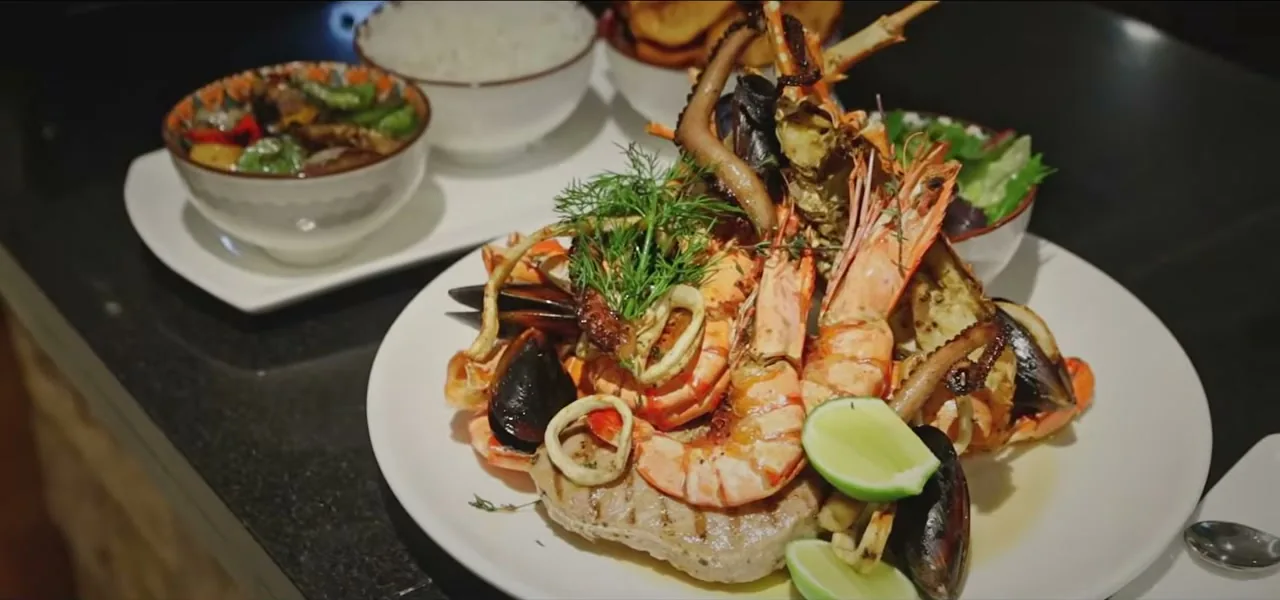
I wanted to feel the second one, so I spent time at the fishing market — not to buy or sell, but to lift, sweat and smell my way through a normal working day alongside the crews bringing in the catch. About 140,000 people — roughly a third of the population — work in fishing, which is the country's second-biggest industry after tourism. And crucially, the Maldives fishes its tuna the old way, pole-and-line, one fish at a time — one of the most sustainable methods on Earth. That evening, my new friend Ganesh cooked what I'd hauled in: a grilled tuna steak with curry and spice so rich I told him, honestly, that if he hadn't said it was fish, I'd have sworn it was steak.
Real Life on a Local Island: Dhiffushi
Then I left the business city for the second Maldives — a small local island called Dhiffushi, home to about 1,200 people. There are no glass towers here and no champagne, just modest guesthouses. This kind of budget, local-island travel barely existed until 2009, when the Maldives opened up guesthouse tourism; it has since grown from a single guesthouse to several hundred, and it's the best thing that ever happened to travelers who want the Maldives without a banker's salary.
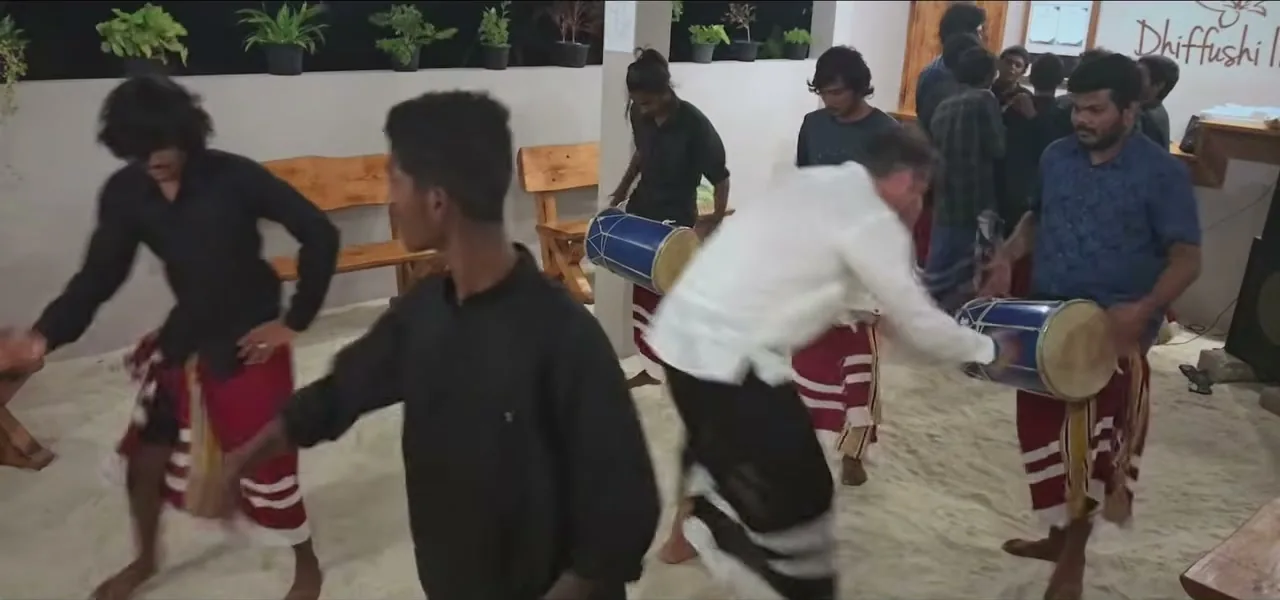
The people of Dhiffushi welcomed me the way small islands do — completely. My hosts, Lujain and his brother, dressed me in a traditional Maldivian costume and pulled me into a Boduberu session. Boduberu is the island's signature music: African-influenced drumming that begins slow and steadily accelerates until it tips into a kind of trance, the performers acting out scenes that look almost frightening until you remember it's a dance. They let me drum, and later dance, and I will not be grading my own performance.
There was a sandbank escape — a tiny lick of sand rising out of the open ocean, where I accidentally crashed a stranger's marriage proposal because there was quite literally nowhere else to stand. There was a local soccer match, played with a passion that had nothing to do with money. What struck me on Dhiffushi was exactly that: here was a community that isn't wealthy and lives full, joyful lives anyway. Coming here was the best decision of the trip, and I left grateful that this side of the Maldives is finally open for the world to see.
The Dream Resorts — and Why They Cost a Fortune
And then, the third Maldives: the one on the postcards. To reach most resorts you climb into a tiny seaplane — an experience in itself — or a speedboat, and step out into a world engineered entirely for wonder. My entrance to paradise had a name: Kandima, a slightly larger island resort, around 3.1 kilometres long, with room to breathe. After the density of Malé, the thing that hit me first was the absence of stress — no traffic, no rush, nobody running behind you. Just water villas over a glass-clear lagoon, and the sense that the whole point of the place is to slow your pulse down. It's where I first understood the appeal that keeps people coming back to the Maldives and paying dearly for it.
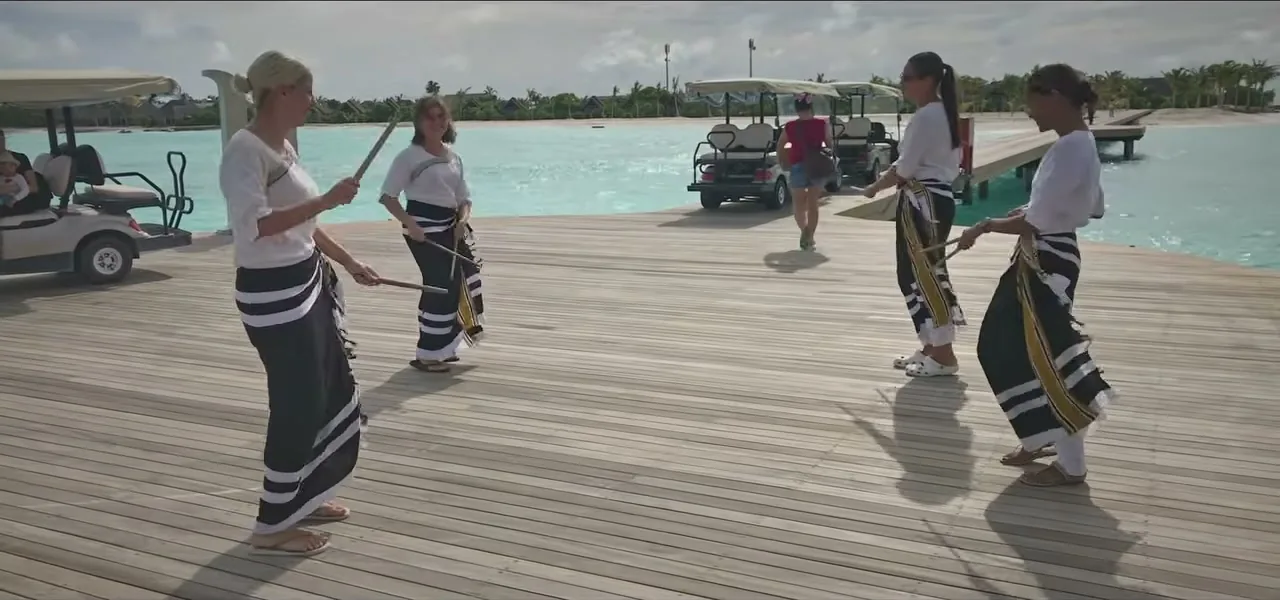
At another resort, Heritance Aarah, four hosts met me on the jetty with a traditional drumming ceremony; the resort even has something I'd never seen anywhere in the world — a "hangover centre," a medi-spa offering IV therapy, the first of its kind in the country.
But why is the Maldives so famously expensive? The resort managers explained it plainly, and it's worth knowing. Each resort occupies its own private island, which means every brick, every plank, every fresh ingredient has to be brought in by boat across long distances. You must import and then house and feed your entire staff — hundreds of people who essentially live as long-term guests. In a country of only around 400,000 people, resorts also prioritise hiring locals, and take real care of them: free medical cover for staff and their families, regular trips home. The magic you pay for is really a small miracle of logistics performed on a speck of sand in the open ocean.
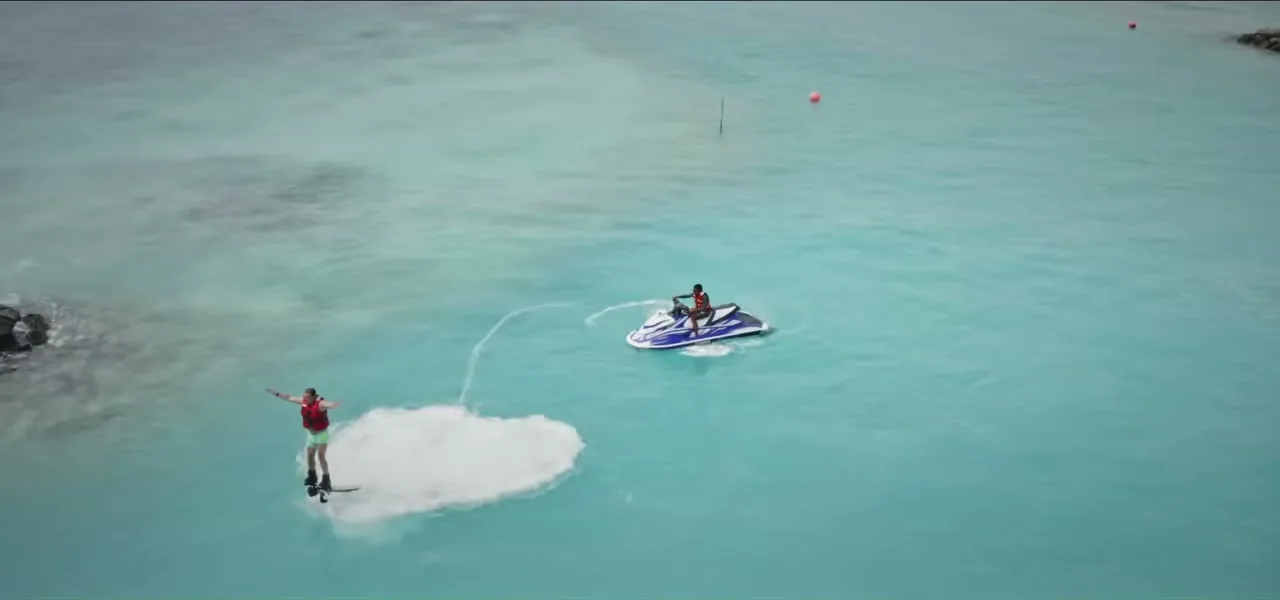
I didn't spend all my time being pampered, though. The water is the whole point, so I threw myself into it — parasailing over the villas, jet-skiing, and flyboarding, that superhero trick I'd first tried back in Colombia. When you're surrounded by ocean 24 hours a day, getting into it is not optional.
At the end of part one, I threw a new dart into the map, blindfolded, in the middle of the Indian Ocean. It hit the ocean near a cluster of islands belonging to Australia — which, by my own rules, meant Australia would host a future episode. But I wasn't done with the Maldives. I loved it so much that I came back for a whole second show.
Part Two: Sharks, Stingrays and Dinner Under the Sea
The Maldives got under my skin, so I extended my stay, gathered seven friends for a Spark Experience, and made a second episode — the wilder one. If part one was about understanding the country, part two was about doing the things you can only do here.
▶ Maldives — Underwater Restaurant, Sharks & Stingrays
Part two: dining six metres under the sea, feeding stingrays, and petting sharks
An Underwater Restaurant, Six Metres Down
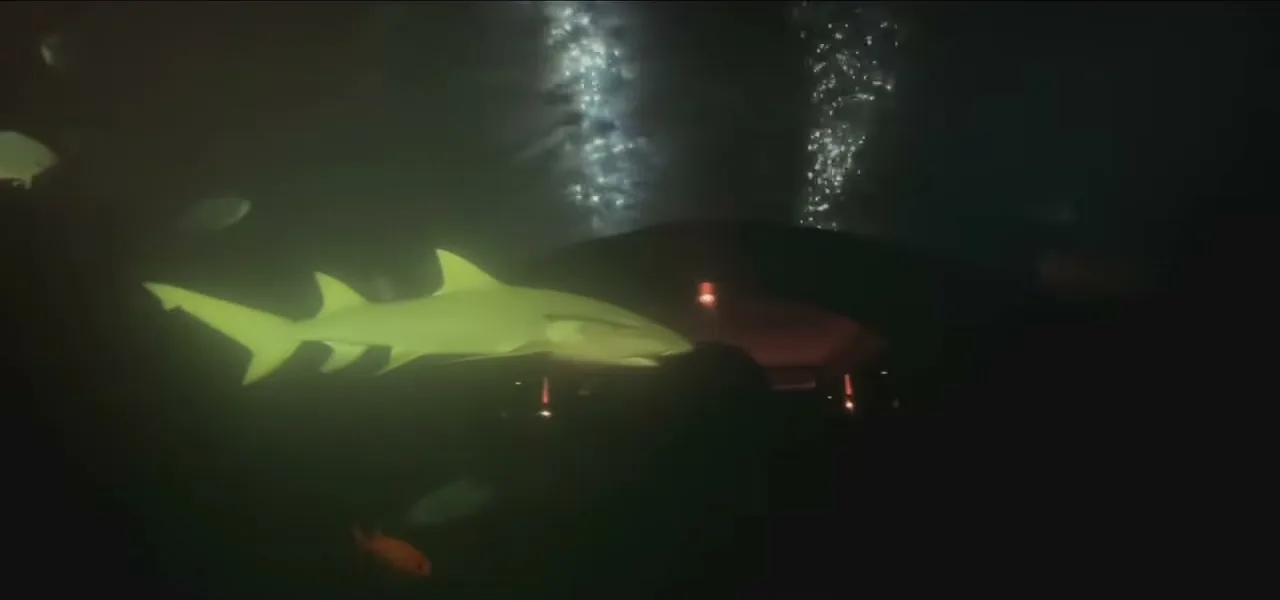
The centrepiece was dinner. Not on the water — under it. The resort You & Me has an underwater restaurant, H2O, sitting about six metres below the surface and recently taken over by Andrea Berton, a chef with three Michelin stars. You take a short boat ride out from the island, walk down, and suddenly you're inside a glass capsule in the middle of the ocean, the reef and its fish — and, at night, its sharks — drifting past on every side while a seven-course menu arrives paired, improbably, with music.
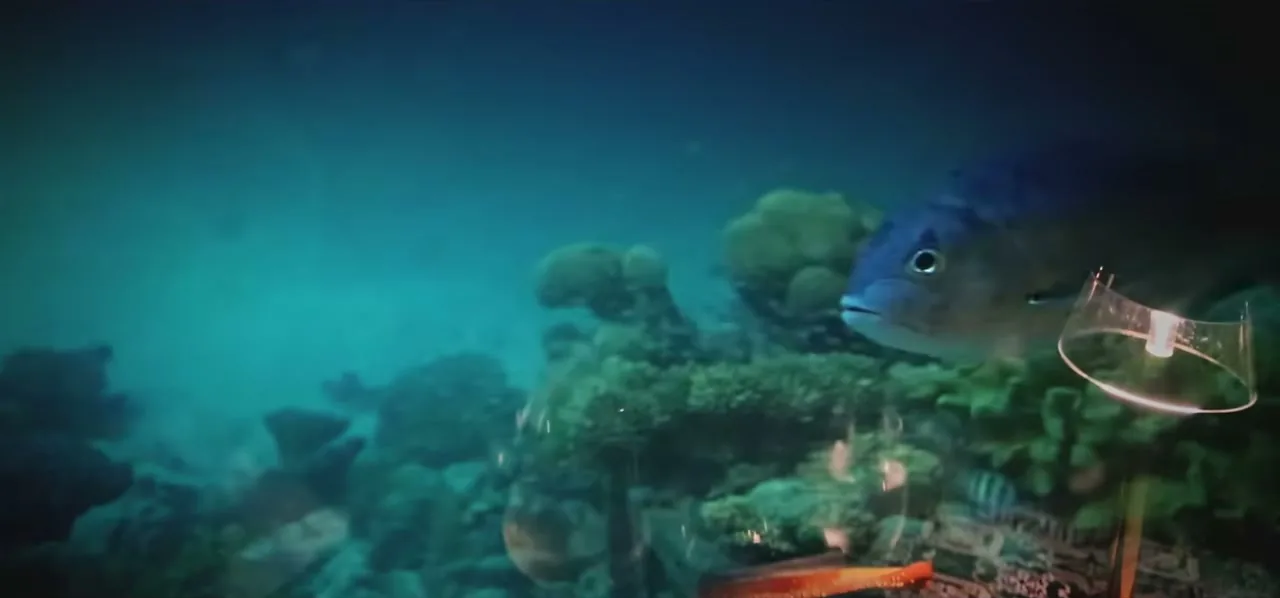
We had the whole place to ourselves, which turned an already surreal meal into something closer to a dream. My friends kept saying they felt like royalty; one called it, without hesitation, the best dinner of her life. There's a particular kind of magic in watching a shark slide past the glass a metre from your plate while a course you can't pronounce is set down in front of you. And because I always want to know the how, I asked: the glass structure was fabricated in Sri Lanka and floated into place, and the whole underwater project cost around $5 million. It is, hands down, one of the most extraordinary places I have ever eaten.
Fishing, Sandbanks and a Dart to Namibia
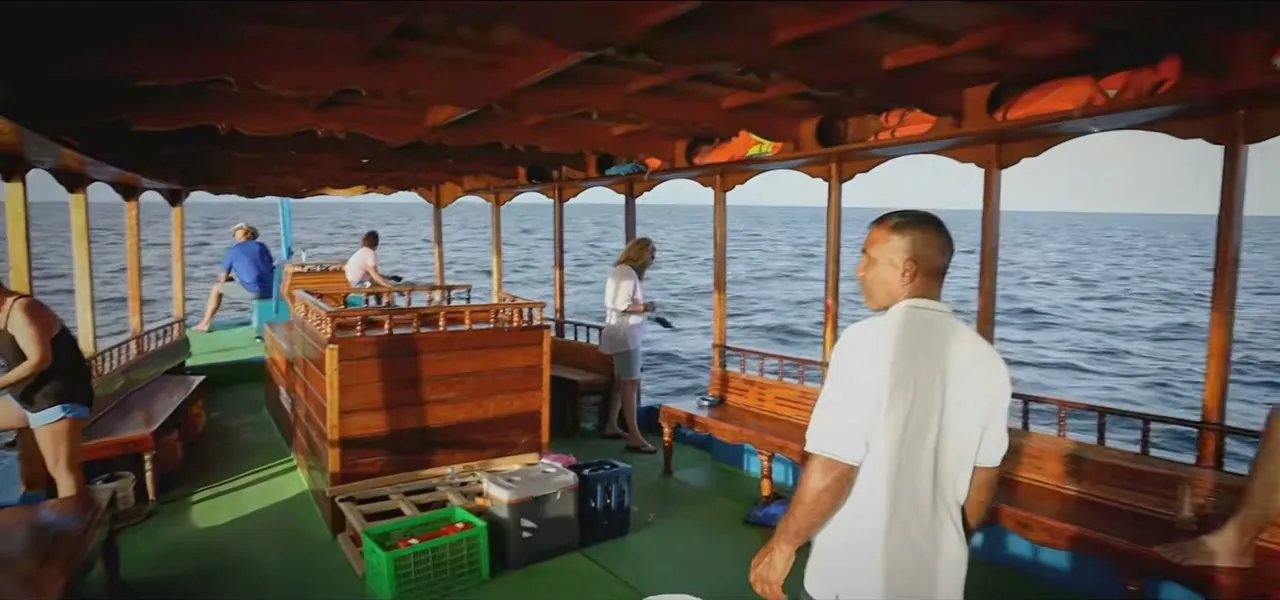
Since fishing is a pillar of the country, I took the group out on a dhoni — the classic Maldivian boat — for a sunset fishing trip. Some of my friends had never held a line in their lives; one of them, Ciprian, managed to throw his entire spool into the sea (a crew member had to dive in after it) and then proceeded to out-fish everyone. Between us we pulled in 23 fish — barracuda, snappers, all sorts — which we were told was a record for the resort. The next night we ate the catch as sashimi. Sea to table, in the most literal sense.
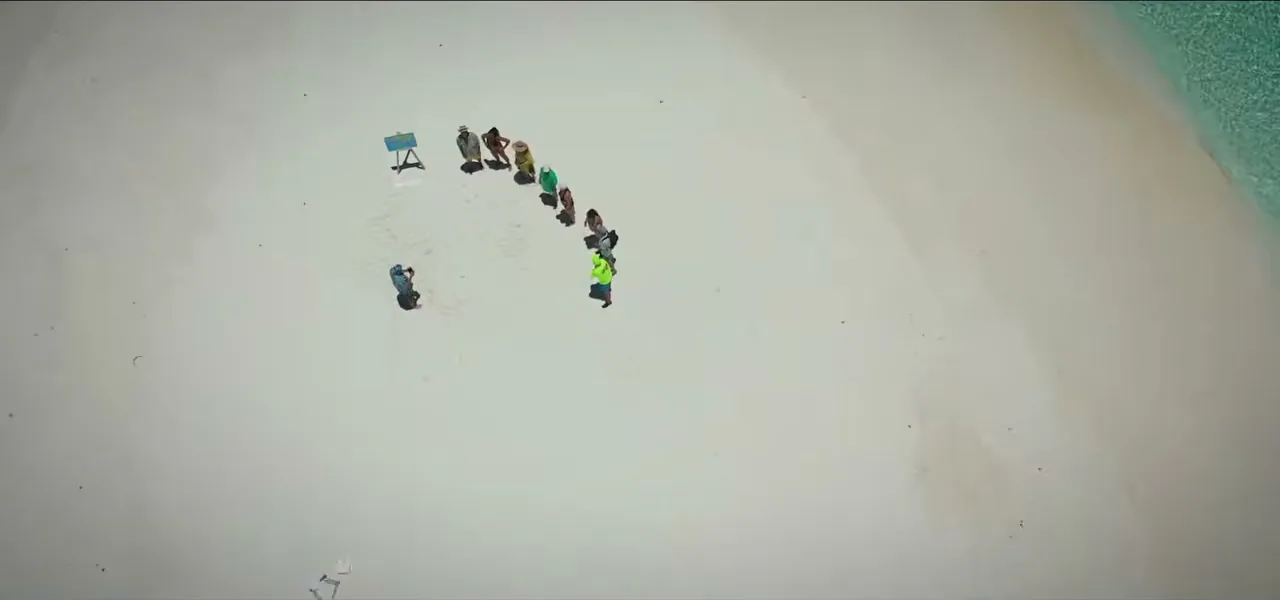
Then came the moment that made everyone feel like a character in a film. For the dart ceremony, I took the group to a sandbank — a bare pile of white sand in the middle of the ocean, nothing visible in any direction but blue and white — and had them throw for my next destination. Seven friends, blindfolded, one winner. After a couple of rounds it came down to Namibia versus New Zealand, and the winning dart chose Namibia. So the two darts thrown in the Maldives handed me both Australia and Namibia for Season 3.
Petting Sharks and Feeding Stingrays
The marine life is why divers cross the planet for this place, and it did not disappoint. Several of my friends tried scuba diving for the first time, coaxed in by two experienced divers in the group, and surfaced converted. In shallow water we found nurse sharks — placid, slow, harmless — calm enough that you can swim down and gently touch one. One of my friends admitted she'd been terrified of the idea of being in the water with them, only to spend the next day looking for them; when she finally swam down and petted one, something in her flipped from fear to wonder. We also watched a manta ray, easily two metres across, glide and barrel-roll a few metres away, upside down, utterly unbothered by the ring of snorkelers around it.
There's a reason the diving is this good. My final stop, Dhigufaru, sits in Baa Atoll — a UNESCO Biosphere Reserve — home to Hanifaru Bay, the single largest gathering of reef manta rays anywhere on Earth, where the funnel-shaped bay traps plankton and draws in mantas and whale sharks by the hundred in season. This is a country that knows its wealth is its water: I took part in a coral-planting ceremony, tying fragments onto a metal frame (you must leave gaps — coral grows about an inch a year) and then diving down to plant it on the seabed among rows of others. New rules now forbid dumping any waste, even food, into the ocean.
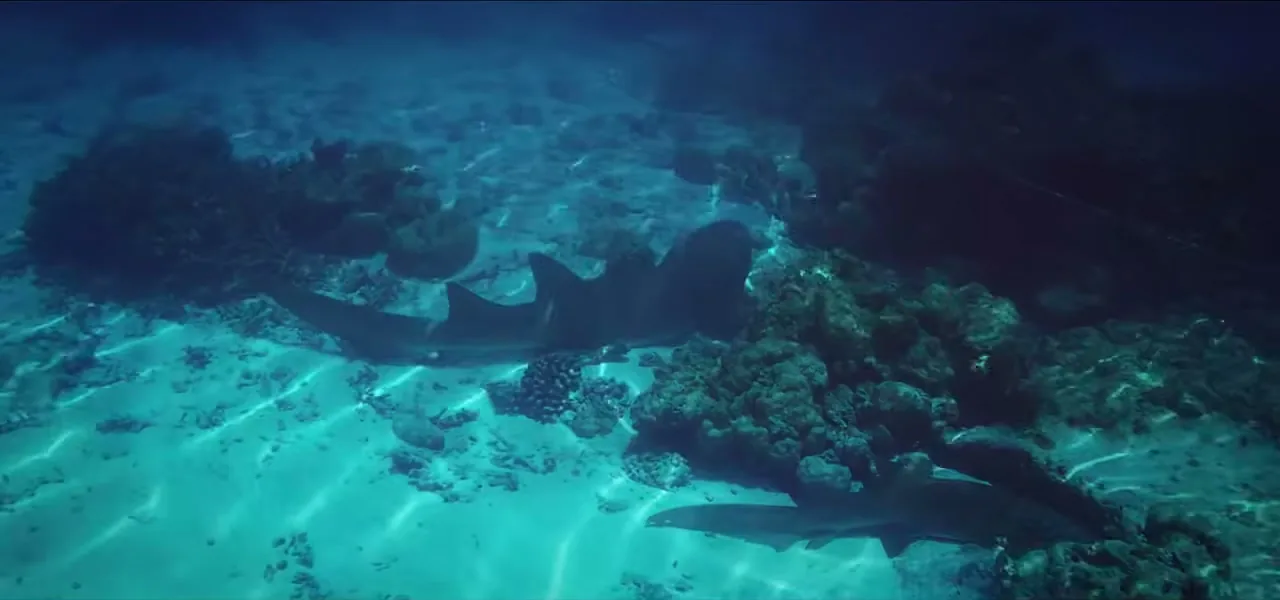
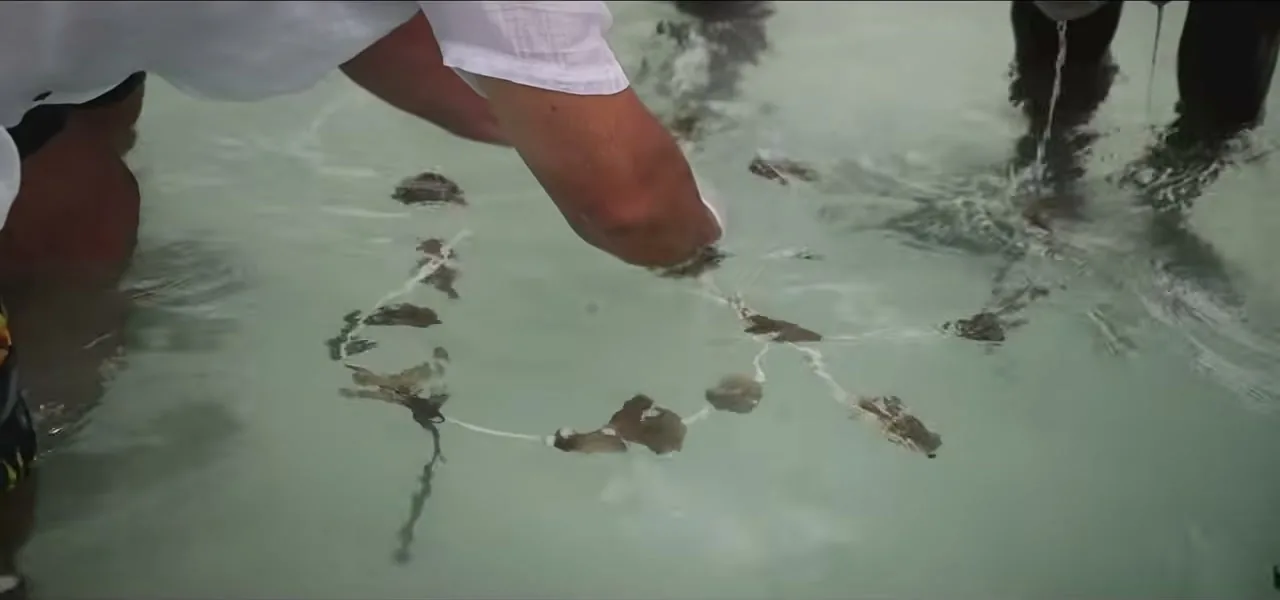
And then the most astonishing thing I saw in the Maldives, which happens every day at 5:30 in the afternoon. At Dhigufaru, the staff feed the stingrays from the shore — and the rays have learned the schedule so precisely that seven or eight of them glide right up onto the sand-line before feeding even begins, a perfect little demonstration of the Pavlov effect. And where the rays go, the sharks follow: three or four of them cruising in to feed, in the shallows, a few feet from where you stand. This isn't a zoo or an aquarium in a mall. It's wild, real, and just a little unnerving — which is exactly what makes it unforgettable.
By the numbers: The Maldives by the numbers
- Islands / atolls
- ~1,192 islands, ~26 natural atolls
- Average elevation
- ~1.5 m — the lowest country on Earth
- Guesthouse tourism opened
- 2009
- Underwater restaurant depth
- ~6 m, cost ~$5 million
- Our record catch
- 23 fish in one sunset trip
- Baa Atoll
- UNESCO Biosphere Reserve; world's top manta site
When to Go, and Doing It on a Budget
The Maldives has two seasons, and the difference matters. The dry season, roughly November to April, brings the calm, clear, sun-drenched water everyone comes for — it's peak season for a reason. The wet season, May to October, is cheaper and greener but stormier — though it's also, counter-intuitively, the best time for big marine life: Baa Atoll's manta and whale-shark aggregations peak during those plankton-rich monsoon months.
And you do not need a fortune. My second trip proved the point: instead of flying out to a distant resort, you can base yourself in Hulhumalé, connected to the capital by bridge, with its own white-sand beach and hotels for every budget — no expensive seaplane required. Local islands like Dhiffushi offer the same. Two rules make it work: on inhabited local islands, dress modestly and respect that this is a conservative Muslim country; and if you can, splurge on just one signature experience — a sandbank picnic, a dive, a night in an overwater villa — because those are the memories you'll actually keep.
A Fragile Paradise Worth the Trip
I went to the Maldives expecting a postcard and came back with a country. Yes, the overwater villas are every bit as dreamy as the photographs, and dinner under the sea is a memory I'll keep forever. But the parts that stayed with me were the ones the brochures skip: the fish market at dawn, the drumming on Dhiffushi, the freed-up local islands, the staff who fly across the world to work here for their families, the coral we planted by hand.
It's impossible to stand on a sandbank a metre above the ocean and not think about how fragile all of this is — a whole nation balanced on the surface of a warming sea. Maybe that's the real reason to go, and to go thoughtfully. The Maldives is not just turquoise water and luxury; it's a living, working, joyful country that knows exactly how precious its own beauty is. I'll be back. But first, the darts have spoken twice — Australia and Namibia are calling, and the map never lets me sit still for long.
Explore More Travel by Dart Journeys
- More of the dart's islands and blue water: Fiji and Curaçao.
- Another archipelago the dart uncovered, above and below the water: Indonesia.
- The Caribbean's own reef-and-stingray paradise: the Cayman Islands.
- A different island nation living with the sea: Bermuda.
Suggested Sources & Further Reading
To go deeper into the Maldives, these are some of the best authoritative resources:
- Visit Maldives — the country's official tourism site.
- Encyclopædia Britannica — Maldives — history, geography and the low-lying atolls.
- Encyclopædia Britannica — Malé — the crowded capital island.
- Encyclopædia Britannica — coral reef — the ecosystem the whole nation is built on.
All facts verified September 2026.
Maldives: traveler questions
Is the Maldives just for the super-rich?+
No — and that's the biggest misconception about it. Yes, the famous overwater villas are expensive, largely because each resort occupies its own island and must ship in everything by boat. But since guesthouse tourism opened up in 2009, you can now stay on local islands like Dhiffushi, or in Hulhumalé right by the capital, for a fraction of the price and get closer to real Maldivian life.
How many islands and atolls does the Maldives have?+
The Maldives is made up of around 1,192 tiny coral islands grouped into roughly 26 natural atolls, strung across about 800 km of the Indian Ocean. Only around 200 are inhabited, plus a further set given over entirely to resorts. It is the lowest and flattest country on Earth, averaging only about 1.5 metres above sea level.
Is the Maldives a Muslim country, and is alcohol allowed?+
Yes, the Maldives is a 100% Muslim country and Islam has been the state religion for centuries. Alcohol is illegal for locals, but it is freely available to tourists inside the resorts. Visitors should dress modestly on inhabited local islands, where normal local customs apply, while resort islands operate as relaxed tourist bubbles.
Is the Maldives safe for tourists?+
It is among the safest destinations in the world for travelers. Most visitors spend their time on private resort islands or quiet local islands, crime against tourists is very rare, and the country's whole economy is built on hospitality. Normal common sense and respect for local customs are all you need.
Can you really dine underwater and pet sharks in the Maldives?+
Yes. This two-part episode visits an underwater restaurant six metres below the surface — the H2O restaurant at You & Me, now run by Michelin-starred chef Andrea Berton — and shows harmless nurse sharks, manta rays and stingrays that come right up to the shore at feeding time. Baa Atoll's Hanifaru Bay is the largest manta-ray aggregation on the planet.