Season 4 · Episode 3
Fiji
The place where strangers welcome you like family.
On this page ▾
A 2-episode adventure — both films are on this page.
By Sorin Mihailovici · Travel by Dart · Last updated August 2026 · ~17 min read
When most people think of Fiji, they picture paradise — and they're not wrong. But there's another side to these islands, one few visitors ever reach: a place where ancient traditions still shape everyday life, where entire communities gather around a wooden bowl of kava, where warriors really do walk barefoot across fire, and where, not so long ago, the islands were known to the world as the Cannibal Isles. The dart threw me here from Mongolia — landing in the middle of the Pacific, closest to Fiji — and what I found was not the Fiji from the postcards. It was Fiji from the inside.
Fiji gave me so much that I split it into two films. Part 1 is above; Part 2 — the islands, the lovo, coral planting, a 252-person family reunion and Fiji's Hollywood coastline — is embedded just below.
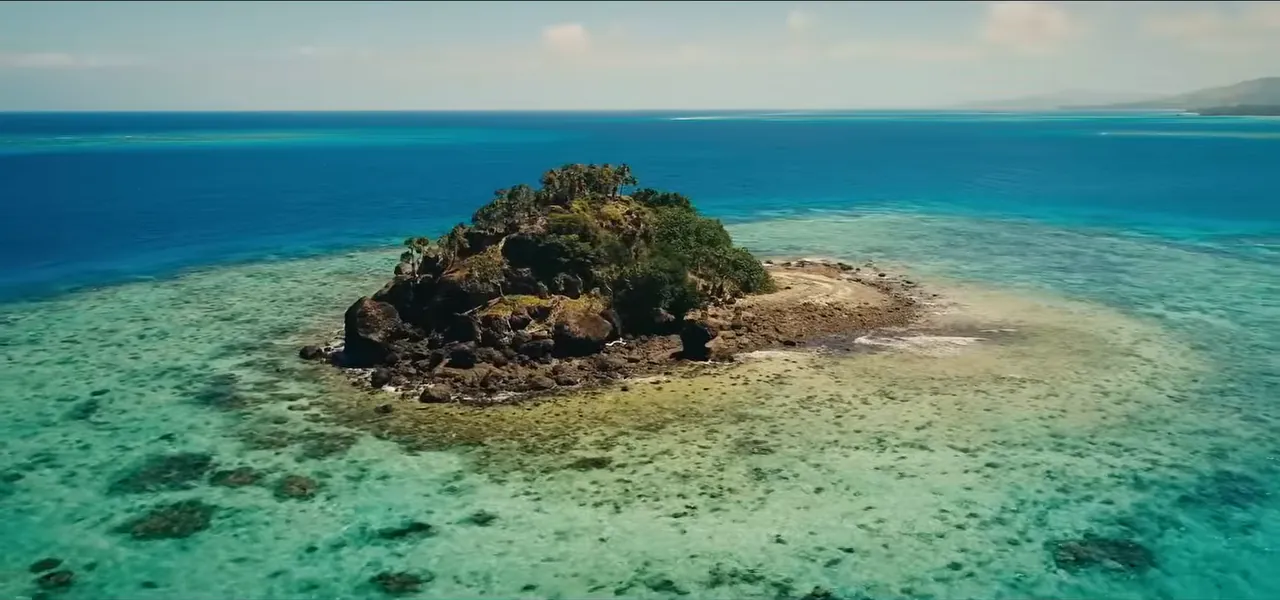
▶ Fiji — Part 2
Malamala Beach Club, the lovo, coral planting and Fiji's Hollywood islands
Quick facts: Fiji at a glance
- Location
- South Pacific Ocean
- Islands
- ~330 (about 110 inhabited)
- Population
- Under 1 million (~940,000)
- Capital
- Suva (on Viti Levu)
- Tourist gateway
- Nadi
- Greeting
- 'Bula!' (hello / life / welcome)
- Sacred drink
- Kava (yaqona)
- Independence
- 1970 (British colony from 1874)
Bula: The Word That Runs the Country
You hear it before you've cleared the airport: "Bula!" — shouted, sung, offered by everyone from the immigration officer to the kids on the street. It nominally means "hello," but Fijians will tell you it goes far deeper — it carries life, health, warmth, welcome, all condensed into one syllable. Tourists pick it up in a day. Understanding what it really means takes longer.
The scale of Fiji surprised me. This is an archipelago of around 330 islands, of which only about 110 are inhabited, and the whole nation holds fewer than a million people — you could fit all of Fiji into New York's Central Park. The capital, Suva, has about a tenth of the population; I landed in Nadi, the second city and the tourist gateway, on the main island of Viti Levu. The country divides into 14 provinces, and — this matters — the culture is still overwhelmingly intact. People live in tribes and clans, speak different dialects island to island, and organise life around chiefs. One local told me flatly: ninety per cent of the old culture is still here.
A Past the Islands Don't Hide
My first real lesson came in Sabeto village, through a guide named Sai, and it was a heavy one. Fiji has a history of cannibalism — for centuries it was known to sailors as the "Cannibal Isles" — and the villagers don't pretend otherwise. In the old days, carved figures represented the warriors who guarded the chief around the clock; and consuming a defeated enemy was, as brutal as it sounds, both an act of humiliation and a spiritual one, woven into warfare and religion.
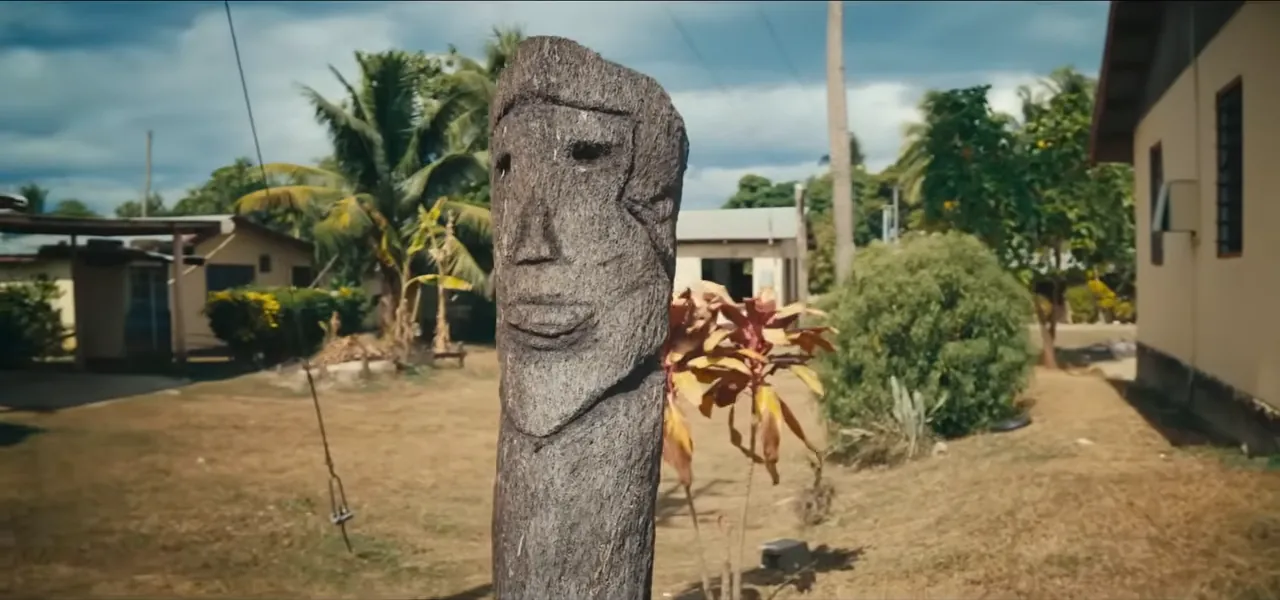
The practice faded in the 1800s with the arrival of Christian missionaries and colonial authorities, who worked hard to stamp it out. Fiji then became a British colony in 1874 and stayed one until independence in 1970 — very nearly a century of empire. It's a lot of history to absorb over one village visit, and I'll be honest: it felt heavy. But it's essential context, because everything that makes Fiji warm today — the hospitality, the ceremony, the sense of the warrior — grew out of this past, not in spite of it.
The Firewalkers of Beqa
Then came the thing I'd been reading about for months, and it did not disappoint. On a small island called Beqa lives the Sawau tribe, and they alone in Fiji possess what the Fijians call a gift: the power to walk barefoot across white-hot stones without being burned. The ceremony is called vilavilairevo — literally, "jumping into the earth oven."
The legend, which my guide Marika told me, goes back around five hundred years. A warrior named Tui Naiviqalita was digging for an eel to give as a gift to a village storyteller. What he pulled from the mud was not an eel but a veli — a little spirit-god — who begged for its life and offered gifts in exchange. Tui refused riches. But when the spirit offered him and his descendants power over fire, he was intrigued. He accepted, released the spirit, and carried the gift home. To this day, that power flows only through his bloodline, to the men of the Sawau tribe.
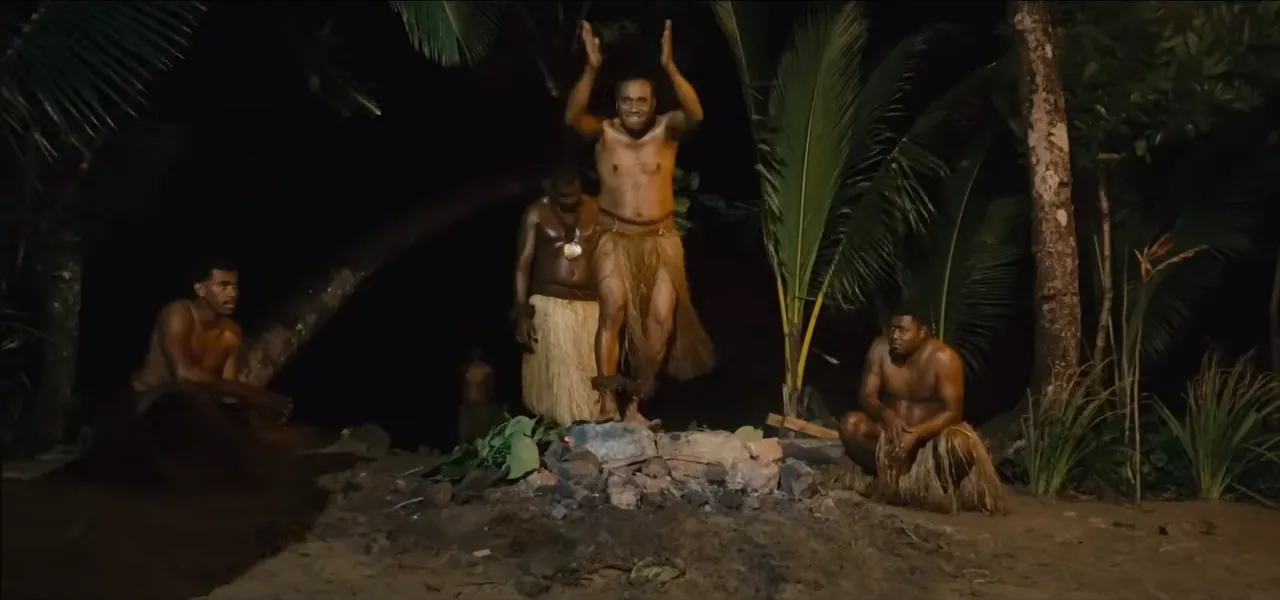
This is not a tourist trick with cooled embers. The stones had been heating over a fire for about six hours before we arrived, and you could feel the heat from metres away. There is real discipline behind it: for roughly two weeks before a ceremony, the walkers separate themselves entirely from women and abstain, a purification the tribe considers as vital as the fire itself. When the high priest gave the cry to summon the spirit, the walkers stepped onto the stones — the priest first and last — and crossed without flinching. I have no tidy explanation for what I watched. I only know the stones were real, the fire was real, and the men walked.
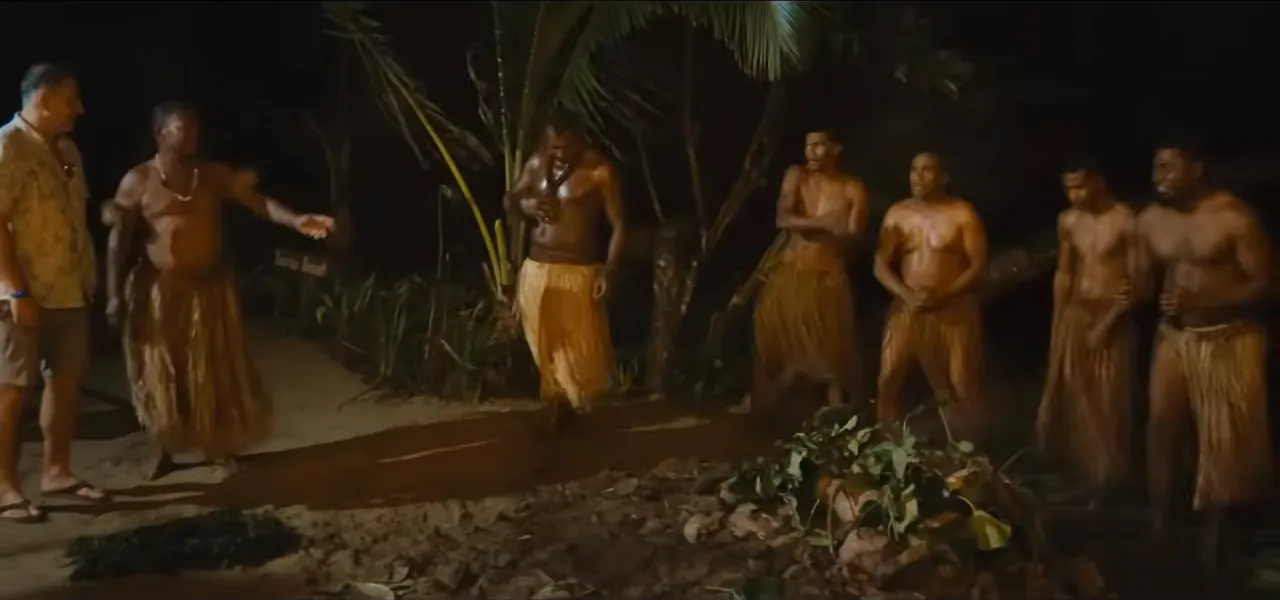
I arrived expecting a beach, and found something far larger.
Kava: The Bowl at the Centre of Everything
If firewalking is Fiji's most dramatic tradition, kava is its most important. Called yaqona in Fijian, it's made from the pounded root of a pepper plant (Piper methysticum), mixed with water in a great carved wooden bowl called a tanoa — traditionally hewn from vesi, Fijian ironwood — using a strainer of wild hibiscus bark. I'd waited specifically for this, and a man named Josh brought a whole group of friends to do it properly.
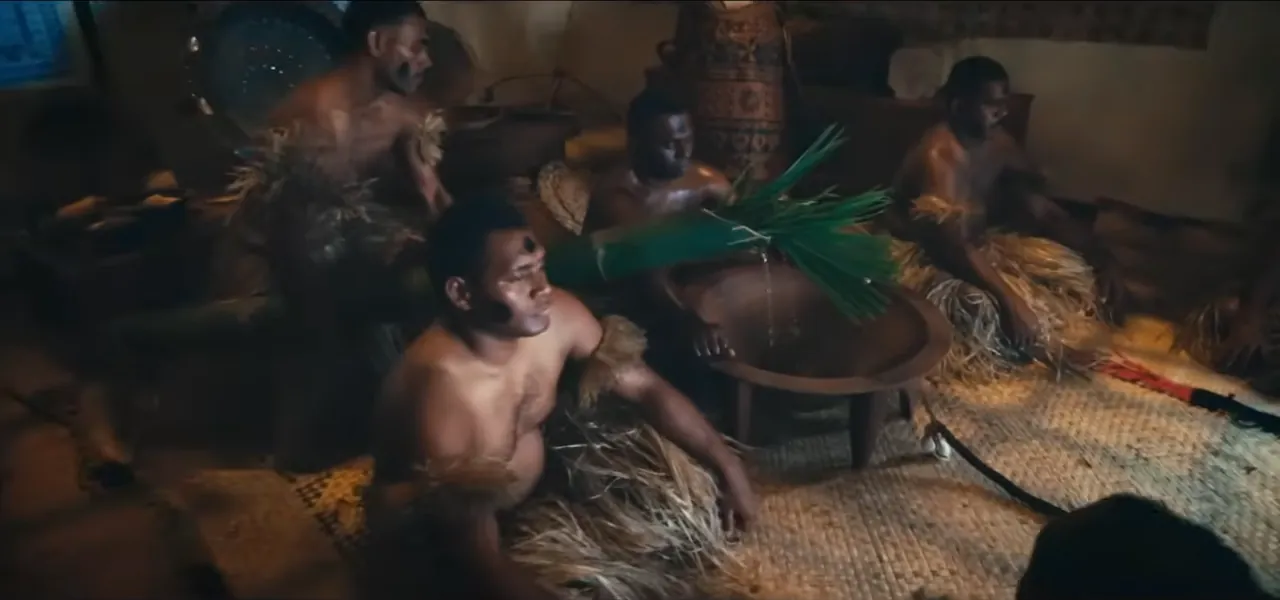
The ceremony has a strict, beautiful protocol. You clap once, take the coconut-shell cup, say "Bula," and drink it down in one go; then everyone claps three times to acknowledge that you've drunk. The taste is earthy and muddy, and the effect is a gentle numbing of the lips and a deep, sociable calm — kava is not alcohol and not a drug in the ordinary sense. It's a means of connection. As Josh explained, it's reserved for the most important occasions, right up to the ordaining of a new chief. We sat for hours, and the group ended the night on a song where every one of us had to imitate an animal. I have rarely felt so completely welcomed by strangers.
Cooking With Marika: Kokoda and Bamboo
Marika, who guided me through so much of the culture, also fed me. I'm not much of a cook — I've eaten my way around the world instead — but when an indigenous person invites you to cook with them, you don't say no. We made kokoda, Fiji's signature dish: raw fish marinated in lemon juice and finished with coconut milk. It's essentially, as I put it at the time, ceviche on steroids — and I say that as someone whose favourite dish was ceviche. Kokoda now tops the list.
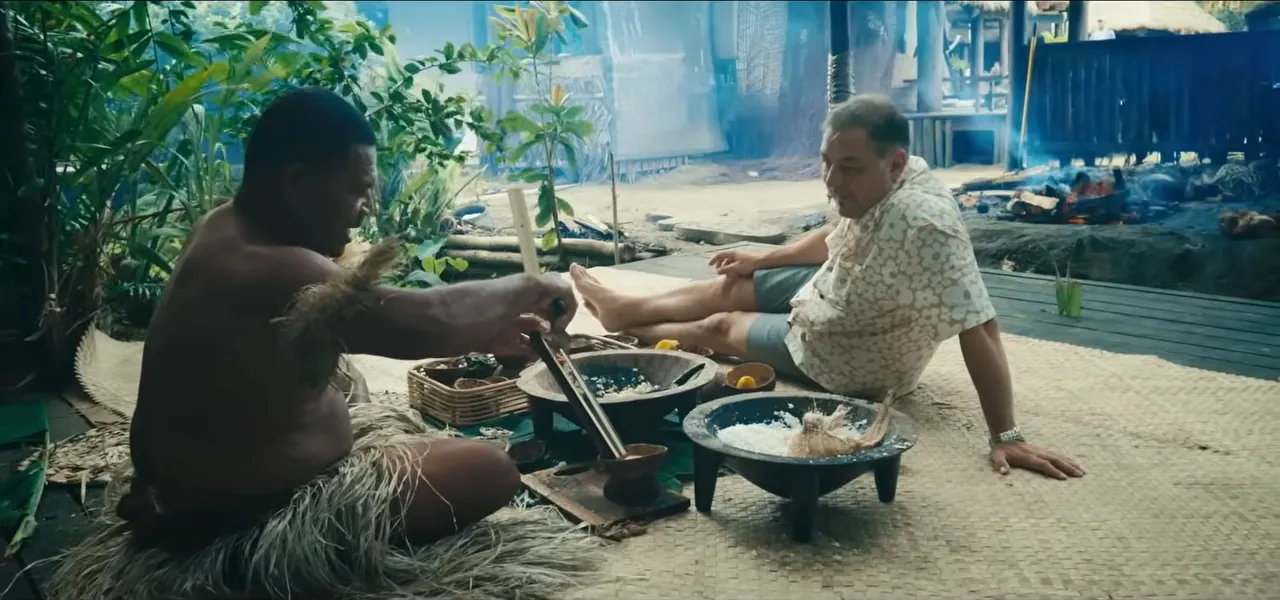
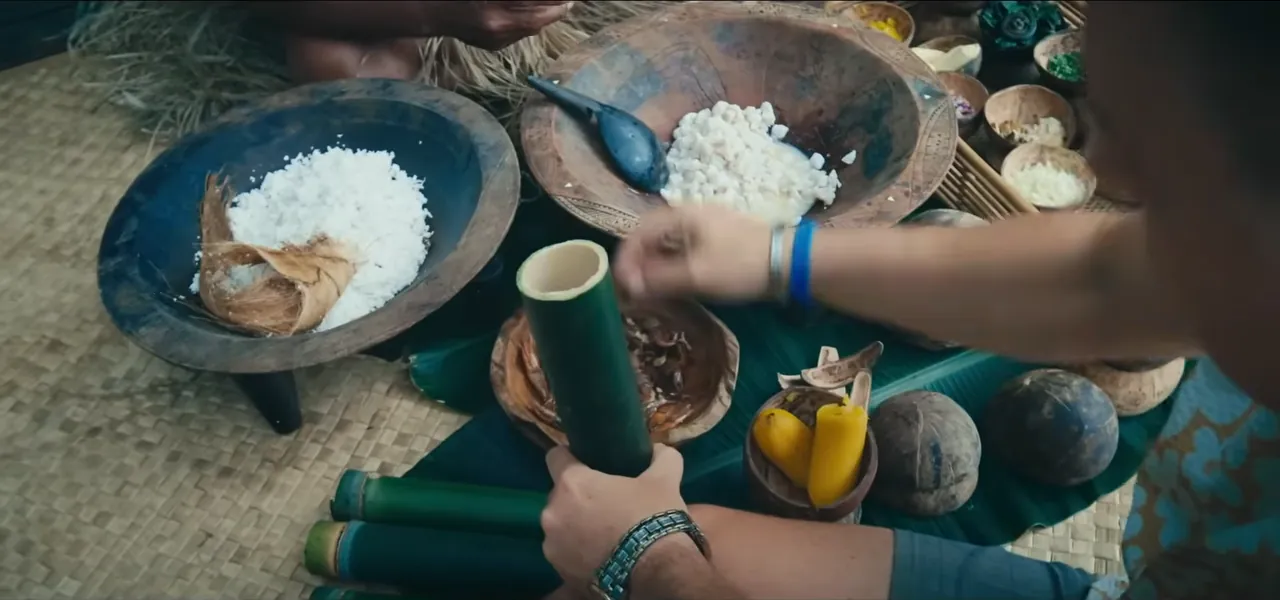
The other highlight was cooking inside bamboo. You stuff a hollow length of bamboo with prawns, tomato, peppers, onion, eggplant and chilli, pour in coconut milk, seal it, and lay it over the fire. When the coconut milk boils out of the open end, it's done — and you crack the tube open and dig the prawns out with a knife. It felt like fine dining conjured out of a stick and a flame. We had far more food than we could finish, but the point was never the eating. It was the cooking, together.
The River of Eden
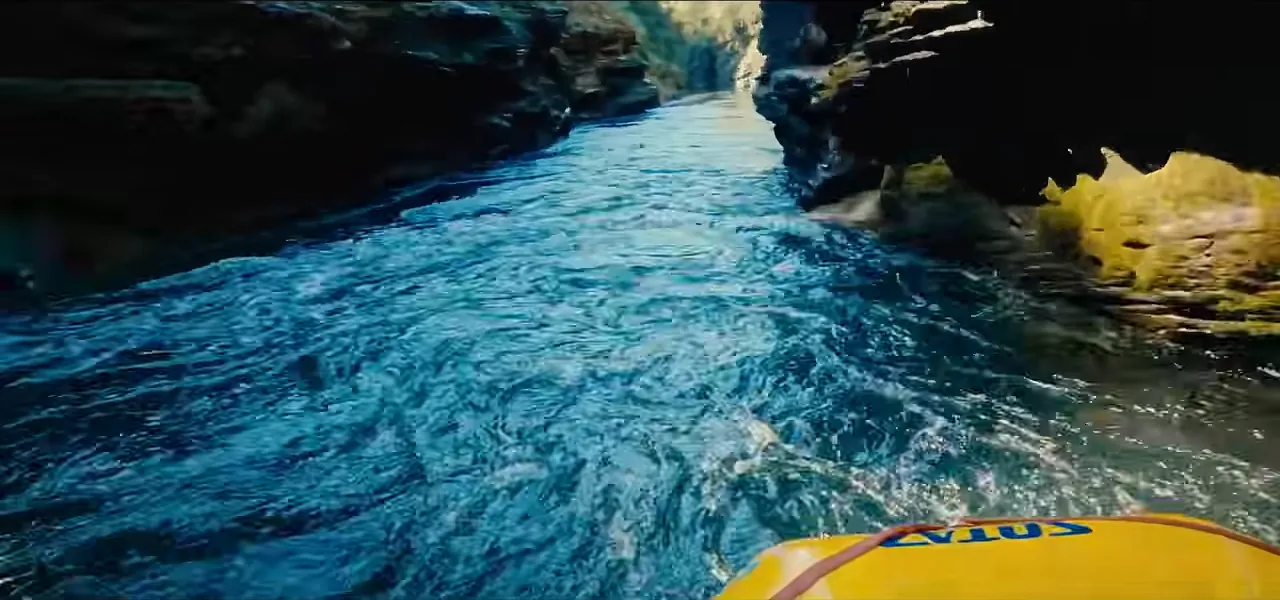
Between ceremonies, Fiji's landscape kept ambushing me. From Pacific Harbour — the self-styled adventure capital — my hosts arranged a long-boat trip up the Navua River, with a couple of village kids piloting. The Navua is one of Fiji's great rivers, and its upper reaches are so pristine they've earned the nickname the "River of Eden."
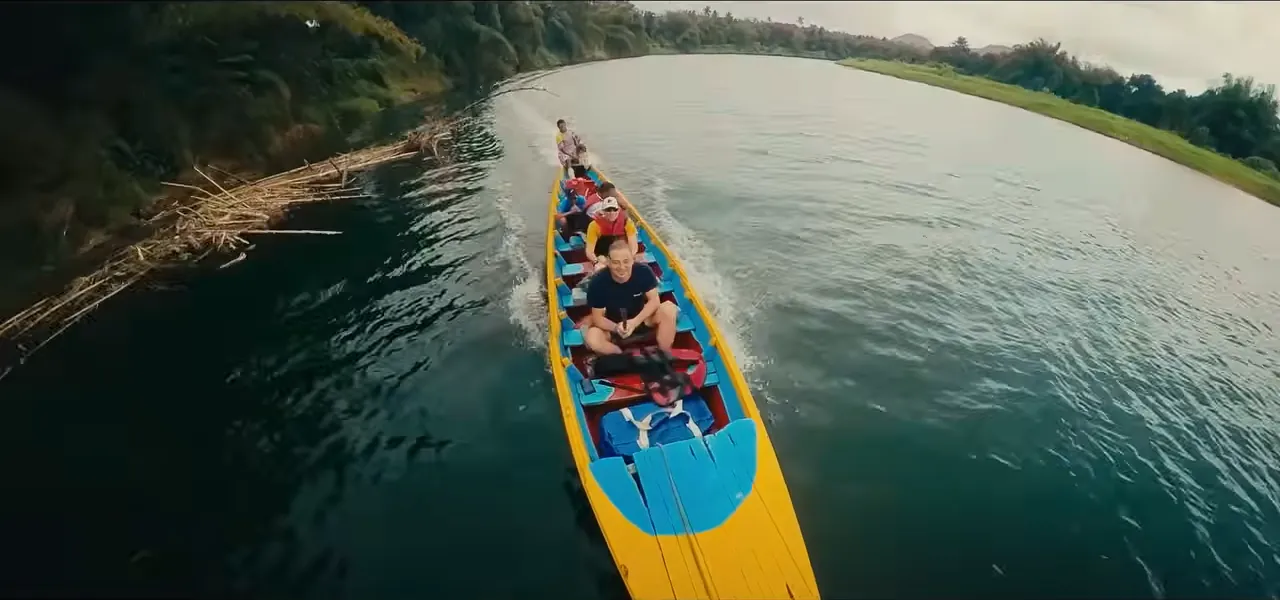
The upper Navua carves a narrow gorge through the central highlands of Viti Levu, between towering black volcanic walls draped in rainforest — one of the most singular river canyons on Earth. Depending on the season, it carries anywhere from about 50 waterfalls in the dry months to well over a hundred when the rains come. It's also a class 2–3 white-water rafting run, gentle enough for beginners and protected as a conservation area, which is why the water runs so clean.
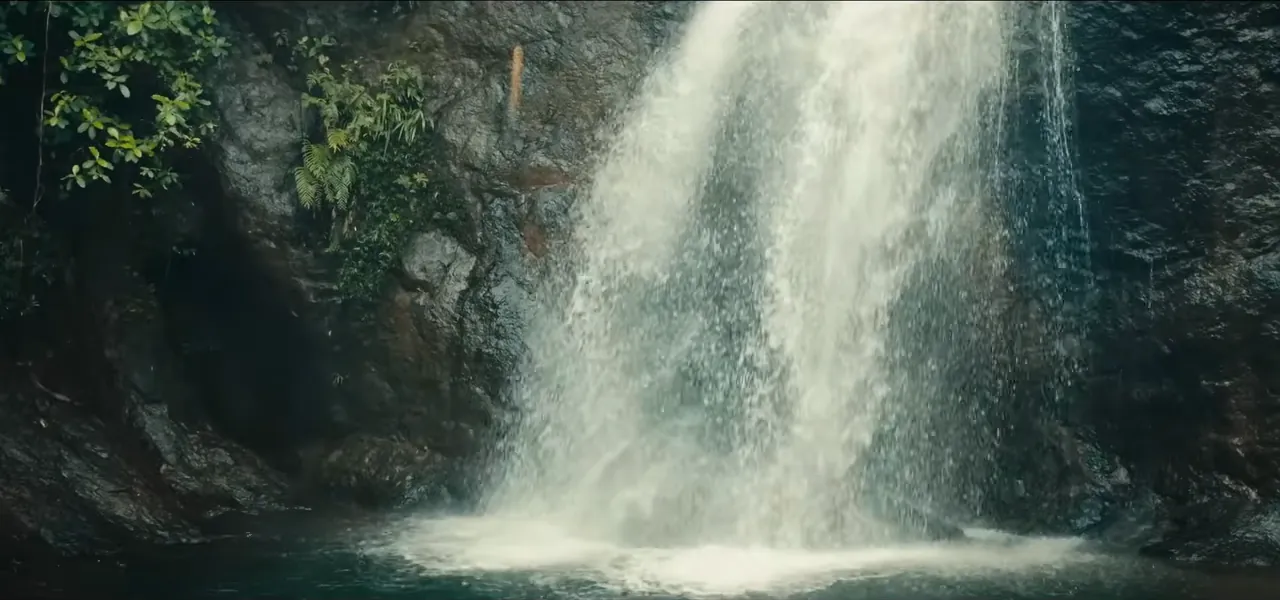
We tied up, walked another fifteen minutes through mud, and Marika led me to a hidden waterfall pouring into a clear pool. You cannot arrive somewhere like that and stay dry, so I jumped straight in. The village kids leapt from the top; I passed on that part, but floating in that pool with the mist on my face was one of those moments that quietly rearranges your mood.
The Warrior and the Meke
The figure that runs through all of Fijian culture is the warrior — and not only in the literal sense. To be a warrior here means to fight for your family, to protect your land, to look after your people; it's a metaphor for how Fijians receive you and how they treat you. My hosts honoured Travel by Dart with a meke, the traditional Fijian dance, and dressed me up as one of their own to take part.
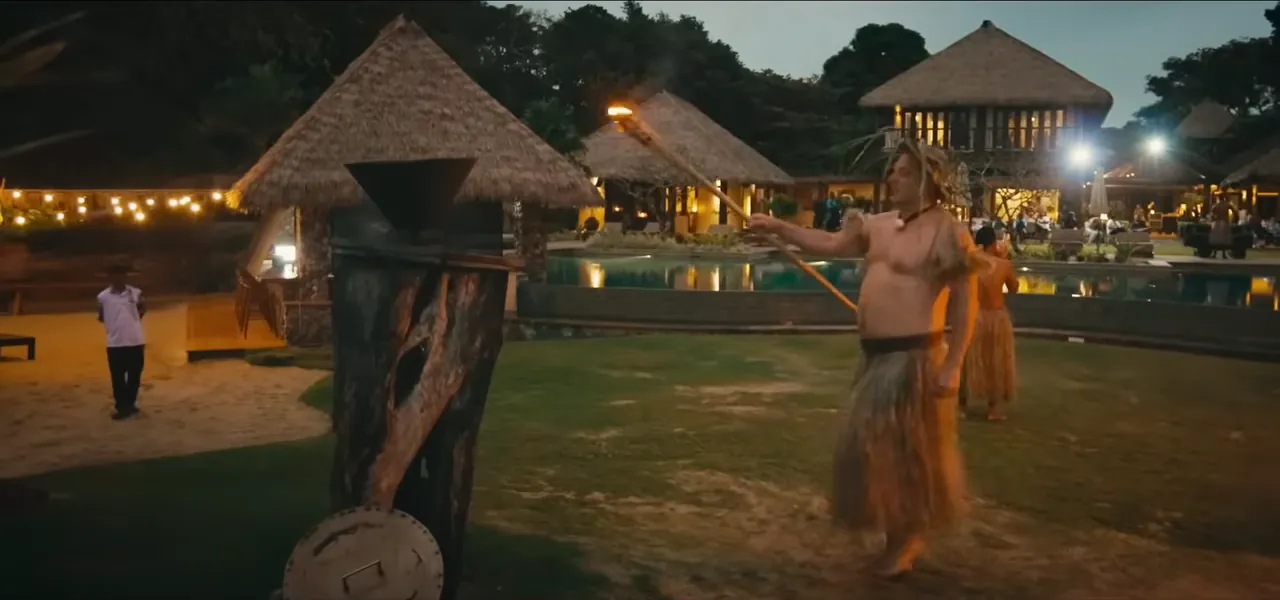
The meke is more than a performance. Before Western writing arrived, Fiji preserved its history through oral tradition, and the meke — song and movement together — was one of the main vessels for it. Each village's history, its legends and its significant events were passed to the next generation through these dances. Performing it at night, by torchlight, shirtless and painted, walking past a crowd of strangers, I felt something I hadn't expected: not like a tourist watching a show, but — for a moment — like one of them.
That's where Part 1 ends. Part 2 goes beyond the traditions and out into the islands themselves — and to a story I never saw coming.
Malamala: An Island That Was Once Nothing
Part 2 opens on the water. I took up an invitation from South Sea Cruises and rode twenty minutes out to Malamala — the world's first island beach club. The concept is almost absurd in its simplicity: take a small island with nothing on it and turn the entire thing into a place to spend the day. There's no resort, no rooms; you can't sleep there. It's pure, sun-drenched escape.
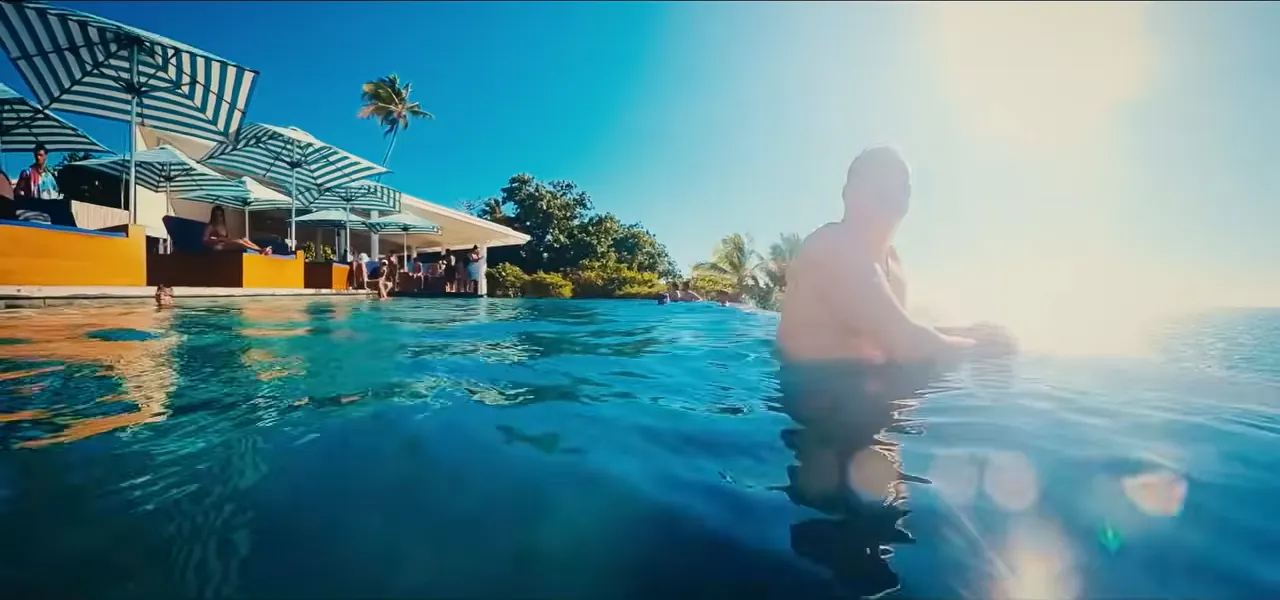
The name has a great story. In the local language, "malamala" means "itchy" — the island was ringed with medicinal plants that people once came here to gather to relieve itching, and the founders kept the name because it was too good a story to lose. Better still, the island is owned by an indigenous clan; the operators rent it from them and hire most of the staff from the community — right down to the spa — so the whole thing is genuinely a win for the people who've always owned the land. Brenda, who showed me around, told me you haven't really been to Malamala unless you jump off the jetty. I did it about six times.
The Lovo: Dinner From the Earth
At the Outrigger resort on the Coral Coast near Sigatoka — proud rugby country, where the local pride in Fiji's world-beating sevens team is fierce — I finally got to try the one thing I'd been missing: lovo, Fiji's national dish, cooked in an earth oven.
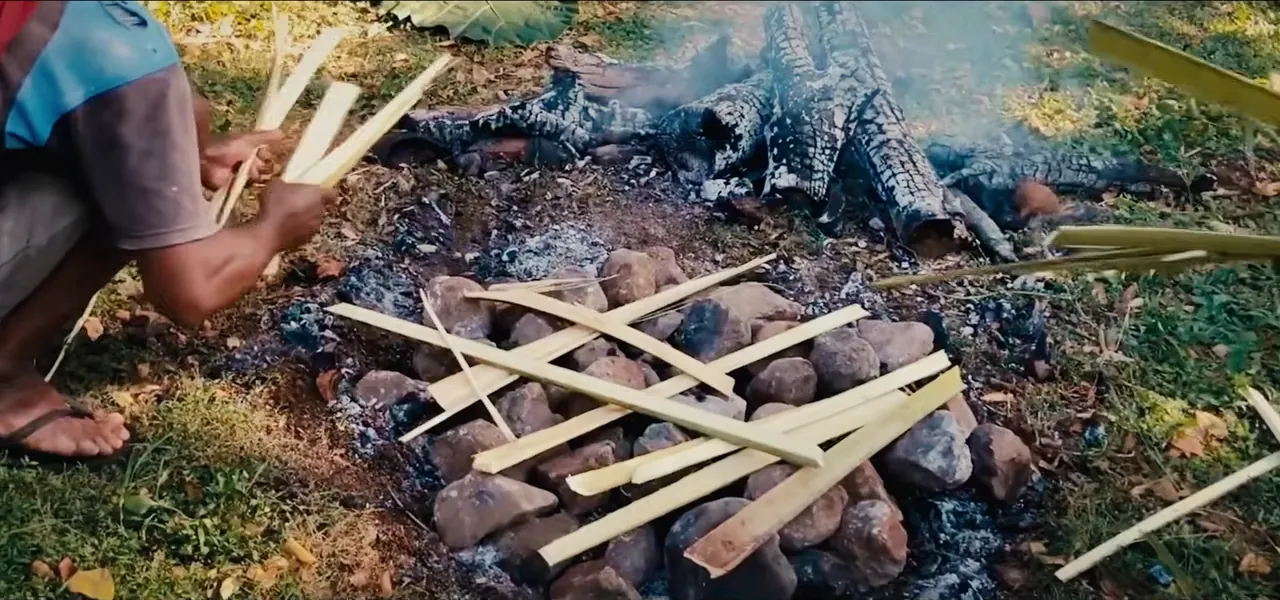
The method is ancient and shared across the Pacific. You dig a pit, build a fire, and stack it with stones; when the wood burns down to charcoal and the stones are white-hot, you wrap the food in coconut or banana leaves, lay it on the stones, cover the whole thing, and let it cook slowly for hours. Anyone who knows the Māori hāngī of New Zealand or the Samoan umu will recognise it instantly. The result is smoky, tender, and completely unlike anything you can make in a kitchen. In Fiji, only kava is more essential to a gathering than a lovo.
Giving Something Back to the Reef
Fiji's beauty is also fragile, and one afternoon I got to do something about it. With Mary Anne, the resort's environmental officer, I went out to help with coral planting — part of a daily program to revive reefs battered by algae and warming seas.
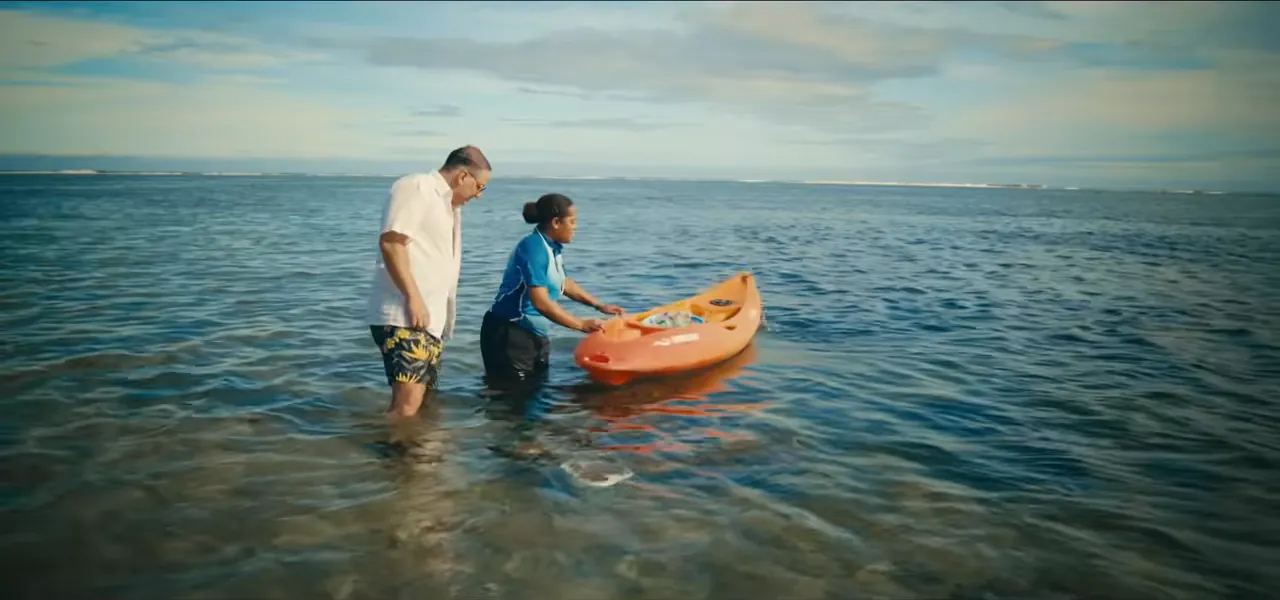
The method is elegantly simple: you take small fragments broken from existing healthy coral, fix each one into a cement-and-sand cone with a dab of the same putty aquariums use, and set it out on a low table on the seabed where it can grow before being replanted on the reef. It reminded me of doing exactly this in the Maldives — the same quiet, patient work, on the other side of the world. It's a small gesture against an enormous problem. But watching a broken piece of coral get a second chance, cone by cone, you understand why they keep doing it.
A Family of 252
And then came the story I truly didn't see coming. I'd travelled to Fiji partly to meet my friend Richard — a Fijian-Chinese man who has lived in Canada for years — and his family. But "family" turned out to be an understatement. I walked into the Wong Kun Yao family reunion: not fifteen or twenty people, but 252 of them, from a single bloodline, gathered from Canada, Australia, New Zealand, Tonga and beyond.
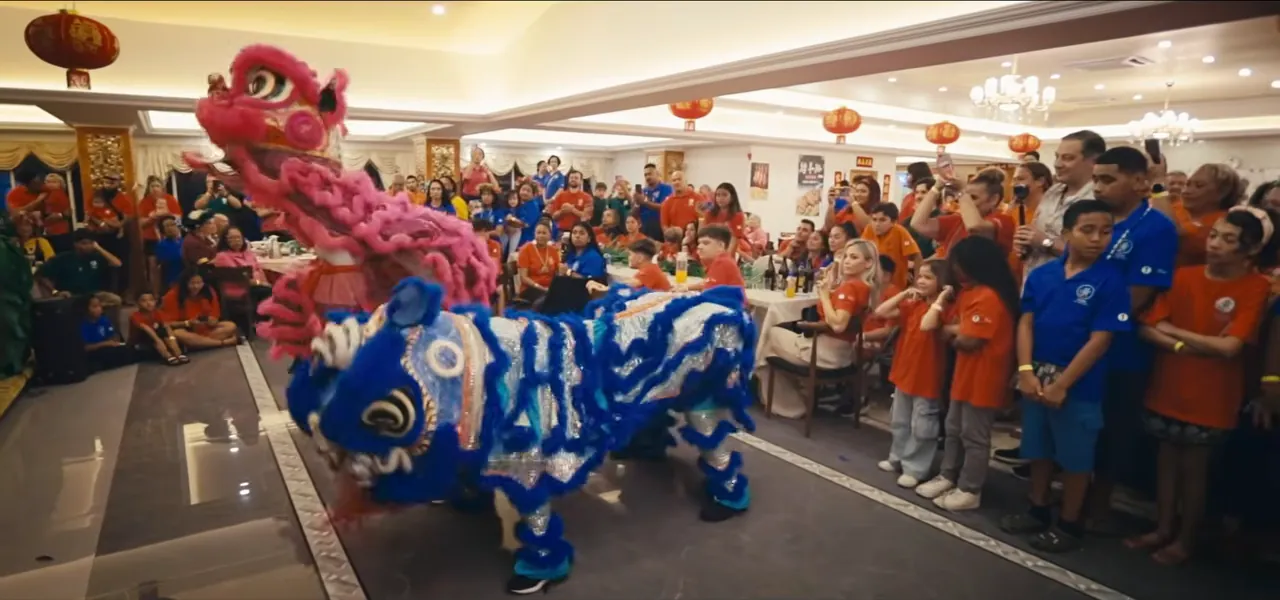
The story behind it is remarkable. Their grandfather came from Zhongshan, China in the early 1900s, married a Fijian woman, and had nine children — so the family chose nine colours, one per branch, and you can watch those colours multiply across the generations at every reunion. They meet every four years. The sole surviving patriarch, Uncle Suka, was celebrating his 91st birthday, and on the night I was there he formally passed the leadership of the family to Richard — a baton handed down, in front of everyone, to carry a hundred-year-old tradition forward. I've filmed a lot of gatherings. I have never seen 200-plus people, all visibly different, bond with such unity.
Richard's mission didn't stop at family. In Suva, the capital, he organised a business-pitch event to help locals, and he's involved in a social enterprise called Adopt A Village — building glamping sites beside villages that provide jobs and, above all, fund education, on the belief that getting kids to the next level of schooling is what actually changes a place.
The Islands Where Paradise Was Filmed
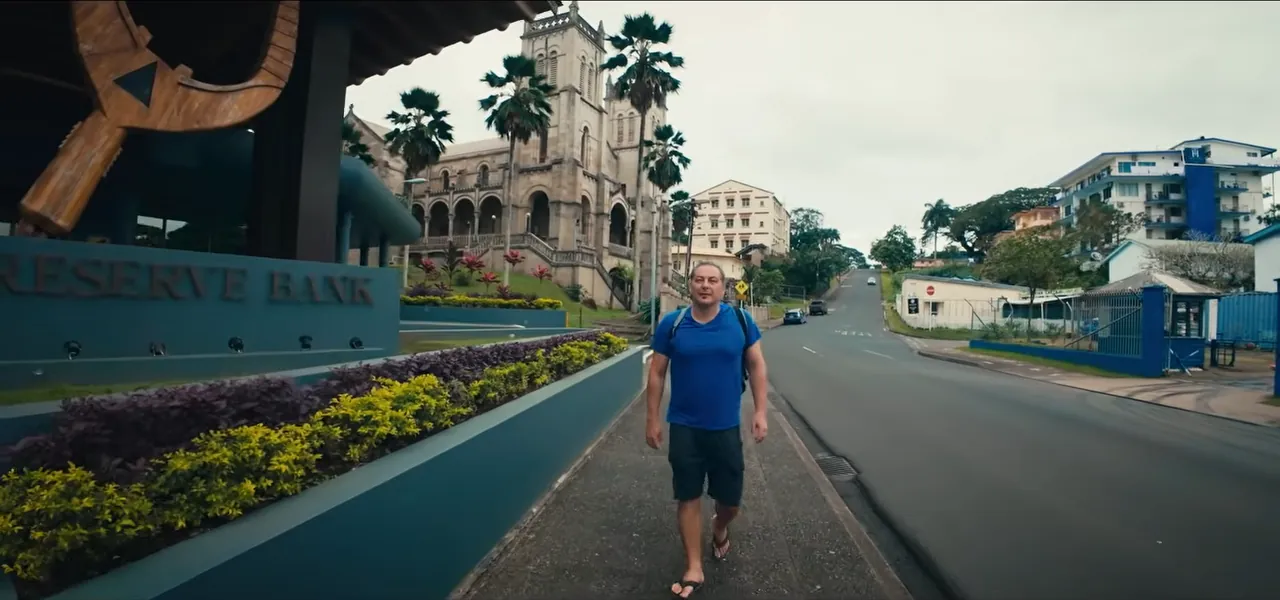
Fiji is so photogenic that Hollywood keeps borrowing it. On my last days I learned how many familiar screen paradises are secretly Fijian. Monuriki, an uninhabited speck in the Mamanuca group, is the island where Tom Hanks was marooned in Cast Away. The 1980 Blue Lagoon, with Brooke Shields, was shot on Nanuya Levu in the Yasawa Islands. And parts of Anaconda: The Hunt for the Blood Orchid used the private island of Vomo.
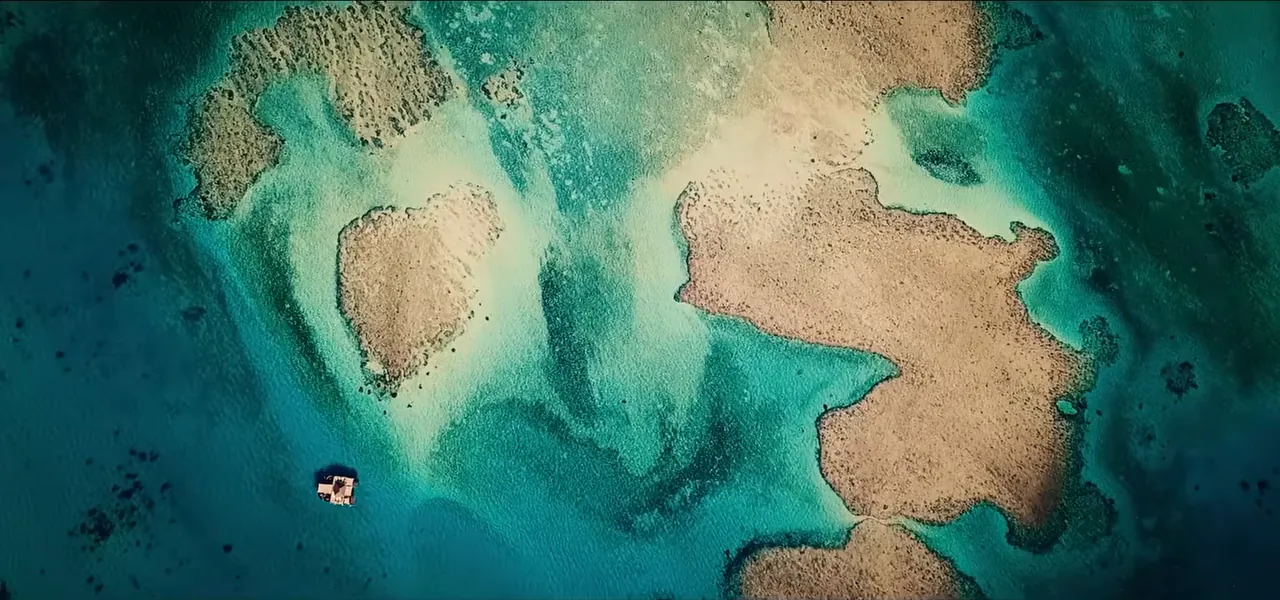
If you make it here, the islands offer far more than film trivia. Fiji doesn't run short of ways to get you on, in, or under the water.
Five More Things Fiji Does Best
There was more I wanted to do than any two weeks could hold, so before I left I put together the shortlist I wish someone had handed me on arrival — five experiences worth building a Fiji trip around.
By the numbers: Fiji's five best add-ons
- Swim with manta rays
- Yasawas, near Drawaqa — season ~May–Oct
- White-water rafting
- Upper Navua River, gentle class 2–3
- Cloud Nine
- Floating bar/platform moored over the reef
- Seaplane flights
- ~US$250–700 for scenic island runs
- Game & reef fishing
- Marlin, tuna, mahi-mahi, snapper, trevally
First, swimming with manta rays — done in the Yasawa Islands, particularly in the channel around Drawaqa, where the giant rays gather to feed on plankton through the season, roughly May to October. Second, white-water rafting on that same upper Navua River, its class 2–3 rapids threading beneath the canyon walls and waterfalls, tame enough for beginners. Third, Cloud Nine — a floating platform anchored over the reef in the open ocean, a one-day escape with a bar, a view and direct access to the coral below. Fourth, if the budget allows, a seaplane flight, roughly US$250–350 for a 20–30 minute hop or US$400–700 for the hour, banking over that impossible turquoise. And finally, fishing — Fiji is a game-fishing dream (marlin, tuna, mahi-mahi around Viti Levu, Vanua Levu and Taveuni), with reef fishing for grouper, snapper and trevally closer in.
Vinaka, Fiji
On my last day — vinaka is how you say thank you here — it was time to throw the dart again. After two weeks steeped in warrior culture, I did the ceremony dressed as one, flanked by two real Fijian warriors, and let the map decide.
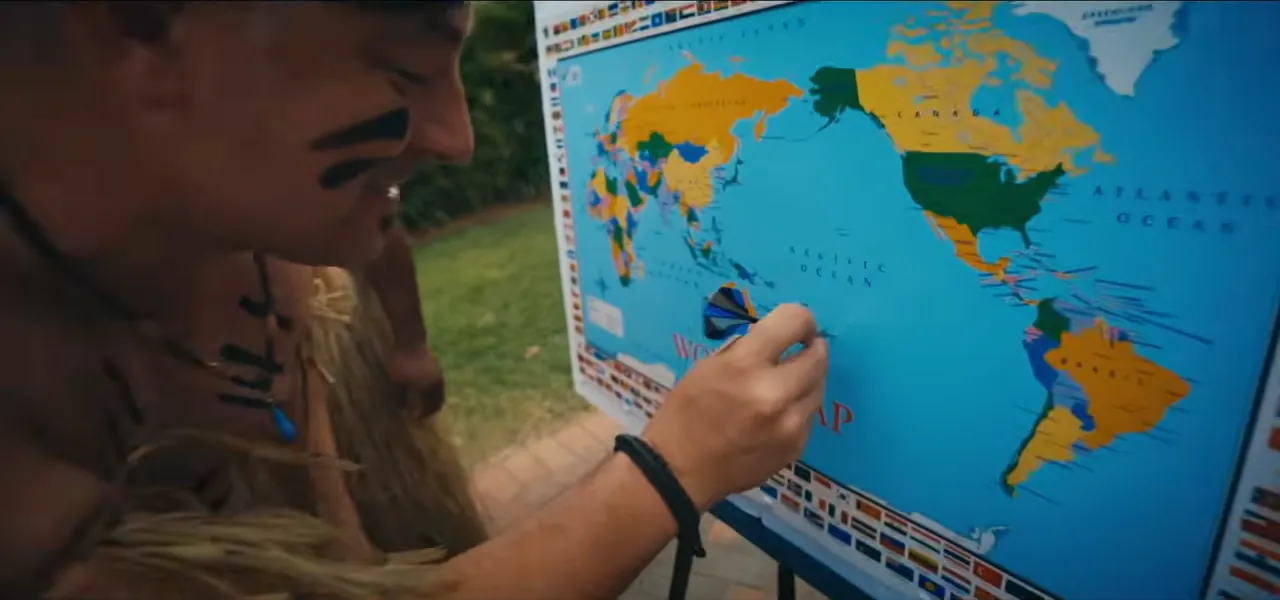
The dart landed in the open Pacific again, between Tonga and Samoa — so close together that I decided, why choose? I'd visit both. Fiji had earned that kind of optimism. I arrived expecting a beach and found something far larger: firewalkers who cross the impossible, a bowl of kava that opens every door, a dark history the islands carry honestly, and a family of 252 that redefined for me what the word even means. Fiji doesn't start at the airport. It starts, as they told me, the moment someone lets you in — and they let me all the way in. Watch both films above, and follow the journey onward from Mongolia that brought me here.
Explore More Travel by Dart Journeys
- Back one dart to the steppe of Mongolia, where this throw came from.
- More of the dart's islands and blue water: the Maldives and Curaçao.
- Another archipelago rich beneath the brochure: Indonesia.
- The Pacific's icy opposite the dart also chose: Antarctica.
Suggested Sources & Further Reading
To go deeper into Fiji, these are some of the best authoritative resources:
- Tourism Fiji — the country's official tourism site.
- Encyclopædia Britannica — Fiji — history, geography and culture.
- Encyclopædia Britannica — kava — the plant and the ceremony at the heart of Fijian life.
- Encyclopædia Britannica — Suva — Fiji's capital.
All facts verified September 2026.
Fiji: traveler questions
How many islands does Fiji have, and where is it?+
Fiji is an archipelago in the South Pacific made up of around 330 islands (plus roughly 500 smaller islets), of which about 110 are inhabited. The two main islands are Viti Levu — home to Nadi, the tourist gateway, and Suva, the capital — and Vanua Levu. The whole country has under a million people.
What is Fijian firewalking, and is it real?+
Firewalking (vilavilairevo, literally 'jumping into the earth oven') is a genuine ceremony in which men walk barefoot across white-hot stones without being burned. It is performed only by the Sawau tribe of the island of Beqa, who by legend inherited the gift from a spirit-god. Walkers prepare by abstaining and keeping apart from women for about two weeks beforehand.
What is kava?+
Kava — yaqona in Fijian — is a drink made from the pounded root of a pepper plant (Piper methysticum), mixed with water in a large wooden bowl called a tanoa. Mildly relaxing and slightly numbing, it is not alcohol and not a drug in the usual sense; it is Fiji's central social and ceremonial ritual, used everywhere from ordaining chiefs to welcoming guests.
Did Fiji really practise cannibalism?+
Yes. For centuries Fiji was known to outsiders as the 'Cannibal Isles.' The practice was bound up with warfare and religion — consuming a defeated enemy was an act of both humiliation and spiritual power — and it faded in the 1800s with the arrival of Christian missionaries. Fiji was then a British colony from 1874 until independence in 1970.
What is a lovo?+
A lovo is the traditional Fijian earth oven and the source of the national dish. A pit is dug, a fire built and topped with stones; once the stones are white-hot, food wrapped in banana or coconut leaves is placed on them, covered, and left to cook for hours. It's closely related to the Māori hāngī of New Zealand and the Samoan umu.
Which famous movies were filmed in Fiji?+
Several. Tom Hanks's Cast Away (2000) was filmed on the uninhabited island of Monuriki; the original Blue Lagoon (1980) with Brooke Shields was shot on Nanuya Levu in the Yasawa Islands; and parts of Anaconda: The Hunt for the Blood Orchid used Vomo Island. Fiji also offers manta-ray snorkelling, white-water rafting on the Navua, and the Cloud Nine floating platform.