Season 6 · Episode 4
Mauritania
One of the least visited countries on Earth.
On this page ▾
By Sorin Mihailovici · Travel by Dart · Last updated October 2026 · ~16 min read
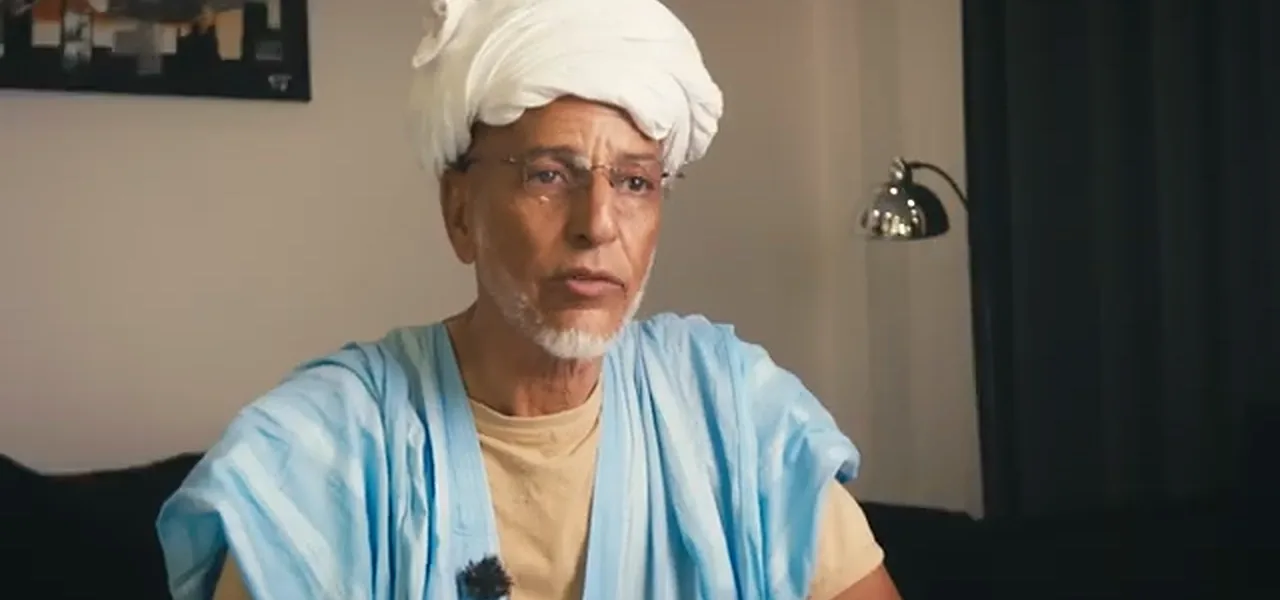
"Many people, when you tell them you want to go to Mauritania, say: are you crazy? Dangerous country. They already have the preconception. But when they come here, they find something really different. We are one of the most hospitable countries in the world." That's what a man who actually lives there told me. Everyone else told me the opposite — and not one of them had ever set foot in the place.
Many people, when you tell them you want to go to Mauritania, say: are you crazy? But when they come here, they find something really different. We are one of the most hospitable countries in the world.
I've been to more than a hundred countries, and I'll be honest: I couldn't have confidently found Mauritania on a map. So I went to find out which version was true — the warning, or the welcome.
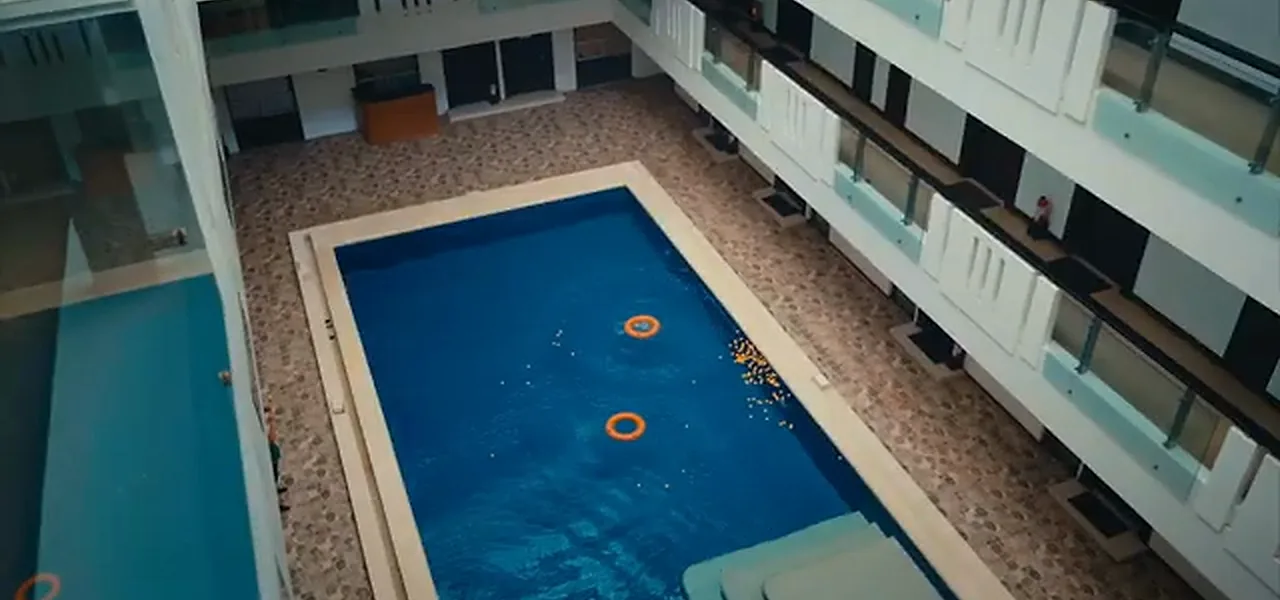
And I changed the rules to get there. After ten or twelve years of throwing darts, I wanted something different for this one. So I wrote the name of 198 countries on 198 ping-pong balls, dropped them into a fifth-floor swimming pool, and tossed in a single life ring. Whatever the ring caught was my fate. One ball out of 198 floated up inside it: Mauritania. A week later I landed in Nouakchott with no real idea what I was walking into.
What made the whole week possible was Idomou. He'd been answering my questions for a month before I arrived, and he'd heard every one of them a thousand times before, because everyone asks him the same things about his own country. He met me as if we'd known each other for years. That, it turned out, was the least surprising thing that happened all week.
Quick facts: Mauritania at a glance
- Where it is
- West Africa, between Western Sahara & Senegal
- Size
- About twice the size of France — 90% Sahara
- Population
- ~5 million
- Capital
- Nouakchott (~1.5 million)
- Tourists
- Almost none — barely any tourism industry
- Famous for
- The Eye of the Sahara, Chinguetti, the iron ore train
- How I got here
- 198 ping-pong balls & a life ring
- The dart flew onward to
- Mexico
The Country Nobody Could Tell Me About
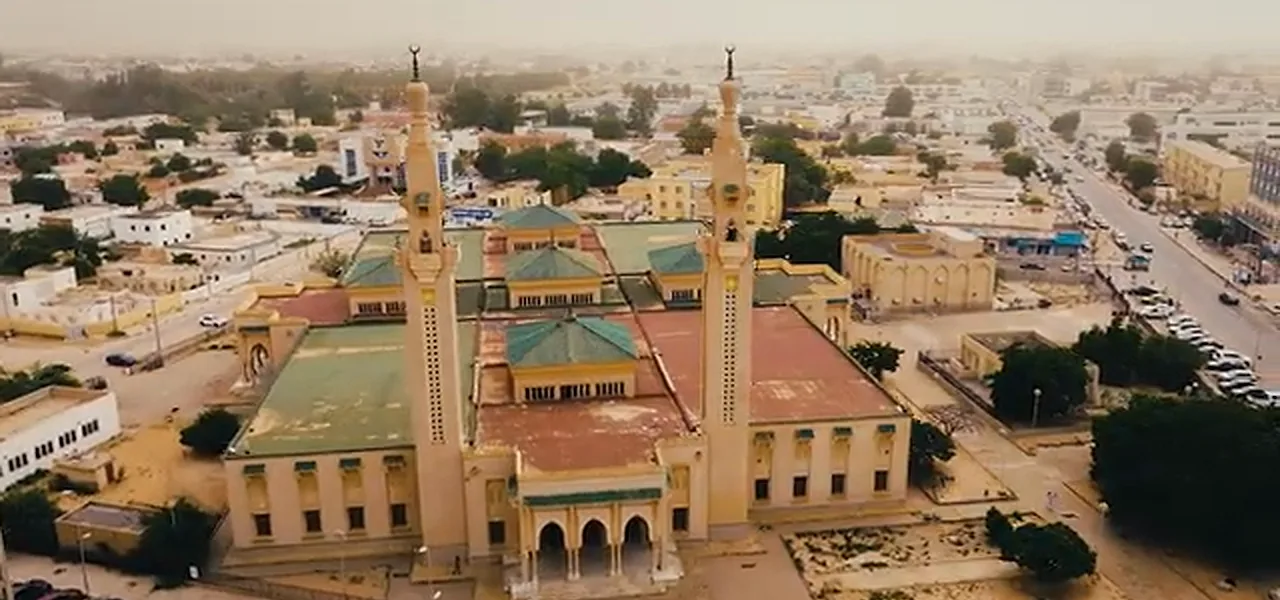
Here is what people actually mean when they say Mauritania is dangerous: they mean they don't know anything about it. The country sits on the west coast of Africa, between Western Sahara and Senegal. It's roughly twice the size of France, and 90% of it is desert. Five million people live here, most only a generation or two removed from a nomadic life — and the ones who aren't still talk about it as if it only just ended. The capital, Nouakchott, holds about 1.5 million people; sixty-five years ago it was a village of a few hundred. Barely anyone visits, which has one wonderful side effect: almost no one here has any reason to perform for you.
I started collecting the things nobody had told me, and there turned out to be a lot of them. The first is 40 kilometres wide and once made international news: the Eye of the Sahara, the Richat Structure, a bull's-eye of concentric rings in the desert so vast it's used as a landmark by astronauts, visible from space. Then there's the human mix. Mauritania sits on the seam between the Arab and African worlds, and its people reflect it — Moors, Toucouleur, Bambara, Wolof, Haalpulaar. "You can see black, you can see white," Idomou said, "but we feel like the same people."
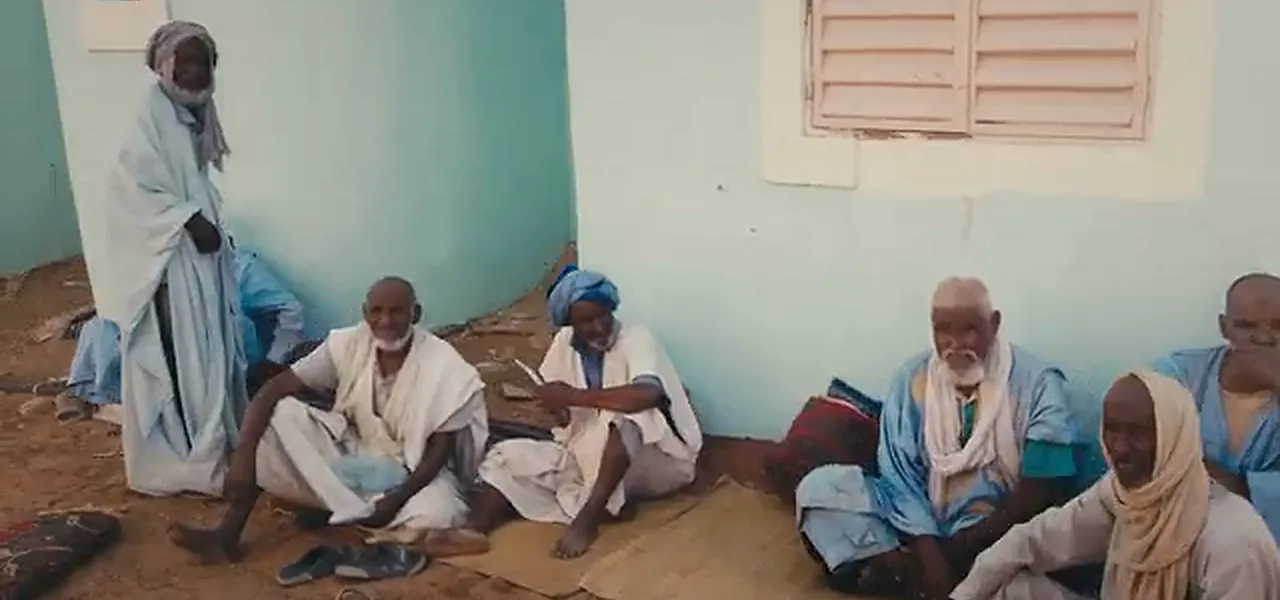
There's another thing almost no one tells you: in Mauritania, the old world hasn't ended — it's running in parallel with the new one. "We're still one of the few virgin countries left," Idomou said, "because we still have prehistoric life alive." Drive out beyond Nouakchott and you'll find nomads who have lived the same way for generations — people who have never seen a cellphone, never seen a car, still moving by camel and living on camel milk. It's not a museum exhibit or a show for visitors. It's simply a way of life that never stopped, a few hours' drive from the capital.
Not everything here is easy to hear. Among Moors, corpulence was once a symbol of wealth and beauty in women, and in some rural areas the practice of fattening girls before marriage — leblouh — still survives, though it's fading, and younger Mauritanians openly reject it as unhealthy. And the hardest fact of all: Mauritania was the last country on Earth to abolish slavery, in 1981 (and only made it a crime in 2007). This is a country still reckoning, visibly, with its own past — which made the warmth I met everywhere all the more striking.
The Camel Is the Country
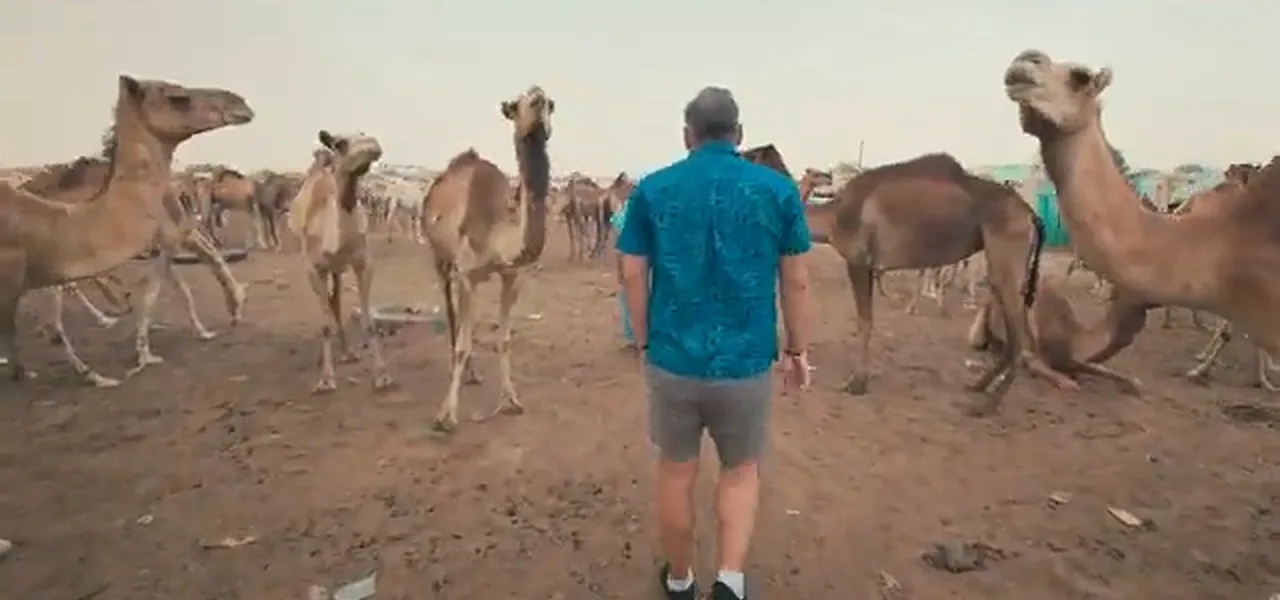
The very first thing Idomou took me to was something I'd never seen: a camel market, one of the biggest in the world — and emphatically not for tourists. Hundreds upon hundreds of camels, traded exactly the way you'd buy and sell at any livestock market.
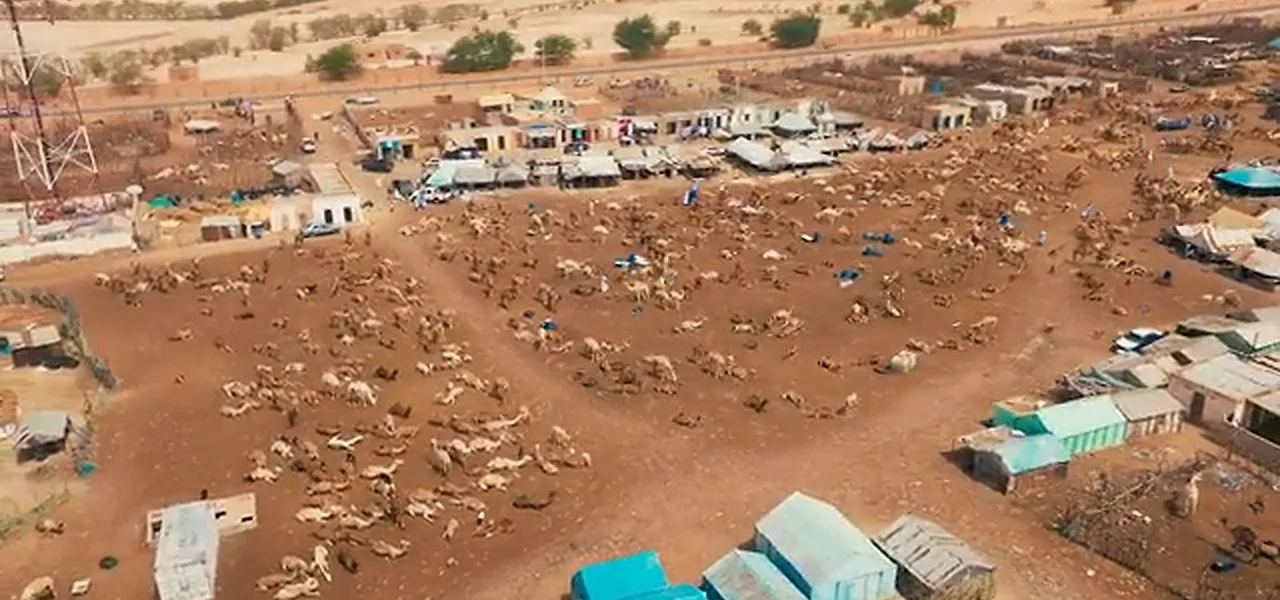
In a nomadic country, the camel is everything: ridden, milked, and eaten. A good one costs $1,600 to $2,000, and owning a herd is real wealth — sell one or two of your five hundred, Idomou shrugged, and you're fine. The numbers are staggering: in Nouakchott alone they slaughter more than 500 camels a day, not counting family celebrations, where a whole camel goes on the barbecue. Here's the practical upshot for a visitor: when a restaurant menu lists "meat," it means camel. The camel isn't sacred, exactly — but it is, as Idomou said, the animal of Mauritania. You see them everywhere, roaming the highways and the side streets, some loose, some tethered on a long rope.
After the market we chased the sunset across the city. My first impression, from the cars on the road, was that Nouakchott was desperately poor — but downtown told a different story, past the presidential palace, the parliament and a handful of hotels that, if not exactly upscale, were a clear step up from what I'd seen on the way in. A country, like its reputation, that keeps revising itself the closer you look.
Into the Sahara
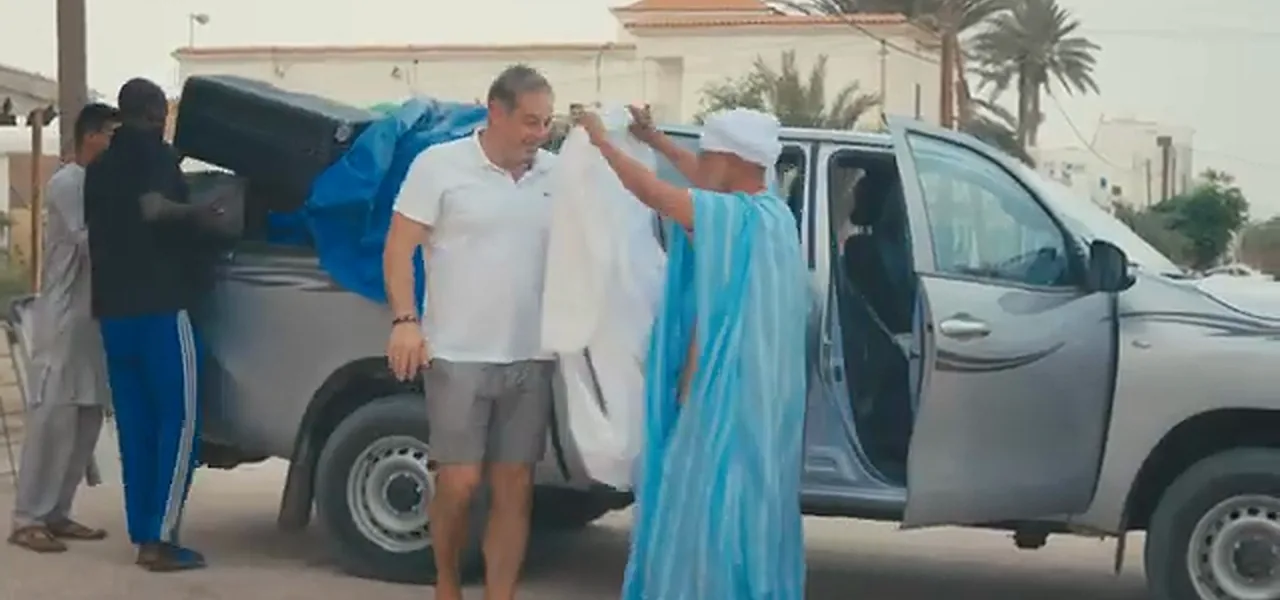
The real adventure began the next morning. Idomou gave me a daraa — the flowing Mauritanian robe, a boubou in French — and wound a turban around my head. Then we loaded up for a week in the desert. In Mauritania, that is not a figure of speech: you need genuine stamina for the desert roads. Idomou took the first shift at the wheel; we had Mass as a backup driver and Saad as our cook, because out here, he told me, you simply can't eat random things.
The plan: head north into the Adrar region, through Akjoujt (copper and gold country), past the little oasis of Terjit, and on to Chinguetti — normally a seven-to-eight-hour haul. And then something extraordinary happened with the weather. It rains here maybe once or twice a year. The week before I arrived it had been 47°C; the day we drove, after a freak rain, it was 24°C. Everyone was euphoric — the people, the animals, the camels, Idomou kept laughing that I'd brought the rain and the luck with me. I'd been genuinely afraid I would melt in the heat. Instead I got the Sahara at its gentlest.
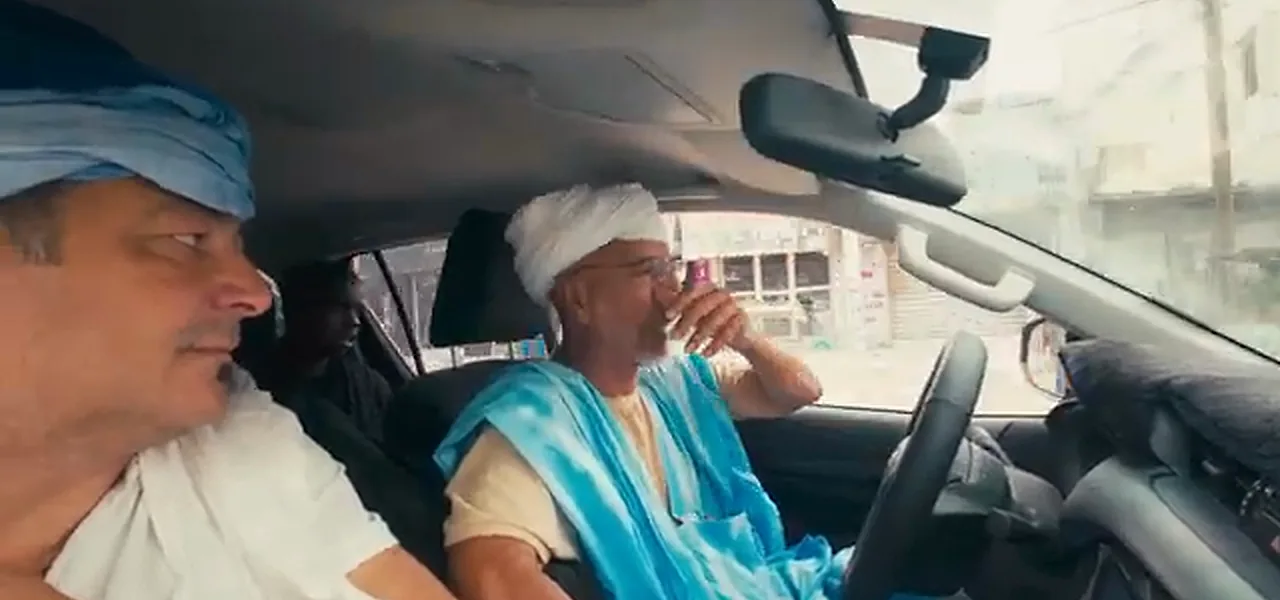
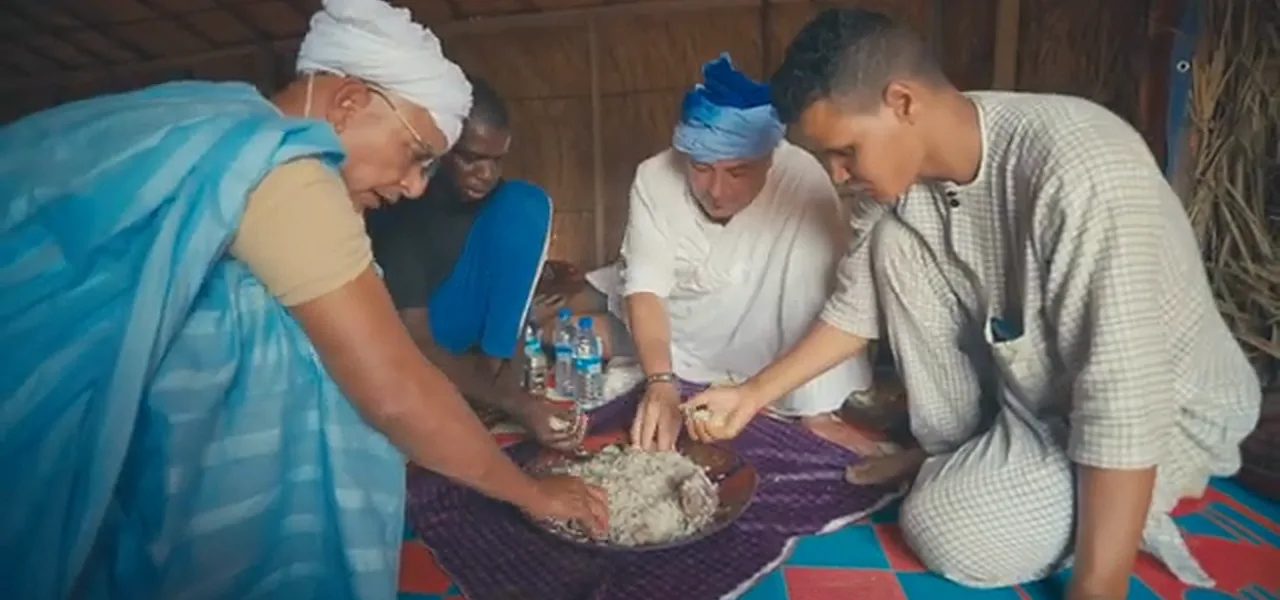
Halfway, we stopped for lunch at a farmer's home — an oasis with animals and a water well, where the owner lives with his family. And there I ate the Mauritanian way for the first time: one enormous shared plate of rice and camel meat, eaten with bare hands. It was so hot I nearly burned my fingers, while everyone around me dug in like it was nothing. Then came the tea — and tea here is a ceremony, not a drink. It takes about fifteen minutes, brewed strong and poured high, loaded with mint and a frankly heroic amount of sugar (ask them to go easy and they'll add it anyway). It comes out like a concentrate, and it's delicious — and it will absolutely keep you up at night. Idomou also talked me into another local habit: chewing the frayed end of a particular stick and using it to clean your teeth, a natural toothbrush and toothpick in one. He swore it was good for me. I'm still not entirely sure he wasn't having fun at my expense — but half the country seems to use one, so I went along with it.
Chinguetti, the City of Libraries
After eight hours, we reached Chinguetti, and checked into an auberge — a cross between a homestay and a hostel — called the Phare du Désert, the Lighthouse of the Desert. The next day I understood why this town matters. Built in the 13th century, Chinguetti was one of the great caravan stops on the trans-Saharan trade routes, especially for merchants dealing in gold and salt, and a waypoint for pilgrims bound for Mecca. It was long held to be the seventh holiest city in Islam, and it's a UNESCO World Heritage site — largely because it was one of the most important centres of learning in the entire Islamic world.
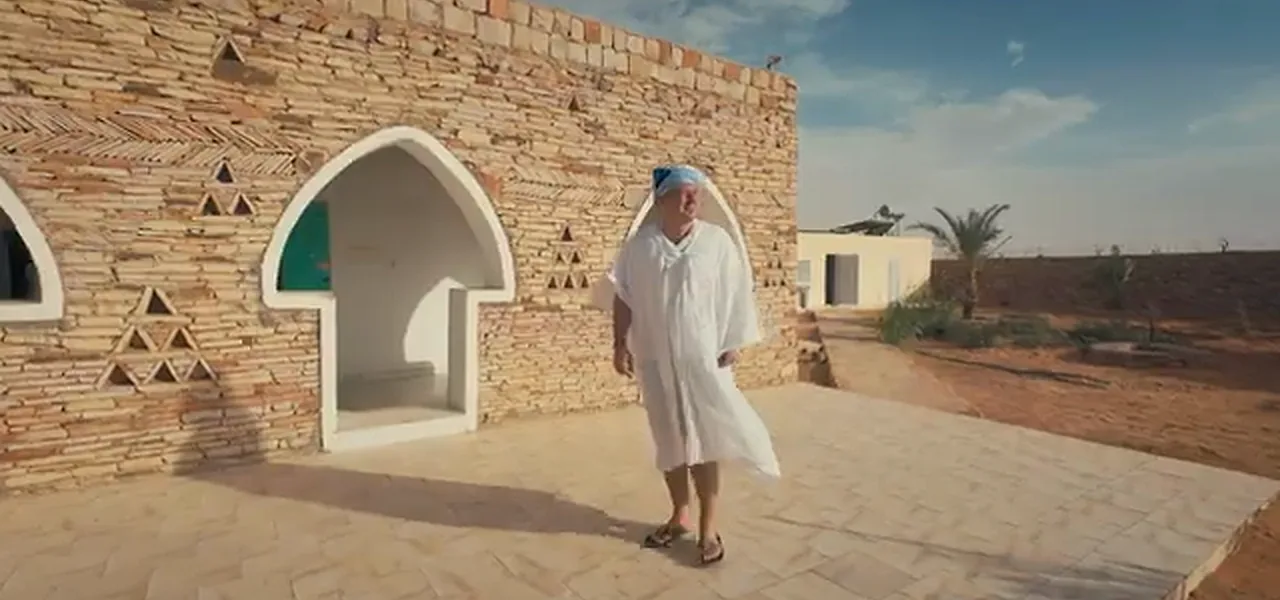
That learning survives in the most moving way I saw all week. Chinguetti's nickname is the City of Libraries, and in rooms carved out of mud, families still keep Islamic manuscripts over a thousand years old — books that have been here since before most European universities even existed.
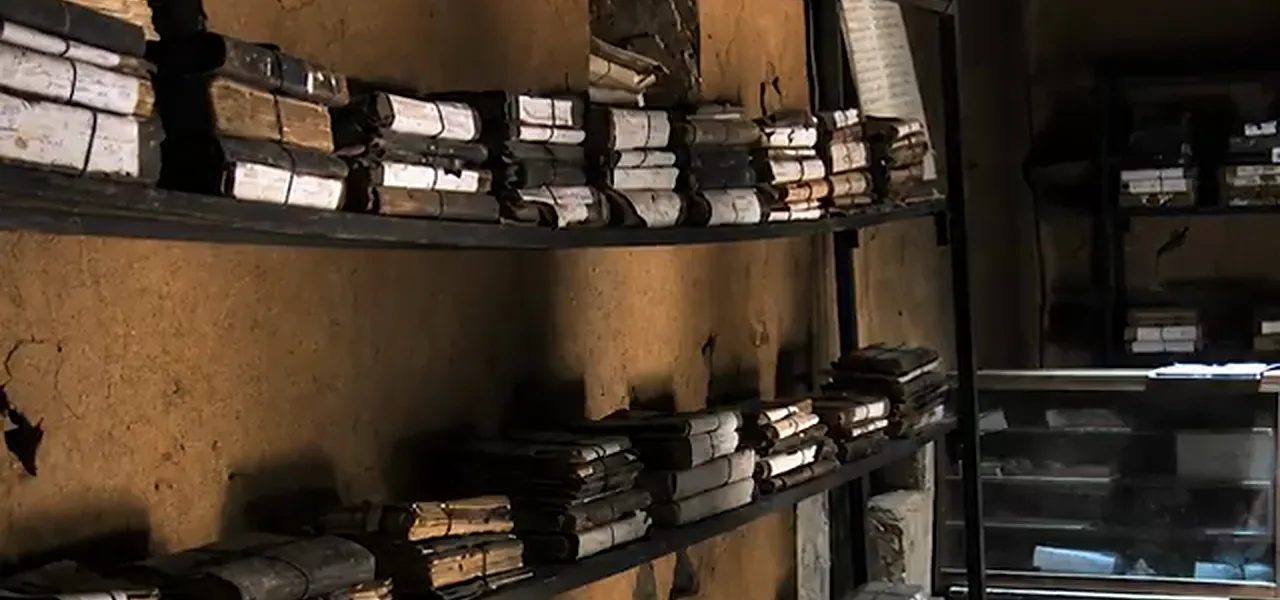
Think about what that means. This country I'd been told to avoid has been safeguarding thousand-year-old books in mud-walled rooms since the 1200s. Nobody built them a climate-controlled vault. No government stepped in to rescue them. Families simply decided the manuscripts would survive — and they did, passed down and dusted off across eight centuries of desert. If you want a single image to correct everything you assumed about Mauritania, it's that.
The Dunes
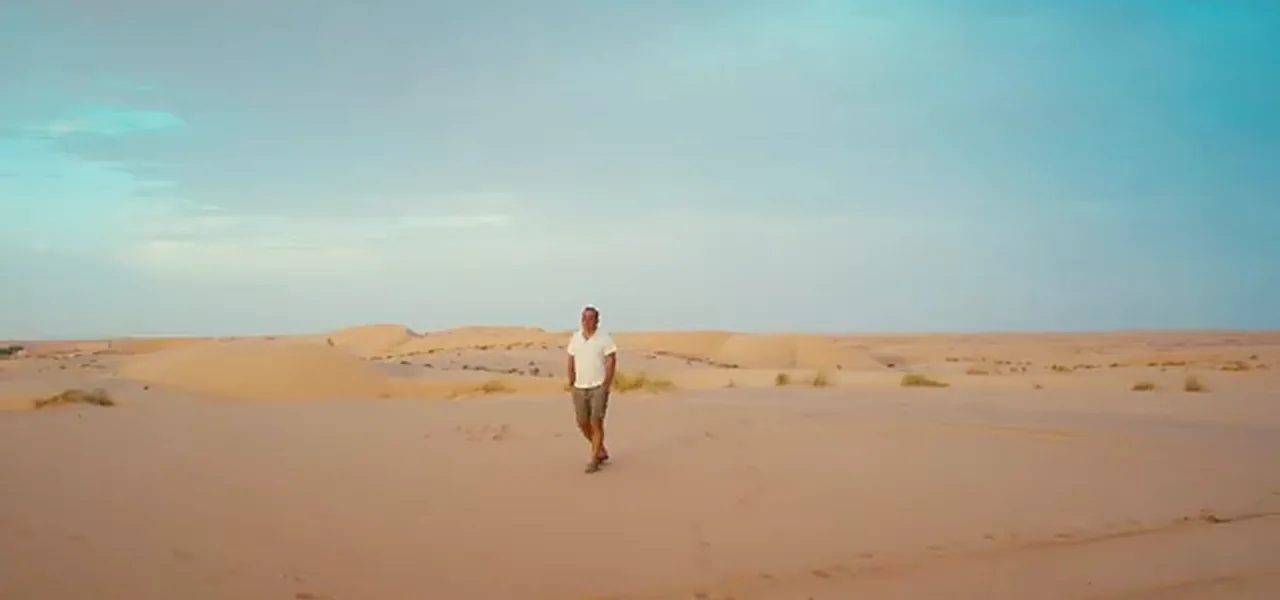
Idomou wasn't done with the first day. "There is something majestic you need to do now," he said, and sent me off with Mass and Adama to the highest dunes outside Chinguetti for sunset. We drove out into the Sahara proper, and I have never seen sand so golden in my life. Getting the car to the top was a fight — the dunes pushed back, the tyres spinning and sinking, and it took three or four runs at the slope to crest the hill — but then we were up, and it was perfect. This is as Saharan as it gets: the finest sand in the world, a low sun, total silence, the ridgelines of the dunes curving away in every direction like something sculpted. By half past six the light had gone deep amber and the whole desert seemed to glow from inside. It was the first moment the whole trip tipped over from interesting into unforgettable — the point where I stopped documenting a country and started just being somewhere extraordinary. I felt, genuinely, embraced by the place, and by the warmth of the people who'd brought me there.
The Night the Village Sang
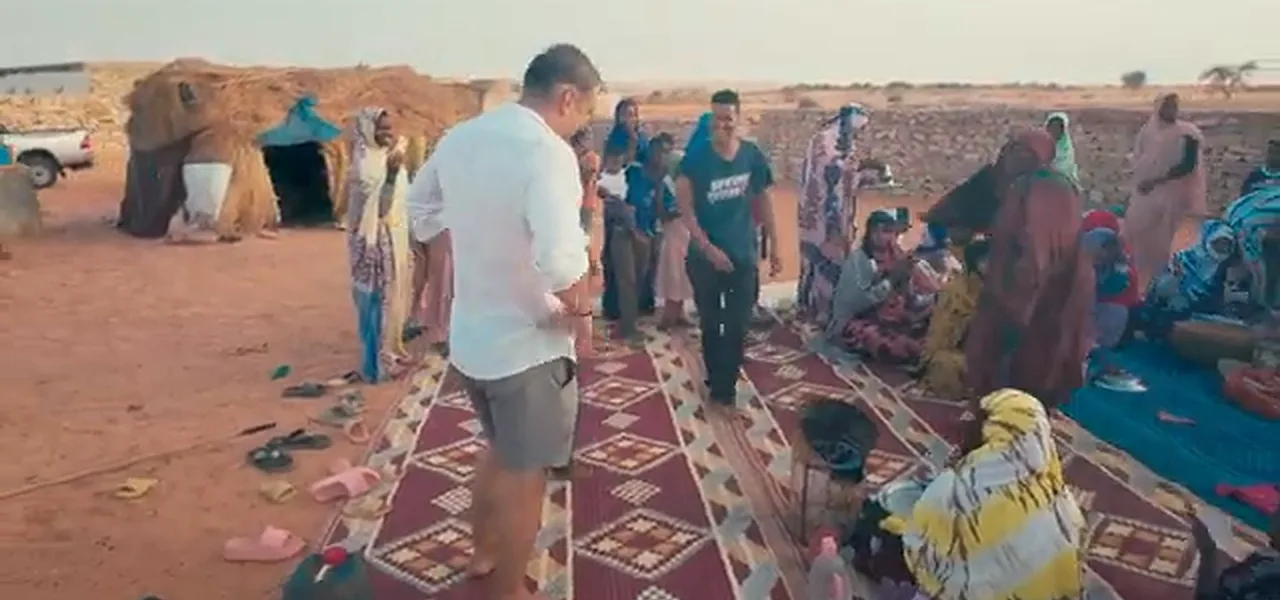
The moment I'll tell people about for years happened almost by accident. Coming back tired one evening, I expected to go straight to bed — until our driver sailed right past the gate of our auberge and stopped a hundred metres on. I heard music. Saad pulled me out of the car and more or less pushed me into someone's backyard, where the women of the village were singing and waving me in, a crowd of kids jumping around me.
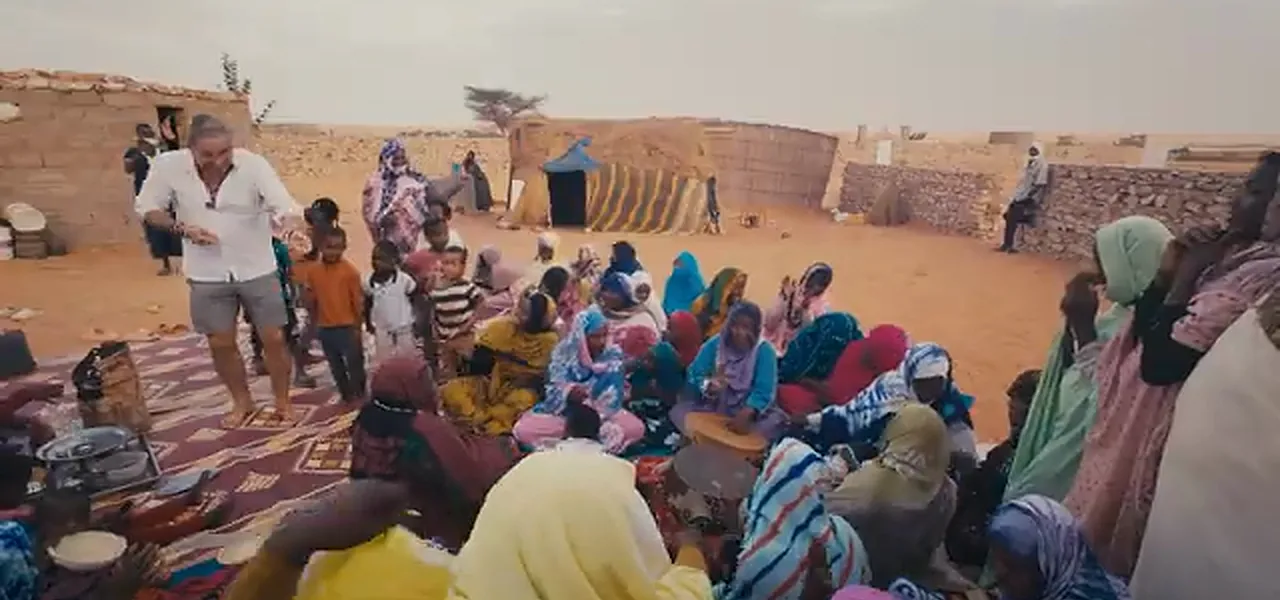
Saad started to dance, then stopped and told me it was my turn. I had no idea what was happening, whether I was staying or passing through, whether this was a party or something more official — the ladies kept pointing me toward one particular young woman with a grin that made me nervous (not another meat market, please). They asked my name and where I was from. "Sorin." "Canada." And just like that they turned it into a song: "Sorin, Canada. Sorin, Canada." I danced the best I could, copying Saad's moves, and then — I looked up and Saad had vanished, leaving me alone in the middle of it. Twenty minutes later I staggered out, laughing, with absolutely no idea what had just taken place. Idomou, of course, had been watching from the background the whole time, laughing hardest of all. He never told me what I was supposed to do. In the Mauritanian way, the younger always defers to the older — so he'd simply decided to let it happen to me. "For a year," he promised, "they'll be talking about the Canadian guy who was here."
The Longest Train, and the Next Dart
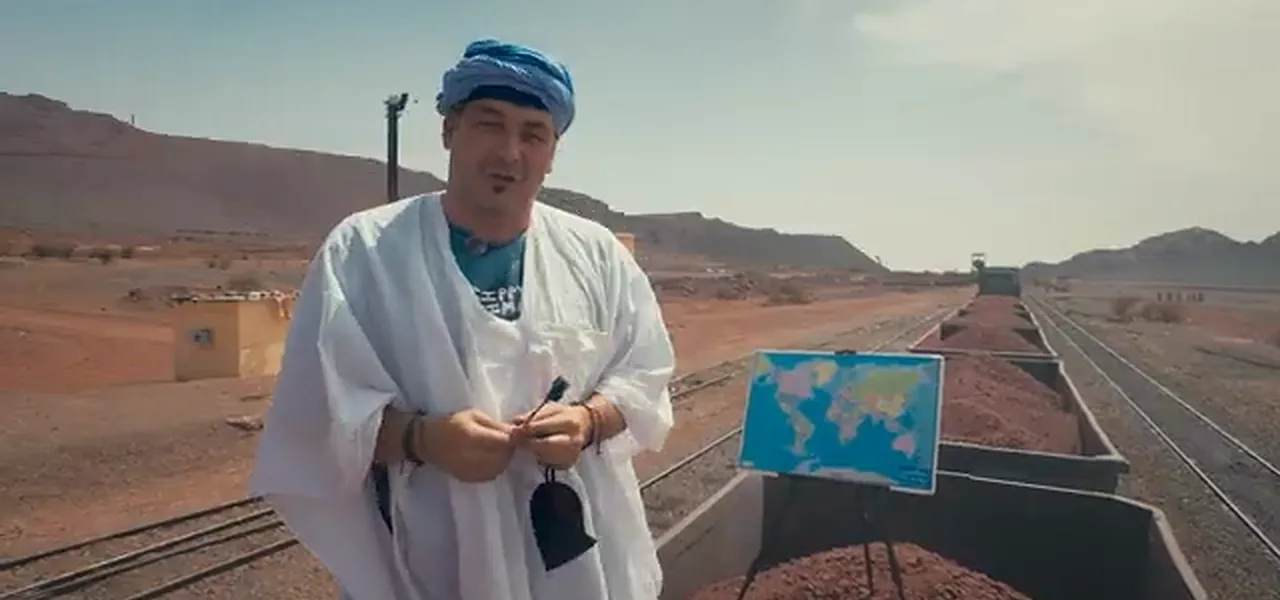
For the finale, we went looking for the most iconic thing in the country: the Ore Iron Train, which Mauritania claims as one of the longest trains in the world — about 2.5 kilometres of track, roughly 200 wagons, hauling iron ore out of the desert. Over the years it's become the symbol of the nation itself: strength and resilience, grinding across the Sahara. The trains here don't run on a Swiss timetable, though, so to be sure of catching it we drove a few hours to Zouérat — the mining town where the train is assembled, and, as it happened, where our cook Saad's family lives.
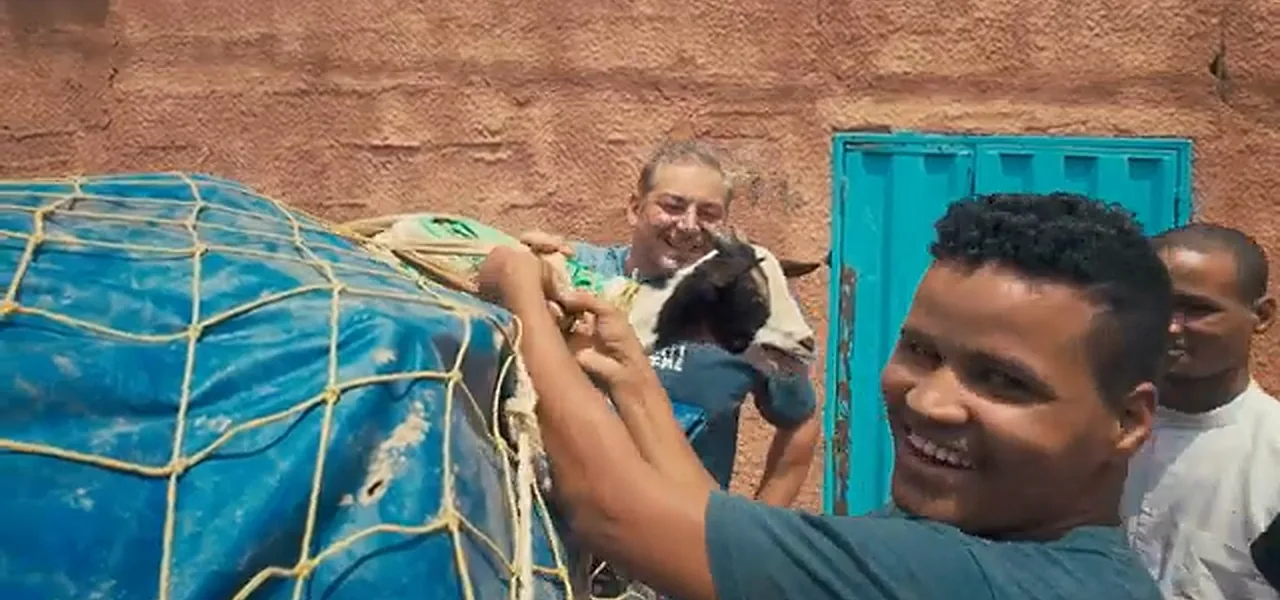
Lunch there came with another huge meal, another long tea ceremony, and a very Mauritanian parting gift: Saad's family handed Idomou a live goat. Which meant the goat now had to travel back toward Nouakchott with us — and they had their own, very efficient strategy for stowing it.
Then we climbed up to the train itself, all the way to the engine and onto the loaded ore cars.
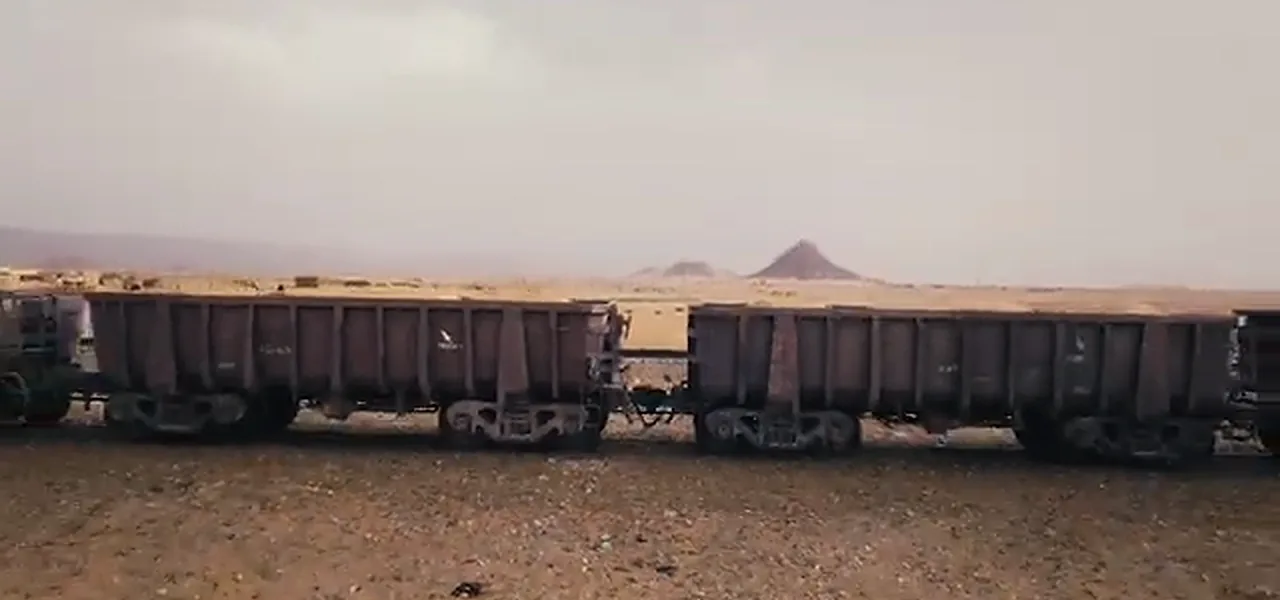
And there, on top of the ore, after seven days in the Sahara, I finally did throw a dart — blindfolded, at the world map, for my next destination. The rules never change: hit water, go to the nearest land; hit a country I've already visited, throw again. It took something like 60 throws to dodge everywhere I'd already been, and then it stuck fast in Mexico — one of the biggest countries in the world. I speak Spanish, so all I could say was vamos.
By the numbers: Mauritania, by the numbers
- Size
- ~2× France · 90% Sahara
- Population
- ~5 million
- Selection method
- 198 ping-pong balls, 1 life ring
- Eye of the Sahara
- ~40 km wide, visible from space
- Camel price
- ~$1,600–$2,000 each
- Camels slaughtered daily in Nouakchott
- 500+
- Chinguetti founded
- 13th century · UNESCO site
- Iron ore train
- ~2.5 km · ~200 wagons
Was It Safe? Here's Everything That Happened
People keep asking if Mauritania was safe, so here is the complete list of everything that happened to me there. A man whose name I never caught stopped what he was doing, walked four strangers into his house, and set down a plate of rice and camel meat. I was given tea three times a day for a week, and they never once let me pay. And on my last night in Chinguetti, a driver I'd known for six days drove past my own gate so that the women of the village could sing until I danced with them. That's the list. That's everything. Nothing else happened — nothing at all.
I'm not going to pretend this country is easy. It's mostly Sahara; it's hard to move through; and you should read your own government's advice before you book anything. But I've been warned about a lot of places in my life.
This is the first country I came home from wanting to argue about.
Mauritania didn't just fail to live up to its reputation — it inverted it completely. The least visited country, the one nobody could tell me anything true about, turned out to be one of the most generous places I've ever set foot in. Idomou was right from the first minute: come here for something original, something no one made to please you, and you'll meet a country simply living its life — and pulling you, warmly, into the middle of it.
Explore More Travel by Dart Journeys
- Another desert that rewired my expectations: the Atacama and the far south of Chile.
- More "they told me not to go" countries that proved everyone wrong: Yemen and Iraq.
- The Viking north, where this season began: Norway.
- From the top of the iron ore train, the dart flew onward to Central America — watch this space for Mexico.
Suggested Sources & Further Reading
To go deeper into Mauritania, these are some of the best authoritative resources:
- UNESCO — Ancient Ksour of Ouadane, Chinguetti, Tichitt and Oualata — the World Heritage listing for Chinguetti and its sister caravan towns.
- Encyclopædia Britannica — Mauritania — history, geography, peoples and the economy.
- NASA Earth Observatory — the Richat Structure — the "Eye of the Sahara" from space.
- Encyclopædia Britannica — Chinguetti — the caravan city and its ancient libraries.
- Encyclopædia Britannica — the Sahara — the desert that covers 90% of the country.
All facts verified October 2026.
Mauritania: traveler questions
Is Mauritania safe for travelers?+
Almost everyone warned me not to go — and not one of them had ever been. What actually happened to me was this: a stranger walked four of us into his home and fed us rice and camel meat; I was given tea three times a day for a week and never once allowed to pay; and on my last night a village sang until I got up and danced with them. That's the honest list. I won't pretend it's an easy country — it's 90% Sahara, hard to move through, and you should read your own government's travel advice before you book anything — but I came home from Mauritania wanting to argue with everyone who'd told me to stay away.
How do you get to Mauritania and get around?+
I flew into Nouakchott, the capital, and then crossed the country by 4x4 with a local guide, Idomou, a backup driver and a cook. There's almost no tourism industry, so a trusted local fixer is essential — he arranges the vehicles, the route, the homestays (called auberges) and the introductions. Distances are huge and mostly across desert; the drive north to Chinguetti alone is seven to eight hours. You need stamina, time and someone who knows the Sahara.
What is there to see in Mauritania?+
Extraordinary, little-seen things. Chinguetti — a 13th-century caravan city, a UNESCO World Heritage site and the 'City of Libraries,' where families still guard thousand-year-old manuscripts — is the highlight. There's the Eye of the Sahara (the Richat Structure), visible from space; one of the world's biggest camel markets; the golden dunes outside Chinguetti; and the legendary iron ore train, about 2.5 km long, that crosses the desert. Above all, there's the hospitality.
When is the best time to visit Mauritania?+
The cooler months, roughly November to March. I was there when a freak rain dropped the temperature from 47°C the week before to around 24°C — a gift, and very much the exception. Summers in the Sahara are brutal (think mid-to-high 40s Celsius), which makes long desert drives genuinely dangerous. Go in winter, and go with a guide who knows how to read the heat and the roads.