Season 6 · Episode 2
Iraq
The cradle of civilization, seen far beyond the headlines.
On this page ▾
By Sorin Mihailovici · Travel by Dart · Last updated October 2026 · ~16 min read
You have to be a little crazy, or a little stupid, to throw a dart at a world map and commit to going wherever it lands — especially when the dart hits a country your own government flags as high-risk. I was probably a bit of both. When the point came down on Iraq, I didn't flinch. I just started figuring out how to get to Baghdad.
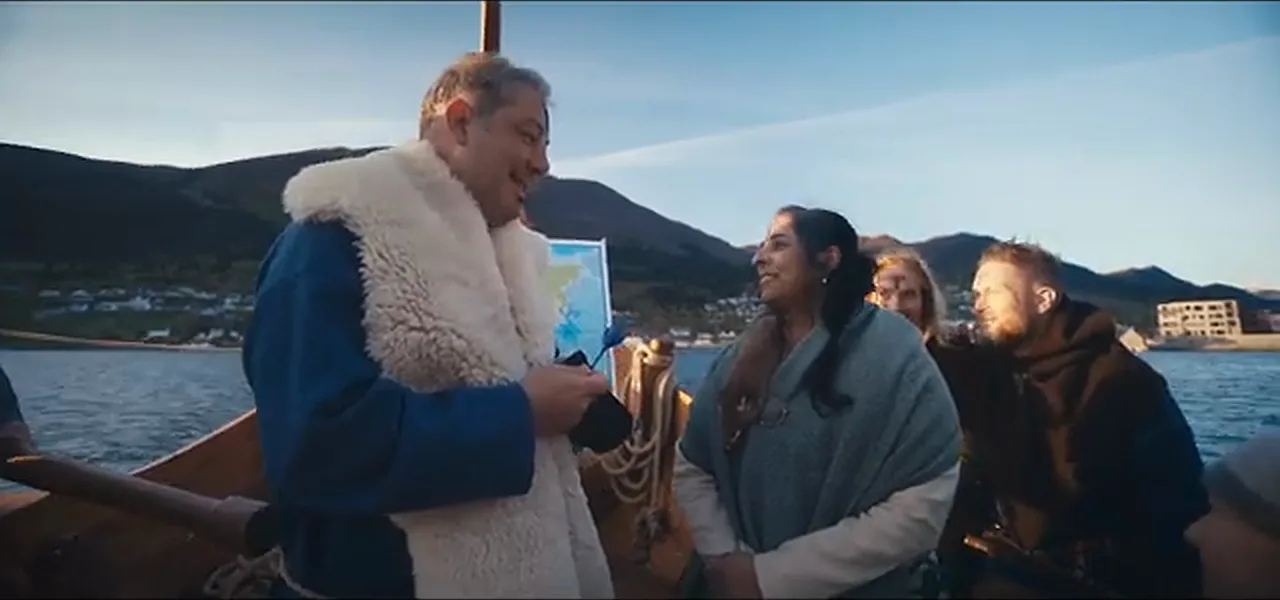
The strange part is that this dart wasn't even mine. I was still in Norway, having just taken part in the launch of the largest Viking ship ever discovered, and I'd organised a dart ceremony on the deck of that ship. My first guest to throw, blindfolded, was Norway's Minister of Culture, Lubna Jaffery. She spun, she threw — and the point landed on Iraq. Honestly, I don't know why I was so excited, because within seconds my head filled with exactly the images most people get: war, military, car bombings. That is the whole country, as far as the news had ever shown me. So I decided to go and see the rest of it.
Quick facts: Iraq at a glance
- Capital
- Baghdad (~8 million)
- Population
- ~45 million
- Ancient name
- Mesopotamia — 'land between two rivers'
- Rivers
- The Tigris & the Euphrates
- Famous for
- Babylon, the Ishtar Gate, the Tower of Babel
- Palm trees
- ~22 million — likely the most on earth
- This trip
- Baghdad & Babylon
- The dart came from
- Norway
Is Iraq Safe? Arriving in Baghdad
You cannot do a country like this alone, so before I flew I did my research and found a guide named Ahmed. I'll be honest: I knew nothing about him. I was putting myself entirely in his hands. At the airport he was late — late enough that I started to wonder if he was coming at all — and then he appeared, with a driver who, I later learned, had fought against ISIS for the Iraqi government. Somebody had already called me "American" in the arrivals hall. I had no idea yet whether that was a problem.
They drove me to a hotel in downtown Baghdad — more of an apartment than a room, with a little tea-and-coffee lounge and a bedroom with three beds. The one flaw told you something about the country's recent decades: every twelve to fifteen minutes, the power went off, killing the wifi each time. But I wasn't there for the wifi. I was there for the culture, the capital, and a history older than almost anywhere else on the planet.
The Cradle of Civilization
Here is the thing most headlines never tell you: modern Iraq is ancient Mesopotamia, and Mesopotamia is, by most reckonings, where civilization began. The word means "the land between the two rivers" — the Tigris and the Euphrates — and the societies that grew up between them are the ones every history class starts with: the Sumerians, Akkadians, Babylonians and Assyrians.
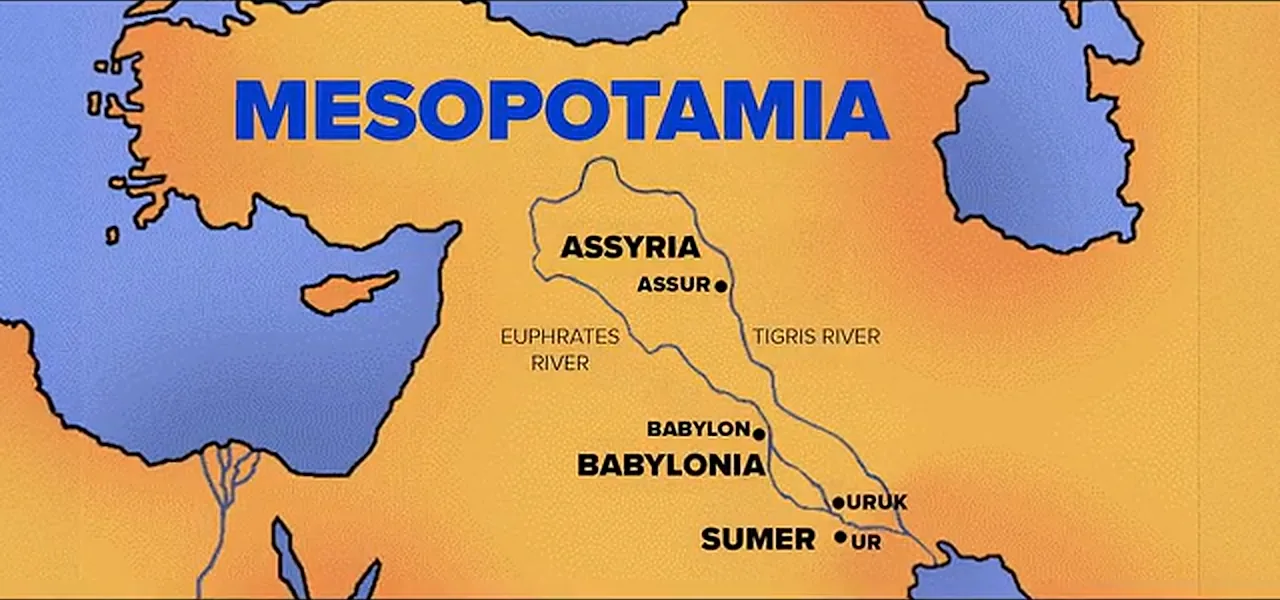
The list of "firsts" that came out of this ground is almost absurd. The people here invented the wheel. They invented taxes. They built some of the first forms of organised government and the first real cities — Uruk, Babylon, Ur — when most of the world was still villages. And, above everything, the Sumerians invented writing, around 3200 BC, in the city-state of Uruk.
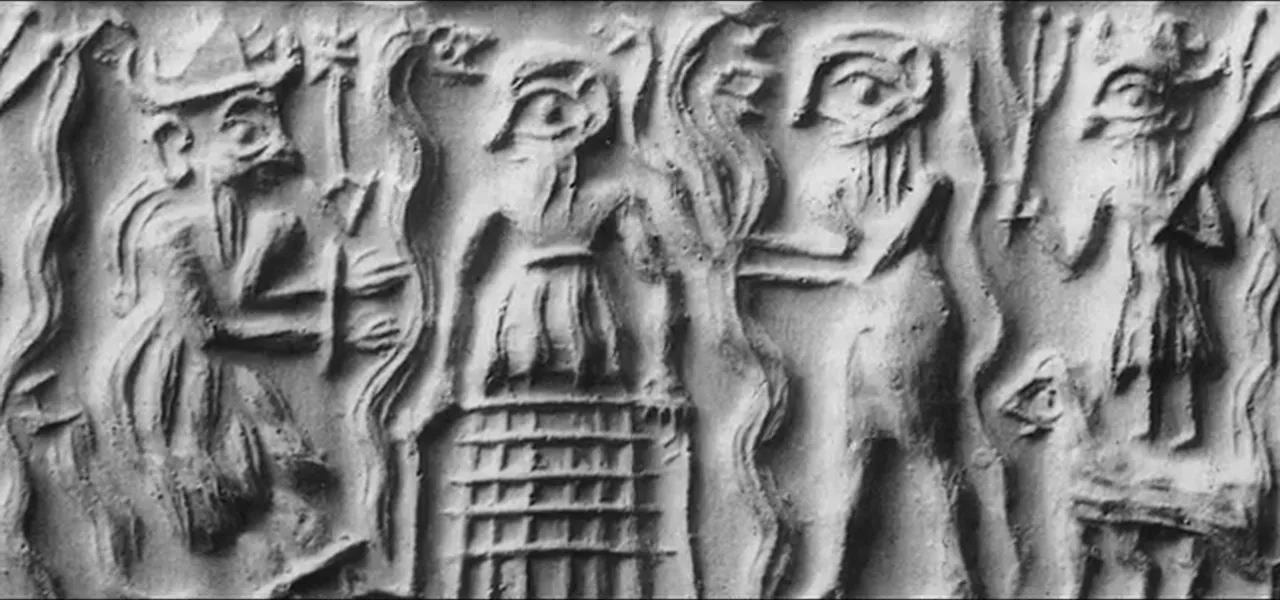
That writing system is called cuneiform, and I got to hold what it was written on: a clay tablet, the paper of the ancient world. Scribes pressed a reed stylus into a lump of wet clay to make the wedge-shaped marks, and when the tablet was baked it became nearly indestructible — which is exactly why thousands of them have survived for five thousand years while whole empires turned to dust. Mesopotamia also gave us one of the earliest and most complete written legal codes in history, the Code of Hammurabi, named for the king who built Babylon's first great empire. And the people here raised the first temple-towers in the world — stepped structures they called ziggurats. Keep that word in mind; one of them is coming.
Saddam's Last Statue, and a Palace Over Babylon
The first chapter I wanted to understand was more recent: the aftermath of Saddam Hussein. Plenty of Iraqis loved him; just as many hated him, for the terror, the deaths and the wars. Ahmed told me something I found hard to believe — that in all of Iraq, there is now only one standing statue of Saddam left. We went to see it.
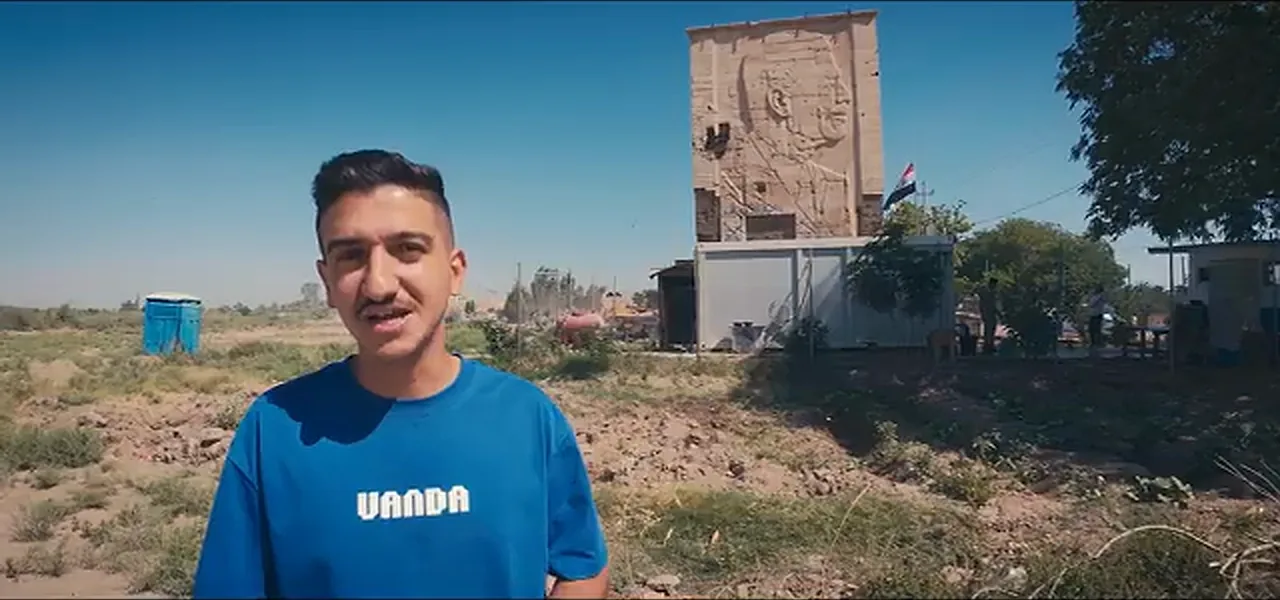
After Saddam fell, American forces and crowds tore down statue after statue across the country. This one, near the ruins of Babylon, somehow survived the tanks and the missiles that were aimed at it, and so it stands as the last one in the new Iraq. It was put up in 1995, the same period Saddam built one of his most infamous palaces — and that palace was the real reason I'd come to this spot.
Towards the end of his rule, Saddam built palace after palace, and one of the most notorious he raised directly on the archaeological site of Babylon. The construction did real damage to the ancient ruins — vibrations, and concrete poured over a site thousands of years old — and the palace itself sits on an artificial hill built where a village used to be, its residents scattered to other parts of the country. Access is normally closed to the public, but Ahmed knew the right people, and we were let in with exclusive access to the whole building, right up to the terrace with its 360-degree view.
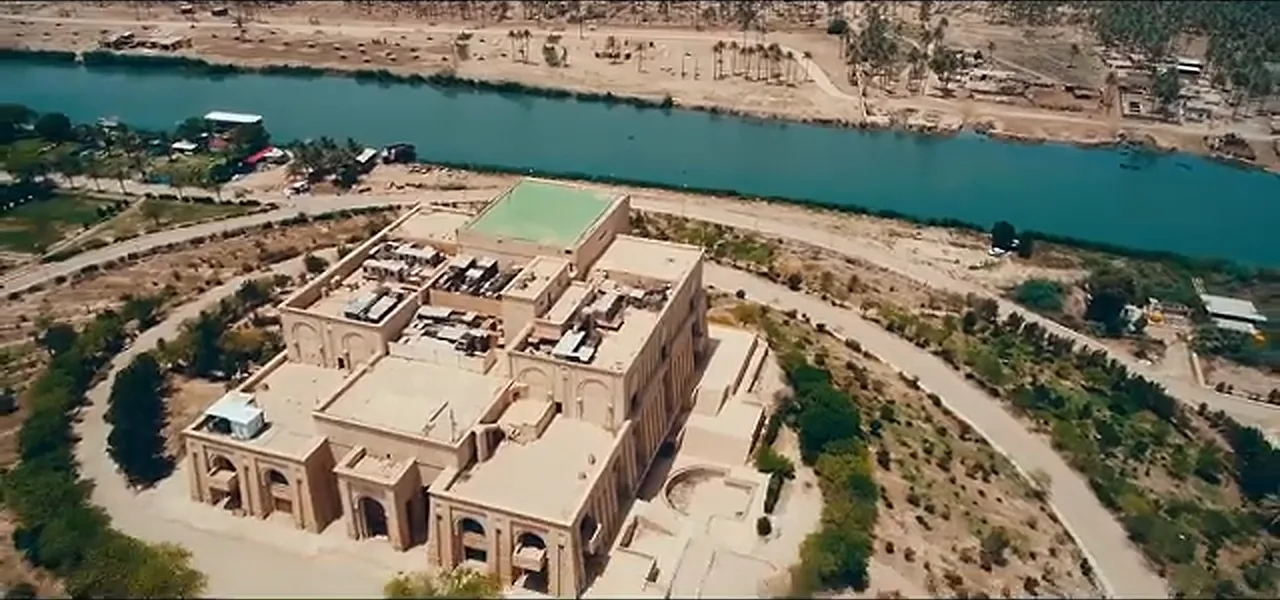
From up there you look out over the palm trees, a branch of the Euphrates, and the ruins of Babylon themselves. And inside, the building reveals an obsession: Saddam idolised Nebuchadnezzar II, the supreme ruler of Babylon at its height around 600 BC. He built this palace right beside the original foundation of Nebuchadnezzar's own, and he copied one of the ancient king's habits exactly.
I stood in the throne room, where Saddam used to sit. After his fall the palace was looted, stripped of its fittings and occupied for a time by US forces. The strangest detail: for all the money and ego poured into it, between 1995 and his capture in 2003 Saddam is thought to have used the place only a handful of times — maybe six. Today it's a crumbling monument to one man's ego, with a haunted, unforgettable view over a city that was already ancient when Rome was a swamp.
Walking Into Babylon
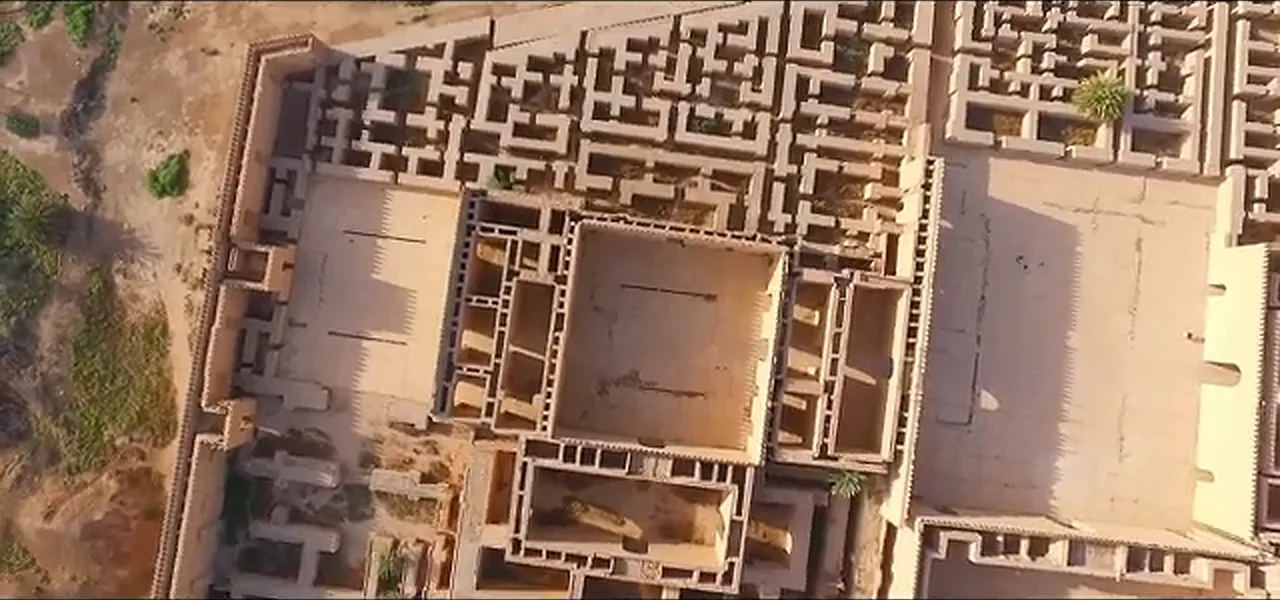
Because the palace sits right next door, getting into Babylon itself was a short walk. This was the most famous city in all of Mesopotamia, its ruins lying about 55 miles southwest of Baghdad, and it rose to greatness not once but twice: first under Hammurabi in the 1700s BC, when it grew into perhaps the biggest city in the world, home to around 200,000 people; and again, centuries later, in a neo-Babylonian golden age.
The entrance is marked by the Ishtar Gate, named after Ishtar, the great goddess of love, fertility — and war. It's a wall of deep blue tiles studded with animals that represent gods. One thing worth knowing before you picture it: the famous original Ishtar Gate was excavated and rebuilt in the early twentieth century and now stands in the Pergamon Museum in Berlin; what you walk through on the site in Iraq is a reconstruction. It is still extraordinary.
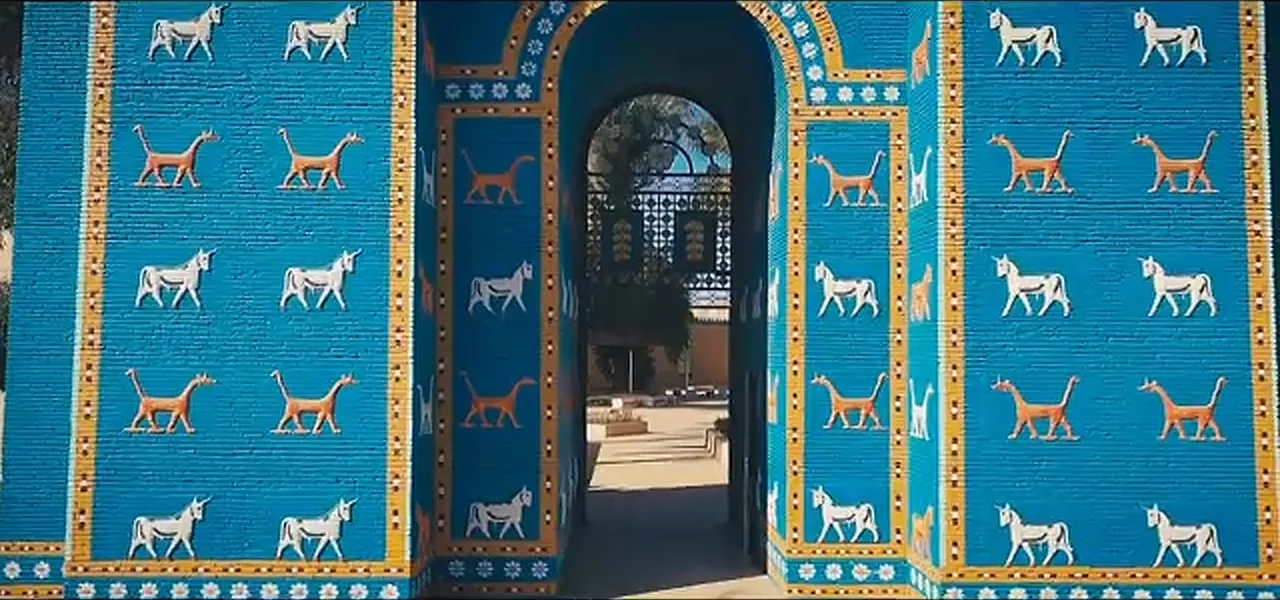
Look closely at the creatures. The one in gold is the Mushussu — "the furious snake" in Akkadian, the language of the Babylonians — a mythical hybrid with the head of a snake, the legs of a lion, the talons of an eagle and the tail of a scorpion. The white one is a bull, representing Hadad, the god of storms and rain. The whole gate was built during Babylon's second rise, under Nebuchadnezzar II, the most powerful king of the Neo-Babylonian empire and the man whose reign marked the city's true Golden Age. He turned Babylon into a cultural, architectural and military powerhouse; when he died a natural death in 562 BC, it marked the beginning of the end of the empire.
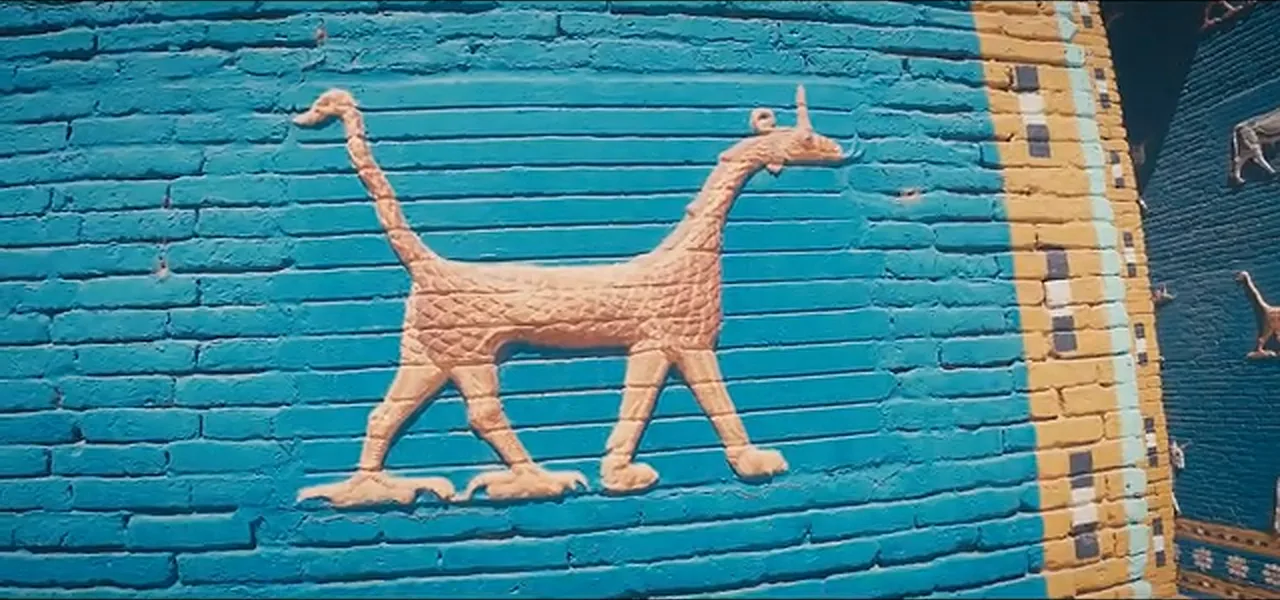
The one in gold is the Mushussu — the 'furious snake' in Akkadian, the language of the Babylonians: the head of a snake, the legs of a lion, the talons of an eagle and the tail of a scorpion.
Just beyond the gate runs the Procession Street, the city's grand avenue — and here the tiles and the black bitumen waterproofing underneath are original, not reconstructed. The Babylonians gave it a fierce name that translates roughly as "The Enemy Shall Not Pass," and it was once lined with 120 lions, not as statues but as murals along the walls.
The Lion, and the Tower of Babel
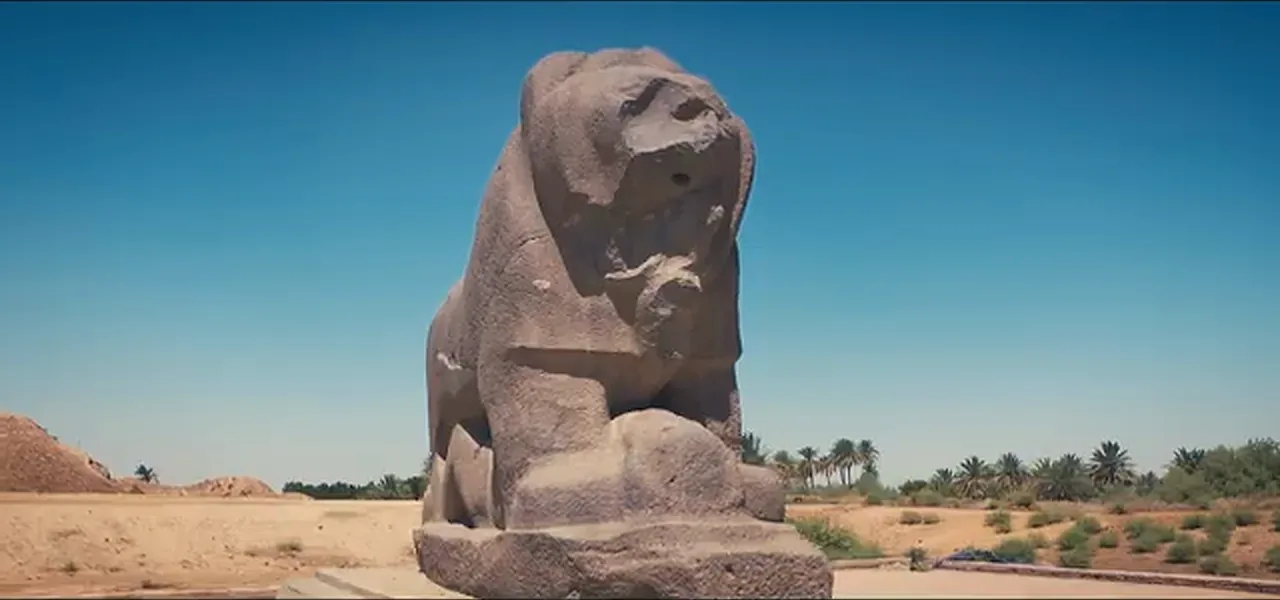
A short distance on stands the single most famous object in the whole site: the Lion of Babylon. It's 2,600 years old, carved from a block of black basalt, and it shows a lion trampling a man — a symbol of raw power and of overcoming adversity. It has become, in a sense, the symbol of the entire nation.
And then there is the one everyone has heard of and almost nobody understands: the Tower of Babel. Most people know the biblical story of a tower raised to reach heaven, and a God who scattered humanity into different languages to stop it. Behind me in Babylon stood the foundation of the real thing. The Babylonians didn't call it the Tower of Babel; they called it Etemenanki — "the temple of the foundation of heaven and earth" — and it was the most famous ziggurat in all of Mesopotamia.
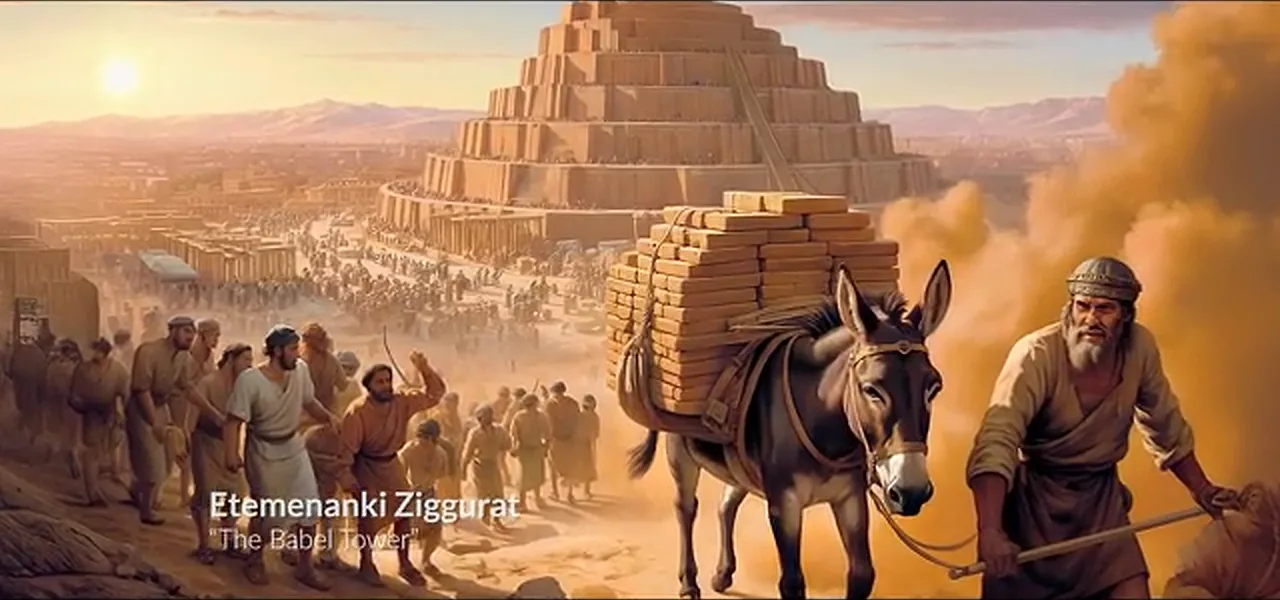
What made Etemenanki special was its scale: a solid structure of seven stages rising to around 91 metres, with a temple crowning the top, dedicated to Marduk, the chief god of Babylon. Like the pyramids of Egypt, it was solid — nothing inside. Today only the foundation remains, and there's a compelling theory as to why. In other Mesopotamian cities you can still find the first or second layer of their ziggurats. Here, the story goes, Alexander the Great reached Babylon, had the ziggurat demolished with the intention of rebuilding it on an even grander scale — and then died before he could raise the new one. The grandest tower in the ancient world, undone by a plan that outlived its planner.
So many of the oldest stories we tell — the wheel, the law, the written word, the tower that touched the sky — all trace back to this one stretch of ground between two rivers.
By the numbers: Iraq, by the numbers
- Population
- ~45 million · Baghdad ~8 million
- Writing invented
- ~3200 BC, by the Sumerians at Uruk
- Babylon's peak (Hammurabi)
- ~200,000 people, c. 1700s BC
- Lion of Babylon
- ~2,600 years old, carved basalt
- Tower of Babel (Etemenanki)
- ~91 m · 7 stages
- Al-Mustansiriya founded
- 1233 · library of 80,000 books
- Baghdad sacked by the Mongols
- 1258
- Palm trees
- ~22 million
Back to Baghdad
With the tower, I closed the chapter on ancient Babylon and headed back to the capital — because Baghdad itself is a city I wanted to walk, not just drive through. The first lesson came immediately, and it was about heat and respect. Central Iraq in summer is punishing, but you still cannot show much skin: shorts are technically allowed, but almost nobody wears them, because it reads as disrespectful. So I covered up and sweated like everyone else.
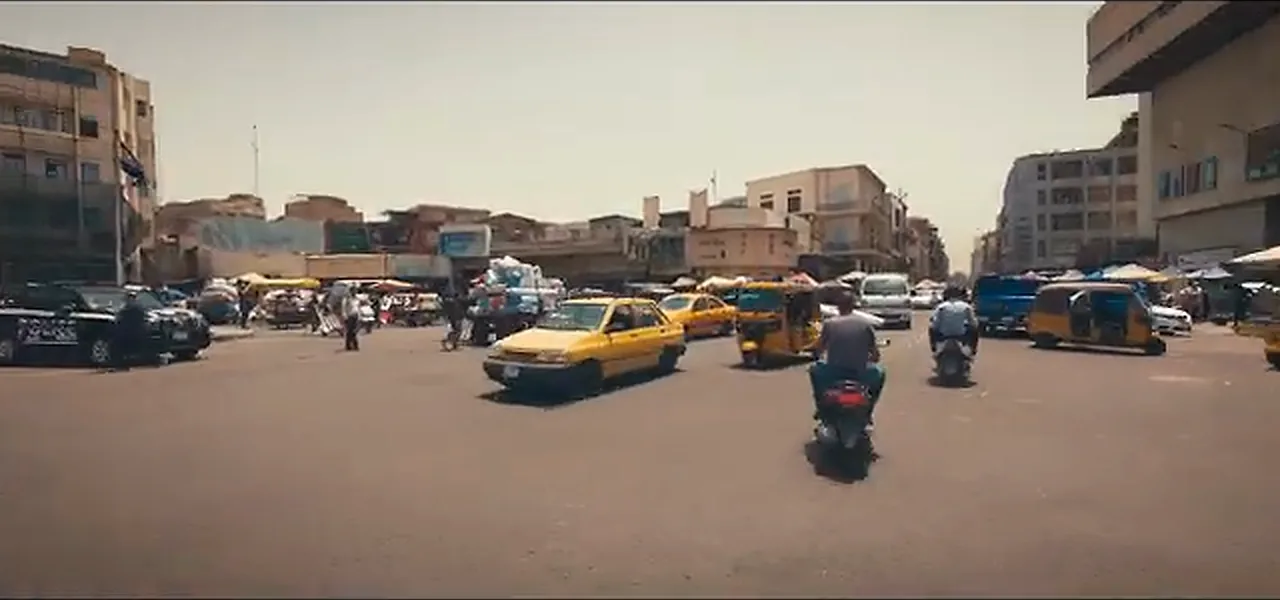
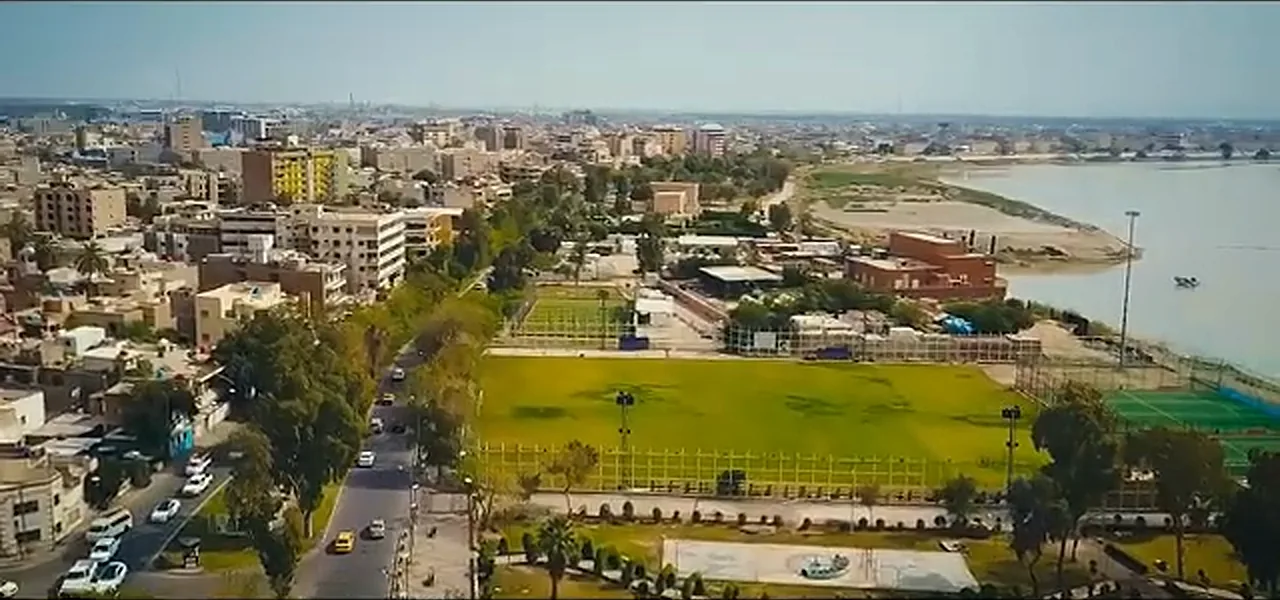
Here's a fact that surprised me more than it should have: Iraq has roughly 22 million palm trees, probably more than any country on earth — more than the Caribbean islands you'd instinctively picture. They line the roads and the riverbanks, a green canopy over a city most outsiders imagine as nothing but rubble and checkpoints.
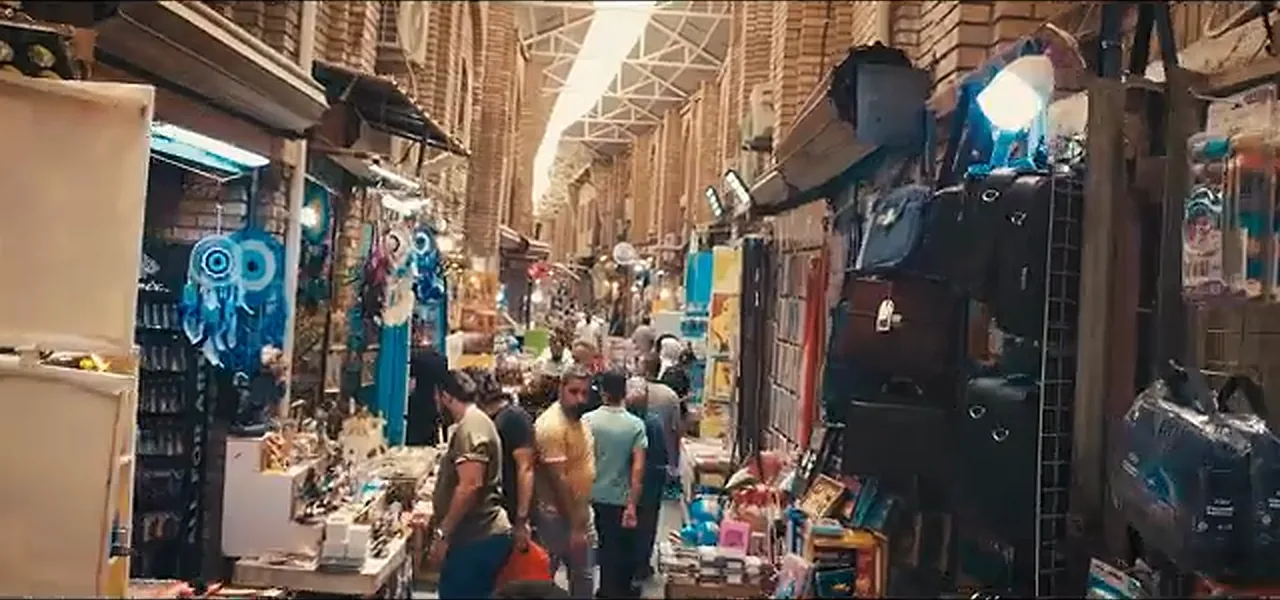
We started the Baghdad tour on Rashid Street — the first modern street in the city, a hustling, bustling artery that feeds into a maze of alleys. One of them opens into a whole book neighbourhood: tables and shelves of books spilling onto the pavement in every direction, almost all of them in Arabic. For a city that has lost so much, there's something moving about streets still stacked with books.
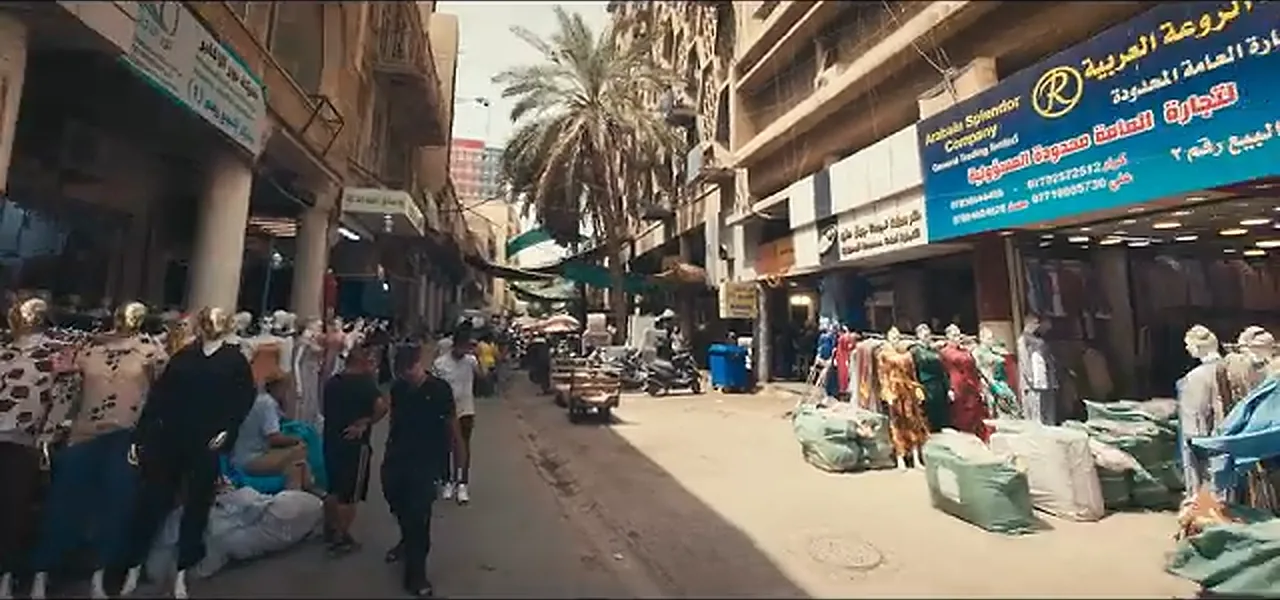
Nearby I found the textile market, a covered warren of stalls where men work sewing machines by hand and you can buy every kind of fabric and material imaginable. It reminded me of the Grand Bazaar in Istanbul — only here, people felt more genuine, less rehearsed for tourists, because tourists are still rare.
The Martyrs' Café
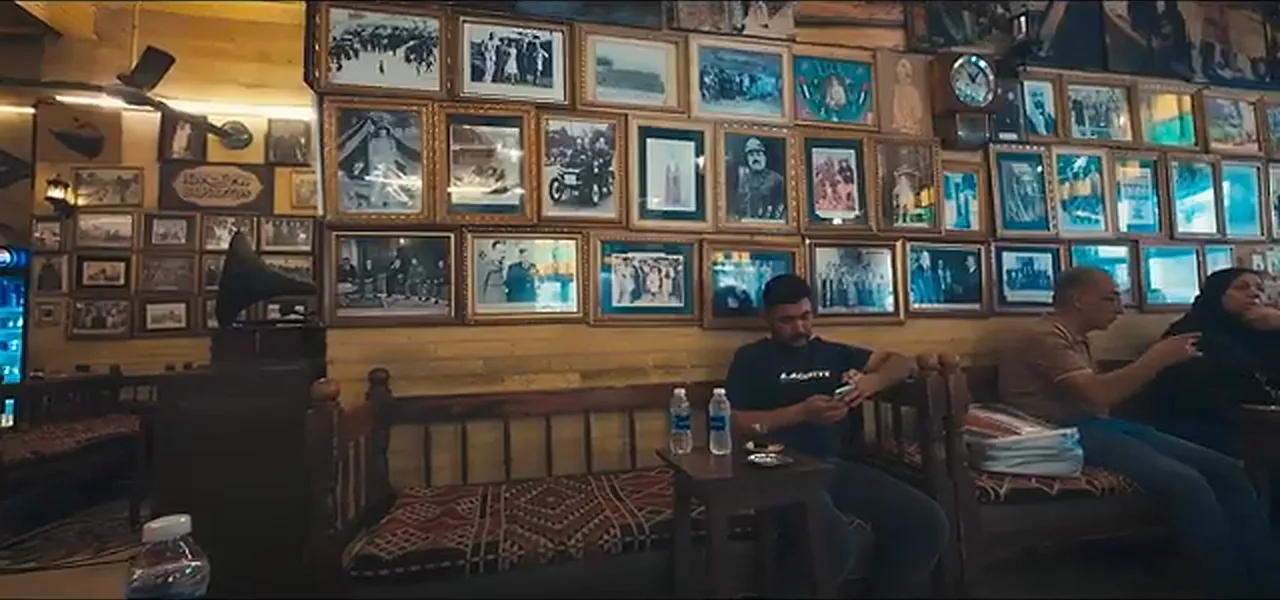
Not far on, Ahmed took me to the most iconic coffee house in Baghdad: the Shabandar Café. From the outside it's a warm old room, every inch of the walls covered in framed black-and-white photographs. But the reason it's iconic is a wound. In 2007, a car bomb exploded right in front of it, killing more than a hundred people. The owner at the time lost four of his children in the attack; his wife lost her sight, and died a few months later. Since that day, the place has been known as the Martyrs' Café. Sitting there with a tea, under all those photographs, you feel the weight of everything this city has absorbed — and the stubbornness of a people who kept the café open anyway.
There's a quieter piece of history for sale around these streets, too. When Saddam fell, the government withdrew the banknotes carrying his face, assuming they'd be worthless; people even burned them in the street. Two decades later, those same Saddam-face banknotes have become collectors' souvenirs. You have to ask around, but Ahmed knew a gentleman who had a stash, and I bought a few. A small lesson in how quickly yesterday's propaganda becomes today's memento — and a reminder that in Iraq, as a foreigner, you'll often be quoted prices around eight times higher than a local, so a good guide and a little good humour go a long way.
One of the Oldest Universities on Earth
The last great landmark Ahmed showed me is one I think about often: the Al-Mustansiriya school. It was founded in 1233 and is considered one of the oldest universities in the world, named for its founder, the Abbasid caliph Al-Mustansir bi-Allah, who ruled in the early thirteenth century.
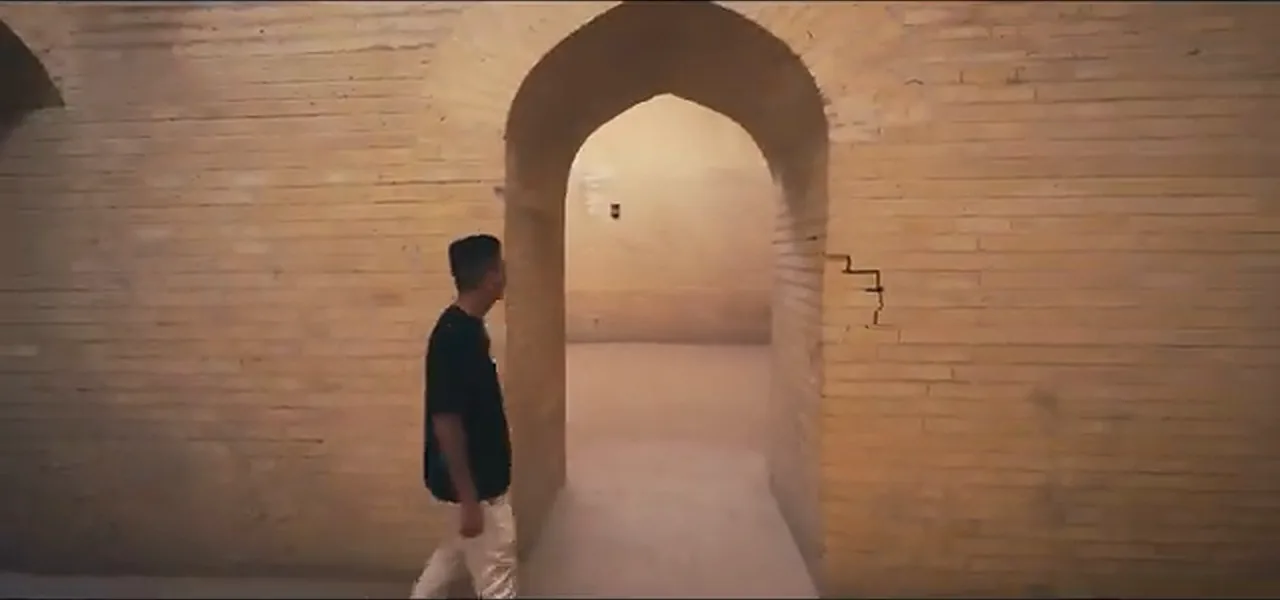
This was no small madrasa. It taught Islamic law and jurisprudence, but also philosophy, mathematics and medicine. It had a mosque, a hospital and a pharmacy, with roughly 90 rooms, four grand study halls and lodging for its students. Its library is said to have held around 80,000 books — an astonishing number for the thirteenth century. And then came the catastrophe that ended Baghdad's golden age: in 1258, the Mongols swept in from Central Asia, sacked the city, and — because the Tigris runs right alongside the school — dumped almost the entire library into the river. It's said so many books went in that the Tigris ran black with ink. Standing in those arched brick halls, you're standing at the exact point where one of history's great centres of learning was drowned.
The Last Dart, in Firdos Square
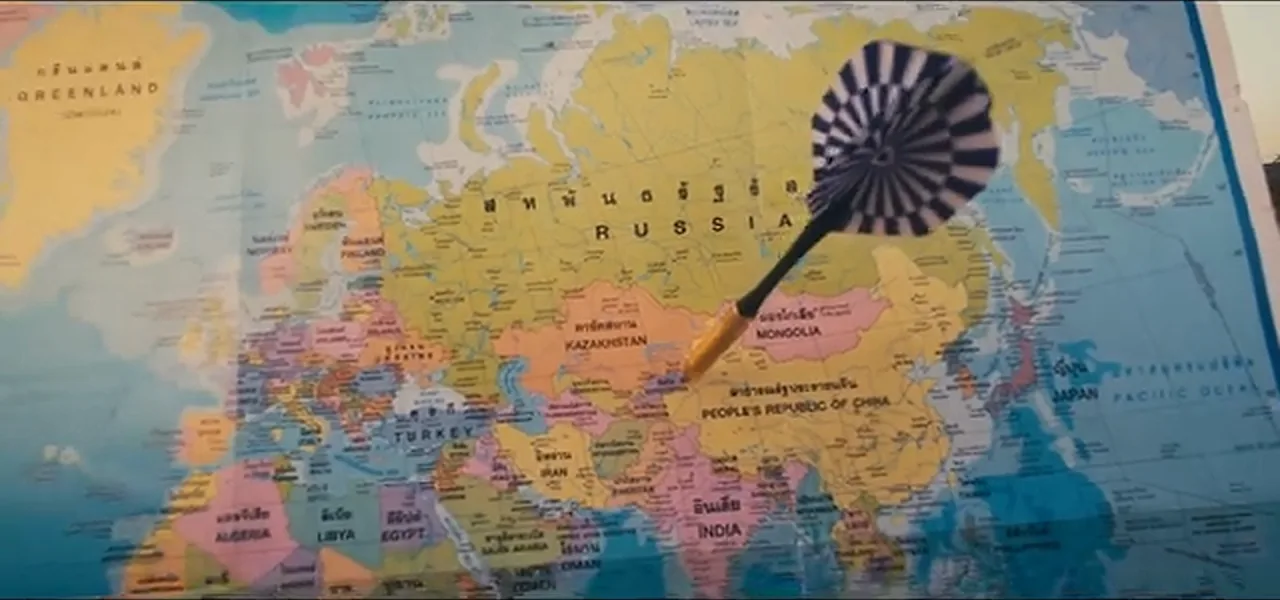
Every episode of this show ends the same way: I throw a dart, blindfolded, to choose where I go next. I scouted a few spots — the Freedom Monument (Nasb al-Hurriyah), Baghdad's great bronze frieze of the nation's modern struggle, and the historic Abbasid Palace — but there was really only one place I wanted to do it: Firdos Square. This is where, on the day Saddam's rule collapsed in 2003, his giant statue was famously pulled down in front of the world's cameras.
Could I actually throw a dart there? Would security stop me? Might I even get arrested? I genuinely wasn't sure. So I dressed for the occasion, out of respect for the country, and did it anyway — standing free in the most symbolic square in modern Baghdad. Nobody stopped me. Nobody even asked what I was doing. I threw, pulled off the blindfold, and found the point stuck on a country I knew almost nothing about: Kyrgyzstan. Who, I thought, goes to Kyrgyzstan? I had no idea. But that's the whole point. Kyrgyzstan, I'm coming.
What Iraq Left Me With
I opened this story by saying you have to be crazy or stupid to come to Iraq. I was wrong. You don't have to be either. You just have to have the faith to see that this country is not what it was twenty years ago. Like Colombia, like so many places with a hard chapter in their past, Iraq is held hostage in the world's imagination by people stuck in an old story — a story that stopped being true a long time ago.
It turned out to be one of the safest places I have ever travelled. Ahmed opened my eyes — and the fact that I could stand in the most iconic square in the capital and freely throw a dart, with nobody questioning me, said more than any statistic could. I came expecting the headlines and left with the cradle of civilization: the first writing, the first laws, the Lion, the Ishtar Gate, the real Tower of Babel, a palace built on an emperor's ego, and a café that refused to die. If there's one thing I'd carry out of Iraq and hand to you, it's this.
The worst travel advice you'll ever get about a country is from people who've never been to that place.
Travel to Iraq, conquer the fear, get educated, and live your life — because it goes fast.
Explore More Travel by Dart Journeys
- Back one dart to Norway, where a throw on a Viking ship sent me here.
- The same ceremony chose three countries at once — see its siblings, Yemen and Argentina.
- More ancient wonder the dart uncovered: the fairy chimneys and underground cities of Cappadocia in neighbouring Turkey.
- A temple civilization on the other side of Asia: the ruins of Cambodia.
Suggested Sources & Further Reading
To go deeper into Iraq and its ancient history, these are some of the best authoritative resources:
- UNESCO — Babylon — the ancient city, inscribed as a World Heritage Site in 2019.
- Encyclopædia Britannica — Mesopotamia — the history of the land between the rivers.
- Encyclopædia Britannica — Babylon — the city, Hammurabi and Nebuchadnezzar II.
- The British Museum — Mesopotamia — cuneiform, the Ishtar Gate reliefs and more.
- Pergamon Museum — the Ishtar Gate — where the original gate is reconstructed, in Berlin.
- Encyclopædia Britannica — Saddam Hussein — context for the palace and the statues.
All facts verified October 2026.
Iraq: traveler questions
Is Iraq safe for travelers?+
This was the question I went in most afraid of — and it turned out to be one of the safest places I've ever travelled. I crossed Baghdad, Babylon and the surrounding sites with a trusted local guide and never once felt I was taking a reckless risk. Federal Iraq today is very different from the country in the headlines twenty years ago; I even threw a dart, blindfolded, in the middle of Baghdad's most famous square without anyone stopping me. As always, you hire a reputable local guide, dress respectfully, keep aware of your surroundings and check your government's current travel advisory before you go.
Do you need a guide to visit Iraq?+
I'd strongly recommend one. I found my guide, Ahmed, online and effectively handed him my whole week — he arranged the hotel, the driving, the logistics and, crucially, the access. Several of the places I reached, like the exclusive run of Saddam Hussein's palace, only happened because Ahmed knew the right people. A good local guide also reads the cultural cues for you, which matters in a country where, for example, men don't wear shorts and you don't show much skin.
What is there to see in Iraq?+
More ancient history than almost anywhere on earth. Modern Iraq is ancient Mesopotamia — the cradle of civilization — so in one trip you can stand in the ruins of Babylon, see the Ishtar Gate and the foundation of the Tower of Babel, the 2,600-year-old Lion of Babylon, and the only standing statue of Saddam Hussein left in the country. In Baghdad there's Rashid Street and its book and textile markets, the historic Shabandar (Martyrs') Café, and Al-Mustansiriya, one of the oldest universities in the world.
When is the best time to visit Iraq?+
Spring and autumn. I was there when it was punishingly hot, and central and southern Iraq summers routinely push past 45°C, which makes long days among open ruins genuinely draining. Roughly March to April and October to November give you far more comfortable temperatures for Babylon and walking Baghdad, without the peak-summer heat.