Season 4 · Episode 5
Germany
Precision, history and unexpected warmth behind the stereotypes.
On this page ▾
A 2-episode adventure — both films are on this page.
By Sorin Mihailovici · Travel by Dart · Last updated August 2026 · ~16 min read
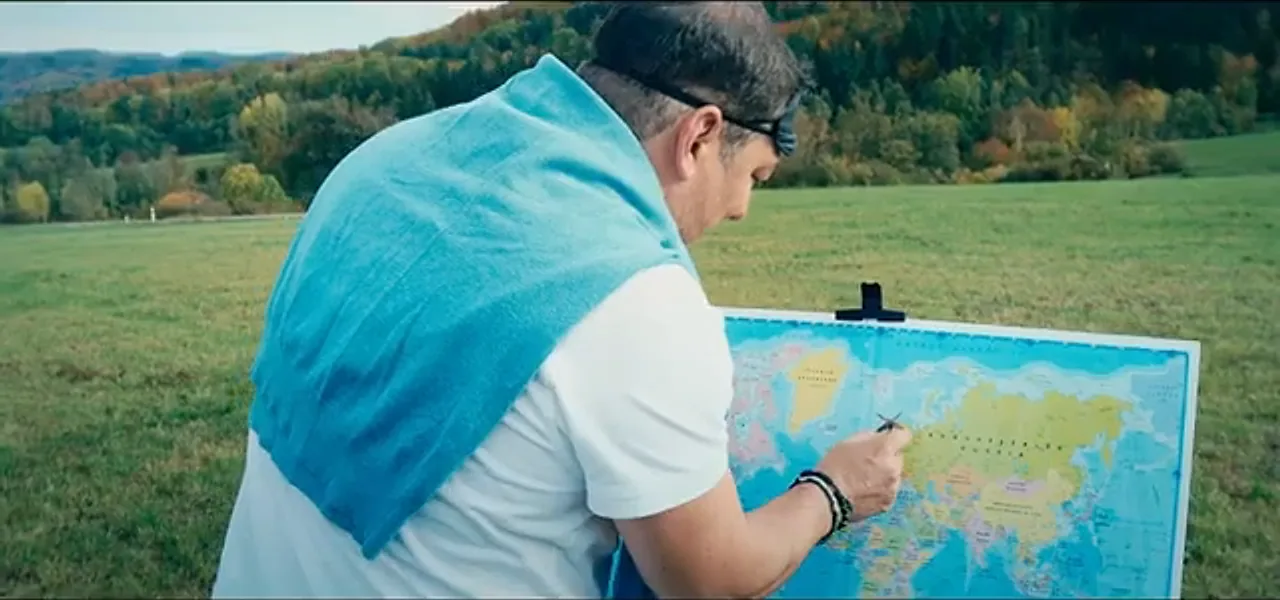
I let fate decide where I go, and this time it sent me somewhere that doesn't bend to time, trends or tourists. In Germany, tradition isn't something you put on for visitors — it's something you inherit, passed down and lived. The dart threw me here from South Korea: I stood in Seoul, closed my eyes, and when I got close to the map I saw Europe, then Germany. Three things flashed through my mind — modern architecture and cars, castles out of the fairytales I grew up with, and, for reasons I still can't explain, Bavarian dancers. This journey chased all three, and then some.
Germany gave me so much that I split it into two films. Part 1 is above — Bavaria, the beer halls, the oldest restaurant on Earth and the castles. Part 2 — where I climb inside a Concorde, a Soviet space shuttle and a submarine — is embedded just below.
▶ Germany — Part 2
Inside a Concorde, a Soviet space shuttle and a submarine at the Technik Museum Sinsheim & Speyer
Quick facts: Germany at a glance
- Where I started
- Munich, capital of Bavaria
- Munich's claim
- Germany's wealthiest big city
- Beer festival
- Oktoberfest — ~6 million visitors a year
- Oldest restaurant
- Gaststätte Röhrl, Eilsbrunn (since 1658)
- Castles
- 20,000+ across the country
- Most famous castle
- Neuschwanstein (begun 1869)
- Part 2 museum
- Technik Museum Sinsheim & Speyer
- The dart's next stop
- Finland
Munich: Where Bavaria Keeps Its Heart
I started in Munich, the capital of Bavaria and the wealthiest big city in Germany — and immediately ran into the first myth to correct. Not everyone here wanders around in leather trousers all day; the lederhosen come out for celebrations, weddings and festivals, but the tradition is real and treasured, not a costume worn for show. That tension — living heritage versus tourist cliché — turned out to be the whole story of Bavaria.
When I travel, I like to stay somewhere that gives something back to its community and has a story of its own, so I based myself at one of the more striking buildings in the city — a hotel in a district that once held Munich's old brick factories, its façade built, fittingly, from brick stacked in a way you don't forget. It set the tone perfectly: even the modern parts of this city are built on top of, and out of, what came before.
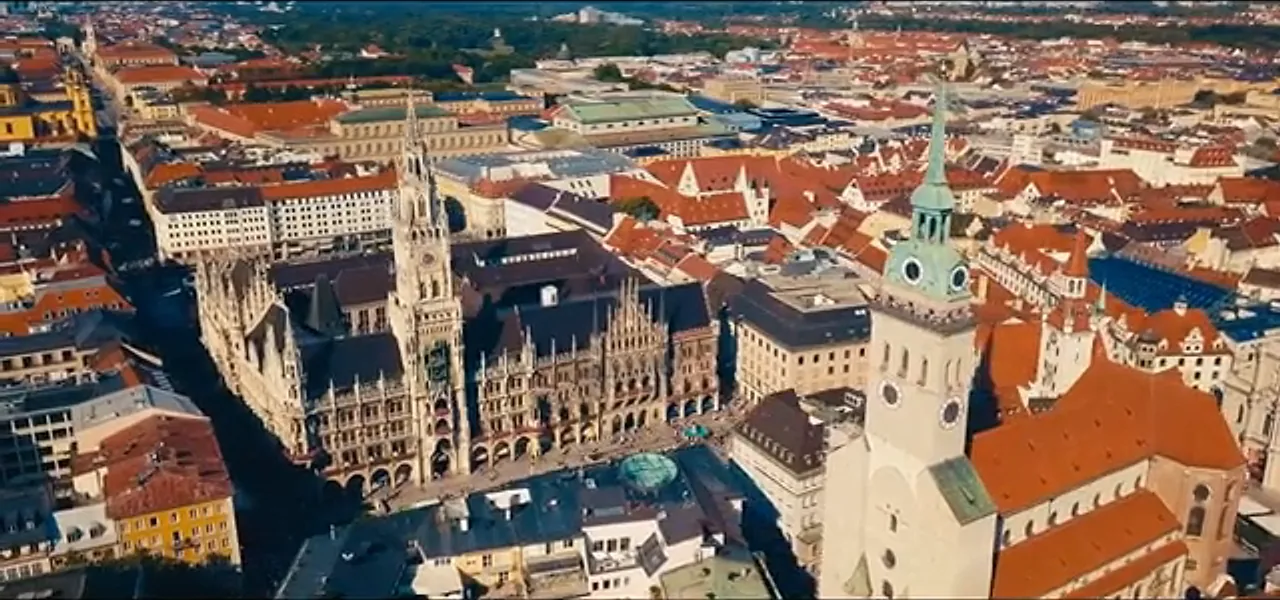
The heart of the city is Marienplatz, a square I'd stared at in pictures since I was a kid. Two buildings dominate it, and there's a lovely riddle in their names: the New Town Hall is actually older than the Old Town Hall, because the "old" one was reconstructed more recently and looks newer. The New Town Hall, built between 1867 and 1908, is the true showstopper, its façade crowned by the famous Glockenspiel — the clock tower whose mechanical figurines dance out to a crowd every day.
Munich is also, of course, the home of Oktoberfest, the largest beer festival on Earth, which draws around six million people a year and pours millions of litres of beer in a matter of weeks. But the beer culture here runs far deeper than one festival, and to understand it, you go to one particular room.
The Hofbräuhaus and the Locked Mugs
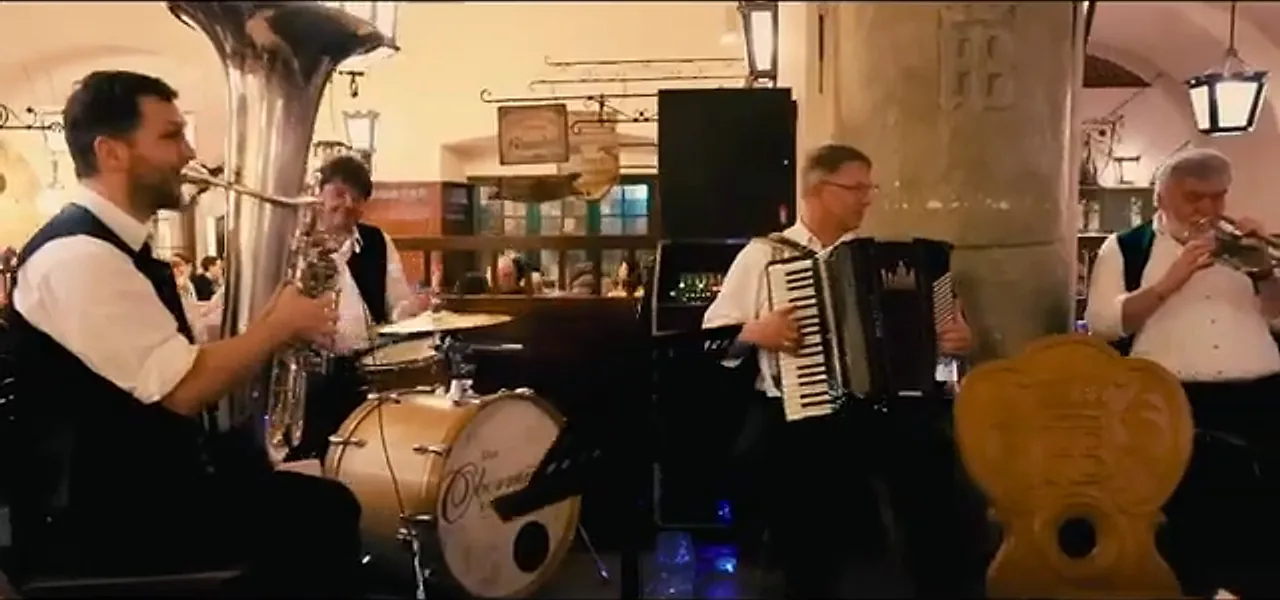
The Hofbräuhaus is the most famous beer hall in Munich — a cavernous room that seats thousands, where everyone drinks from one-litre mugs and a band plays over the roar. It began in 1589 as the brewery of the Bavarian dukes, brewed beer on this very spot until 1896, and then became the restaurant it is today. My host, Toby, offered me a choice on arrival: a beer, or a history lesson. I asked for a history lesson with a beer in my hand.
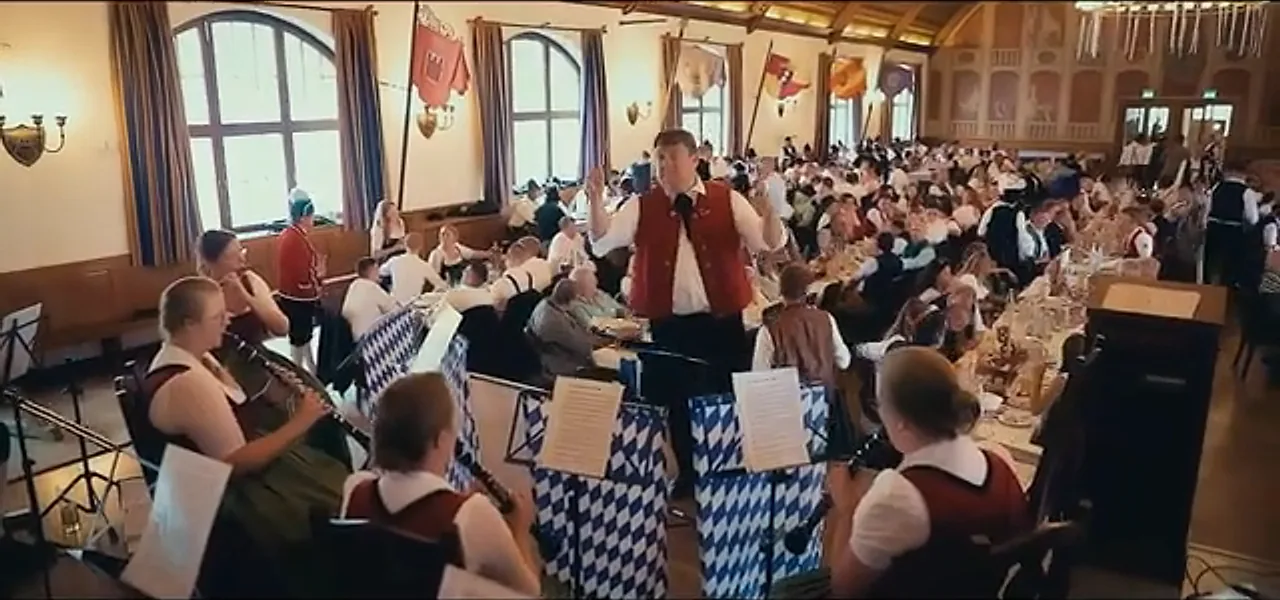
What I learned is that the Hofbräuhaus runs on belonging. Around 3,500 regulars come every week; they have their own reserved tables marked with little Stammtisch signs, and you simply cannot book a seat downstairs — you find a free chair, sit with strangers, and let the evening mix you up. As Toby put it, they honestly don't know whether more marriages have started or ended here. And then there are the mugs. A few hundred of the most devoted regulars — 616 of them — have earned a locked cabinet to keep their own personal stein. You can't buy one. You come, week after week, for years; the waiting list runs three to four of them. To order a refill without a word, you just leave your mug on the table with the lid open, and the waitress does the rest.
The Oldest Restaurant in the World
From Munich I drove to the tiny village of Eilsbrunn, near Regensburg, to eat lunch somewhere genuinely unique: Gaststätte Röhrl, recognised by Guinness World Records as the oldest continuously operated restaurant in the world. The same family has run it, without interruption, since 1658 — and my host runs it today in the eleventh generation, tracing an unbroken line back to an ancestor named Andreas who married into the house that year.
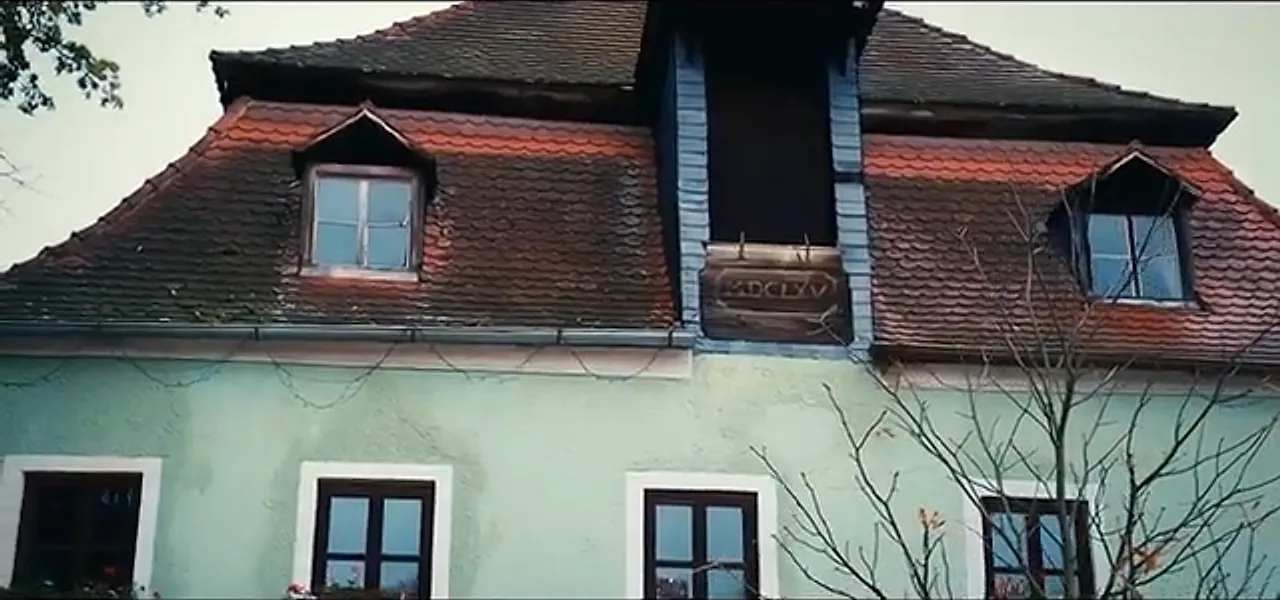
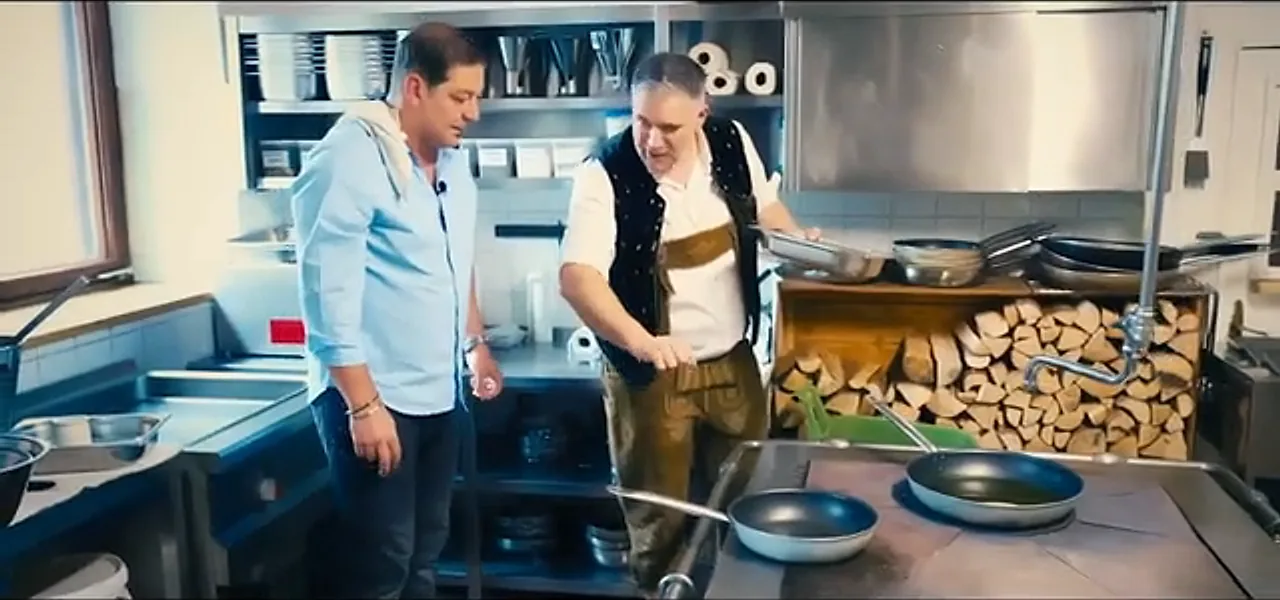
The family are, in the owner's words, "sustainable" — they keep things until they simply stop working. There's a little museum of old tools (including the saws once used to cut ice from the river before refrigerators existed), hotel rooms preserved exactly as they were in 1902, and a wood-fired stove from 1929 still in daily use. The food follows the same philosophy: ancestral recipes, gently updated, "delicious like grandma's."

They invited me into the kitchen to cook the house specialty, a Brezenschnitzel — a schnitzel breaded not in ordinary crumbs but in pretzel crumbs, with horseradish and sweet mustard. The chef taught me to fry it in a deep bath of fat so it "swims," and shared one trick I was apparently the last person on Earth to learn: a splash of water in the beaten egg, which puffs up under the crumbs like a soufflé. These are the moments when you promise yourself you'll go to the gym tomorrow — and never do.
Tripping Over Tradition: The Schuhplattler
In every country I try to actually join the culture rather than watch it, so when a Bavarian dance ensemble invited me to be one of them, I couldn't say no. The Schuhplattler is the traditional Bavarian folk dance — all rhythmic slapping of thighs, knees and the flat soles of special shoes, performed in full lederhosen with hand-made suspenders. The group I met has existed for more than 25 years and boasts over a hundred members; the dance, they told me, is one designed "to impress others."
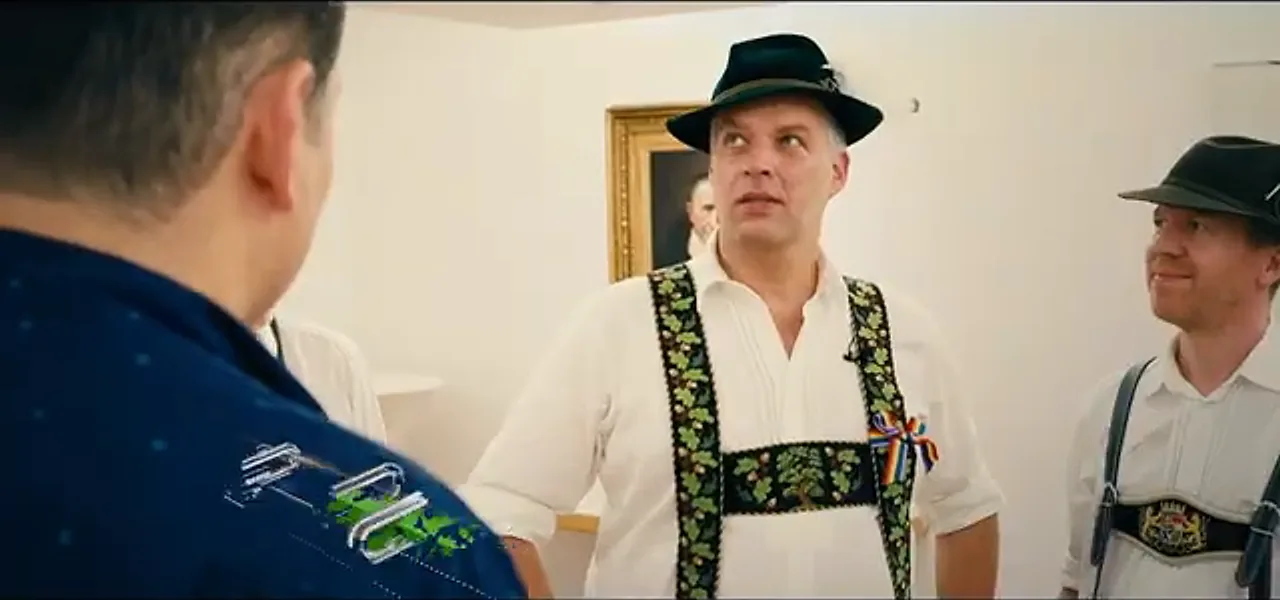
My instructor Christian promised it was "very easy." It was not easy. We counted through it — one, two, three, four, change — added stomps, then music, and I gamely tripped my way through what I can only describe as a masterclass in tripping over tradition; my moves were more confusing than IKEA instructions. In the grand finale I gracefully retreated to the one routine where I truly excel: a beer in one hand and a slice in the other. Who needs fancy footwork?
The German trait that surprised me most wasn't the precision — it was the patience: the willingness to hold on to a thing, and tend it, for centuries.
A Country of Twenty Thousand Castles
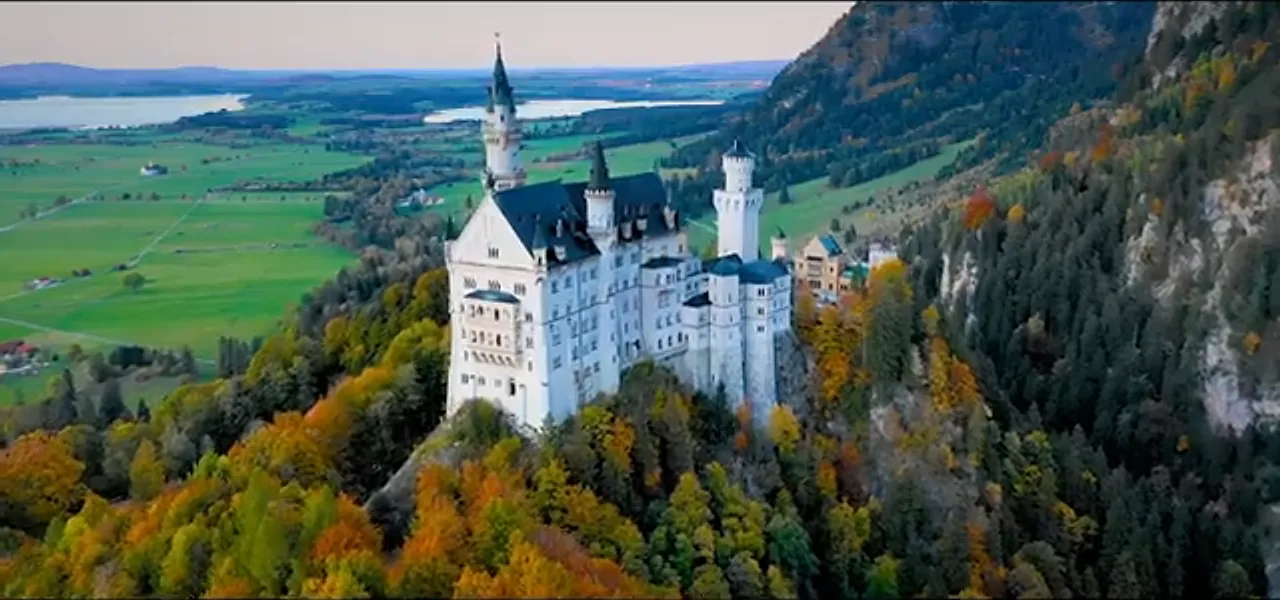
Germany has an estimated 20,000-plus castles, from medieval fortresses to romantic 19th-century fantasies, and I'd grown up on the fairytales attached to them. The most famous is Neuschwanstein, the impossibly picturesque palace that King Ludwig II began building in 1869 on a Bavarian hillside. With its white towers reaching into the alpine sky, it's the castle that inspired Disney — the model behind Sleeping Beauty's castle and the studio's logo — and standing before it, you understand instantly why. It doesn't look built so much as dreamed.
The man behind it is as fascinating as the building. Ludwig II, remembered as the "mad king," was a reclusive dreamer who poured staggering sums into fantasy castles inspired by the operas of his hero, Richard Wagner. Neuschwanstein was meant as his private refuge, not a fortress — it never had to defend anything but his imagination. He nearly bankrupted himself building it, was declared insane and removed from power, and died days later in a lake under circumstances never fully explained. He barely got to live in the castle he is now inseparable from; he slept in it only a handful of nights before he died. Today it draws well over a million visitors a year — the ultimate revenge of a king the world called mad.
But the castle I was most curious about was darker. About 40 minutes south of Frankfurt sits Frankenstein Castle, a ruin that shares its name with one of the most famous books ever written — Mary Shelley's Frankenstein, of 1818, in which Victor Frankenstein stitches life out of dead human parts.
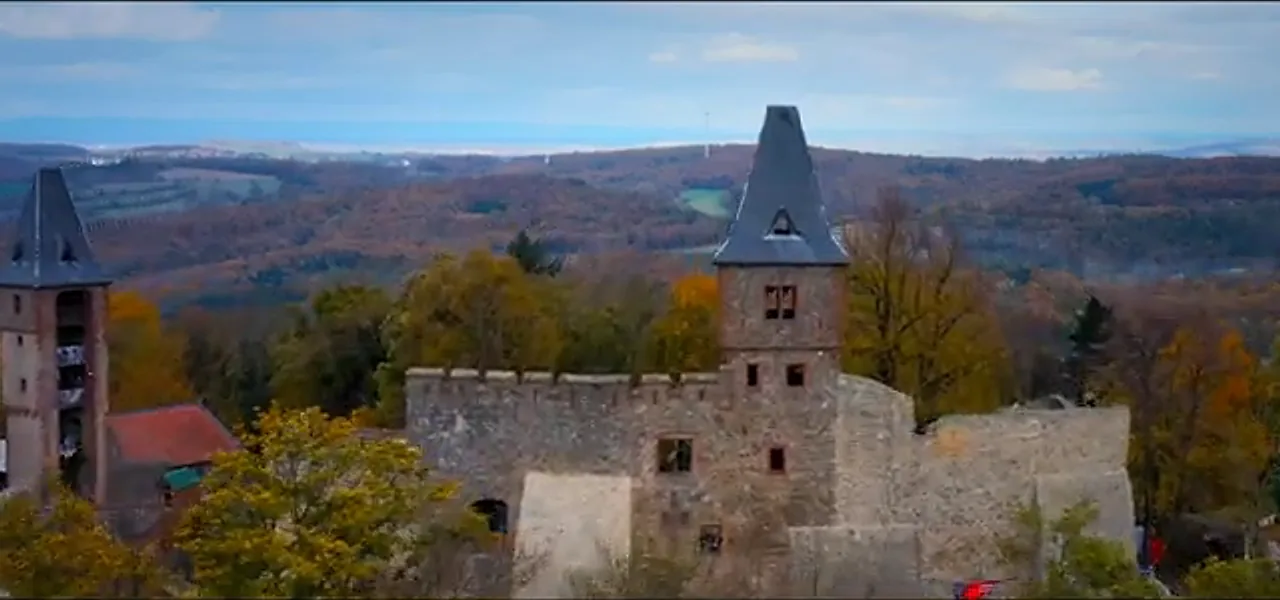
Here I have to be honest about the history, because it's often overstated. There's no proof the fictional Frankenstein lived here, and while the popular story says Shelley visited the castle in 1814 and was inspired by it, most historians now treat that as legend. The castle's real, spooky claim to fame is an earlier resident: the 17th-century alchemist Johann Dippel, born here in 1673, who experimented with body parts and elixirs of life. True or not, the castle embraces its eerie reputation — think underground passages, dimly lit tunnels, and famous Halloween celebrations that bring the Frankenstein spirit to life.
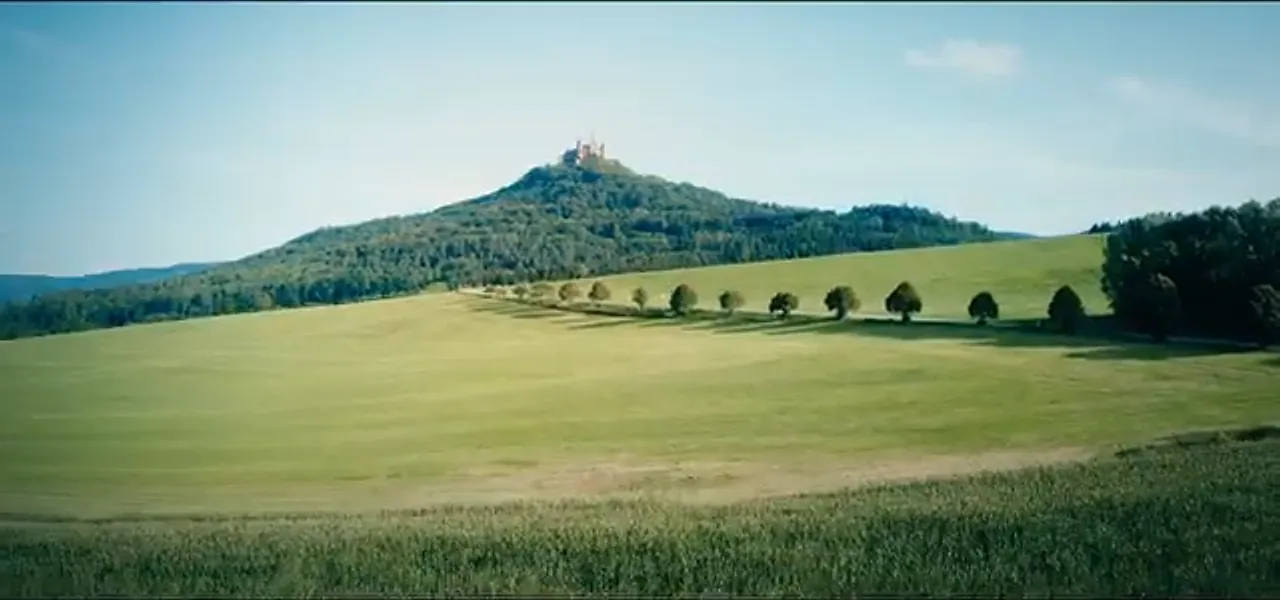
Before throwing the dart, I made one last stop at Hohenzollern Castle, the owner's personal favourite and mine too. Standing at 855 metres atop the Swabian Alps, it's the ancestral seat of the Hohenzollern dynasty — the counts, princes and kings of old Prussia. Construction on the hill goes back to the 11th century, but the fairytale castle you see today was completed in 1867. Filled with that kind of history, I felt ready to let the map decide my next move. The dart hit Ecuador (been there), then missed the map entirely, and finally landed on — Finland, a country I'd never seen.
Part 2: The Museum That Parks a Concorde on the Roof
That's where Part 1 ends — but before heading north to Finland, there was unfinished business in Germany, and it's the most purely fun thing I did in the whole country. Some museums tell stories. The Technik Museum parks a Concorde on stilts, drops a submarine in the yard, and dares you to climb inside both. It's actually one museum split across two nearby towns, Sinsheim and Speyer, specialising in technical history — thousands of famous planes, cars and machines, and remarkably, about 90% of them still run. As the guide put it, for some of these cars the museum is just a prison, and they get out regularly.
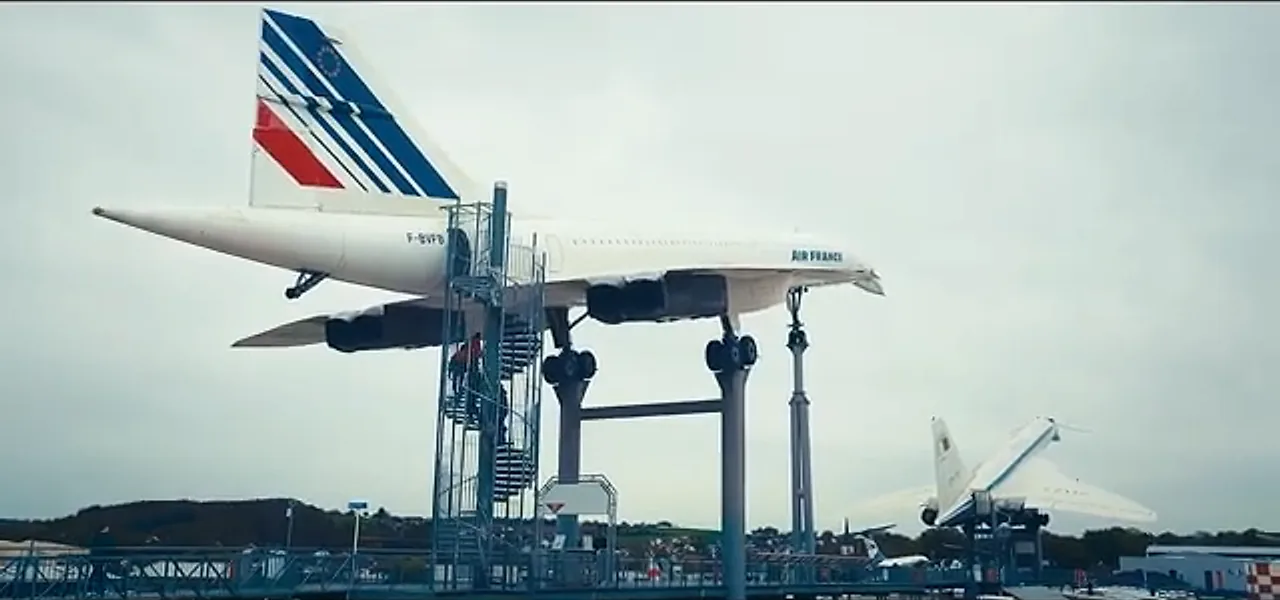
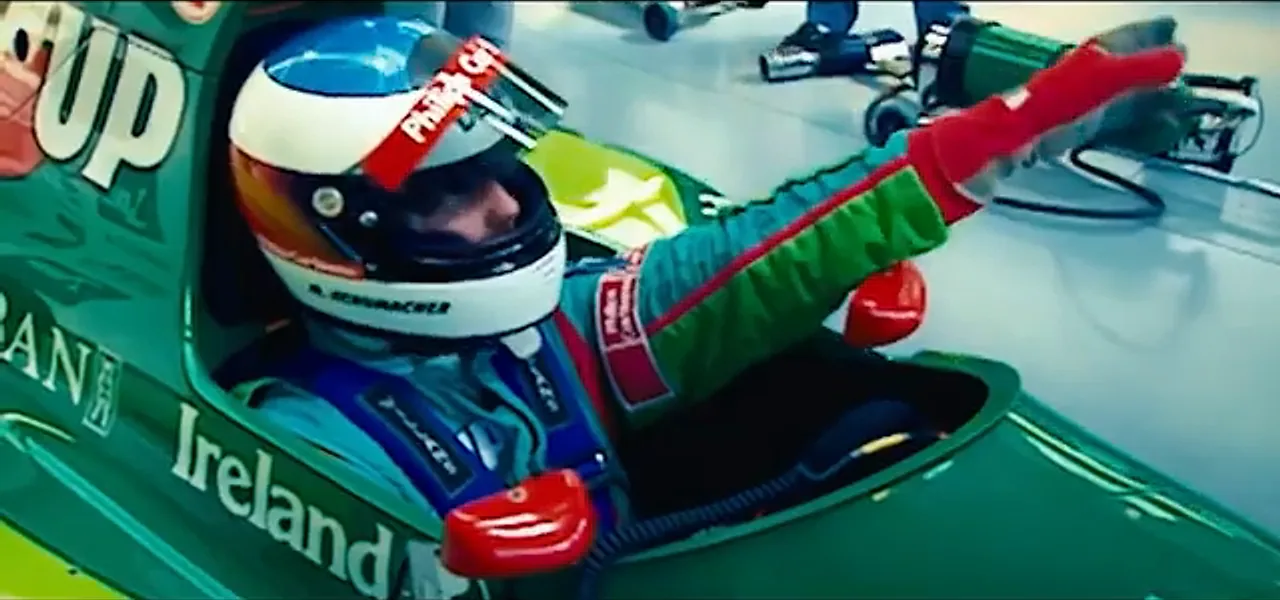
They granted me access to things ordinary visitors never touch. I sat in the very first Formula One car Michael Schumacher ever raced — the green Jordan — wishing, in vain, that they'd let me drive it. And then, the Concorde: the legendary supersonic airliner that flew New York to London in about 3 hours 55 minutes, riding the jet stream. With the time-zone difference, you could leave London and land in New York at an earlier local time than you departed — which is how the airline's slogan was born: flying the Concorde means you are faster than the time.
We climbed into the Concorde's famously narrow cabin and — a privilege even most tourists are denied — right into the cockpit. The only way back down was a slide, which I took with appropriate dignity (I did not).
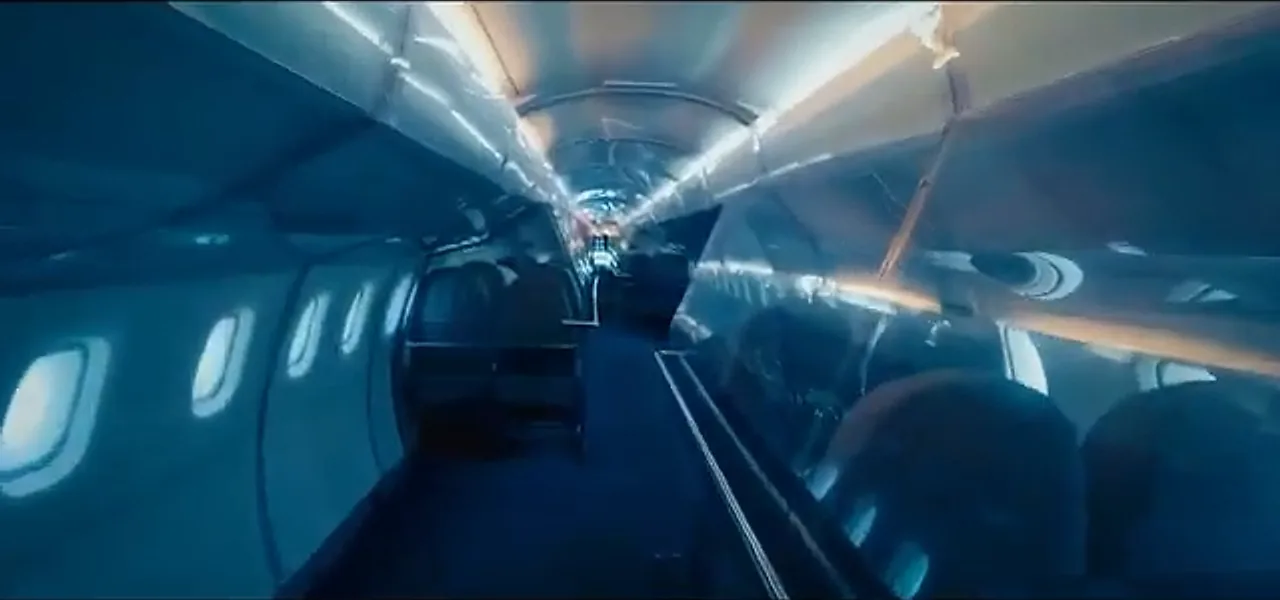
I played my way through tanks, planes and my single favourite machine in the place: Brutus, a monstrous car built in Germany shortly after World War II, powered by a 46-litre V12 aircraft engine. It is exactly as absurd and wonderful as it sounds. For scale, a large family car today has an engine around two litres; Brutus has more than twenty times that, wrenched out of an aeroplane and bolted to a chassis for no better reason than because someone could.
By the numbers: Technik Museum Sinsheim & Speyer
- Exhibits (both sites)
- ~10,000
- Sinsheim floor area
- ~50,000 m² (30,000 indoors)
- Still operational
- ~90% of vehicles
- Star aircraft
- Concorde + a Soviet supersonic jet
- Speyer specialty
- Europe's largest space exhibition
- Distance apart
- ~15 minutes, Sinsheim to Speyer
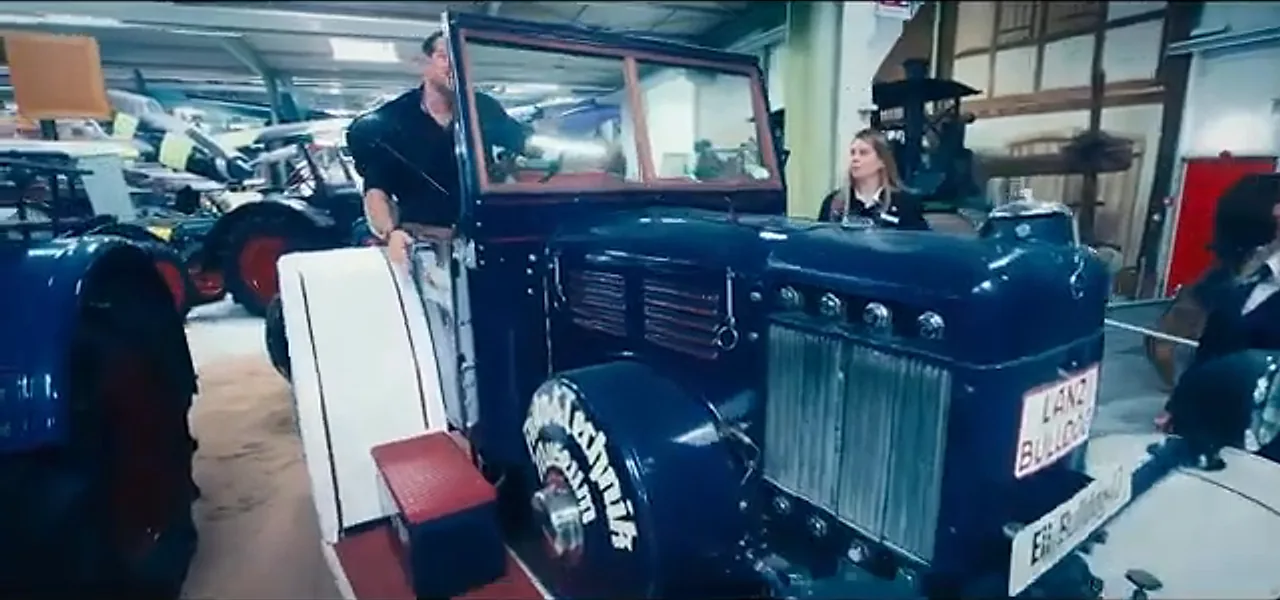
Speyer: A Space Shuttle, a Jumbo Jet and a Submarine
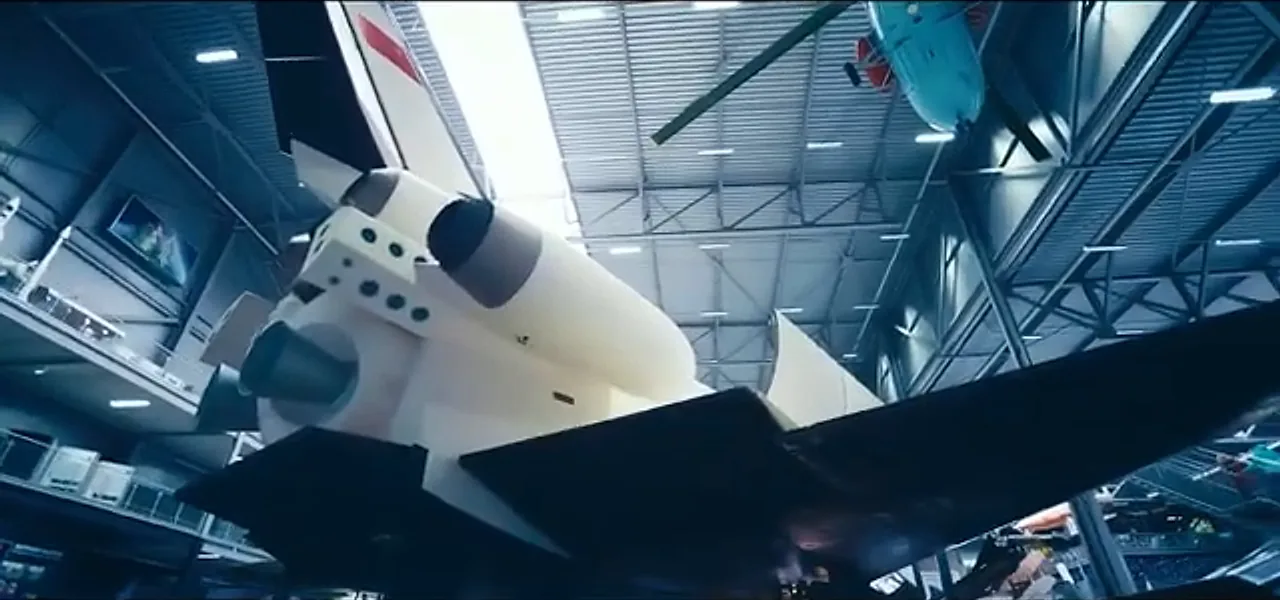
Fifteen minutes away, the Speyer half of the museum raises the stakes, with the largest aerospace exhibition in Europe. Its centrepiece stopped me cold: the Soviet space shuttle Buran. This was the first of three ever built — a prototype from 1984, fitted with four jet engines and a kerosene tank so it could fly test flights in the atmosphere. It completed 25 such flights before the programme's single, uncrewed orbital mission in 1988. Seeing a real Soviet shuttle up close, in a German museum, is the kind of thing the dart specialises in delivering.
There's a poignancy to it, too. Buran — the name means "snowstorm" — was the Soviet Union's answer to NASA's Space Shuttle, and on paper it was extraordinary: for its one and only spaceflight, it launched, orbited the Earth twice, and landed itself completely automatically, with no crew aboard, something the American shuttle never attempted. And then the Soviet Union collapsed, the money vanished, and the whole programme was cancelled. This machine in front of me is a relic of a superpower and a space race that no longer exist — a spaceship for a country that isn't on the map anymore.
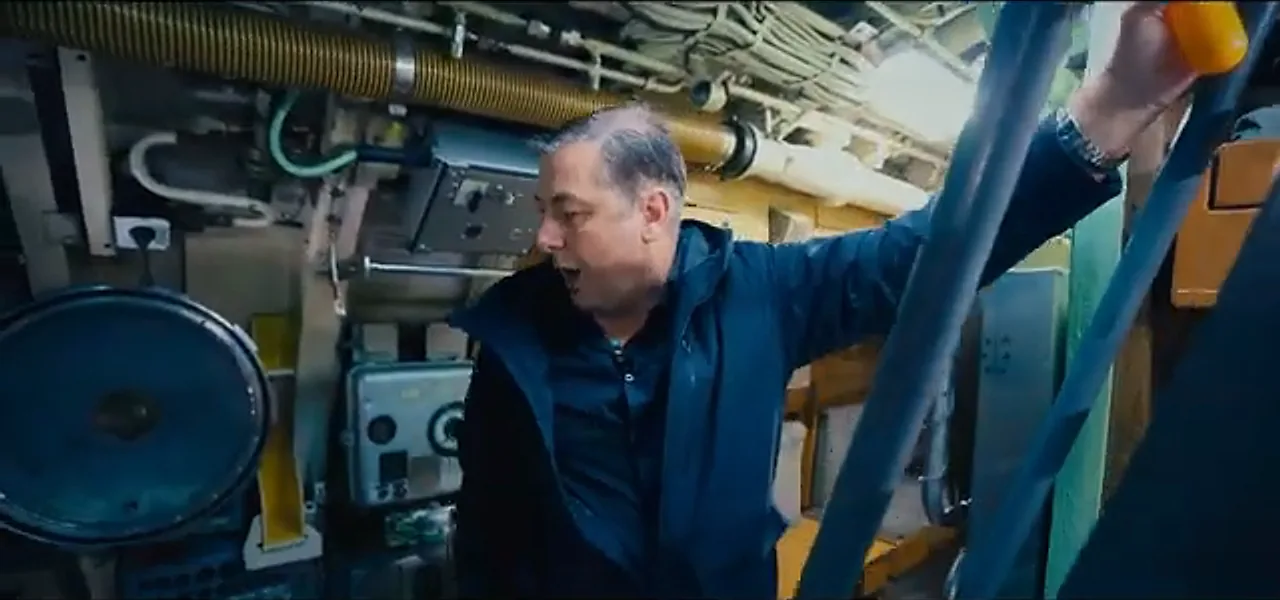
Nearby sits a Boeing 747 — which, fully loaded with luggage and fuel, is a staggering weight to heave into the sky — and, best of all, the submarine U-9. Built in 1966 and decommissioned in 1993, the U-9 traveled over 174,000 nautical miles in its career — the equivalent of circling the globe eight times — and spent more than 16,000 hours submerged, close to two full years underwater.
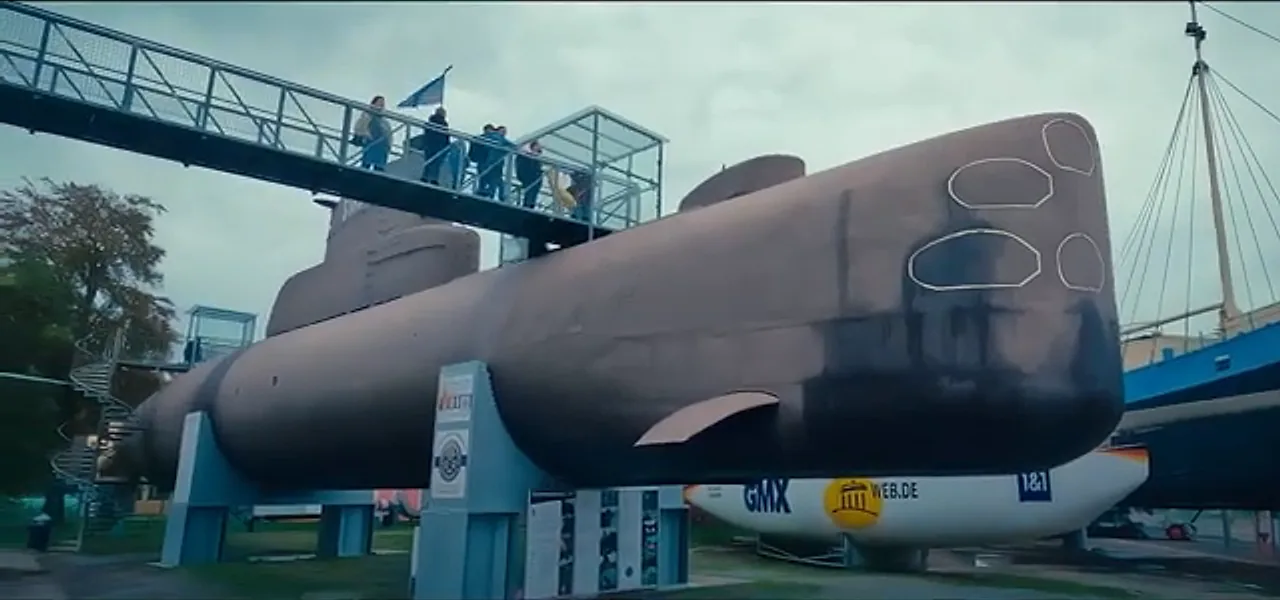
You can climb right inside it, and it is a genuinely sobering thing. Twenty-one crew members lived, worked and slept in this cramped steel tube with no option of stepping out, back when the technology was nothing like today's — and a single cook somehow produced three meals a day for all of them from a galley the size of a closet. Thanks to the special shape of its hull, the U-9 actually travelled faster underwater than on the surface. I saw the kitchen, the bunks, and the memorably grim toilet, a contraption complicated enough to have its own operating procedure. If you're claustrophobic, this is not the exhibit for you.
What Germany Refuses to Let Go Of
I arrived with three clichés in my head — cars, castles and dancers — and left with something more interesting than any of them. Germany, at least the Bavaria I saw, is a country that has quietly decided which things are worth keeping and then keeps them, fiercely: a brewery from 1589 where you earn your own mug over years, a restaurant one family has held since 1658, a stove from 1929 that still fries the schnitzel, a dance that refuses to modernise, and castles built to look like dreams. And then, in the same country, a museum where engineers keep a Concorde and a space shuttle and a Cold War submarine not behind glass but running, or at least ready to — because here, even the future is something you maintain rather than replace.
That, in the end, is the German trait that surprised me most: not the precision or the efficiency of the stereotype, but the patience. The willingness to hold on to a thing, and tend it, for centuries. The dart could have sent me anywhere in Europe, and I'll be honest — Germany was never top of my own wish list. It should have been. It quietly became one of the most rewarding countries the dart has ever chosen for me. Watch both films above — and next, the dart carries me north, to the Arctic Circle, the Northern Lights and the real home of Santa Claus, in Finland.
Explore More Travel by Dart Journeys
- Back one dart to where this throw came from: South Korea.
- More of Europe's fairytale castles the dart uncovered: Scotland.
- Other proud, history-soaked corners of Europe: Italy and my home country, Romania.
- Another ancient world stacked layer on layer: Turkey.
Suggested Sources & Further Reading
To go deeper into Germany, these are some of the best authoritative resources:
- Germany Travel — Germany's official national tourism site.
- UNESCO — Speyer Cathedral — the Romanesque cathedral near the technik museum.
- Encyclopædia Britannica — Germany — history, geography and culture.
- Encyclopædia Britannica — Neuschwanstein Castle — the fairytale castle that inspired Disney.
All facts verified September 2026.
Germany: traveler questions
What is the Hofbräuhaus, and what are the private beer mugs?+
The Hofbräuhaus in Munich is a beer hall on the site of a royal brewery founded in 1589. It seats thousands and has around 3,500 weekly regulars; a few hundred of them have earned a locked cabinet to store their own personal one-litre stein. You can't buy your way in — the waiting list runs three to four years of showing up as a regular.
Where is the oldest restaurant in the world?+
Gaststätte Röhrl, in the village of Eilsbrunn near Regensburg in Bavaria, has been run by the same family continuously since 1658 and is recognised by Guinness World Records as the oldest continuously operated restaurant in the world. It is currently run by the eleventh generation of the Röhrl family.
Did Neuschwanstein inspire the Disney castle?+
Yes. Neuschwanstein Castle, begun in 1869 by King Ludwig II of Bavaria, is widely regarded as the inspiration for Disney's Sleeping Beauty Castle and the studio's logo. Germany has an estimated 20,000-plus castles, but this fairytale palace on a Bavarian hillside is the most famous of them all.
Is Frankenstein Castle connected to Mary Shelley?+
It's a popular legend rather than proven fact. Frankenstein Castle, a ruin near Darmstadt, shares its name with Mary Shelley's 1818 novel, and it was home to the 17th-century alchemist Johann Dippel. The claim that Shelley visited and was inspired by it is disputed by historians, but the castle leans into its eerie reputation with famous Halloween events.
What can you see at the Technik Museum Sinsheim and Speyer?+
The Technik Museum is split across two German towns, Sinsheim and Speyer, and specialises in technical history. Highlights include a Concorde you can walk through, Michael Schumacher's first Formula One car, the Soviet Buran space shuttle, a Boeing 747, and the submarine U-9 — and about 90% of the vehicles still run.
Was the Concorde really faster than time?+
Effectively, yes, for eastbound travellers. The Concorde crossed the Atlantic in under four hours — roughly 3 hours 55 minutes from New York to London. Because of the time-zone difference, a westbound passenger from London or Paris could land in New York at a local clock time earlier than their departure — hence the slogan, 'faster than the time.'