Season 3 · Episode 4
Greece
Where mythology, hospitality and everyday life still share the same table.
On this page ▾
By Sorin Mihailovici · Travel by Dart · Last updated August 2026 · ~18 min read
Every dart throw is a leap into the unknown, but this one was stranger than most. I was deep in the Amazon jungle, and to honour the tribe who'd hosted me, I threw my dart the way they taught me — not by hand, but through a blow-dart, the tool they use to hunt and to knock fruit from the trees. I put the map on its stand, took aim through the long wooden pipe, and blew. When I went to look, the dart had landed squarely on a small country I'd always loved from afar and where I already had friends waiting: Greece. Elláda. One of the most ancient civilisations in the world, chosen for me by a hunting weapon from the other side of the planet. I could not have asked for a better result.
Quick facts: Greece at a glance
- Capital
- Athens
- Population
- ~10 million
- Language
- Greek
- Currency
- Euro
- Gave the world
- Democracy, philosophy, the Olympics
- Islands
- Thousands (about 200 inhabited)
- Famous for
- Ancient history, olive oil, hospitality
- This trip
- Athens · Delphi · Thessaloniki · Thassos
The Cradle of the Western World
It's hard to overstate what this small country gave the world. Greece is, quite literally, the cradle of Western civilisation: the place that invented democracy in Athens, gave us the philosophy of Socrates, Plato and Aristotle, created theatre and the Olympic Games, and laid the foundations of the science, art and politics the West still runs on. Around ten million people live here today, scattered across the mainland and thousands of islands, speaking a language with an unbroken written history of nearly three thousand years.
But — and this became the theme of my whole trip — Greece is not a museum. It's a living, eating, singing, arguing country where the ancient and the everyday share the same street. My mission wasn't to tick off ruins; it was to find the real Greece, the one the locals live in when the tour buses leave.
Athens: The Real City Behind the Postcard
In Athens, I got lucky and found the perfect guide: Eleni — bubbly, sharp, funny — who runs a family-travel company called Mamakita, named after the phrase children shout in every language on Earth: "Mommy, look!" Eleni took one look at me and decided, "From now on, you're mine," and set about showing me the country the way she wished the world saw it. Her frustration was one I share: social media, she said, destroys the reality. You scroll through flawless photos of Santorini — a private plunge pool, not another soul in frame — then arrive to find it mobbed. The real Greece, she insisted, isn't in the filtered highlight reel. It's in the food, the wine, the music, and the way Greeks indulge themselves for hours around a table.
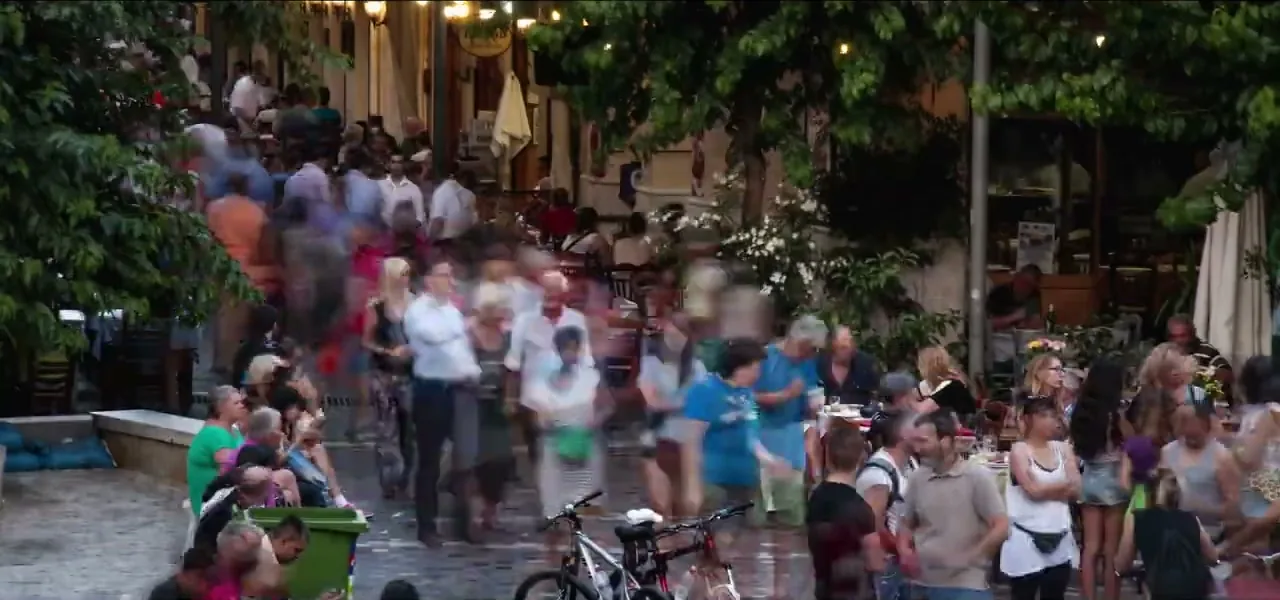
She started me in Plaka, the old neighbourhood curled at the foot of the Acropolis and one of the oldest continuously inhabited districts on the planet — its main street still following the exact layout it had in antiquity, and still humming with life, joy and noise after thousands of years. We ate a long, late, laughing dinner at a traditional taverna where Greek poets once gathered, and I understood Eleni's point completely: in Greece, a meal isn't a refuelling stop, it's the main event. I even talked my way into the kitchen of my hotel, the Gem Society, to cook shrimp orzo — black tiger prawns, tomato, ouzo, butter — with the chef. He very politely fired me and then fed me for the rest of the day.
The Acropolis and the Olive Tree That Named a City
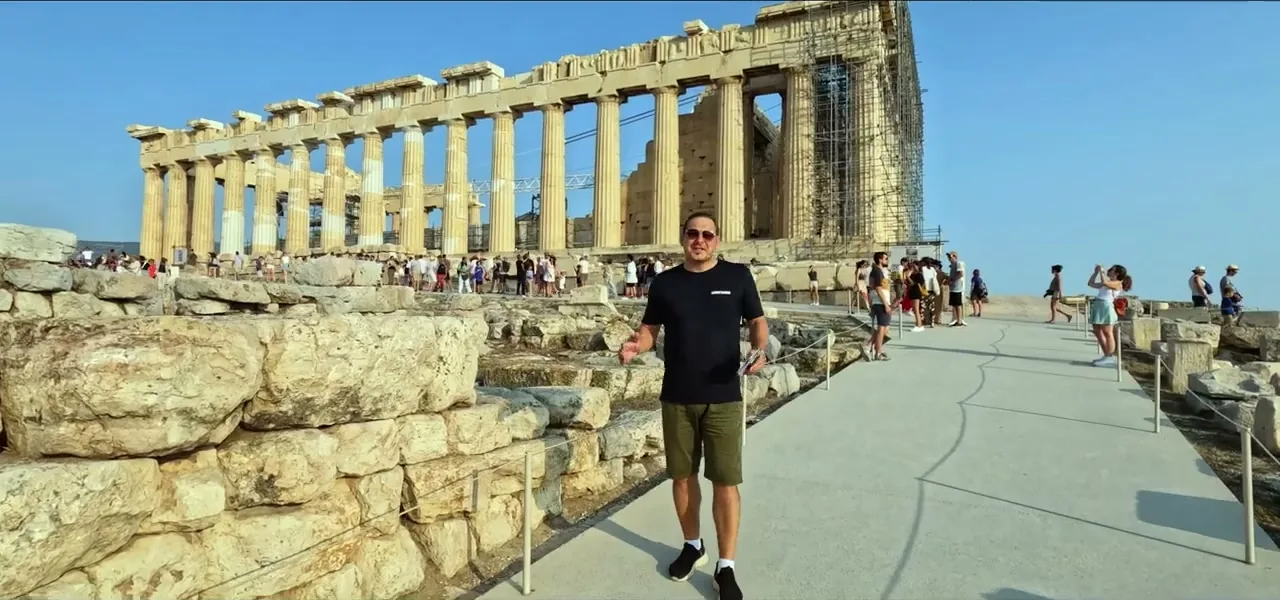
Of course, you cannot come to Athens and not stand before the Acropolis. The Parthenon — the temple built for Athena, goddess of wisdom, in the 5th century BC — still crowns the city, and it's genuinely staggering to think it has stood, more or less, for nearly two and a half thousand years, while so many newer buildings crumbled at the first earthquake.
But my favourite thing about it is the myth of the city's name. Legend says Athena and Poseidon competed to become Athens' patron god. Poseidon, god of the sea, struck the earth and gave the city a spring — but the water was salty and useless. Athena knelt and planted an olive tree, offering oil, food, wood and light. The people chose Athena's gift, and so the city became Athens, not Poseidonia. It's a perfect little parable of Greek values: not the flashy miracle, but the useful, enduring one. And, as I'd soon learn, that same olive still runs through everything here.
What struck me standing up there wasn't just the marble; it was the continuity. Below the Acropolis spreads a modern city of four million people — traffic, cafés, apartment blocks — and yet the temple on the hill has watched over all of it, through empires and invasions and centuries, refusing to fall. Athens isn't a ruin with a city around it; it's a living city that happens to be built at the feet of its own gods. You feel very small, and very lucky, standing where philosophers argued and democracy was born, with the same hard blue Attic light on your face that fell on them.
Here, three thousand years of history aren't kept behind glass — they're in the food, the wine, the music and the fierce pride of everyone you meet.
Delphi: The Navel of the World
From Athens I travelled to Delphi, and if any place captures the Greek genius for myth, it's this one. The ancient Greeks believed Delphi was the centre of the world — the omphalos, or navel. The story goes that Zeus released two eagles from opposite ends of the Earth; they circled the globe and met exactly here, marking the spot. Delphi became the seat of the famous oracle of Apollo, where kings and city-states from all over Greece — Athens, Sparta, Thebes — came to consult the priestess Pythia before every great decision. In a way, Eleni pointed out, the Greeks invented tourism here 2,500 years ago: people travelling just to see a beautiful, sacred place.
The oracle's power is hard to overstate. For centuries, no Greek leader started a war, founded a colony or made a major decision without first climbing to the Temple of Apollo and putting a question to the Pythia, whose cryptic answers could tip the course of history. But Delphi was also something rarer: neutral ground. Here, rival city-states that spent their lives at war — Athens, Sparta, Thebes — met, cooperated and built alliances, making this mountainside one of the first places on Earth where enemies learned to talk instead of fight. For all its mysticism, that may be Delphi's most modern legacy.
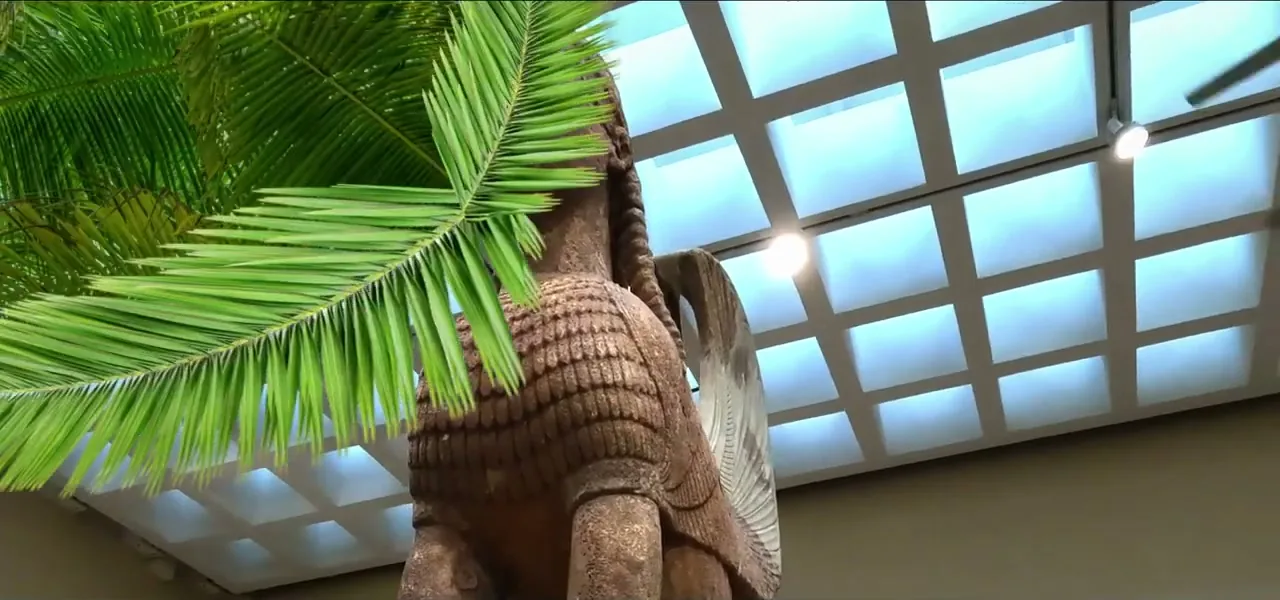
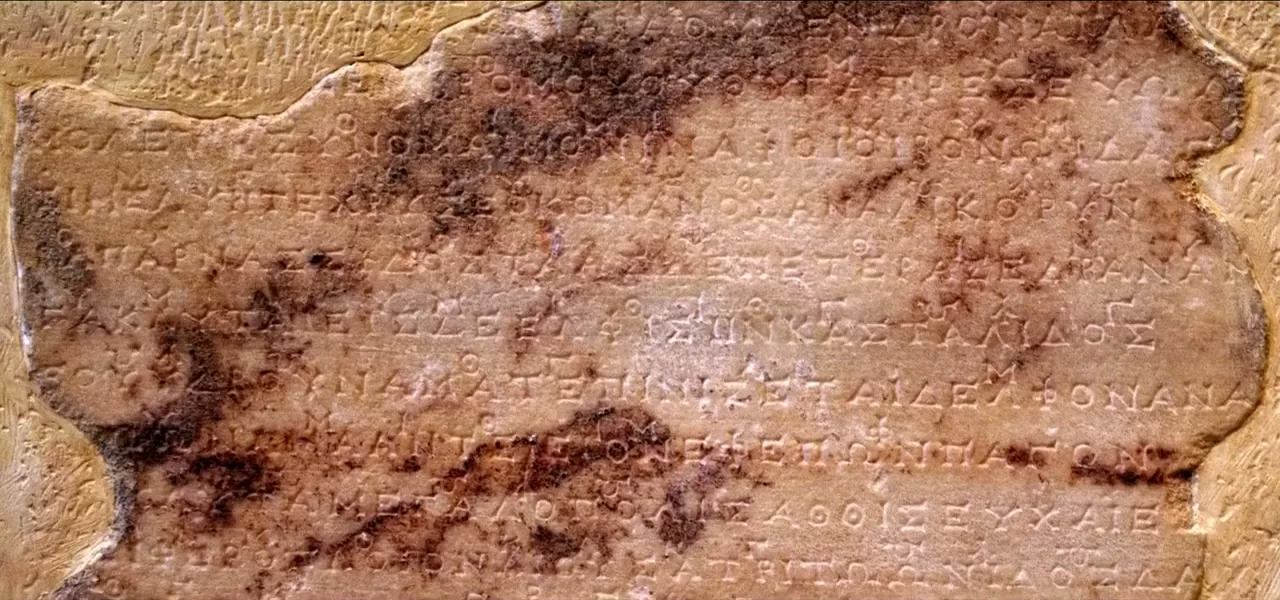
Delphi gave me goosebumps for two reasons. One was the Sphinx of Naxos, a winged statue over two and a half thousand years old and still almost perfectly intact, watching over the site's little museum. The other was quieter but, to me, even more astonishing: carved into a stone here are the Delphic Hymns, complete with musical notation — some of the oldest written music that survives anywhere on Earth, from the 2nd century BC. You can stand there and read, in stone, a song someone composed and wanted remembered more than two thousand years ago. History doesn't get more human than that.
Liquid Gold: The Olive Oil
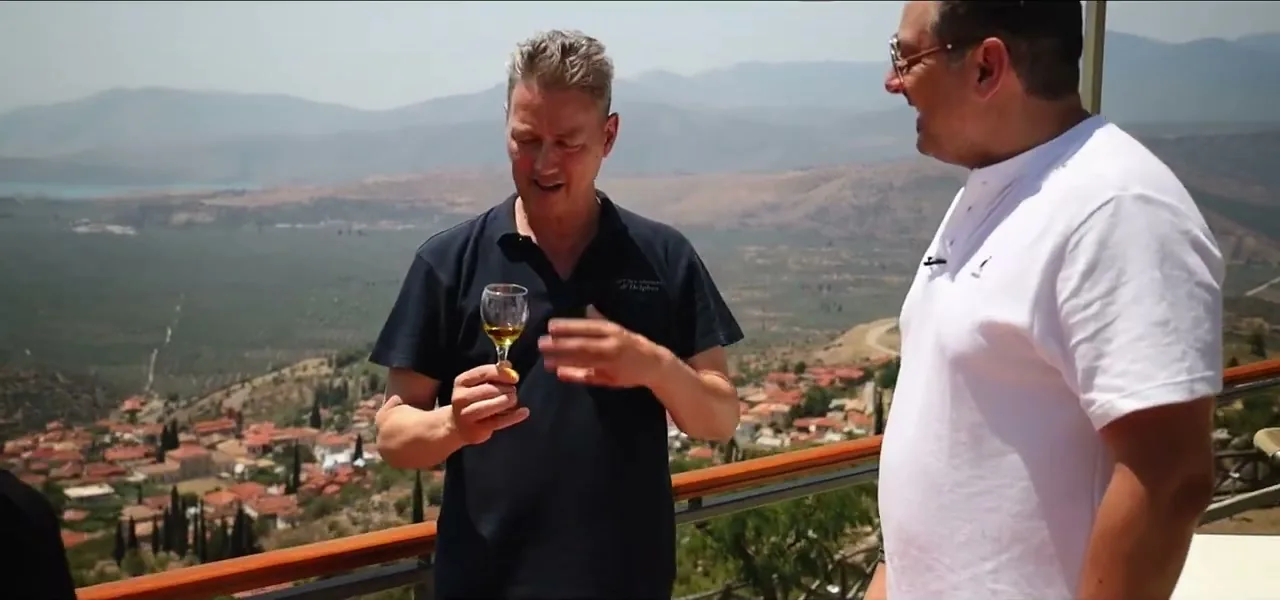
Remember Athena's olive tree? In Greece, olive oil really is treated as gold — "Greek gold," as the locals say. Eleni took me for an olive-oil tasting at Le Mer de Oliviers, where the owner, Vasilis, walked me through it with the seriousness of a sommelier. You smell it first (a good extra-virgin should be fruity and fresh), then take just two or three drops and roll them around your mouth to feel the intensity — grassy, peppery, alive.
Some of his oil comes from olive trees a thousand years old. And Vasilis rattled off the benefits like a man who genuinely believes them: olive oil protects the heart, aids digestion, softens skin, eases arthritis; the ancient Greeks spread it on their hair and bodies before bed to keep the wrinkles away. It is, he told me with a grin, the only thing in the world you can safely "drink and drive." After tasting the real thing, straight from those ancient trees, I'm not sure I'll ever look at a supermarket bottle the same way.
The Greek Table and the Art of Hospitality
If there's one thing that ties the whole country together — north to south, mainland to island — it's the table. Greek food is Mediterranean cooking at its most generous: mezes to share and linger over, grilled octopus and the day's fresh fish, souvlaki and moussaka, tangy feta and yoghurt, tomatoes that actually taste of tomato, all of it lifted by that liquid gold. Meals stretch for hours, powered by wine, ouzo or the northern spirit tsipouro, and nobody is ever in a hurry to bring the bill.
Behind it sits a value older than the ruins: philoxenia, literally "love of the stranger." To the ancient Greeks, hospitality to a guest was close to sacred — you fed and sheltered a traveller before you even asked their name, because they might be a god in disguise. Thousands of years later, you still feel it. Time and again on this trip, near-strangers folded me into their homes, their kitchens and their celebrations as if I'd always belonged there. Eleni claiming me as "mine," Maria arranging surprises, the taverna owners on Thassos feeding the whole crew — that isn't performance for a camera. It's simply how Greeks treat a guest, and it's the thing I'll remember longest.
Thessaloniki: Beauty and Dark Tourism
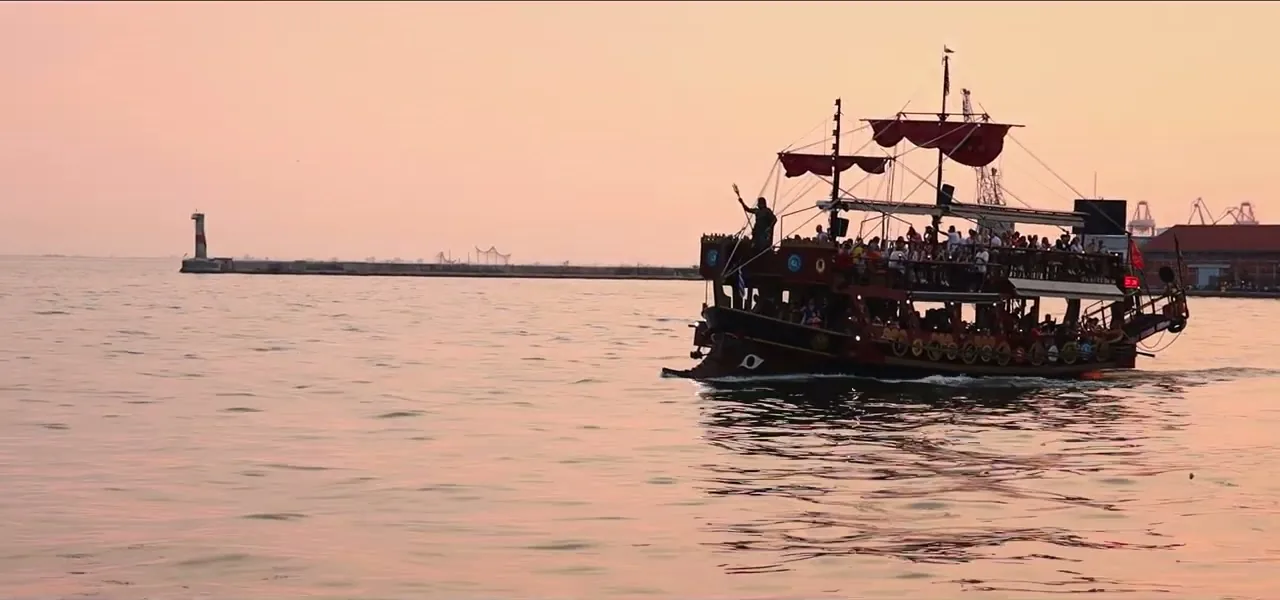
Then I headed north to Thessaloniki, Greece's fascinating second city — a place shaped over centuries by Roman, Byzantine, Ottoman and Jewish cultures, all of which left their mark on its food, its streets and its landmarks. It holds an incredible 15 UNESCO-listed monuments, and its waterfront, crowned by the Ottoman-built White Tower, is one of the loveliest in the country. My old friend Maria, who runs a boutique hotel there, rolled out the red carpet for the Travel by Dart team.
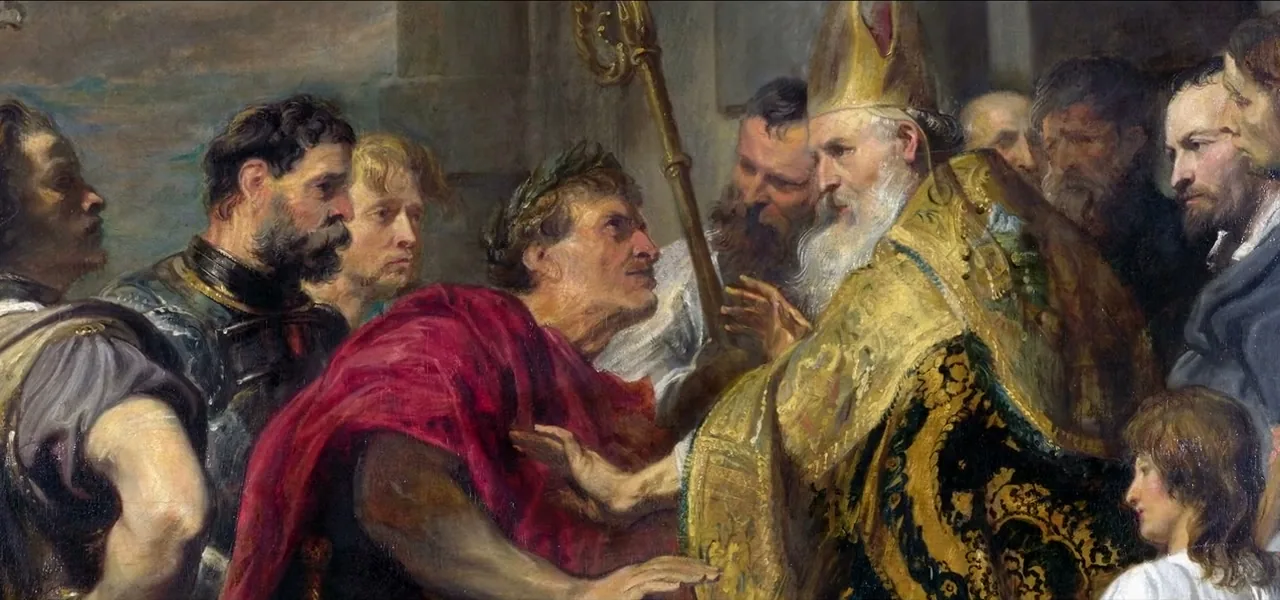
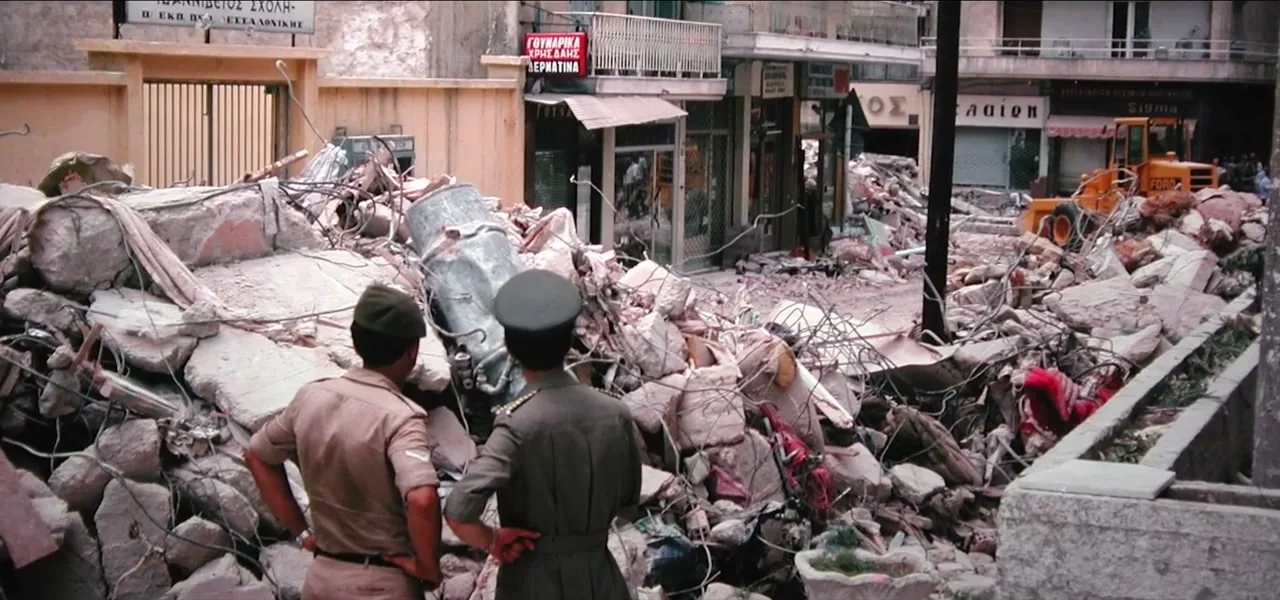
But Thessaloniki also has a shadow, and it's become a centre for what's called dark tourism — travel to places marked by violence and tragedy. The darkest spot of all is the site of the ancient Hippodrome. Here, in 390 AD, a Roman emperor, enraged by the city's unrest, lured its citizens to a staged event, locked them in, and had thousands massacred — one of the most notorious atrocities of the late Roman world, so shocking that the Bishop of Milan publicly denounced the emperor for it. Locals will tell you the spot was left cursed. Because more than fifteen centuries later, in 1978, on that very square, a massive earthquake struck and killed dozens of people. Standing there, hearing that the same patch of ground had drunk blood twice across sixteen hundred years, was a genuinely chilling reminder that history here is not abstract.
A Grape Brought Back From Extinction
Maria had also arranged something for the wine lover in me: a visit to Ktima Gerovassiliou, one of the best wineries in Greece, where our host Vicky gave us an unforgettable afternoon. The estate hides a genuinely bizarre treasure — the world's second-largest collection of corkscrews, over 2,600 of them, amassed over a lifetime by the founder as a personal obsession, now displayed in a beautiful museum.
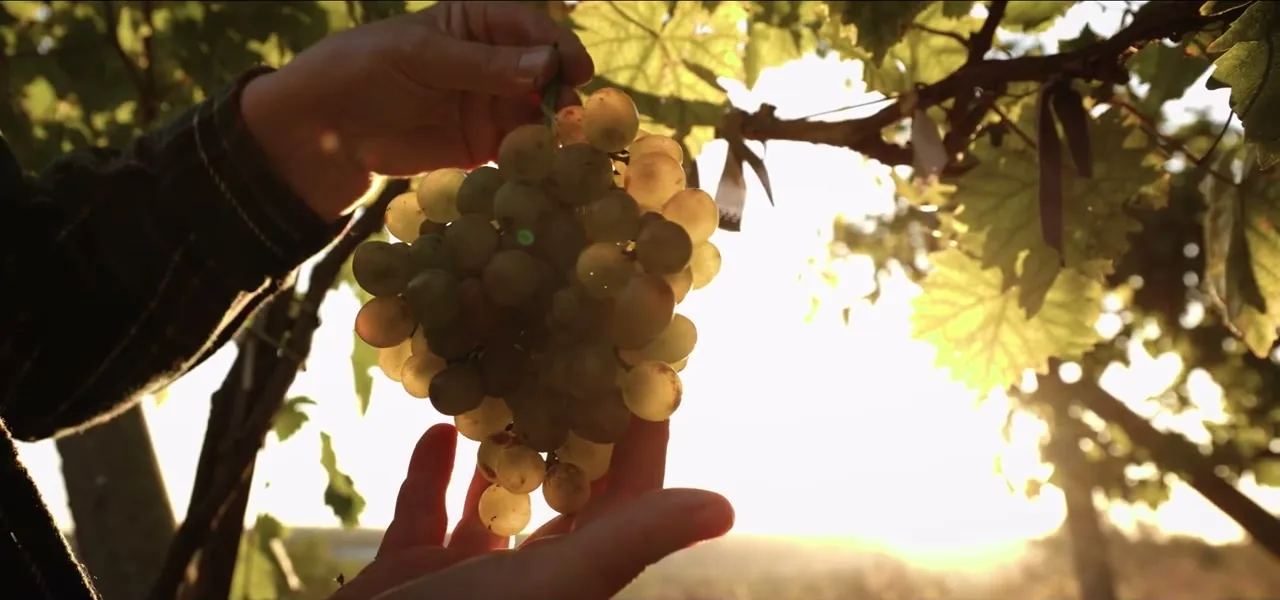
But the real magic was in the glass. I've tasted wine at wineries all over the planet, and this was the first time I drank one made from a grape that exists nowhere else on Earth: Malagousia, an ancient Greek white with aromas of peach, pear and cut grass. Here's the remarkable part — Malagousia had effectively gone extinct, wiped out by disease, until the winery's founder, Vangelis Gerovassiliou, tracked down a few surviving vines and, quite literally, brought the entire variety back from the dead in the 1980s. To sip a wine that only exists because one determined man refused to let it vanish is a very Greek kind of story: history, saved and served at the table. In a country where the past is everywhere, here was someone who had reached back and physically rescued a piece of it — a flavour that had been lost for generations, now poured into my glass. Yamas — cheers.

Thassos and the Brothers Who Made Time Stop
For the final stretch, I slipped away to one of Greece's best-kept secrets: Thassos, the northernmost island in the country, and the seaside village of Skala Marion, where I have friends who are very dear to me. Eleni and Nikos run the island's most beloved taverna, serving the catch their own boats and fishermen bring in fresh every single day. But I'd come back for something more personal.
Eight years earlier, I'd filmed their two sons as boys, playing bouzouki and guitar so beautifully that people gathered around to listen — and I'd carried that little video with me ever since. My quiet mission this trip was to reunite the brothers, in the same spot, and get them to play the exact same song. And they did. Watching those two young men — who'd each begged for a bouzouki as toddlers — pick up their instruments and pour out the same melody that had stopped me in my tracks nearly a decade before, time genuinely seemed to stop. It was the most moving moment of my entire time in Greece, and it had nothing to do with a single ancient ruin.

A Country Made of Islands
You can't understand Greece without the sea. This is a nation of thousands of islands — several thousand of them, though only around 200 are inhabited — scattered across the Aegean and Ionian like handfuls of thrown stone. The sea shaped everything: the ancient Greeks were sailors and traders who spread their language and ideas across the whole Mediterranean, and to this day the ferry is as much a part of Greek life as the bus. Every island has its own character, its own dialect quirks, its own patron saints and specialities.
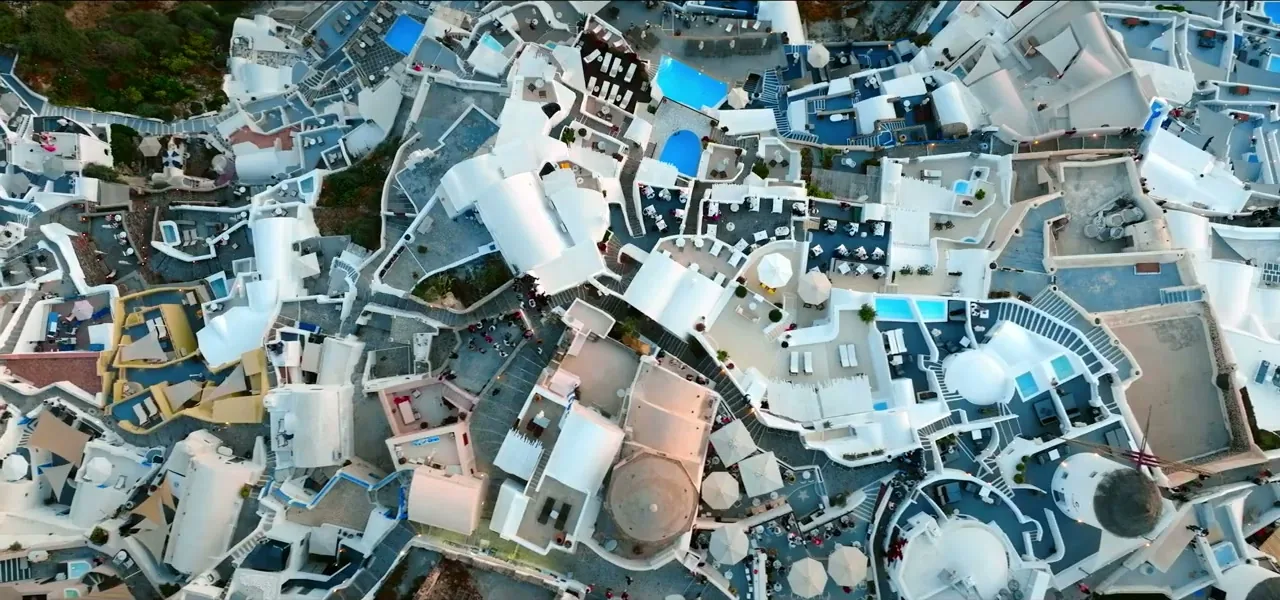
The world knows a handful of them — Santorini's blue domes, Mykonos's nightlife — and they are genuinely beautiful, but they're also crowded and expensive in high season, exactly the "spoiled" reality Eleni warned me about. The Greece I fell for was the quieter one: Thassos in the far north, green and pine-covered and largely undiscovered, where a taverna owner knows your name and the bouzouki comes out after dinner. There are dozens more like it. The secret to Greece is simply to go one island further than everyone else.
By the numbers: Greece by the numbers
- The Parthenon
- Built in the 5th century BC
- Plaka
- Continuously inhabited for millennia
- Delphic Hymns
- Among the oldest written music on Earth
- Some olive trees
- 1,000+ years old
- Thessaloniki
- 15 UNESCO monuments; the 390 AD massacre
- Corkscrew collection
- 2,600+ — world's second largest
Planning Your Own Greek Journey
If this makes you want to trace my route, Greece is a wonderfully rewarding country to travel — with a little planning. The single biggest tip: time it right. The famous islands and sites are gloriously uncrowded and mild in spring (April–June) and autumn (September–October), and brutally hot and packed in July and August, when much of Europe descends at once. Go in the shoulder seasons and you get the same blue skies with a fraction of the crowds and better prices.
Beyond that: fly into Athens and give it at least a couple of days — the Acropolis, the Acropolis Museum, and long evenings in Plaka — then decide whether you're a mainland traveller (Delphi, Meteora, Thessaloniki, all reachable by road) or an island-hopper (ferries fan out from the port of Piraeus to almost everywhere). Rent a car for the countryside; walk in the cities. Dress modestly when visiting monasteries and churches, carry water and sun protection at exposed ancient sites, and above all, don't over-schedule. The whole lesson of my trip was that Greece rewards the traveller who slows down — who sits at the table an hour longer, talks to the olive-oil maker, follows the sound of a bouzouki down a side street. The ruins will wait. The people and the moments won't.
The Island That Insists It's the Best
I came to Greece expecting temples and left carrying people: Eleni fighting for the real country, Vasilis and his thousand-year-old oil, the brothers on Thassos with their unchanged song. This is a place where three thousand years of history aren't kept behind glass — they're in the food, the wine, the music and the fierce pride of everyone you meet. The postcards sell you Santorini at sunset; the truth is so much richer, and it's hiding, as Eleni promised, just off the highlight reel. Of all the countries the dart has chosen for me, few have made me feel so completely fed — with food, with history, with music, with kindness. I arrived a stranger and left, in the old Greek way, treated like a returning friend.
And I wasn't done. There was one more piece of Greece still to explore — the largest, southernmost, and by far the most stubbornly proud of all its islands, a place whose people don't even like being called Greeks. As one of them put it to me: "Cretans first, and then Greeks — but we are the best Greeks, you understand?" That island is Crete, and it had surprises waiting for me that even three thousand years of mainland Greece couldn't have prepared me for. But that, as they say, is a whole other story — and it deserves an episode all its own.
Explore More Travel by Dart Journeys
- See where the dart sent me next: the island of Crete.
- More of the ancient Mediterranean the dart uncovered: Italy and Turkey.
- The balloon-and-fairy-chimney world across the Aegean: Cappadocia.
- Another proud, food-loving corner of Europe: my home country, Romania.
Suggested Sources & Further Reading
To go deeper into Greece, these are some of the best authoritative resources:
- Visit Greece — the country's official tourism site.
- UNESCO — Acropolis, Athens — the World Heritage listing for the Acropolis.
- UNESCO — Archaeological Site of Delphi — the "navel of the world."
- Encyclopædia Britannica — Greece — history, geography and culture.
All facts verified September 2026.
Greece: traveler questions
What is Greece best known for?+
Greece is the cradle of Western civilisation — the birthplace of democracy, philosophy, theatre and the Olympic Games. It's famous for its ancient sites like the Acropolis and Delphi, its mythology, its thousands of islands, its cuisine (olive oil, seafood, wine) and a culture of hospitality where food, family and music share the same table.
What was the myth behind the naming of Athens?+
According to legend, the gods Athena and Poseidon competed to become the city's patron. Poseidon struck the ground and produced a spring of salt water; Athena offered an olive tree, giving oil, food and wood. The people chose Athena's gift — and the city was named Athens in her honour, rather than Poseidonia.
Why is Delphi called the navel of the world?+
In mythology, Zeus released two eagles from opposite ends of the Earth and they met at Delphi, marking it as the centre — the omphalos, or navel, of the world. Delphi was home to the famous oracle of Apollo, and it's also where the Delphic Hymns were found: some of the oldest surviving written music on Earth.
What is 'dark tourism' in Thessaloniki?+
Dark tourism is travel to sites associated with death, tragedy or violence. Thessaloniki, layered with Roman, Byzantine, Ottoman and Jewish history, has several — most notably the site of the old Hippodrome, where in 390 AD a Roman emperor had thousands of citizens massacred, and where, on the same spot, a deadly earthquake struck in 1978.
Is Greece more than just Santorini and Mykonos?+
Absolutely. The famous islands are beautiful but often crowded and over-photographed. The real Greece is in places like ancient Plaka in Athens, the oracle at Delphi, the historic city of Thessaloniki, the vineyards of Macedonia and quiet northern islands like Thassos — where everyday Greek life, food and music are still the main event.