Season 7 · Episode 2
Fogo Island
The village the lava keeps coming back for — and the people who refuse to leave.
On this page ▾
By Sorin Mihailovici · Travel by Dart · Last updated November 2026 · ~15 min read
There is a place where the rules are different — where the earth beneath your feet is more likely than it should be to turn against you, and yet people build, and rebuild, again and again, because leaving was never really an option. I had already spent a week crossing Cape Verde — the music of Santiago, the streets of Cidade Velha, the ghosts of Tarrafal — but this country doesn't tell just one story. On another island, the story is still being written, in fire. "Dear passengers, welcome to Fogo Island." You don't come here by accident. You come knowing exactly what this place can do.
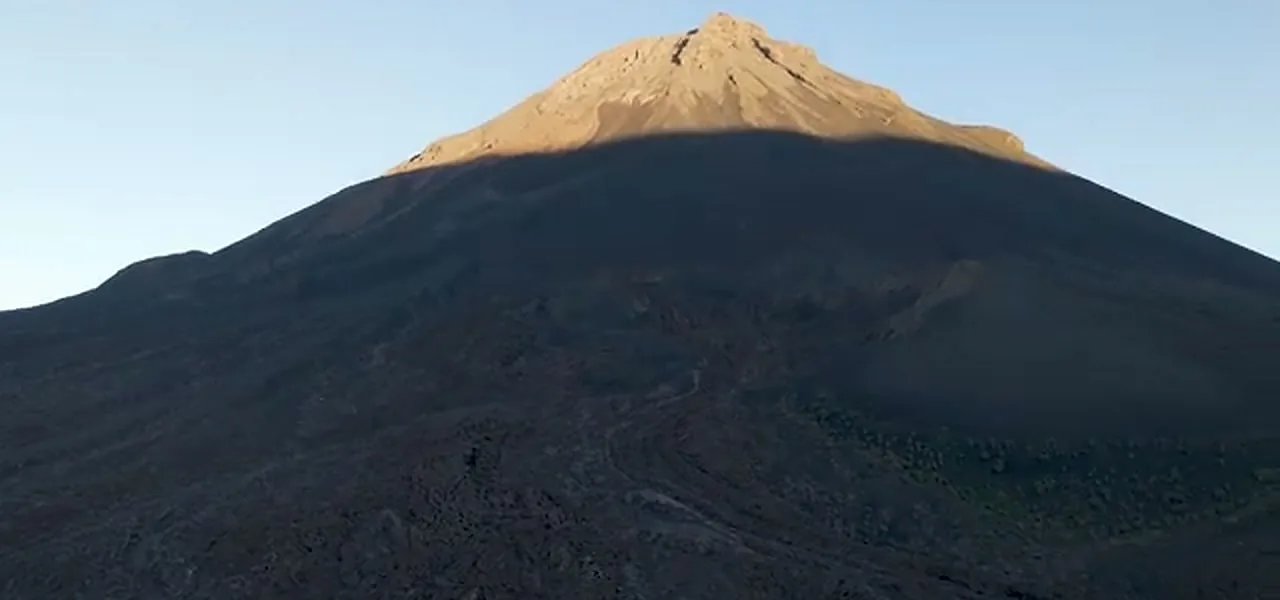
Geologically, Fogo is essentially one enormous volcano rising straight out of the Atlantic, and Chã das Caldeiras sits in its heart — a vast collapse caldera roughly nine kilometres across, walled in on its south and western sides by the Bordeira, a near-vertical cliff that rises about 1,000 metres straight up like the rim of a shattered bowl. Out of the floor of that old crater grew the younger cone of Pico do Fogo itself, the black pyramid that now dominates every view. Climbing it is a serious undertaking — a steep guided hike of several hours up loose scree to the 2,829-metre summit, usually rewarded with a thigh-burning run back down through the ash. Fogo has erupted again and again over the centuries — 1951, 1995, 2014 — and each time the mountain rewrites the map of the village at its feet.
Into the Crater: Chã das Caldeiras
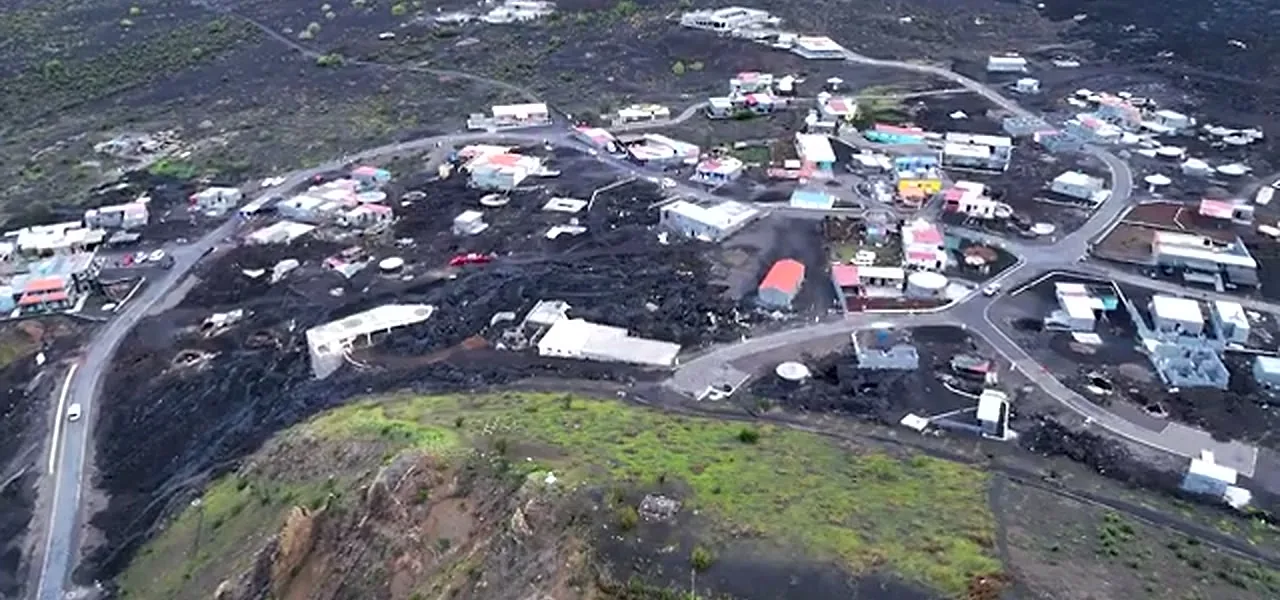
I came to Fogo to meet the giant, and to understand the people who live at its feet. To do that, you drive up — up through the black lava fields, up to the caldera floor at around 1,600 metres, into Chã das Caldeiras, the village the lava keeps coming back for. It feels like a place that doesn't quite belong to this world: homes built on hardened lava, by people who build knowing the next house might not last. The drive up does something to you. You leave the green coast behind and climb into a landscape that turns steadily blacker and stranger — fields of frozen lava, twisted and sharp, a world that looks like the surface of another planet — until the road tips over the lip of the caldera and the whole bowl opens up below you, the great cone of the volcano standing dead centre, little houses and green vineyards clinging to the black floor around it. Nothing prepares you for how beautiful, and how precarious, it looks all at once.
Quick facts: Fogo Island at a glance
- This trip
- Fogo island, Cape Verde
- The volcano
- Pico do Fogo — 2,829 m, highest in Cape Verde
- The crater village
- Chã das Caldeiras (~1,600 m)
- Last eruption
- 2014–15, lasting 77 days
- Erupts
- Roughly every 20 years
- Famous for
- Wine grown in black volcanic soil
- Next dart
- Thrown here — to the Azores
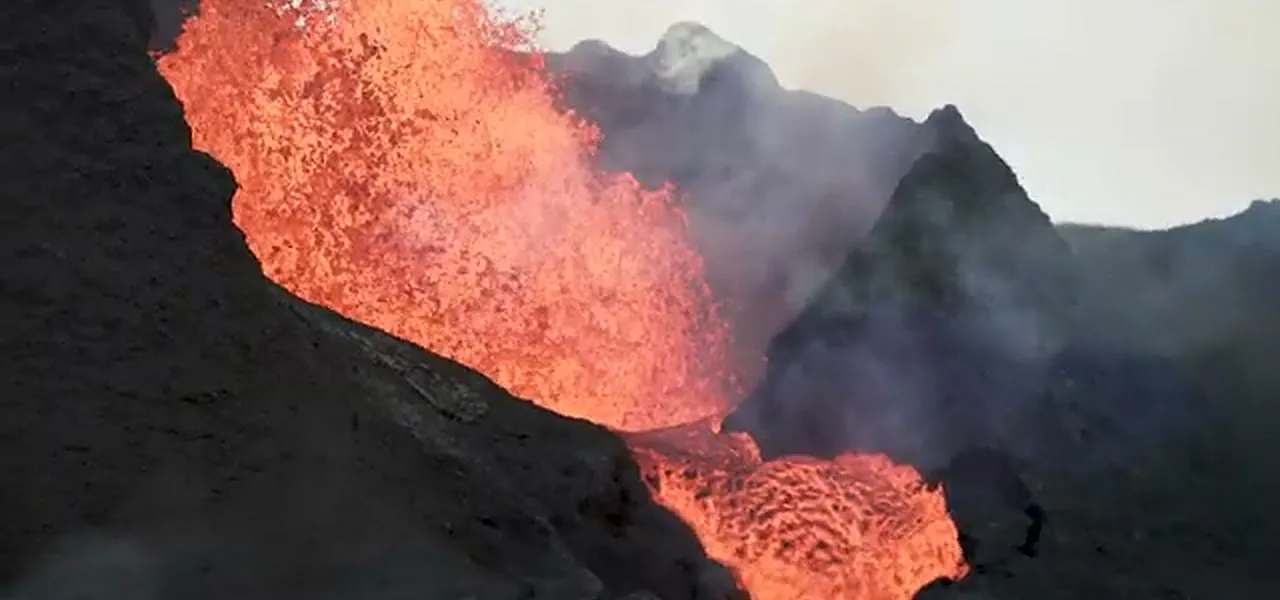
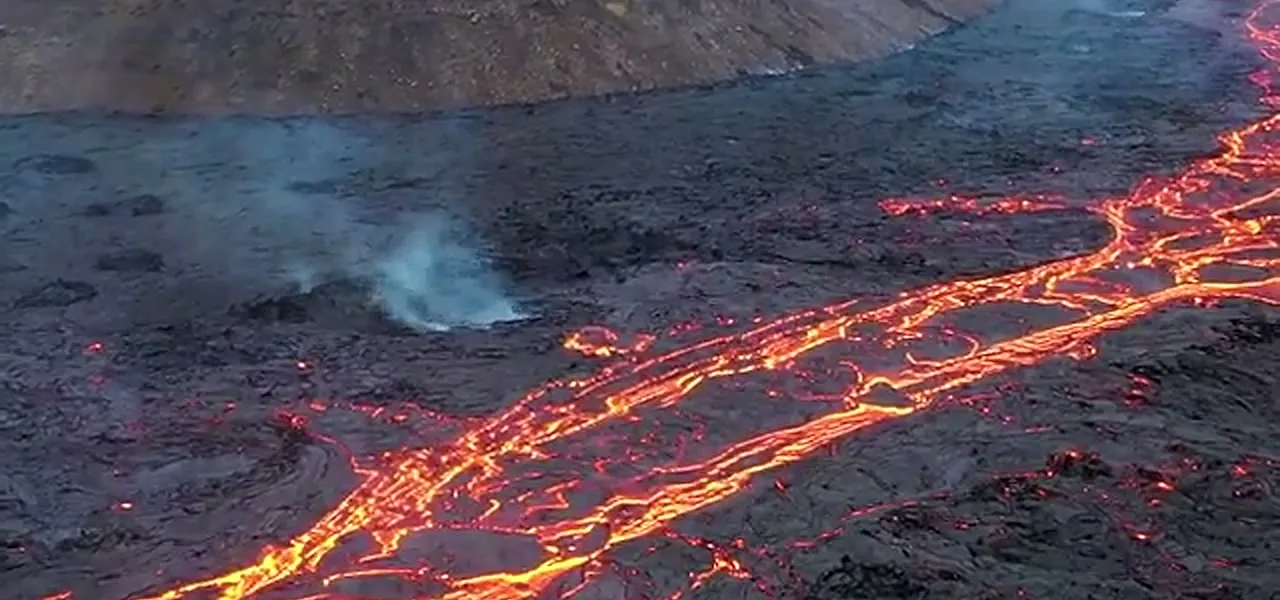
To understand what it means to live here, you have to go back to 2014. The eruption began on the 23rd of November, at ten in the morning — almost exactly 19 and a half years after the previous eruption in 1995, which, eerily, is almost exactly the average gap between Fogo's last 28 recorded eruptions. The lava destroyed most of the homes in the two villages up in the crater. One of the places lost and remade is Casa Marisa, a guesthouse named for a woman who has lived here since she was a child.
The 95% and the Rebuild
The numbers are staggering. By local accounts, the lava flows wiped out as much as 95% of the houses in the two villages (published surveys put it nearer three-quarters — either way, most of the community was gone). Marisa's family lost their house, and something that cuts even deeper on Fogo: around 600 wine-grape plants and much of their agricultural land. And yet, she told me, what they gained was solidarity — the experience of rebuilding everything, together.
I kept circling one honest question, and I put it to the people who lived it: knowing this is an active volcano, knowing it will come back, why rebuild here at all? Even Marisa admitted there was a moment she wondered whether to quit the idea entirely. I tried to imagine losing my home, my land, my grandfather's vines — everything — and then choosing to carry it all back up into the exact crater that had just swallowed it. Honestly, I don't know if I could. But that question, I slowly understood, is an outsider's question. For the people of Chã, leaving was never really on the table. This is home in a way that has nothing to do with the odds.
This is where the story stops being about a volcano and becomes about people. The government, I was told, couldn't help much. So the villagers helped each other. Mustafa, the co-owner of Casa Marisa, built his guesthouse mostly with his own twenty friends — and when they finished his, they moved on and built theirs, as a team. A house like this takes about three months to raise.
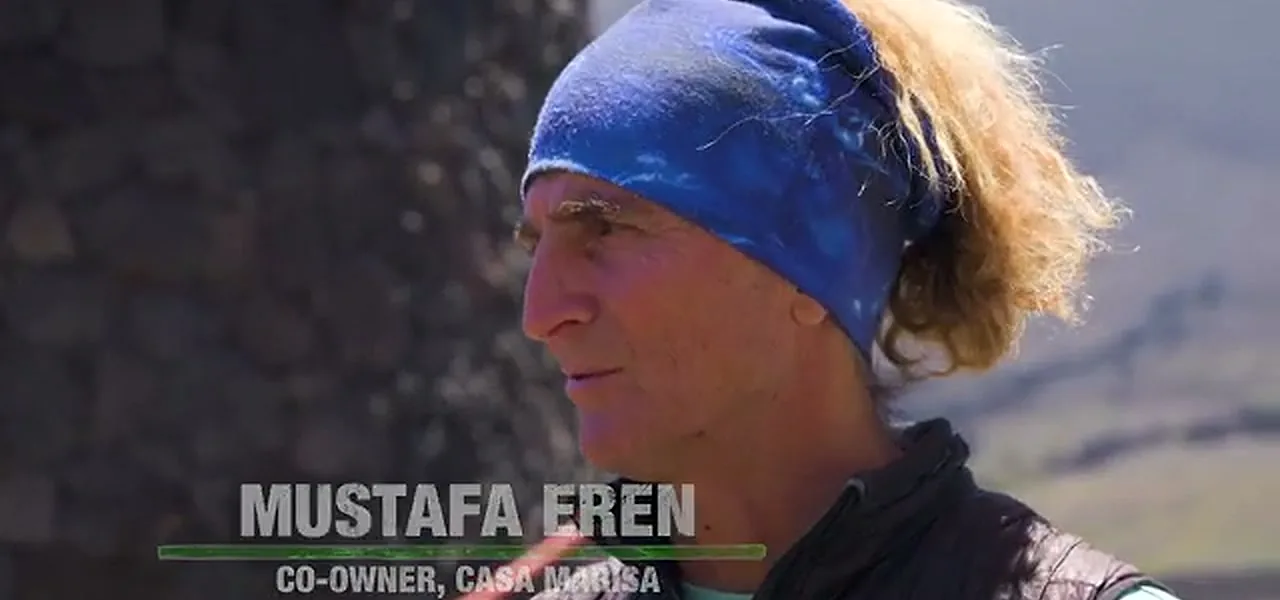
The government was not able to help us much. The people helped each other here. I built Casa Marisa mainly with my twenty friends — and when we finished mine, we built their houses as a team.
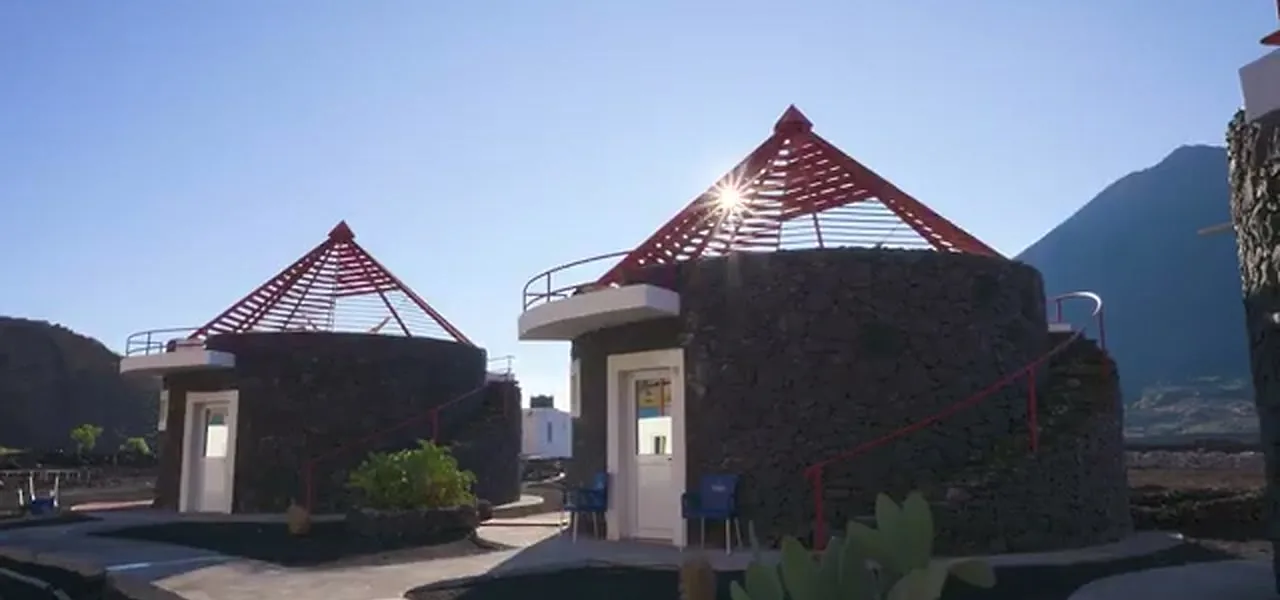
The houses themselves carry a history older than the volcano's last tantrum. The traditional round, dry-stone home here is called a funco — African architecture, brought to this crater by people who had escaped slavery. When enslaved people fled into the caldera, they could live practically as free men and women, and they built their homes as they remembered them from Africa. The volcano, in its brutal way, helped protect that freedom. To visit a place like this is one thing. To choose to stay is another entirely.
Living With Papa: The Volcano as Father
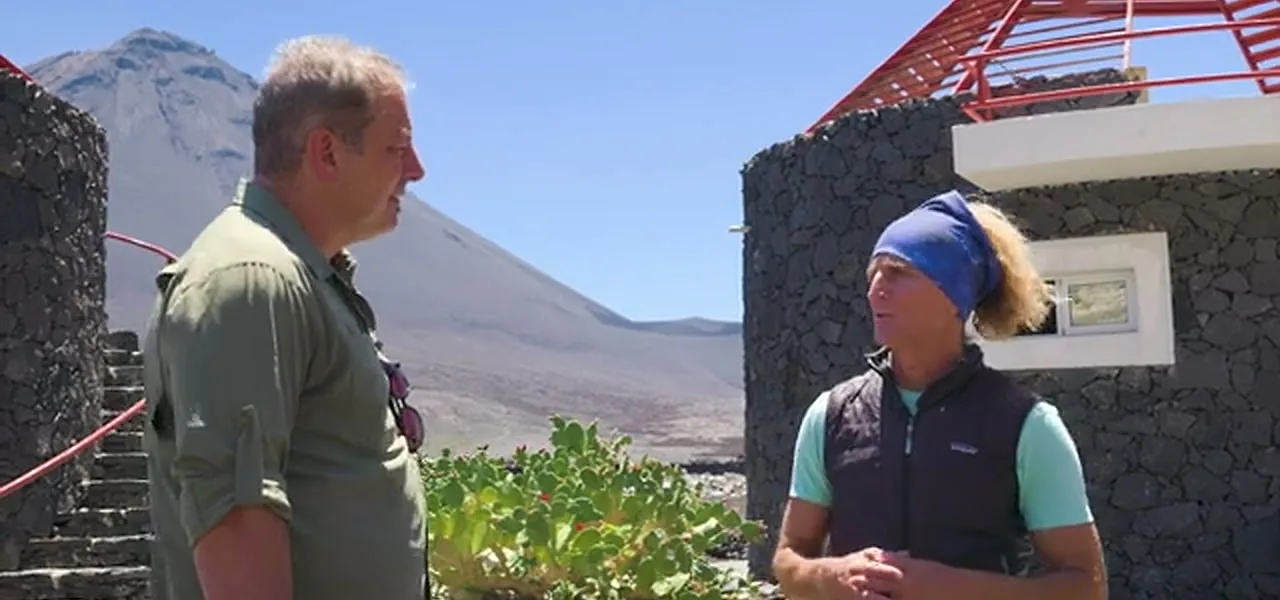
What struck me most was how the people of Chã think about the thing that keeps destroying their lives. They don't see it as an enemy. These are rural people with what Mustafa described to me as a circular sense of time — which is why they call the years between eruptions "The Big Year," as if it's simply one long season inside a larger cycle. And they've given the volcano a name: Papa, the Commander. The father.
They call the volcano Papa — the Commander. It's the benefactor of the place, the father that takes care of you. But sometimes, if you don't behave, it can punish you. And people, just like children, always know when the father is angry.
That relationship is also why they survive. During the 2014 eruption there was no panic. The elders who had lived through earlier eruptions knew exactly what to do, and before any authorities arrived, the villagers had already evacuated the children, the women, the elderly, the sick — and the tourists. They were, in every sense, prepared. When you live with a father who occasionally loses his temper, you learn to read the signs early.
The Rhythm That Doesn't Stop
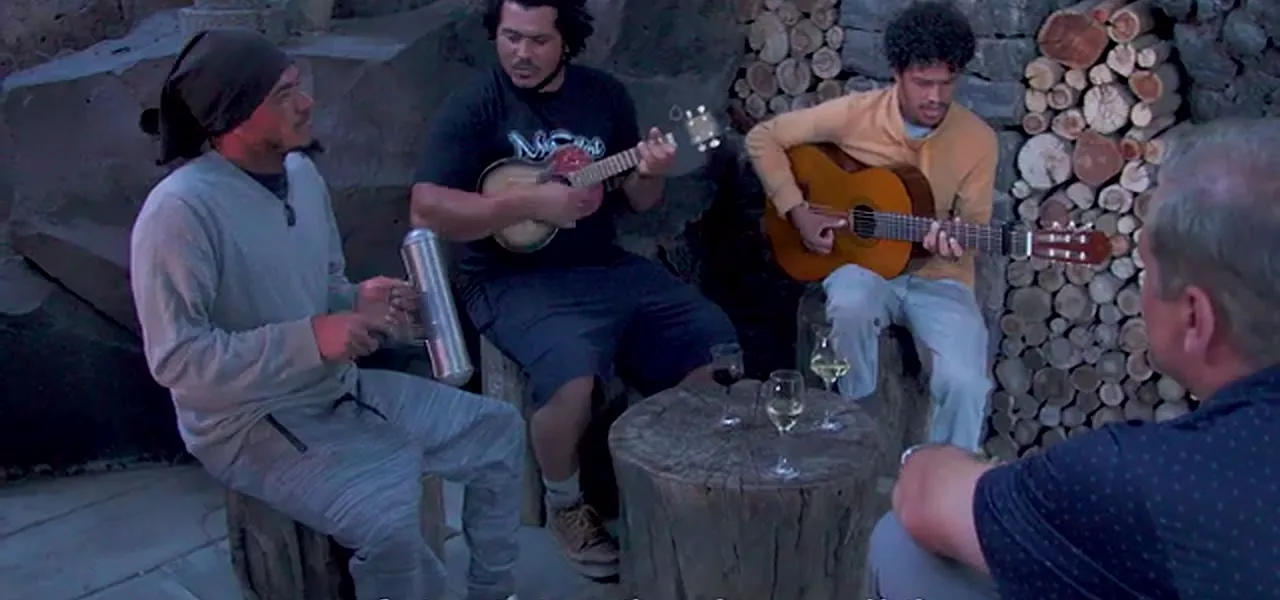
And sometimes that rhythm is literal. At Casa Ramiro, three brothers keep the island's music alive, one song at a time. The style is Mazurka — which, like so much in Cape Verde, didn't begin here (many trace it to Poland) but became something entirely its own. The echoes of where it came from are still in the notes; the feeling belongs completely to this island. On Fogo, music isn't something you listen to. It's something you live with. Sitting with those brothers, wine in hand, the volcano a dark shape through the doorway, I understood why the island hasn't broken: the same community that evacuates its children and rebuilds its houses also plays, together, through everything. The music isn't a break from the hardship. It's part of how they metabolise it — the sound of a place that has decided, over and over, to keep going.
Wine From Fire
On an island shaped by fire, in soil that is rough and a climate that is merciless, this is the last place you'd expect anything to grow. And yet it does — gloriously. Chã das Caldeiras is the only place in Cape Verde that grows grapes in real quantity, and the volcanic soil gives its wine a character you can taste. My guide into it was Jojoe, who like many here left the island once and found his way back — not because it was easier, but because it meant something.
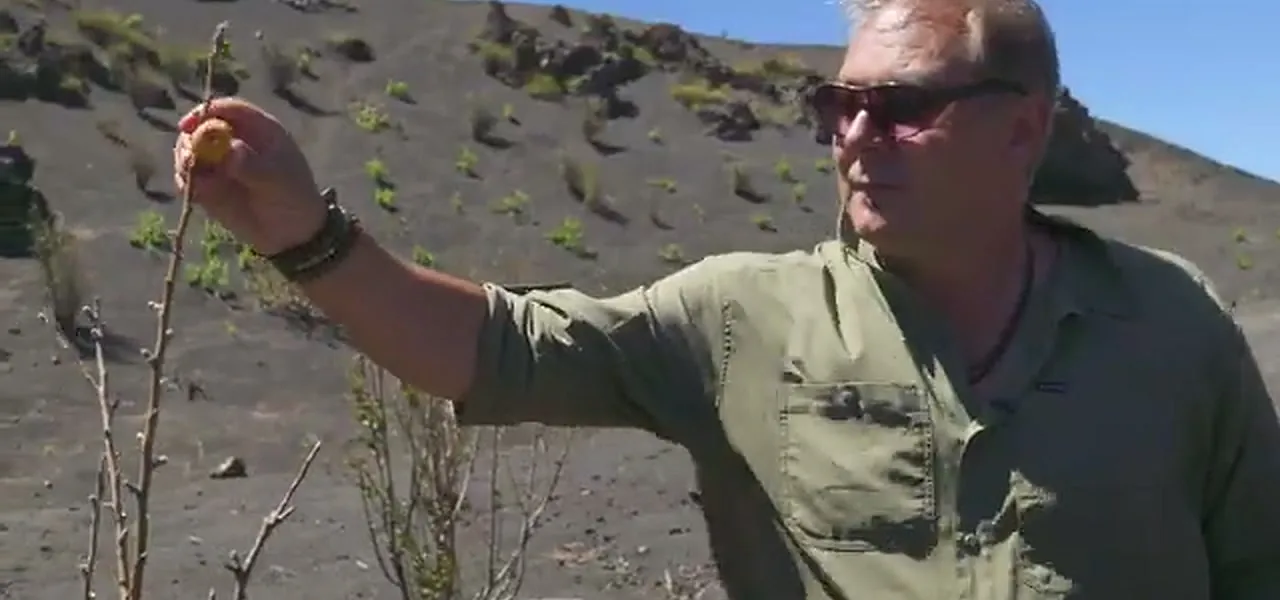
The vineyard was started around 1966 by Jojoe's grandfather, who died in 2003, leaving behind an idea his family still carries forward. It is punishingly hard work: at 1,800 metres, irrigation is entirely natural, so if the rain doesn't come, neither does the harvest. Wind, dust, heat and brutal roads all work against you. When July comes, it takes the whole community — around thirty people — to bring in the grapes and carry them down to the factory in São Filipe.
Coffee, and the Other Harvest
Wine isn't the only thing this fire-made soil gives up. On the greener north-eastern slopes of the volcano, between Chã das Caldeiras and the town of Mosteiros, Fogo grows coffee — arabica raised on volcanic ground, shaded by one of the largest continuous stretches of forest anywhere in Cape Verde. Fogo coffee has a real reputation, and down in São Filipe you can follow the whole journey, from the drying beds to the roaster. It's the same stubborn logic as the wine: a place where, by every rule of climate and geology, little should grow, quietly producing some of the finest things the whole country exports. On Fogo, scarcity doesn't stop people. It sharpens them.
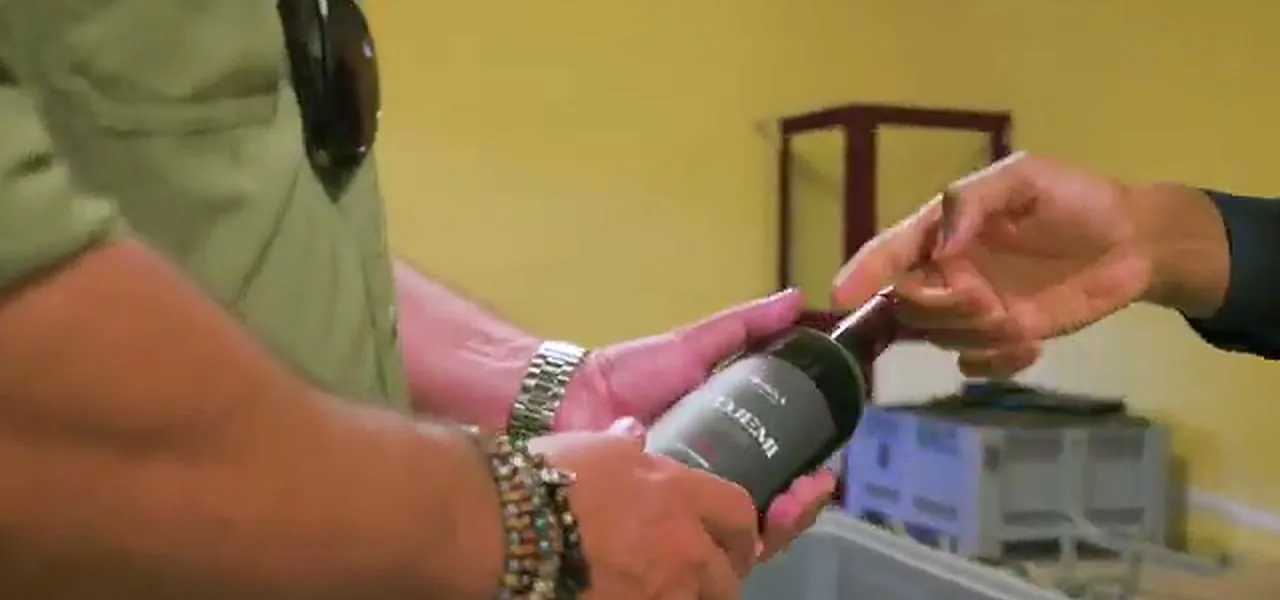
What comes out of all that struggle genuinely surprised me. The 2023 vintage I tasted — named Vinha Chã, in honour of Jojoe's grandfather Guilherme Vieira Fontes, whom everyone knew as Djemi — had been aged six years in the barrel, and both the colour and the quality were remarkable for a wine made in a place this hostile. The family makes reds and whites and is branching into a reserve, alongside brandies flavoured with mango and apple, every bottle tied to a relative and labelled with artwork of the volcano and its waves of lava, signed by hand. Hard work, Jojoe said, always pays off — especially when the motivator is family. In a place where everything can disappear, what survives is what truly matters.
Pedra Burcan: A Home Built Around the Lava
If you want to see what 'living with it' really means, you go to Pedra Burcan, where Sonia and her family built their home around the lava itself. Standing in her house, my guide Nilton pointed to a wall of black rock: the third lava stream from the 2014 eruption — the one that took the two villages. This isn't a monument to something that happened long ago. It's in the living room.
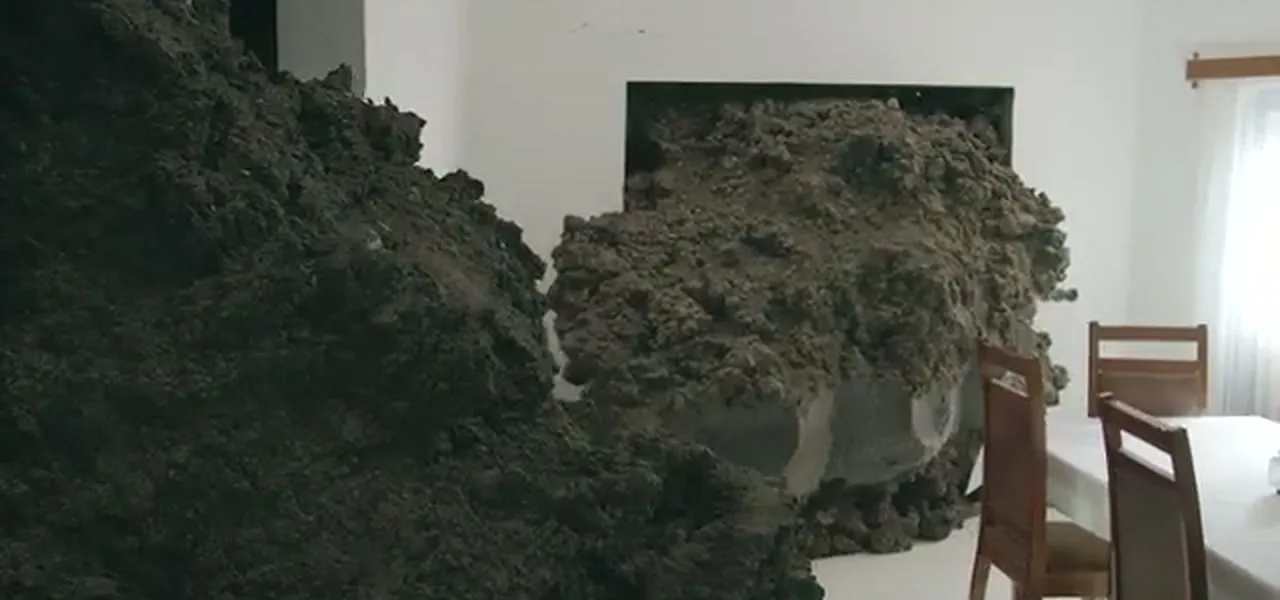
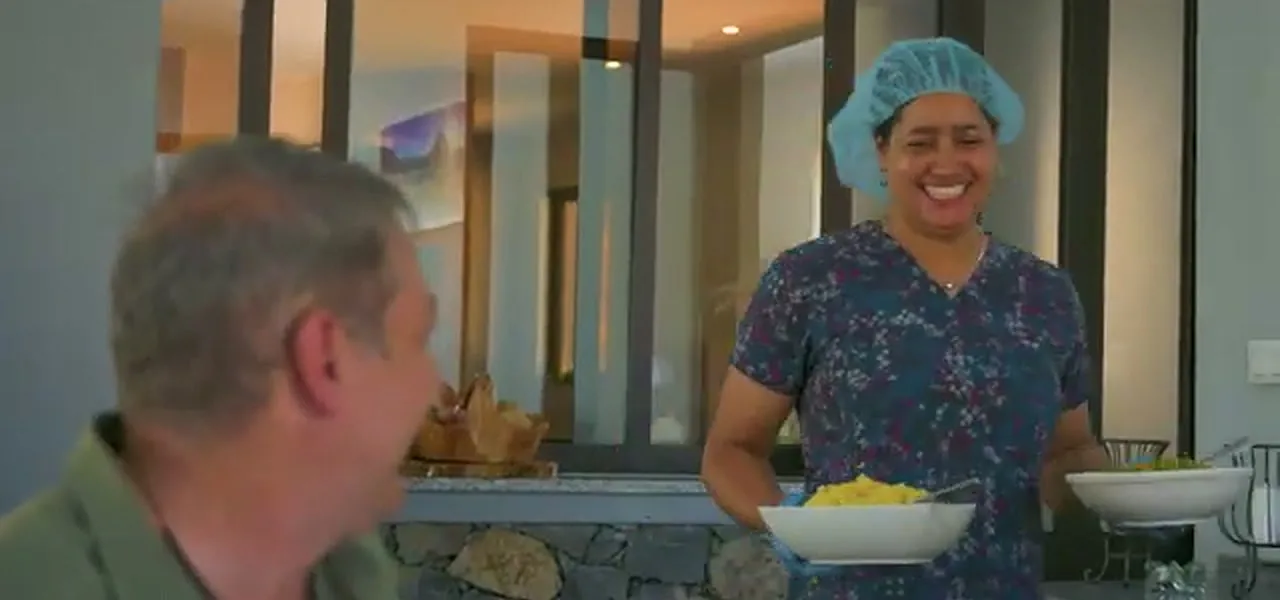
When the lava couldn't be cleared, people simply built on top of it. The first village, Portela, lies completely buried — so the locals built a new Portela directly on top of the old one. They don't just rebuild what was lost; they build on it. And inside those same walls, life keeps going. Sonia turned her home into a place to share what the family has, and today that means djagacida, a beloved Cape Verdean dish of rice and beans, pressed into my hands warm and soft. In a place where everything can change, these moments don't — and maybe that's exactly what people hold onto.
São Filipe, and the Deeper Mix
Back down in São Filipe, the island's elegant old town of black-sand beaches and faded colonial houses, I met Fausto de Rosário, who understands this place beyond what the eye sees. He explained something about Fogo I hadn't grasped. On Santiago, the Portuguese owners largely stayed in the city and never went to the countryside. But on Fogo, those who were sent — the enslaved, and the people representing the big landowners — had to go into the countryside together. Not only slaves, not only Black people, but white people too. The mix, here, went deeper. Cape Verde, he said, was not built from one identity but from many, forced to become one.
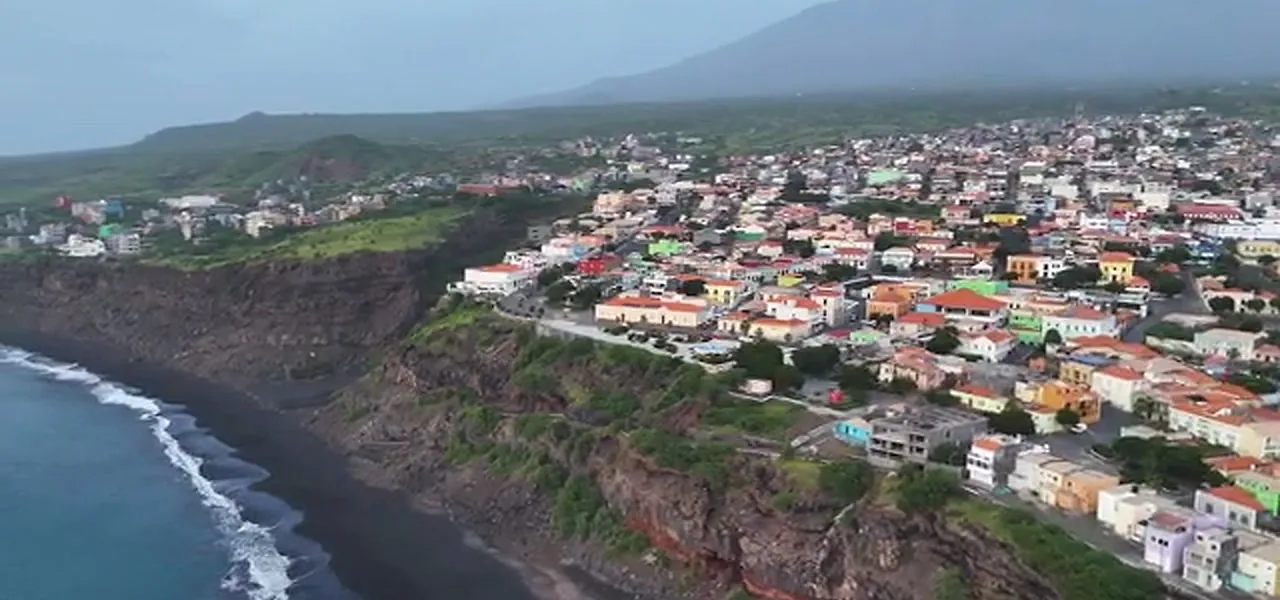
São Filipe itself is worth lingering in. As the island's capital and its second-oldest town, it's a graceful place of cobbled streets and weathered colonial houses stacked above a long beach of jet-black volcanic sand — a town that feels both faded and fiercely alive, with its own music, its own festivals, and a coffee museum that tells the story of the island's other great harvest. It's the gateway everyone passes through on the way up to the crater, and a reminder that Fogo isn't only the volcano; it's an island with a culture all its own.
And out of that forced mixture, Fausto said, came something unbreakable: a people able to survive centuries of hunger and disease without ever losing their joy for life. We sing even when we are in pain. I kept turning that line over for the rest of the trip. Not centuries ago — recent memory. You don't always see it, but you feel it, in the streets, in the silences, in the way people simply carry on.
We were able to survive centuries of starving, of disease — but never losing the joy for life. We sing even when we are in pain. Think about that.
The Next Throw
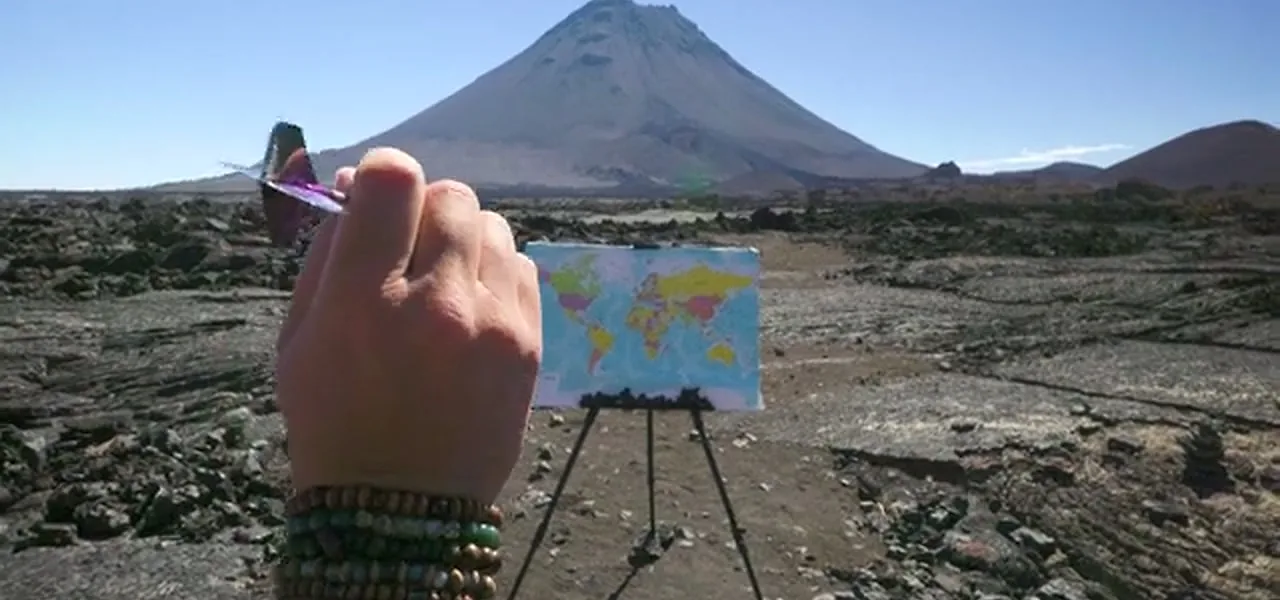
On this island, I saw what it means to stay — to rebuild, to adapt, to call a place home even when it can take everything from you. But this journey was never about staying. It's about moving on, and trusting that wherever the dart lands, another story is waiting. So, with Pico do Fogo at my back, I threw again. The rule is simple: if I hit the ocean, I go to the nearest land. The point came down in the Atlantic — and the closest land was the Azores. Another volcanic island, shaped by the same fire as this one, with a completely different story to tell.
By the numbers: Fogo, by the numbers
- Pico do Fogo
- 2,829 m — highest point in Cape Verde
- Chã das Caldeiras
- ~1,600 m, inside the crater
- 2014 eruption
- 23 Nov 2014 · 77 days · ended Feb 2015
- Homes destroyed
- Most of Portela & Bangaeira
- Eruption cycle
- Roughly every 20 years
- Rebuilding a house
- ~3 months, by hand
- The grandfather's wine
- Aged ~6 years in barrel
Fogo gave me the hardest and simplest lesson of the whole Cape Verde journey. You do not need the ground to be solid to build a life on it. You need each other, a reason to stay, and the stubborn, unreasonable faith that you can always rebuild. These people live in the mouth of a giant and call it family. If that isn't the purest definition of resilience, I don't know what is.
If You Want to Go: Visiting Fogo
Fogo is reached through São Filipe, usually by a short hop from Praia on Santiago, and from there it's a climb up into the caldera by road. If there's one thing I'd push you toward, it's spending a night inside Chã das Caldeiras rather than just day-tripping — staying at a family guesthouse like Casa Marisa, eating what the family cooks, and letting the place sink in after the tour buses leave. That's when you feel it.
The headline adventure is hiking Pico do Fogo itself: a demanding guided climb of several hours up loose volcanic scree to the 2,829-metre summit, best started before dawn to beat the heat, and finished with a fast, surreal descent through soft ash. Pair it with a wine tasting in the caldera, a coffee visit on the greener slopes, and an evening of live music at a place like Casa Ramiro. Go respectfully: this is an active volcano and a real community that has lost everything more than once, not a theme park. Hire local guides, buy the local wine and coffee, and let your visit be part of the reason the village can keep choosing to stay.
Explore More Travel by Dart Journeys
- The island where this leg began, and the bigger Cape Verde story: Cape Verde — Santiago, the Mandingas, and Cesária Évora.
- Another volcanic island forged by the same restless earth: Iceland.
- Back to where this whole dart was thrown, in the Arctic Circle: Norway.
- More life in the shadow of volcanoes and desert extremes: Chile.
Suggested Sources & Further Reading
To go deeper into Fogo, its volcano and its people, these are some of the best authoritative resources:
- Wikipedia — 2014–15 Fogo eruption — the timeline, the damage, and the aftermath.
- Wikipedia — Pico do Fogo — the volcano, its height and its eruptive history.
- Wikipedia — Chã das Caldeiras — the crater village and its volcanic wine.
- Encyclopædia Britannica — Cabo Verde — the islands, their history and their people.
All facts verified November 2026.
Fogo Island: traveler questions
Can you visit the volcano village of Chã das Caldeiras?+
Yes. Chã das Caldeiras is a real, lived-in village inside the crater of Pico do Fogo on Fogo Island, Cape Verde, and it welcomes visitors — I stayed at Casa Marisa, one of several small guesthouses run by residents. You reach it by road up from São Filipe, the island's main town, climbing through the lava fields to the caldera floor at around 1,600 metres. People come to hike the volcano, taste the local wine, hear the music, and meet a community that has rebuilt its home, by hand, after every eruption.
When did Pico do Fogo last erupt, and is it dangerous?+
The last eruption began on 23 November 2014 and lasted 77 days, into February 2015, destroying most of the homes in the villages of Portela and Bangaeira inside the crater. Pico do Fogo erupts roughly every 20 years — the previous eruption was in 1995 — and it is absolutely an active volcano. But the people of Chã live with it knowingly and are remarkably well prepared: during the 2014 eruption, locals evacuated the children, elderly, sick and visitors themselves, before the authorities even arrived. They call the interval between eruptions 'The Big Year,' and the volcano itself 'Papa.'
Why do people rebuild in the crater after every eruption?+
Because this is home, and for generations it was the only one they had — the caldera was first settled by people escaping slavery, who lived here practically as free men and women. The community has a circular relationship with the volcano: it destroys, and it also gives, in the extraordinarily fertile volcanic soil that grows Cape Verde's only significant wine. After 2014, with little government help, neighbours rebuilt each other's houses as a team. They don't just rebuild what was lost — in the buried village of Portela, they built a new Portela directly on top of the old one.
Is there really wine grown on a volcano in Cape Verde?+
Yes, and it's excellent. Chã das Caldeiras is the only place in Cape Verde that grows grapes in significant quantity, in the mineral-rich black volcanic soil of the caldera. It's brutally hard — irrigation is entirely natural, so a dry year means a poor harvest — but the results are serious wines, reds and whites, plus brandies. I tasted a bottle aged six years in barrel, named for a late grandfather, the founder of the family vineyard. Here, as one winemaker told me, wine isn't just something you make; it's something you inherit.