Season 2 · Episode 2
Ecuador
Four worlds in one small country — the Andes, the Amazon, the coast and the Galápagos — plus the real story of the 'Panama' hat and the truth about those equator tricks.
On this page ▾
By Sorin Mihailovici · Travel by Dart · Last updated July 2026 · ~16 min read
The dart didn't so much choose Ecuador as sneak me in through the back door. It had landed in the ocean off the Galápagos — which, most people forget, are a province of Ecuador — so once I'd finished with the giant tortoises, the mainland was waiting. All I thought I knew about Ecuador was "coffee, cocoa, and a tennis player named Nicolás Lapentti." Two weeks later I'd swung off a cliff, eaten a guinea pig, learned that my mental map of the world was wrong about several things, and made some of the best friends of the whole show.
This isn't a trip diary — it's the fact-checked guide I wish I'd had: why this little country punches so far above its weight, the truth about the "Panama" hat and those famous equator tricks, and the four wildly different worlds crammed inside one border. From here, the dart's next chapter took me deep into the Amazon.
Quick facts: Ecuador at a glance
- Capital
- Quito (2nd-highest capital, ~2,850 m)
- Largest city
- Guayaquil (Pacific port)
- Population
- ~17–18 million
- Currency
- US dollar (since 2000)
- Language
- Spanish (+ Kichwa & others)
- Four regions
- Coast · Andes · Amazon · Galápagos
- Named after
- The equator
- Famous exports
- Bananas, shrimp, cocoa, roses, toquilla hats
- Best time to visit
- Varies by region; Jun–Sep drier in the Andes
Four Worlds in One Small Country
Ecuador's superpower is compression. It's one of the smallest countries in South America, yet it holds four completely different worlds: the Pacific coast, the Andes mountains, the Amazon rainforest, and the Galápagos Islands, 1,000 km out to sea. You can eat breakfast on a tropical beach, drive up to a 4,000-metre volcano pass by lunch, and be at the edge of the jungle by dinner. That variety makes Ecuador one of the most biodiverse (per square kilometre) nations on the planet — a fact Ecuadorians are rightly proud of and, as I kept discovering, weirdly modest about.
The country runs on the US dollar (adopted in 2000 after an economic crisis), is home to about 17–18 million people, and splits its power between two rival cities: Quito, the high-Andean capital, and Guayaquil, the sweltering Pacific port that is actually the largest city.
Some people don't know how beautiful Ecuador is. We have the Galápagos, the coast, the Andes, and the Amazon. The diversity we have is crazy.
By the numbers: Ecuador
- Population
- ~17–18 million
- Distinct regions
- 4 (coast, Andes, Amazon, Galápagos)
- Capital altitude (Quito)
- ~2,850 m (2nd-highest capital)
- Currency
- US dollar since 2000
- Highest peak (Chimborazo)
- ~6,263 m — farthest point from Earth's center
- Quito UNESCO status
- World's first City Heritage Site, 1978
Guayaquil and the 444 Steps
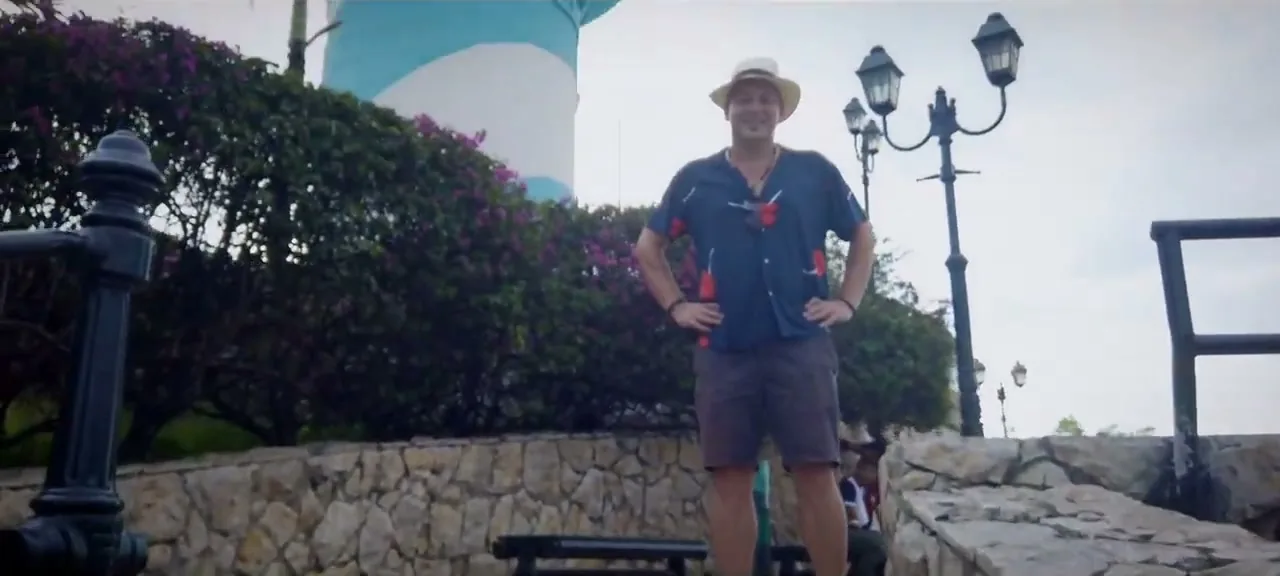
I started on the coast, in Guayaquil. It's hot, friendly and easy to underestimate — until you climb its most famous hill. The old riverside neighbourhood of Las Peñas is the city's oldest, and to reach the lighthouse at the top you climb 444 colourful steps past cafés and viewpoints. The reward is the whole city and the wide Guayas River laid out beneath you.
Guayaquil also gave me one of the show's happier miracles. The one Ecuadorian celebrity I'd heard of, tennis star Nicolás Lapentti (a former world top-10 player), turned out to be a friend of a friend — and within a day we were having lunch and hitting a few balls at his club. He became, in effect, the co-host of the episode, and the person who first made me understand how much country there was beyond the coast.
Barcelona SC: Football's Most Fanatical Fan Base
Here is a fact almost no one outside Ecuador knows: the country's most beloved football club is called Barcelona — Barcelona Sporting Club of Guayaquil — and it's said to have the most fans per capita of any club in the world. Roughly 70% of all Ecuadorians support it. The name isn't a coincidence with the Spanish giants; the club's founder, an immigrant from Spain, simply named it after his hometown a century ago.
I got to walk out onto the pitch of the enormous Estadio Monumental, meet the club president (himself a legendary former striker who once played alongside Maradona), and then watch a real match from a private suite — the kind that families here don't rent but own for life, having paid tens of thousands of dollars for the privilege. The devotion is genuinely hard to describe.

It is a passion that cannot be explained. Sometimes people love Barcelona more than they love Ecuador's national team.
The World's Best — That Nobody Credits
The more time I spent here, the more I realized Ecuador does several things better than almost anywhere on Earth — and takes credit for almost none of them. It's one of the world's top exporters of bananas and shrimp, grows some of the finest cacao (the "fine aroma" cocoa prized by chocolatiers), and is a giant in the global cut-rose trade, thanks to its high-altitude equatorial light.
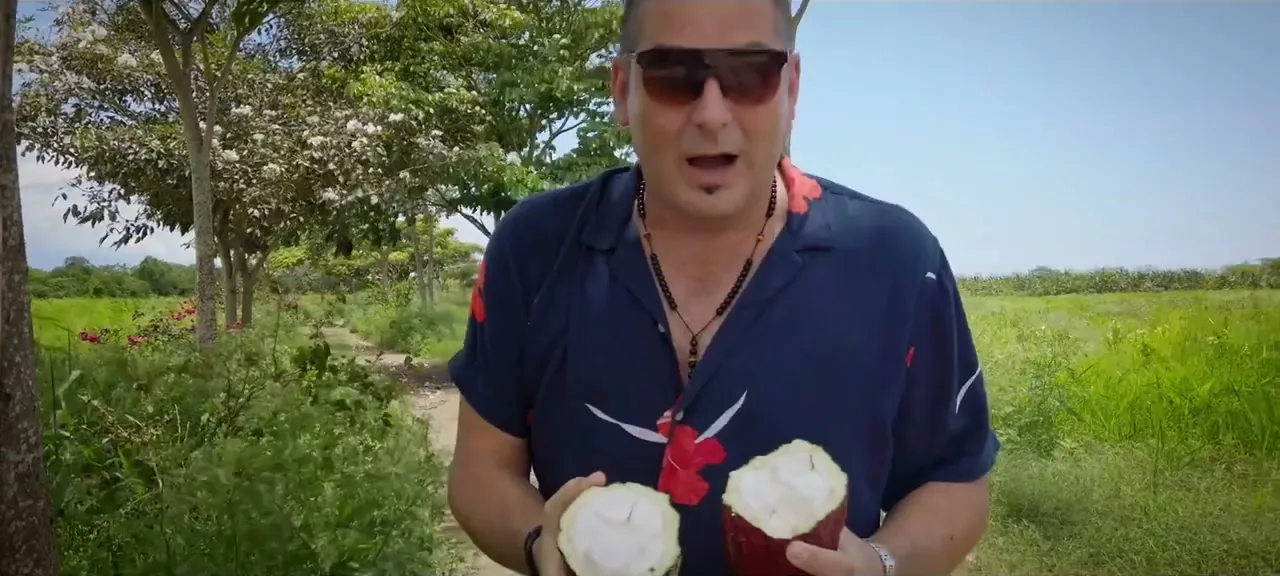
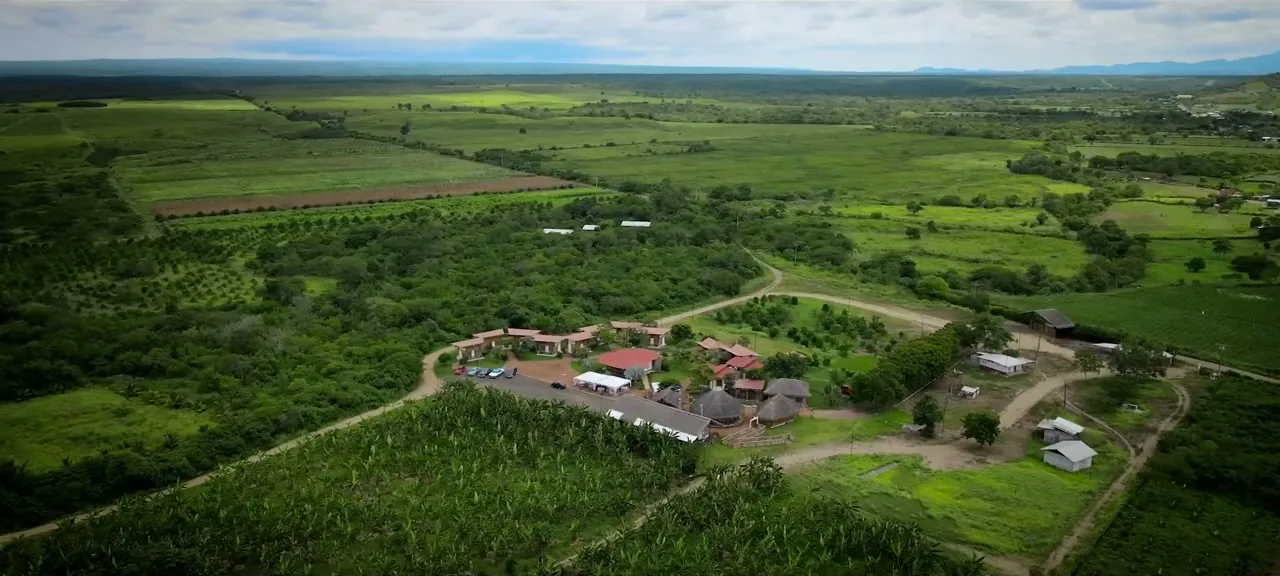
To see it, I visited a coffee-and-cocoa estate where the guide, an unforgettable character named Rucio, calls the tour "the Route of the Senses." I cracked open a fresh cocoa pod for the first time — and was stunned to find sweet, white, custardy pulp inside that tastes nothing like chocolate (more like a tropical fruit). The dark seeds buried in that pulp are what become cocoa. Right beside it grew coffee, its beans hidden inside little red "cherries."
The "Panama" Hat Is Actually Ecuadorian
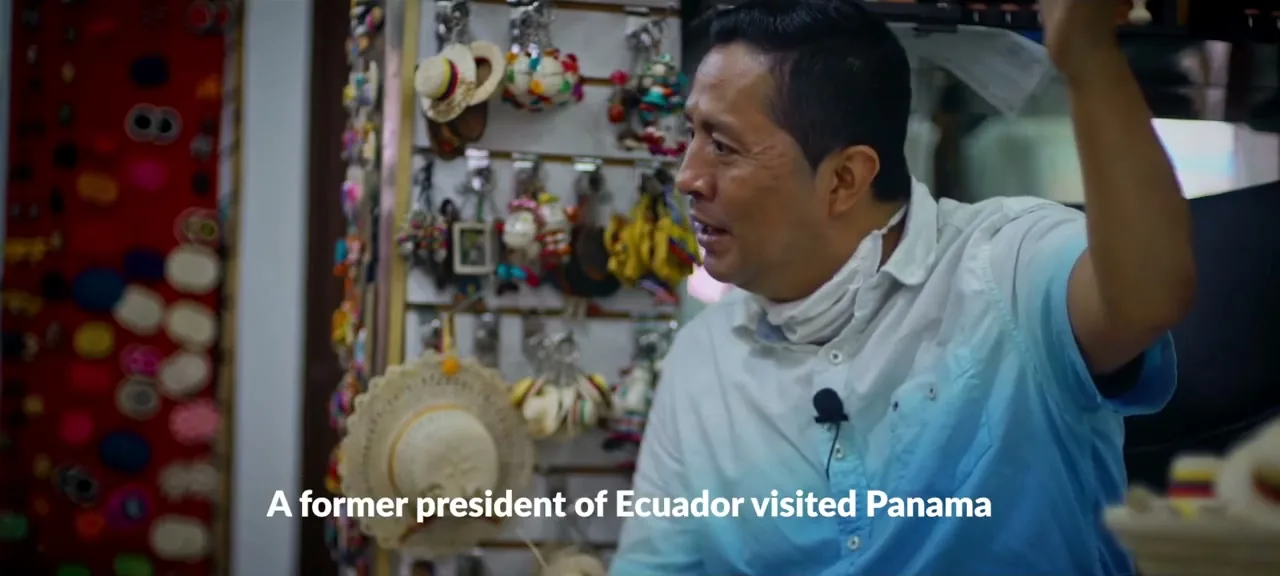
Of all Ecuador's uncredited exports, none stings the locals more than the hat. The world-famous "Panama hat" is not Panamanian at all — it's Ecuadorian. It's hand-woven from toquilla straw in coastal towns like Montecristi, a craft so refined that a single fine hat can take months to weave, and one that UNESCO added to its Intangible Cultural Heritage list in 2012.
So why the wrong name? Because in the early 20th century the hats were shipped to the world through Panama, and became famous on the heads of workers building the Panama Canal — the story I heard is that an Ecuadorian president gifted one to Panama's leader during that era, and the label stuck. Ecuadorians have been quietly annoyed about it ever since.
Baños: Adrenaline at the Door of the Amazon
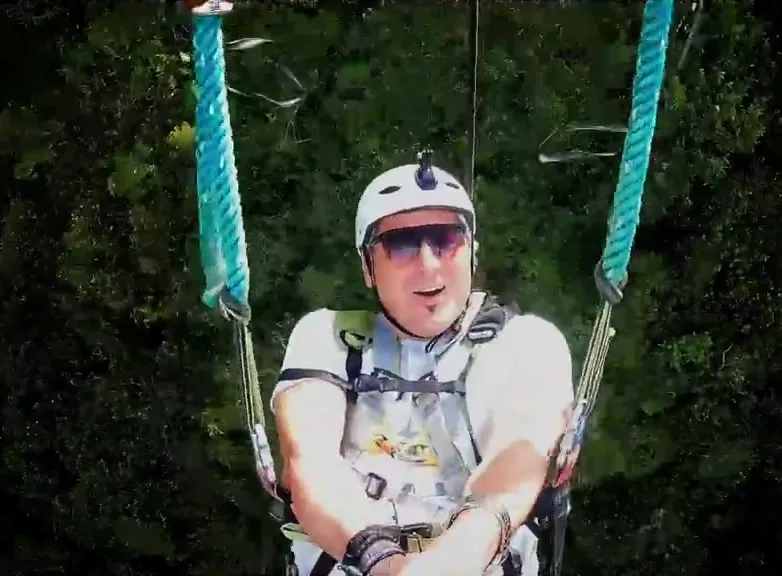
From the coast we climbed toward the mountains and the town of Baños — nicknamed the Pedacito de Cielo, "little piece of heaven" — which sits right at the doorway to the Amazon and runs on pure adrenaline. Its signature thrill is "The Beast," billed as the country's longest swing at over 60 metres: they strap you in at a cliff-edge platform and simply drop you into the void above the canyon. The first five seconds feel like falling out of an aeroplane.
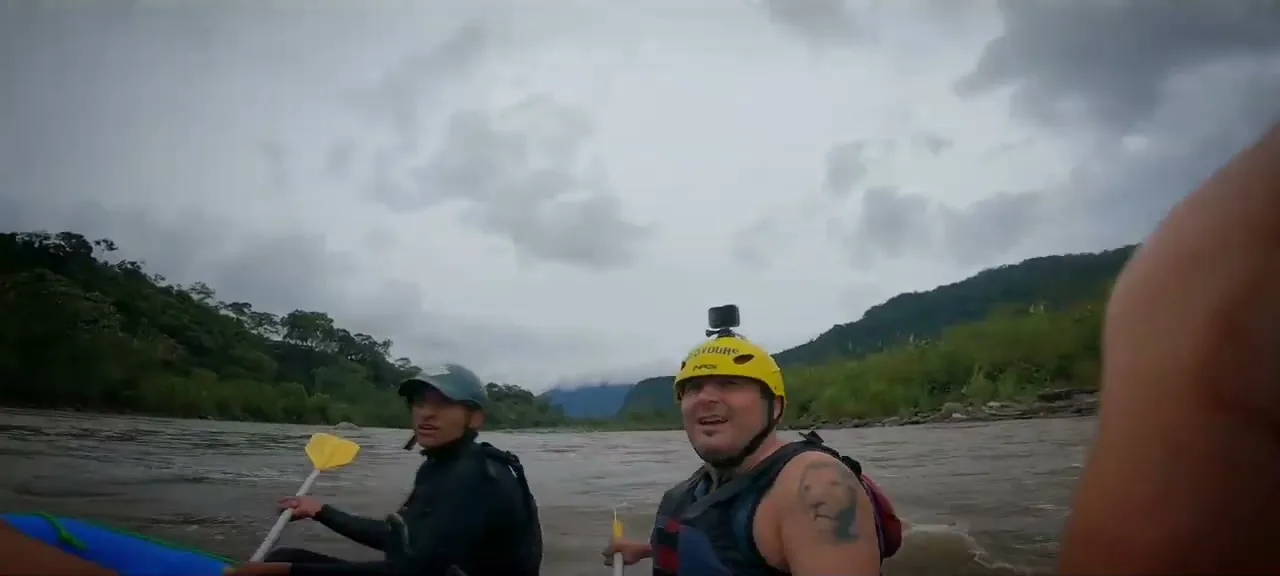
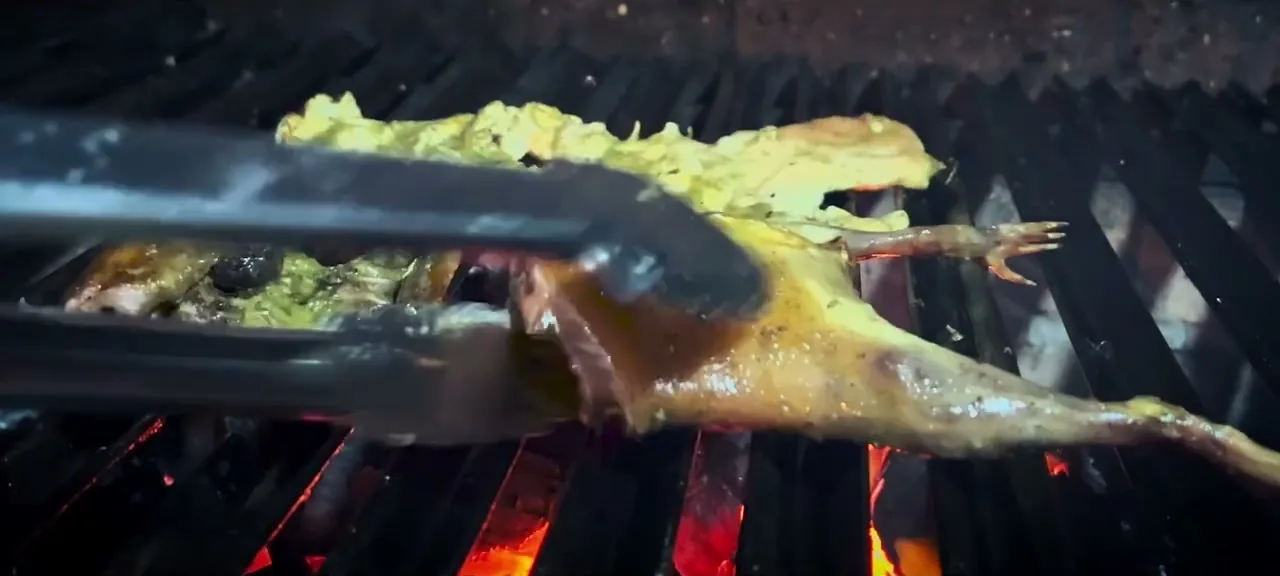
Then came white-water rafting on the Río Pastaza, a Class 3–4 river charging down from the Andes toward the jungle — at one point they had me ride the raft like a bull. And for our last night, we tried the region's most traditional dish: cuy, roasted guinea pig, cooked whole over coals for about 90 minutes. I won't pretend the presentation is for everyone, but the taste genuinely surprised me — somewhere between pork and rabbit, crisp-skinned and rich.
Quito and the Middle of the World
Ecuador's capital, Quito, is a marvel most travellers skip. Perched at about 2,850 metres, it's the world's second-highest capital (after La Paz), and its beautifully preserved colonial old town made it — together with the Galápagos — one of the very first UNESCO World Heritage Sites, back in 1978. Wander its churches and plazas and you're walking through the best-kept historic centre in the Americas.
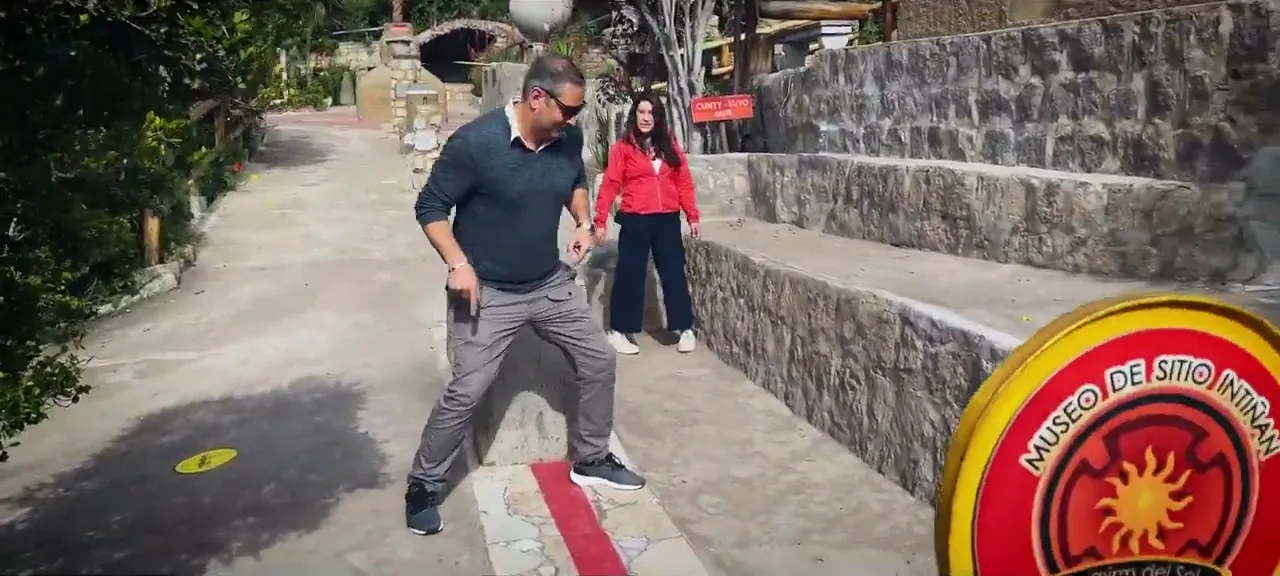
Just north of the city, the equator itself is the main event: the Mitad del Mundo ("Middle of the World") monument, where a painted line lets you stand with one foot in each hemisphere. It's fun — but I owe you the truth about the "science" shows there. Guides love to prove you're on the equator by draining water that spins one way to the north, the other to the south, and straight down on the line, and by balancing an egg that supposedly only balances here. These demonstrations are theatre, not physics. The Coriolis effect that shapes hurricanes is thousands of times too weak to steer a sink; the water tricks are staged, and you can balance an egg anywhere on Earth with a little patience.
Things That Surprised Me About Ecuador
- It's named after the equator — the only country that is.
- It squeezes four worlds (coast, Andes, Amazon, Galápagos) into a small border.
- It has used the US dollar since 2000.
- Quito was the world's first city UNESCO World Heritage Site (1978).
- The "Panama" hat is Ecuadorian, woven from toquilla straw in Montecristi.
- Barcelona SC of Guayaquil may have the most fans per capita of any club on Earth.
- Ecuador is a top global exporter of bananas, shrimp, fine cocoa and roses.
- Fresh cocoa pulp is white, sweet and tastes like fruit — nothing like chocolate.
- The equator water-draining demos are fake — the Coriolis effect is far too weak.
- You can balance an egg on a nail — anywhere, not just the equator.
- Mount Chimborazo is the farthest point on Earth from its center.
- Baños has a 60-metre cliff swing called "The Beast."
- Cuy (roasted guinea pig) is a genuine traditional dish — and tastes like pork-meets-rabbit.
- Ecuadorians are strangely modest about how much they do best in the world.
- From here, the dart pushed me on into the Amazon.
The Country That Undersells Itself
Ecuador is the rare place that's better than its own reputation — mostly because it barely bothers to have one. It grows the world's best chocolate and won't say so; it invented the Panama hat and let another country take the name; it hides four ecosystems and a wall of active volcanoes inside a border you could drive across in a day. Every conversation I had here ended with a local shrugging, "yeah, we're kind of amazing, but nobody knows."
What made it unforgettable, though, wasn't the records or the equator tricks — it was the people, from Nicolás to Rucio to the friends who threw me off a cliff and laughed. When the dart's story moved me onward, it went straight into the Amazon jungle, where things got genuinely wild. But Ecuador, quietly, became one of my favourites.
Explore More Travel by Dart Journeys
- Where this leg began: my Galápagos episode — Ecuador's islands.
- Where the dart took me next: deep into the Amazon Jungle.
- More Latin-American surprises in Costa Rica and Colombia.
- Or the country that quietly tops the region: Uruguay.
Suggested Sources & Further Reading
To go deeper into Ecuador, these are some of the best authoritative resources:
- Ecuador Travel — the official tourism site of Ecuador.
- UNESCO World Heritage Centre — City of Quito — the listing for one of the world's first heritage cities.
- NOAA — the highest point on Earth (Chimborazo) — why Chimborazo, not Everest, is farthest from the core.
- Library of Congress — does water drain differently by hemisphere? — the Coriolis myth, debunked.
- Encyclopædia Britannica — Ecuador — an authoritative overview.
All facts verified July 2026.
Ecuador: traveler questions
Why is Ecuador called Ecuador?+
Because the equator (in Spanish, 'ecuador') runs right through it. Ecuador is the only country named directly after the equator, and just north of Quito you can stand with one foot in each hemisphere at the Mitad del Mundo ('Middle of the World') monument.
Is the Panama hat really from Ecuador?+
Yes. The famous 'Panama hat' is Ecuadorian — hand-woven from toquilla straw in towns like Montecristi, and recognized by UNESCO as Intangible Cultural Heritage in 2012. It got its misleading name because the hats were shipped through Panama and worn by workers (and a U.S. president) during the building of the Panama Canal.
What are the four regions of Ecuador?+
Despite being one of South America's smallest countries, Ecuador packs in four distinct worlds: the Pacific coast (Costa), the Andes mountains (Sierra), the Amazon rainforest (Oriente), and the Galápagos Islands. You can go from beach to high volcano to jungle in a single day's drive.
Do the equator 'physics' demonstrations actually work?+
Not really. The popular tricks at equator monuments — water spinning one way in the north, the other in the south, and straight down on the line — are entertaining but not real science. The Coriolis effect that steers hurricanes is far too weak to affect a sink or basin; those demos are staged. Balancing an egg 'only on the equator' is also a trick — you can do it anywhere with patience.
What's the highest point in Ecuador — and a surprising world record it holds?+
Mount Chimborazo, an inactive volcano, is Ecuador's highest peak at about 6,263 m. Because the Earth bulges at the equator, Chimborazo's summit is the farthest point from the center of the Earth — even farther than Mount Everest — making it the closest point on the planet to outer space.
What money does Ecuador use, and where's the capital?+
Ecuador has used the U.S. dollar as its official currency since 2000. Its capital is Quito, high in the Andes at about 2,850 m (the world's second-highest capital), while the largest city is the Pacific port of Guayaquil.