Season 1 · Episode 4
Portugal
The oldest country in Europe — explorers, trams, salt cod, sour-cherry liqueur and the sound of saudade. From someone who threw a dart at the map and actually went.
On this page ▾
By Sorin Mihailovici · Travel by Dart · Last updated July 2026 · ~16 min read
The oldest country in Europe was never on my itinerary — because I don't keep one. My previous destination had been decided by a dart flung, of all places, from a spa cave beneath a hotel in Bermuda; after a couple of embarrassing misses it finally stuck on the Atlantic edge of the map. "It's a new country. I think I'm going to Portugal." I knew exactly one word of the language — obrigado — and I was pumped.
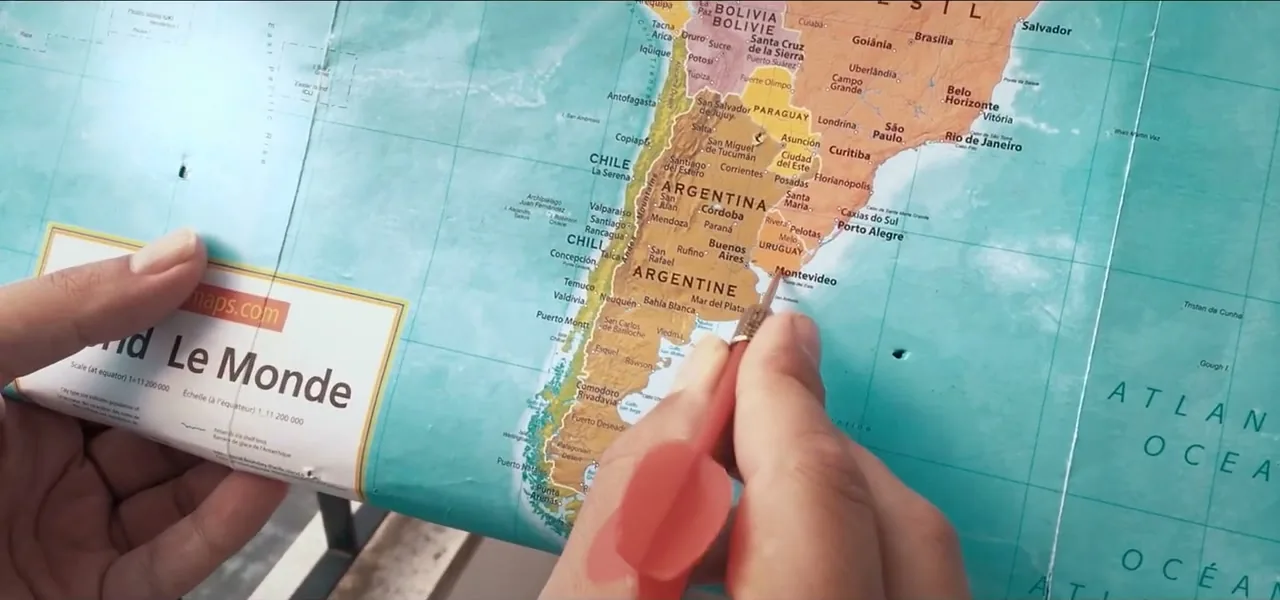
This time I skipped the hotel and rented a trendy apartment in the middle of Lisbon — partly for the location, partly because I wanted a balcony to throw my next dart from at the end of the trip. What follows isn't a travel diary; it's the fact-checked guide I wish I'd had before I arrived: the history that makes Portugal the oldest country in Europe, the explorers who changed the world, and the food, music and cities that make it unforgettable. My next dart would send me across the Atlantic to Uruguay — but Portugal earned every second first.
Quick facts: Portugal at a glance
- Official name
- Portuguese Republic
- Capital
- Lisbon (Lisboa)
- Population
- ~10.3 million
- Kingdom founded
- 1139 (republic since 1910)
- Language
- Portuguese (official in 9 countries)
- Currency
- Euro (€)
- Famous for
- Explorers, Fado, port wine, bacalhau, cork
- UNESCO World Heritage Sites
- 17
- Best time to visit
- Apr–Jun & Sep–Oct
The Oldest Country in Europe
Here's the fact that reframes everything about Portugal: it is Europe's oldest nation-state. It became an independent kingdom in 1139 under Afonso Henriques, recognized by treaty in 1143, and — remarkably — its mainland borders have barely moved since the Treaty of Alcanices in 1297, making them among the oldest continuous frontiers on Earth. It stayed a monarchy for nearly 800 years, until a 1910 revolution turned it into a republic.
Its capital is just as ancient. Lisbon has been inhabited for roughly 3,000 years — its Phoenician roots predate Rome itself — and it's often called the second-oldest capital in Europe, after Athens. Walking its hills, you feel the layers: Moorish castle, medieval alleys, an 18th-century grid rebuilt after a catastrophic earthquake, and a modern waterfront.
By the numbers: Portugal
- Kingdom founded
- 1139
- Borders essentially fixed since
- 1297
- Became a republic
- 1910
- Lisbon continuously inhabited
- ~3,000 years
- Countries with Portuguese as official language
- 9
- Portuguese speakers worldwide
- ~260 million
- UNESCO World Heritage Sites
- 17
- Share of the world's cork produced here
- ~50% (world's #1)
A Nation of Explorers Who Redrew the World
For a country of its size, Portugal's fingerprints are all over the globe — because in the 15th and 16th centuries it launched the Age of Discovery. Backed by Prince Henry the Navigator's school of seamanship, Portuguese ships pushed down the coast of Africa and out into the unknown. Vasco da Gama became the first European to reach India by sea in 1498; Ferdinand Magellan, also Portuguese, planned the first circumnavigation of the globe. In 1494 the Treaty of Tordesillas literally split the unexplored world between Portugal and Spain along a line on a map.
The legacy is a language spoken by roughly 260 million people and official in nine countries across four continents — from Brazil to Cape Verde, Angola, Mozambique and beyond. Not bad for a nation you can drive across in an afternoon.
Not too many people know this — but Portugal is the oldest country in Europe. And as a result, it's no surprise that some of the most famous early explorers, like Vasco da Gama and Ferdinand Magellan, were Portuguese.
Lisbon: Belém, Sintra and a Castle in the Sky
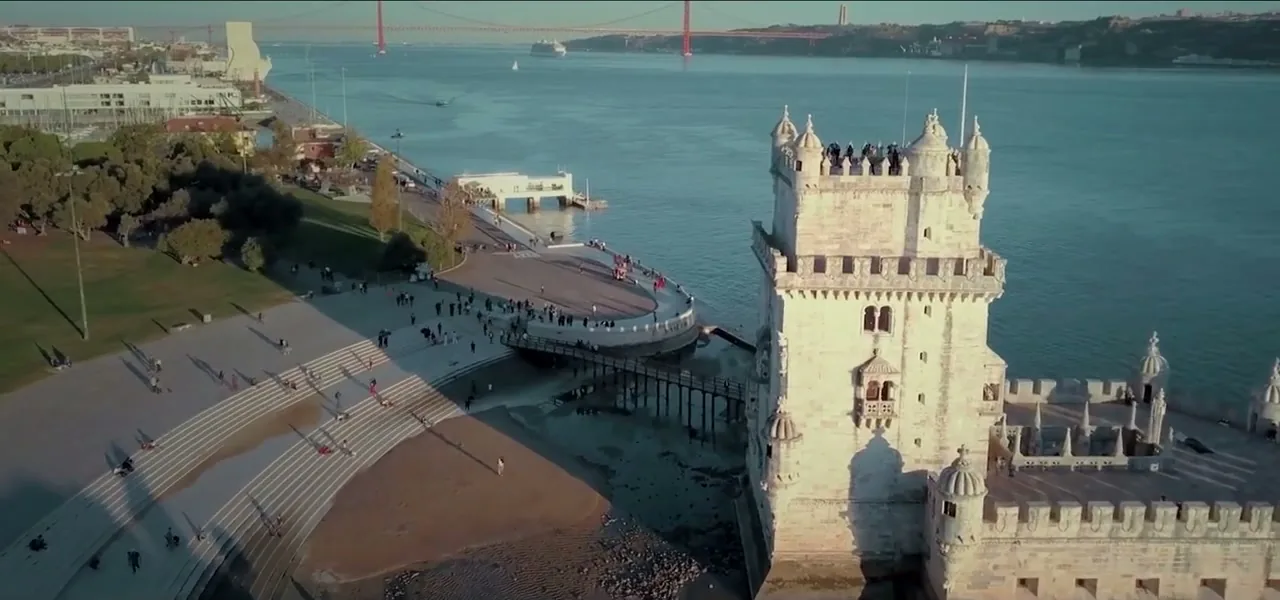
Lisbon wears its explorer past on its waterfront. In the riverside district of Belém stands the Belém Tower, a jewel-box fortress built in the early 1500s as the ceremonial gateway for ships leaving for the New World — today a UNESCO World Heritage Site alongside the nearby Jerónimos Monastery.
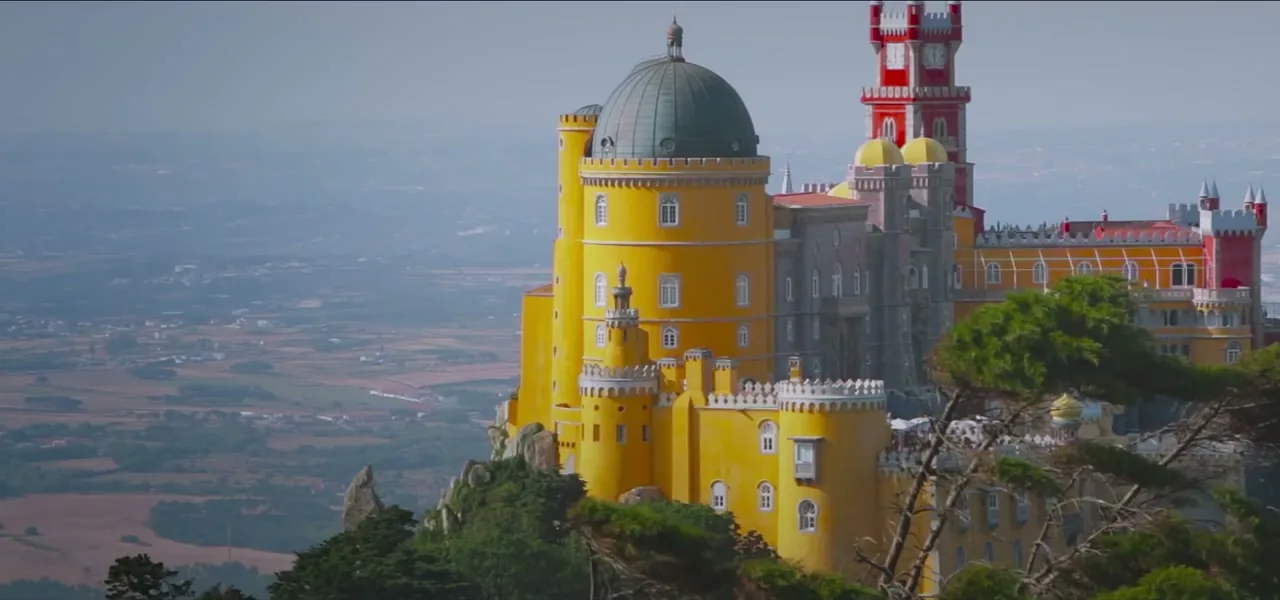
A short trip away, in the hills of Sintra, sits one of the most photographed buildings in Portugal: the Pena Palace, a riot of red, yellow and tile that's considered one of the world's great expressions of 19th-century Romanticism (and, again, UNESCO-listed).
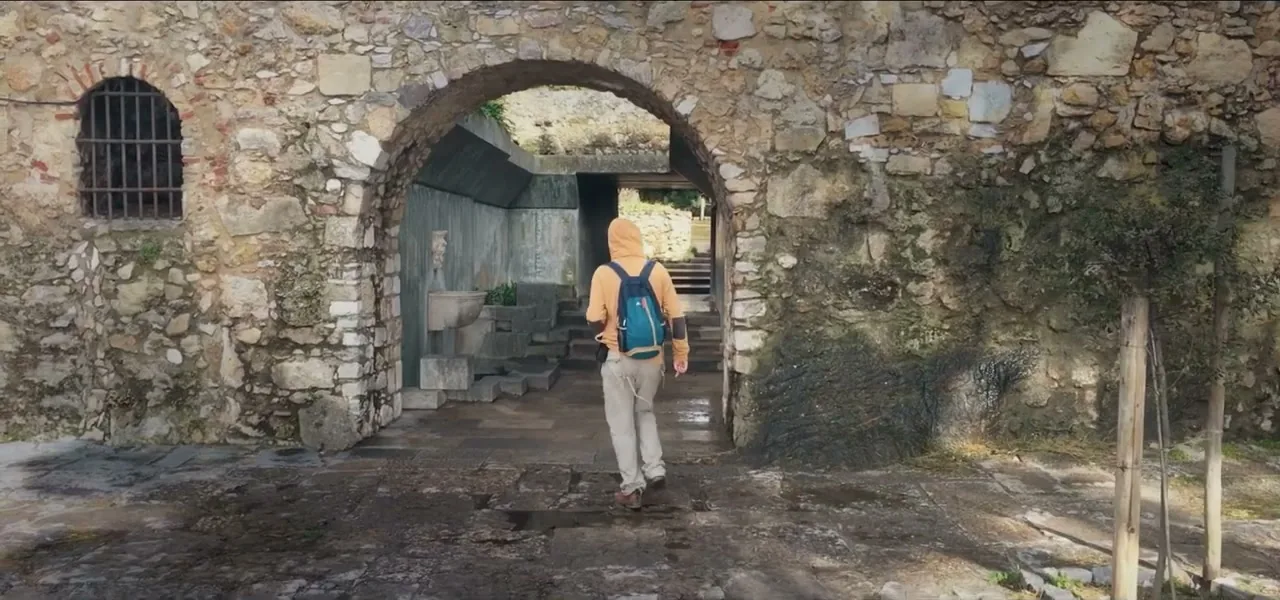
But my favourite was Castelo de São Jorge, the Moorish castle crowning central Lisbon. Since the 12th century it's been a royal palace, a military barracks, and the home of the national archive; today it's a museum with the best view in the city — and a resident flock of peacocks strutting the ramparts.
Riding Tram 28
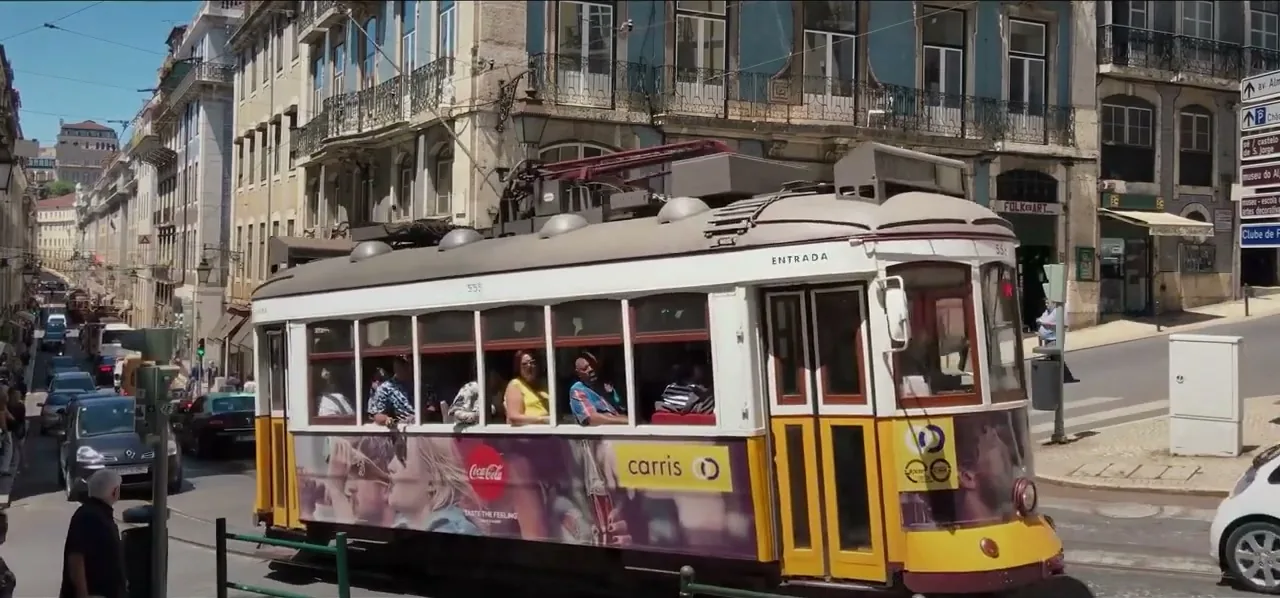
You cannot talk about Lisbon without the trams. The star is Tram 28, a vintage wooden streetcar that grinds up and down the city's steepest hills and past its greatest sights — which is why tourists treat it as the cheapest sightseeing tour in town. Carris, the operator, has run electric trams here since 1901; the cars you ride today were built between 1936–47 and 1995–96.
A word of advice I picked up from locals: Tram 28 is public transport first and an attraction second. Ride it early (7–8 a.m., there's one every ten minutes), and remember that residents depend on it daily. A 24-hour pass for all of Lisbon's public transport costs around €6 — far better value than buying tickets onboard.
Feats of Engineering: The Bridge and the Ocean
Portugal isn't all old stone. Spanning the Tagus is the Vasco da Gama Bridge — at 17.2 km, the longest bridge in the European Union (and the longest in all of Europe when it opened). It was inaugurated in March 1998 for the Expo '98 world's fair, marking 500 years since Vasco da Gama reached India; it took 3,300 workers about 18 months to build, and it's so long that on cloudy days you genuinely can't see the far end.
That same Expo left Lisbon another gem: the Oceanário de Lisboa, an aquarium shaped like an aircraft carrier moored in an artificial lagoon, and one of Europe's largest (often billed as its largest indoor aquarium). Around a million people a year come to see its ~16,000 animals across 450 species, circling a central tank of 1.3 million gallons. It's one of the few aquariums on Earth that keeps a sunfish — a strange, disc-shaped giant — and I fell hard for the sea otters.
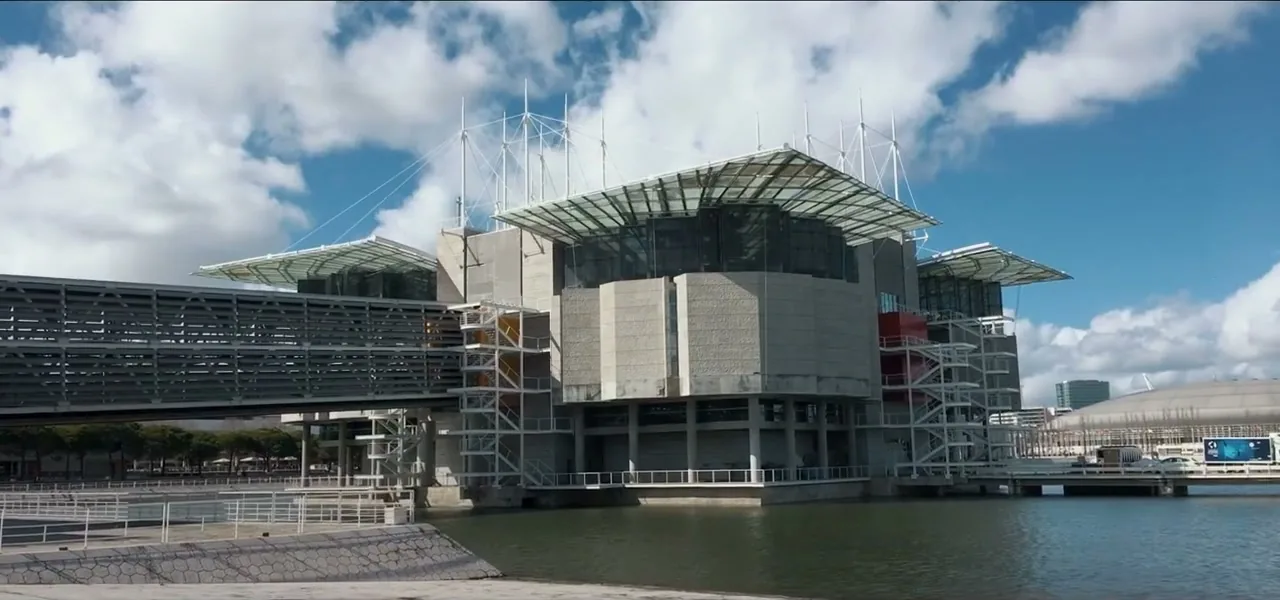
Expo '98 legacy, by the numbers
Bacalhau, Pastéis de Nata and Ginjinha
Portuguese food is Atlantic soul food, and it starts with bacalhau — dried, salted cod. It seems odd for a country with fresh fish everywhere, but salting cod was how the explorers preserved protein for long voyages, and it stuck: Portugal is said to have more than 365 ways to cook cod, one for every day of the year. Order it, and you'll also want the country's other icons — pastéis de nata, the caramelized custard tarts first baked by monks at Lisbon's Jerónimos Monastery, and a glass of port wine from the Douro Valley, the world's oldest demarcated wine region.
The drink I couldn't stop thinking about, though, was ginjinha — a sour-cherry liqueur. My friend Gonçalo walked me through the ritual at his home: cherries, sugar, cloves and cinnamon left in the sun for weeks, then vodka and red wine, then months of patience. The best part is how it's served: in a tiny edible chocolate cup. You sip the liqueur, then eat the cup, the sweetness playing off the sour cherry.
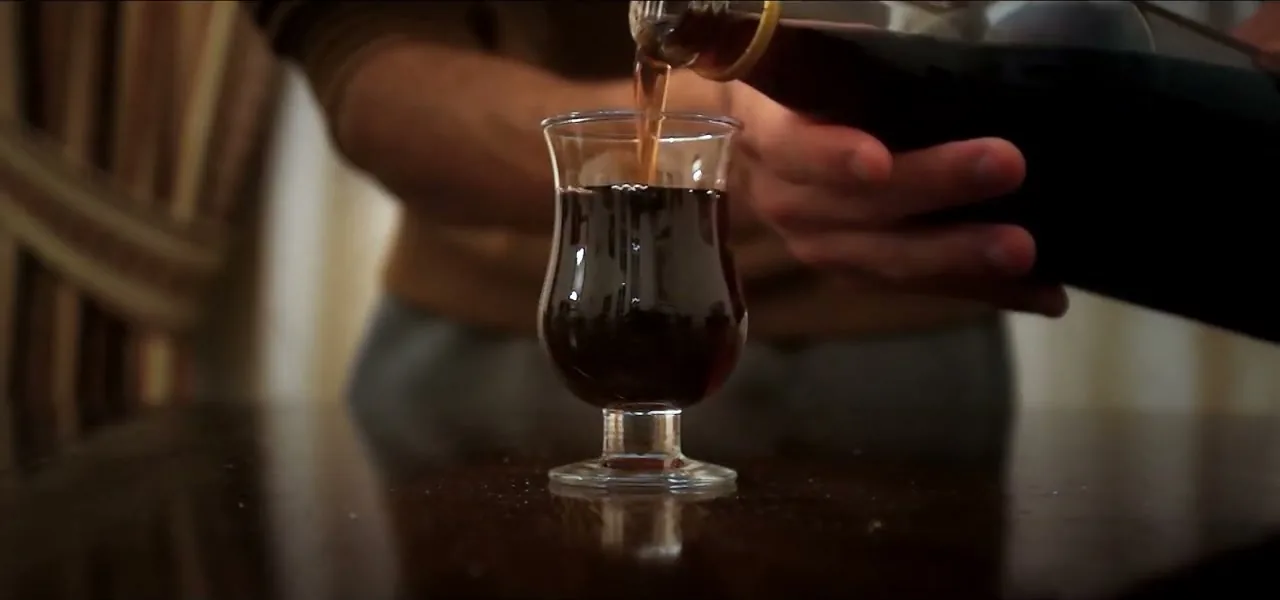
You pick about a kilogram of cherries into a ceramic jar, add sugar, cloves and cinnamon, and leave it in the sunlight for two or three weeks. Then you add vodka and Portuguese red wine, close it, and let it mature for months. Then — saúde, to all the Travel by Dart viewers.
Fado: The Sound of Saudade
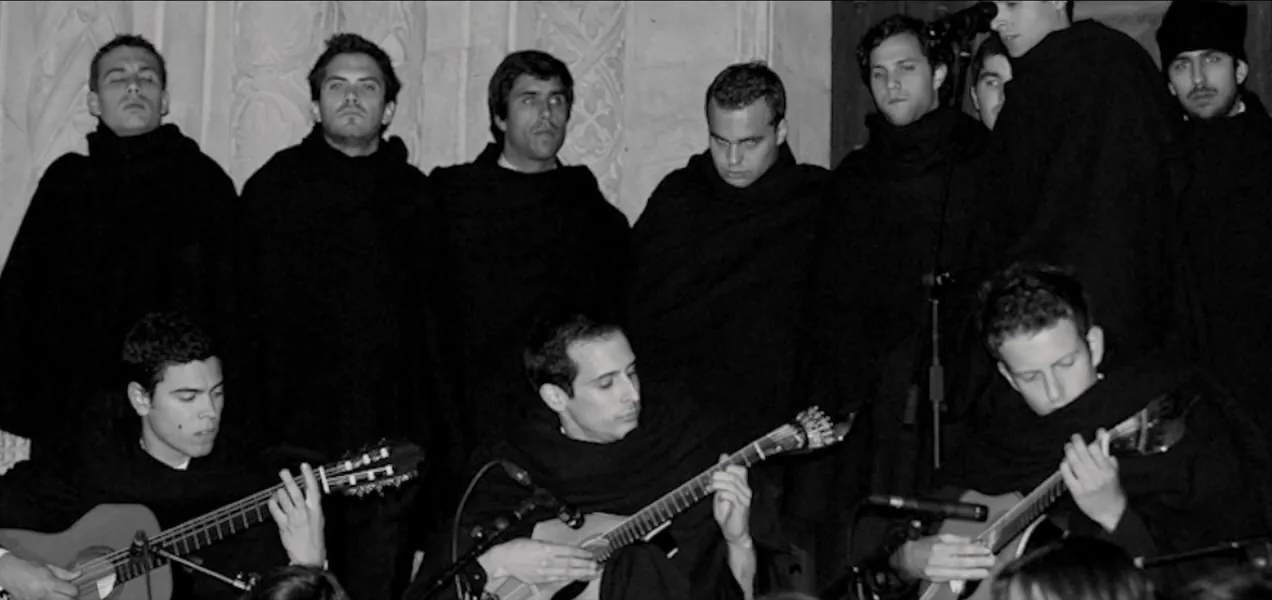
If Portugal has a soundtrack, it's Fado. On narrow streets at night, behind thick old walls, a singer pours out slow, melancholic songs of love, loss and longing over the pear-shaped Portuguese guitar. The word comes from the Latin fatum — fate — and the feeling at its heart is saudade, a bittersweet yearning for something absent that doesn't quite translate into English. In 2011, UNESCO added Fado to its list of the Intangible Cultural Heritage of Humanity.
Fado isn't confined to the stage, either. Portuguese speech is full of oxalá — "hopefully," or "if only" — a word that, fittingly for this seafaring, Moorish-influenced nation, comes from the Arabic inshallah. As someone with Latino blood, I understood the mood instantly: the sense that fate is bigger than you, and the beauty is in feeling it fully.
Beyond Lisbon: Porto, Madeira and Fátima
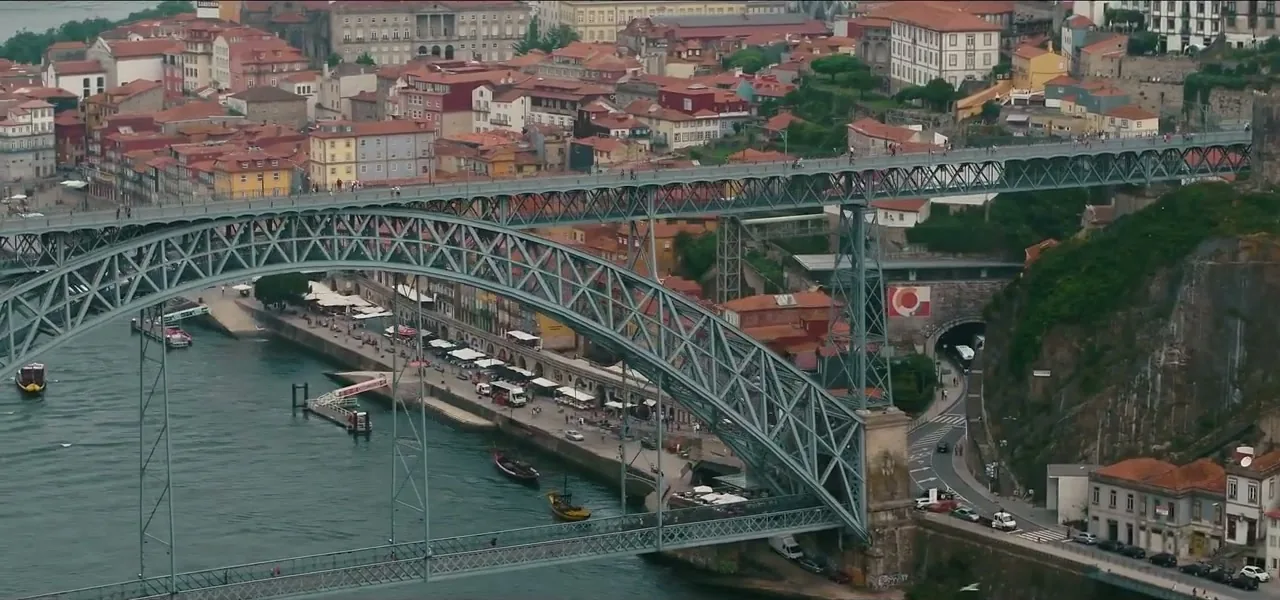
It would be unfair to reduce Portugal to Lisbon. In the north, Porto — the "City of Bridges" — gave port wine its name and stacks its UNESCO-listed old town up the banks of the Douro. Its landmark is the double-deck Dom Luís I Bridge, an iron marvel opened in 1886 and designed by a partner of Gustave Eiffel; trains cross the top deck, cars and pedestrians the bottom.
Out in the Atlantic lies Madeira, a lush volcanic archipelago closer to Africa than to Lisbon, famous as the birthplace of soccer superstar Cristiano Ronaldo (and for an airport where crosswinds routinely send planes back to the mainland). And inland sits the Sanctuary of Fátima, one of the most important Catholic pilgrimage sites in the world.
Things That Surprised Me About Portugal
- Portugal is the oldest nation-state in Europe — a kingdom since 1139.
- Its borders have barely changed since 1297.
- Lisbon is older than Rome, and the second-oldest capital in Europe after Athens.
- Portuguese is an official language in nine countries and spoken by ~260 million people.
- Portugal produces about half the world's cork.
- It holds the record for the shortest-reigning monarch — 20 minutes.
- The Vasco da Gama Bridge is the longest in the European Union.
- There are said to be more than 365 ways to cook bacalhau (salt cod).
- Ginjinha is served in an edible chocolate cup.
- Pastéis de nata were invented by monks in Belém.
- Fado is UNESCO-protected, and saudade may be untranslatable.
- The word oxalá ("hopefully") comes from Arabic inshallah.
- Cristiano Ronaldo was born on the island of Madeira.
- Modern democracy arrived via the Carnation Revolution of 1974.
- The Oceanário keeps one of the world's few captive sunfish.
The Country That Charms You Slowly
I came to Portugal knowing almost nothing and left a little in love. It doesn't overwhelm you the way a bigger country might — it charms you slowly, through a tram ride, a glass of ginjinha, a Fado singer you weren't expecting, a castle full of peacocks, and the quiet realization that this small nation on the edge of Europe once reached the whole world.
That's the gift of the dart: it drops you somewhere you'd never have booked, and you leave understanding it. From a Lisbon balcony, my next throw skittered across the map and stuck on South America — a tiny country I knew almost nothing about called Uruguay. But Portugal, the oldest country in Europe, gave me one of the show's warmest surprises.
Explore More Travel by Dart Journeys
- Go back one dart to my Bermuda episode — the cave where this throw happened.
- See where the dart sent me next: Uruguay.
- Follow the Portuguese language across the ocean to Brazil and Cape Verde.
- Or return to Romania, the country where my own journey began.
Suggested Sources & Further Reading
To go deeper into Portugal, these are some of the best authoritative resources:
- Visit Portugal — the official tourism site of Portugal, with destinations and trip planning.
- UNESCO World Heritage Centre — Portugal — Belém Tower, Sintra, Porto and the country's other World Heritage Sites.
- UNESCO — Fado — the Intangible Cultural Heritage listing for Portugal's music.
- Encyclopædia Britannica — Portugal — an authoritative overview of history, geography and culture.
- Oceanário de Lisboa — the official site of Lisbon's aquarium.
- Guinness World Records — shortest reign — the record held by Luís Filipe.
All facts verified July 2026.
Portugal: traveler questions
Is Portugal really the oldest country in Europe?+
Portugal is widely considered Europe's oldest nation-state. It became an independent kingdom in 1139 (recognized by the Treaty of Zamora in 1143), and its mainland borders have barely changed since the Treaty of Alcanices in 1297 — among the oldest fixed borders in the world. It remained a monarchy until becoming a republic in 1910.
Why is Lisbon considered so old?+
Lisbon has been continuously inhabited for roughly three thousand years, with Phoenician origins that predate Rome. It's often called the second-oldest capital city in Europe, after Athens.
What is Fado?+
Fado is Portugal's traditional urban song — melancholic music about love, loss, longing and fate, usually accompanied by the pear-shaped Portuguese guitar. The word comes from the Latin 'fatum' (fate), and it expresses saudade, a bittersweet yearning. UNESCO added Fado to its Intangible Cultural Heritage list in 2011.
What is bacalhau, and why is it Portugal's national dish?+
Bacalhau is dried and salted cod, the cornerstone of Portuguese cuisine since the Age of Discovery, when salting preserved fish for long sea voyages. Portugal is said to have more than 365 ways to cook it — one for every day of the year.
What is ginjinha?+
Ginjinha (or ginja) is a Portuguese liqueur made by infusing sour Morello cherries in alcohol with sugar, cinnamon and cloves for months. It's traditionally served in a small edible chocolate cup: you drink the liqueur, then eat the cup.
What's the best time to visit Portugal, and what should I see beyond Lisbon?+
Spring (April–June) and early autumn (September–October) offer warm weather and thinner crowds. Beyond Lisbon, don't miss Sintra's palaces, the tram-woven capital itself, Porto and the Douro Valley wine region, and the island of Madeira — the birthplace of Cristiano Ronaldo.