Season 7 · Episode 7
Brunei
One of the richest, quietest and most misunderstood countries on Earth.
On this page ▾
By Sorin Mihailovici · Travel by Dart · Last updated November 2026 · ~17 min read
Some countries work hard to be liked. Brunei isn't one of them. It has one of the highest GDPs per capita on the planet, its people pay no income tax, and it spends exactly zero effort chasing visitors. It doesn't sell itself. It doesn't advertise. It doesn't care whether you come. And that, I'd learn over a few strange and beautiful days, is the whole point of the place.
How a Dart Sent Me to Brunei
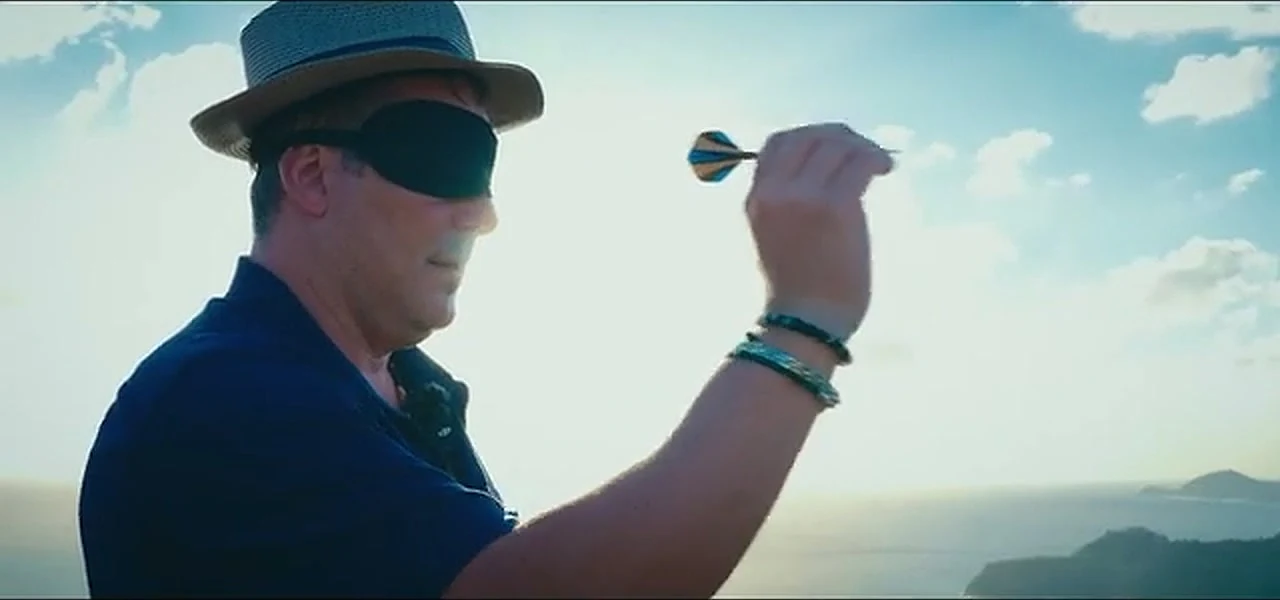
I didn't plan this. While I was exploring the Caribbean islands of Antigua and Barbuda, I threw a dart, blindfolded, at the world map — and the point came down on the far side of the planet, right between the Philippines and Brunei. So I decided to do both. I had almost no expectations and barely knew what waited here, and honestly, that turned out to be the most unsettling part: Brunei is a place most of us can't picture at all.
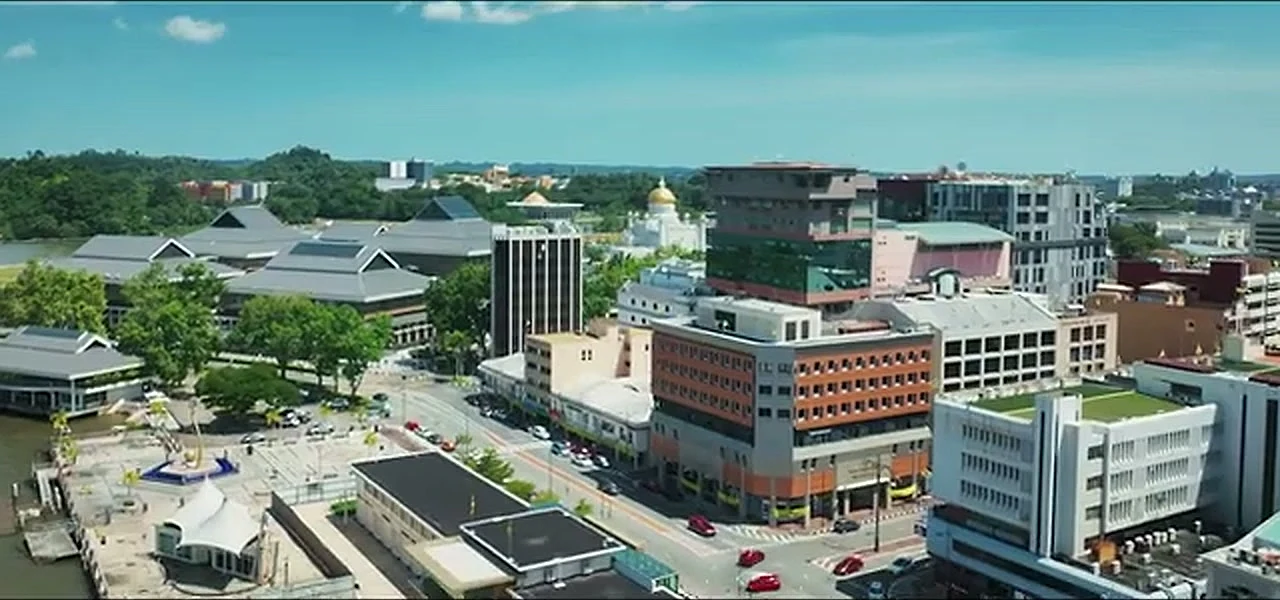
The capital is Bandar Seri Begawan, a tidy, low-rise city of only about 100,000 people. Small population, colossal wealth — a combination that almost never ends quietly anywhere else on Earth. Here, somehow, it does.
Quick facts: Brunei at a glance
- Where
- Northern Borneo, Southeast Asia
- Capital
- Bandar Seri Begawan (~100,000)
- Population
- ~460,000
- Ruler
- Sultan Hassanal Bolkiah, the 29th sultan
- Wealth
- Oil & gas · no income tax
- Religion & law
- Islam · Sharia law · no alcohol
- The dart came from
- Antigua & Barbuda
The Largest Residential Palace on Earth
If you want to understand Brunei's relationship with its wealth, start at the Istana Nurul Iman, the Sultan's official residence — and the largest residential palace in the world. The numbers barely sound real: around 1,788 rooms, space for 5,000 people, and roughly 200,000 square metres of floor area. It's bigger than the Vatican. It's bigger than Buckingham Palace. And it is the private home of one man, Sultan Hassanal Bolkiah, who also reportedly keeps a collection of over 7,000 luxury cars.
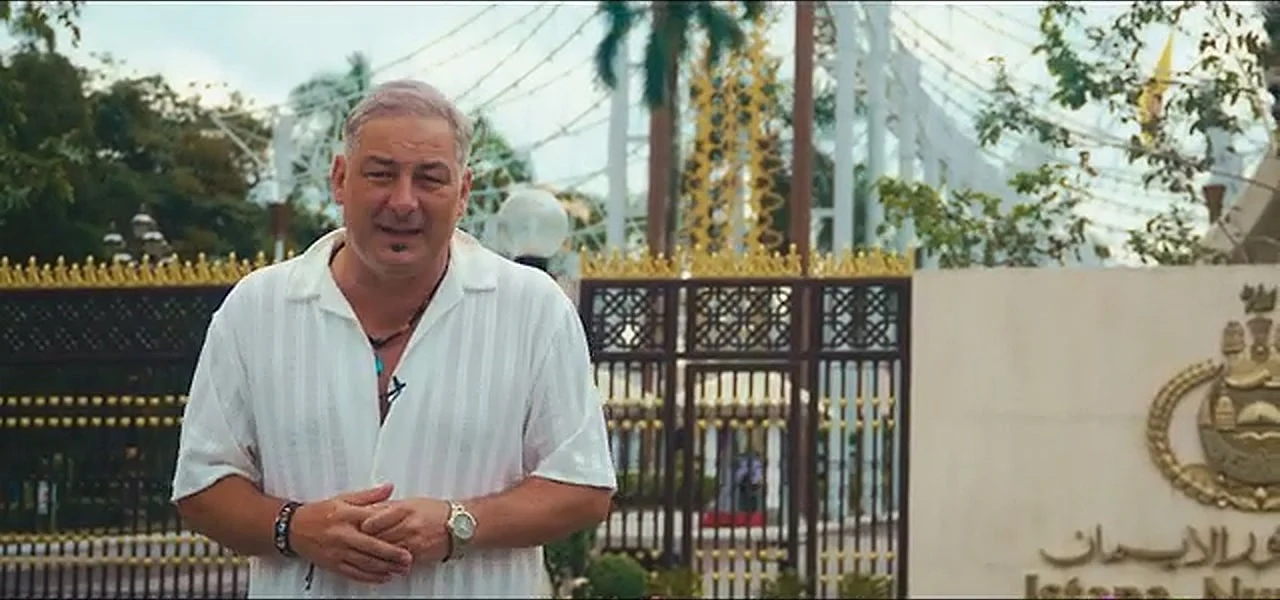
Here's the part that surprised me most. This kind of display would, almost anywhere, create distance, resentment, anger. In Brunei it doesn't. People genuinely seem to like their sultan — they'll tell you he's a bit of a cool guy, that even in his later years he kayaks and bikes and plays sport. He is the 29th Sultan of Brunei and has reigned since 1967, which makes him one of the longest-serving monarchs alive. Brunei is an absolute monarchy: one man holds full executive power. That single fact is enough to end most conversations in the West — and yet here, it doesn't. It's one of the quietest countries on the planet.
A Six-Century Sultanate, Floated on Oil
To make sense of the calm, you have to know the history. Brunei is not a new country playing at grandeur; it's the fragment of an old empire. At its height centuries ago, the Bruneian Empire controlled much of the island of Borneo and reached into what is now the Philippines, and the current sultan sits at the end of a royal line that runs back some six hundred years — one of the oldest continuously ruling dynasties on Earth. Brunei spent decades as a British protectorate, from 1888, and only became fully independent on 1 January 1984. In a region of revolutions and coups, this one thread of monarchy simply never broke.
What keeps it unbroken is underneath the ground. In 1929, oil was struck at Seria, on the coast, and it changed everything. Today oil and gas account for the overwhelming majority of Brunei's economy and exports, and that wealth is funnelled back to citizens as one of the world's most generous welfare states: no income tax, subsidised housing, free or near-free healthcare and education, cheap fuel, state pensions. The guiding national philosophy, Melayu Islam Beraja — "Malay Islamic Monarchy" — fuses ethnicity, faith and the crown into a single idea of what Brunei is. Put the oil wealth, the deep religion and the six-century throne together, and the quiet starts to make sense: most people here feel genuinely looked after, and that buys a kind of loyalty money alone never could.
Two Mosques, and the Genius of Soft Power
Brunei's wealth doesn't only sit behind palace walls; it rises into the sky as architecture. The Jame'Asr Hassanil Bolkiah Mosque is the largest and most majestic in the country, built in 1992 to mark the Sultan's 25th anniversary on the throne. It holds 5,000 worshippers, and look closely and you'll count 29 golden domes — one for each sultan in Brunei's line, because this is the 29th. Religion here isn't separate from leadership. It quietly supports it.
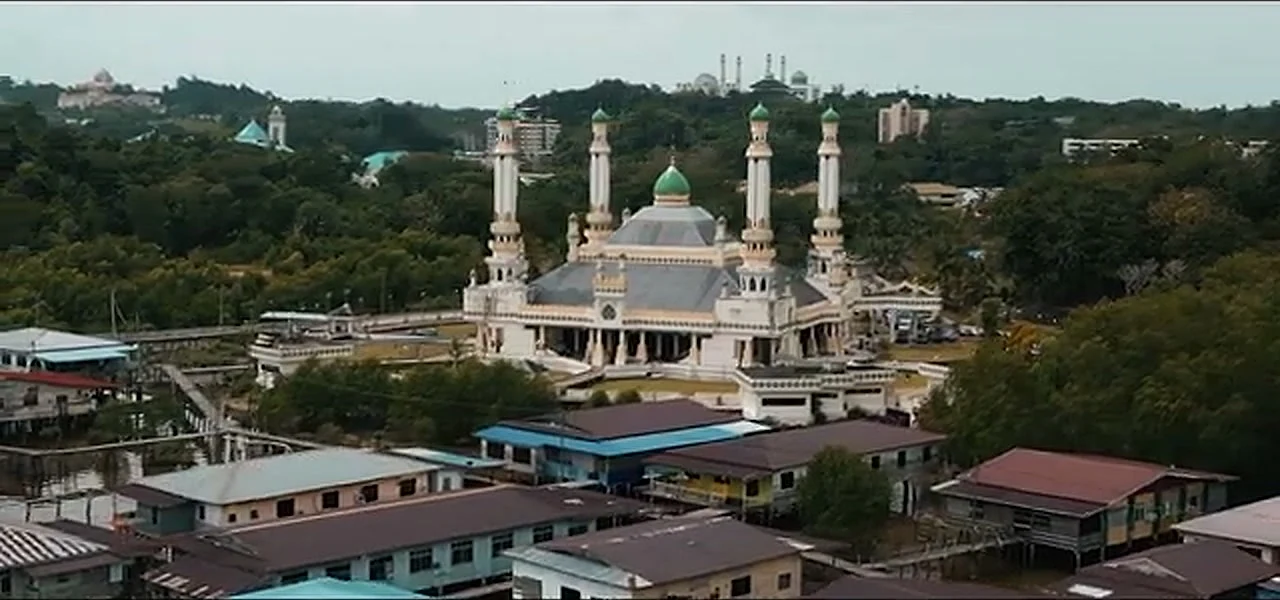
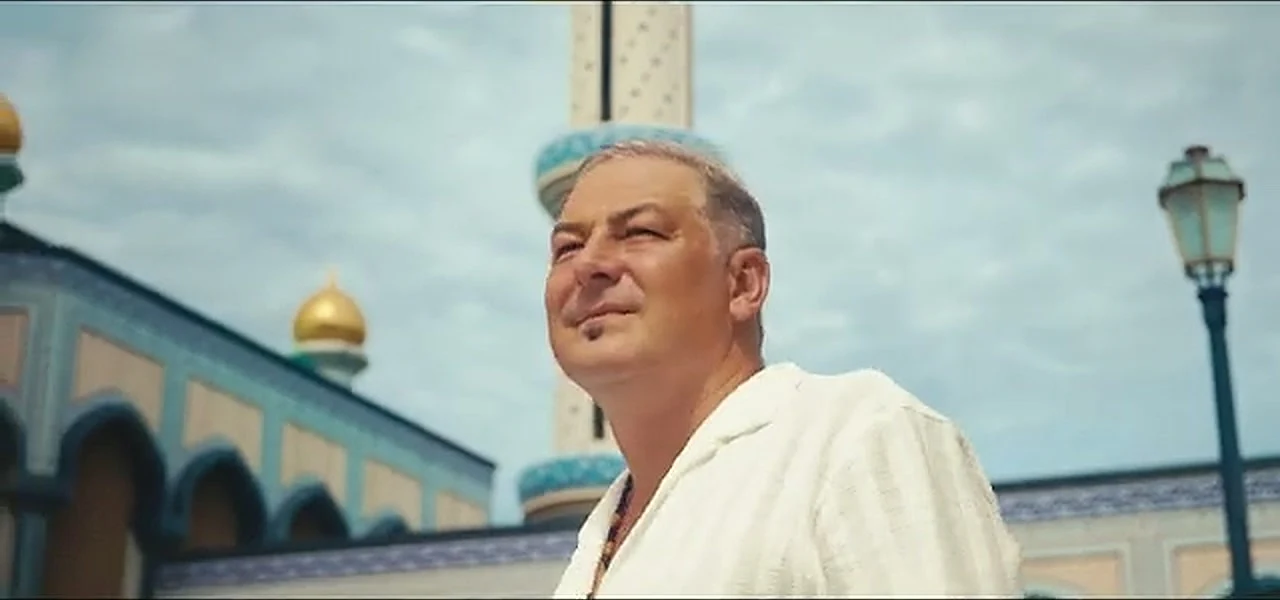
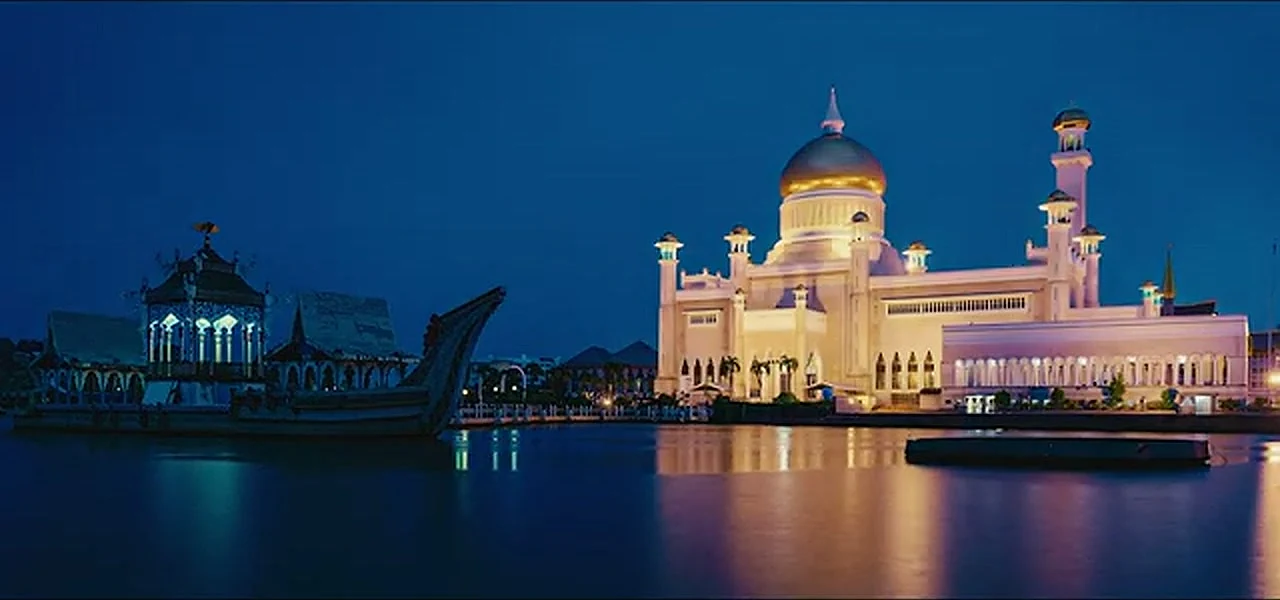
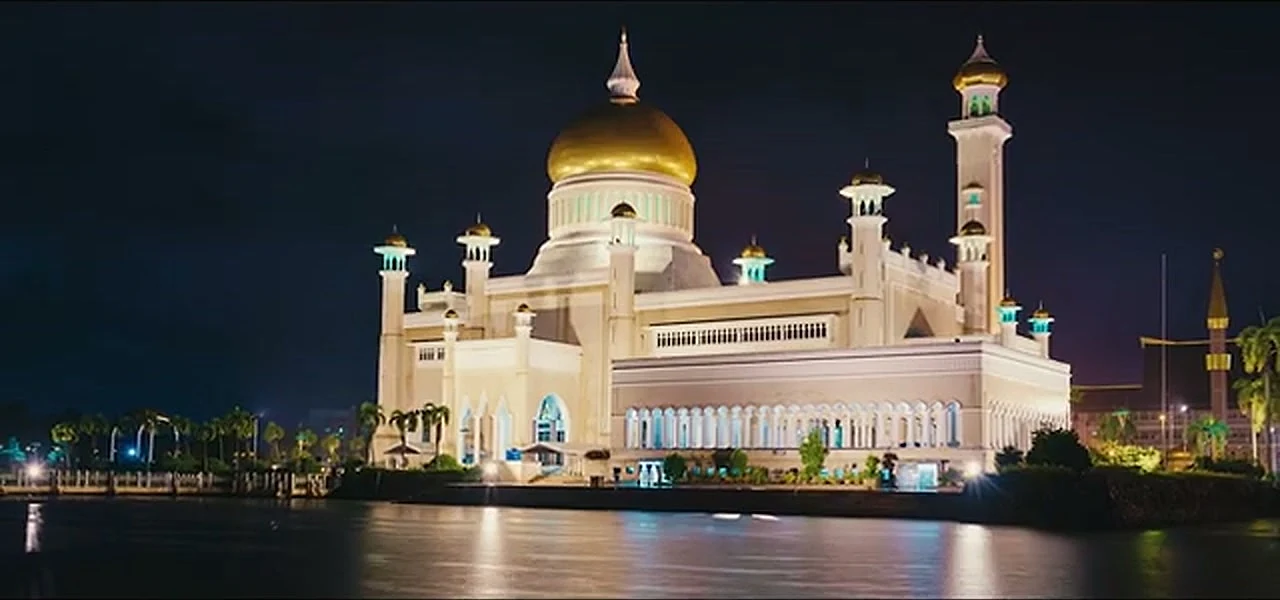
A short distance away stands the one every photo of Brunei eventually shows you: the Omar Ali Saifuddien Mosque, completed in the late 1950s and widely called one of the most beautiful mosques in the world. It's built on an artificial lagoon, crowned with a dome of real gold leaf, and dedicated to the 28th sultan — the father of the present one. This is where Brunei becomes genuinely hard to judge, because everything about it feels gentle. And when power looks this peaceful, people stop resisting it.
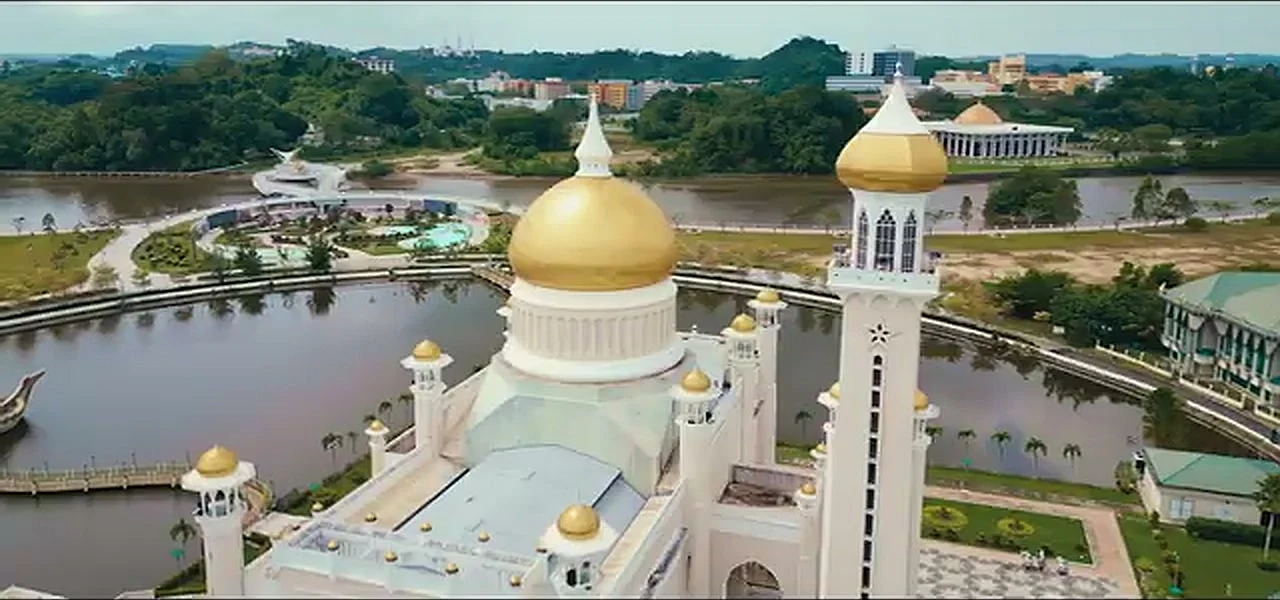
Out on the lagoon sits a detail I loved: a full-scale replica of a 16th-century royal barge, the kind Brunei's rulers once used to hold ceremonies and parties on the water. By day it's a graceful curiosity; by night, the whole mosque lights up gold over its own reflection, and you understand the strategy completely. Power here is wrapped in beauty, and authority hides behind calm.
Kampong Ayer: The Water Village That Stayed
And then, right across the river from all that gold, is the place that moved me most. Kampong Ayer is one of the largest water villages on Earth — a settlement of homes, shops, schools and mosques built on stilts over the water, where people have lived for centuries. Thousands still do.
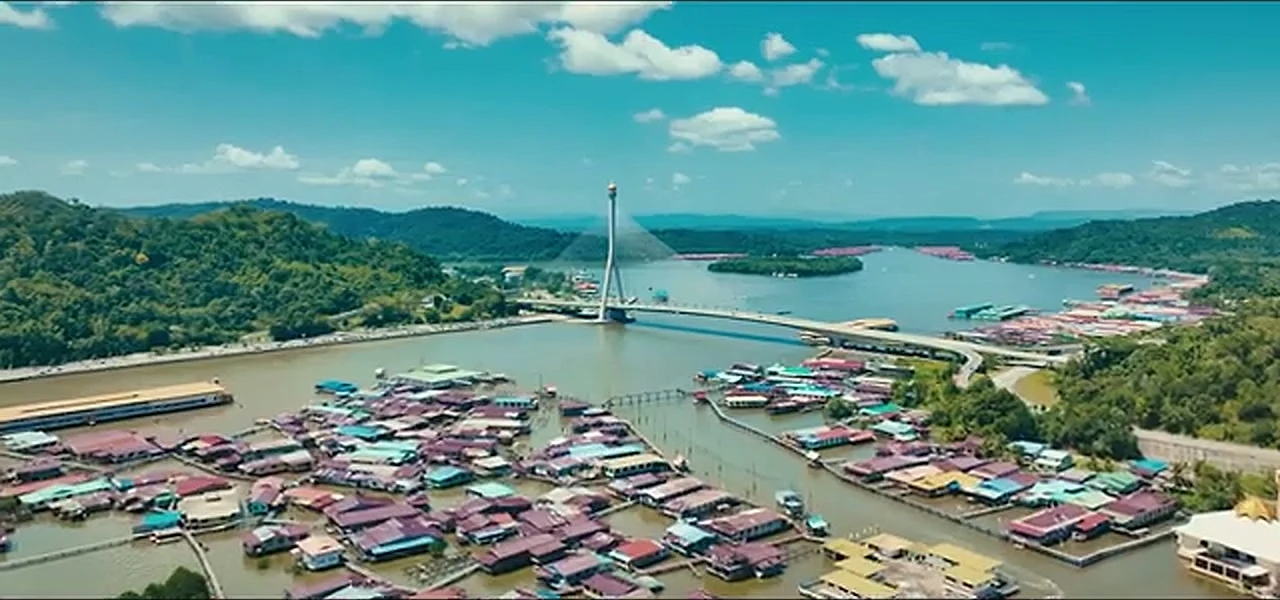
What struck me is the relationship to money. In Kampong Ayer there are no luxury cars, no excess, no desperation either — just a different, older way of being wealthy. It looks modest, but this isn't poverty or abandonment; it's continuity. And crucially, the modern state still reaches it: there's a village school for the many children here, and healthcare and education are covered, exactly as on the mainland. There's a striking mix of humble and well-off living side by side, and it has its own quiet charm.
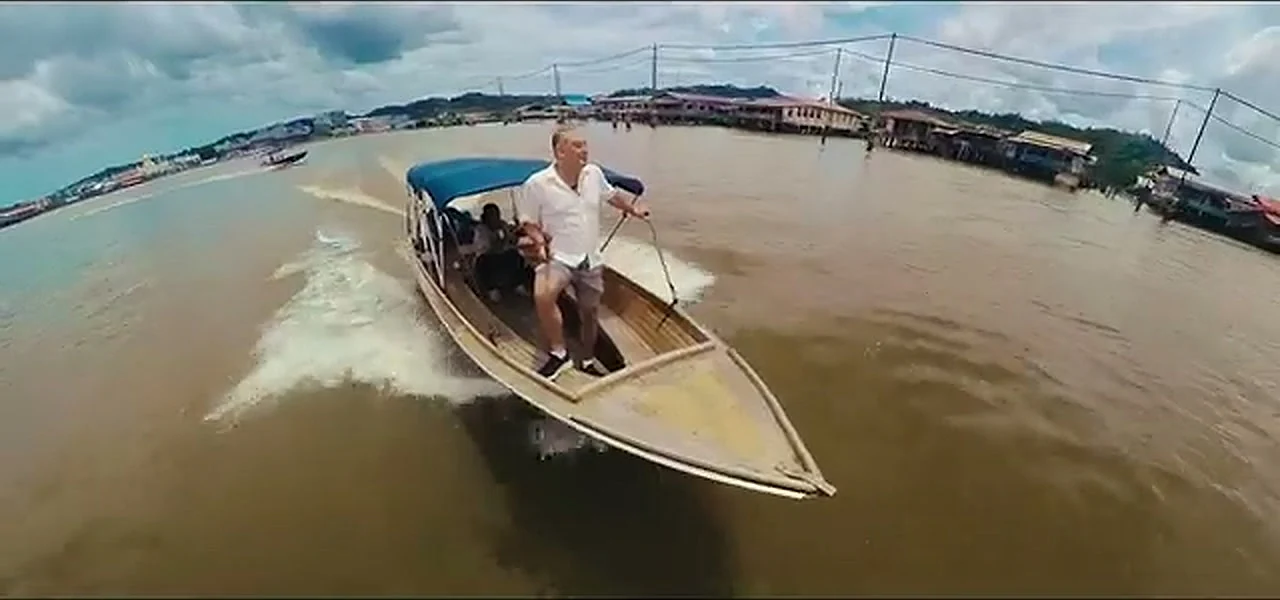
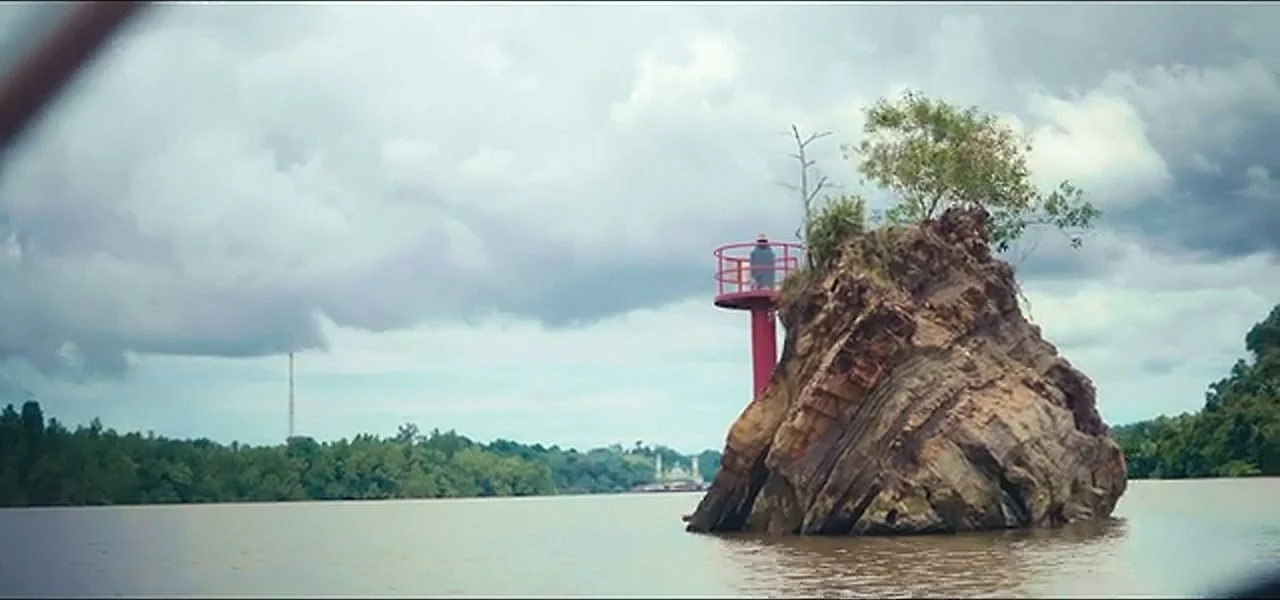
Gliding through it by boat, my guide pointed out a rock in the river with a story attached — one of those folk legends that tells you more about a culture than any statistic. A village son, it goes, grew up, left, grew rich, and sailed home in a fine boat to find his mother. But when his new wife saw the old woman approaching and sneered, "who is this ugly woman?", the son chose not to acknowledge her. The heartbroken mother cursed the boat, and the story says it turned to stone on the spot — the rock still there in the water today. It's Brunei's version of a universal tragedy, about children who forget their parents, and I'll admit it gave me goosebumps. In Brunei, values aren't enforced with fear. They're passed down through stories. Obedience here isn't demanded; it's inherited.
The Green Two-Thirds
There's a side of Brunei the skyline never shows you, and it's the reason the country matters far beyond its borders: it is overwhelmingly rainforest. Thanks to its oil wealth, Brunei never had to log its interior to survive, so a remarkable share of the country — well over half, among the highest forest cover in Asia — remains primary jungle, part of the ancient, biodiverse heart of Borneo. The jewel of it is Ulu Temburong National Park, a near-pristine reserve reached only by longboat, where canopy walkways lift you into treetops alive with hornbills and gibbons. It's a quiet environmental flex: while much of Borneo has been cleared for palm oil, Brunei has simply left its forest standing. A country that didn't need to sell its trees, and chose not to.
The Theater of Monarchy
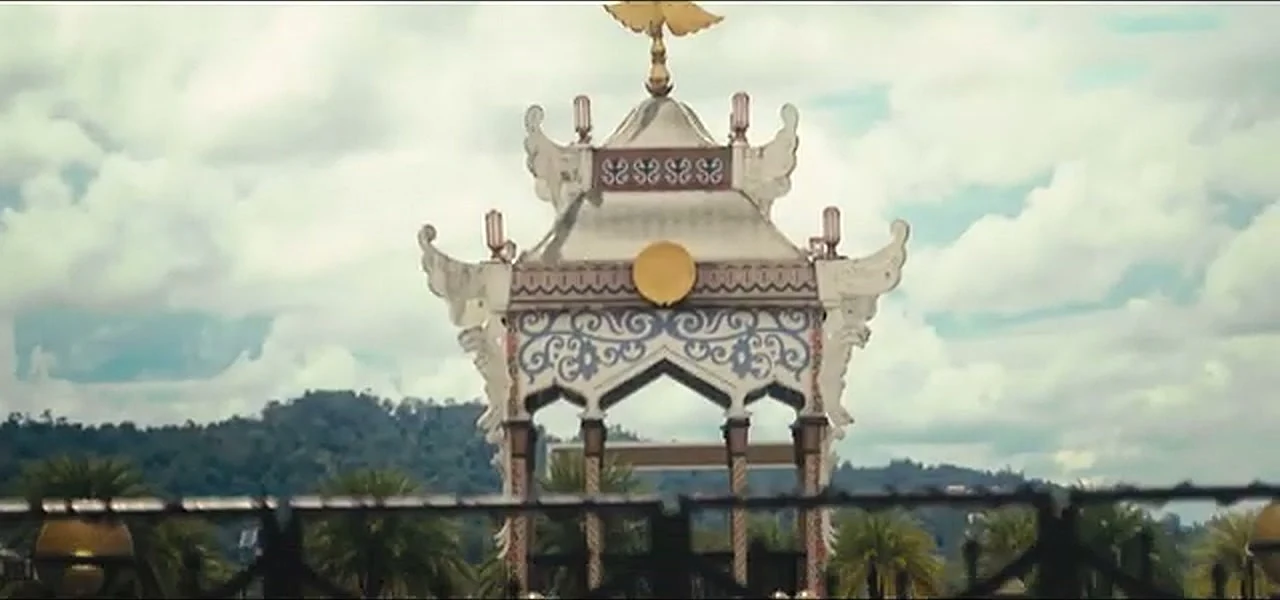
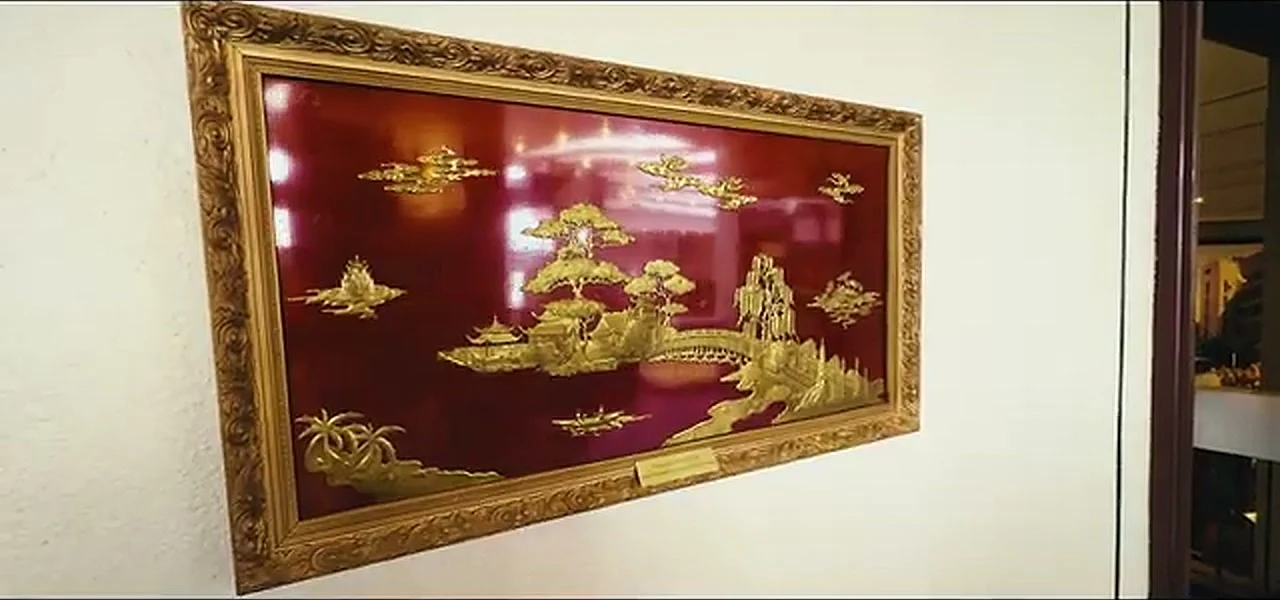
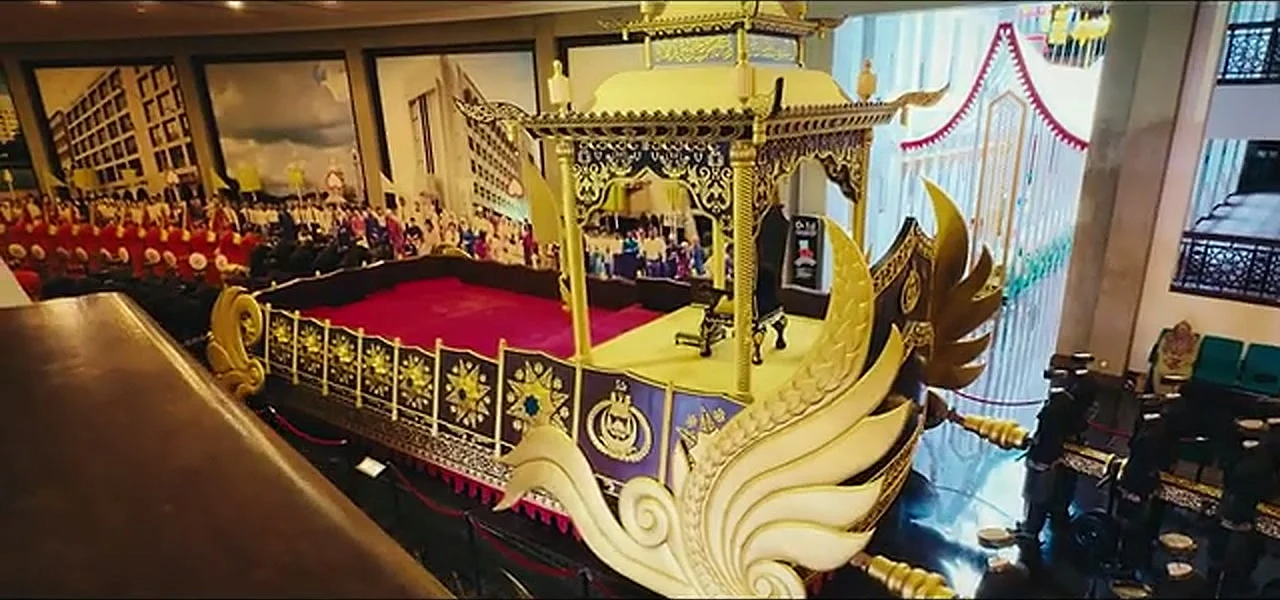
If Kampong Ayer shows Brunei's restraint, the Royal Regalia Museum shows its confidence. This is a place that doesn't hide the country's wealth — it displays it, proudly. Inside are the gifts the Sultan has received from world leaders over decades: gold-plated swords, jewel-encrusted artefacts, medals and rare photographs, the diplomatic treasure of one of the richest men alive.
The centrepiece is the real chariot used for the Sultan's 1968 coronation — a vast, gilded vessel that looks like it belongs in a film. Power here doesn't pretend to be small. It simply promises stability in return for loyalty, and lays its evidence out in glass cases for anyone to see. Nothing is hidden. Nothing is denied. Everything is polished. But the real story of Brunei isn't what you can photograph — it's what you feel.
The Uncomfortable Trade-Off
Here's where honesty matters. Brunei is a dry country that follows Sharia law: no bars, no restaurants serving alcohol, a hush over the streets at night. That's the gentle end of it — less noise, less temptation, less chaos, but also less room to ignore the rules; getting caught drinking brings fines or short-term detention. The harder truth is bigger than that. Brunei implemented a strict Sharia Penal Code, fully in force since 2019, whose most severe provisions — stoning and amputation among them — drew strong international condemnation from the UN, human-rights groups and Western governments. The Sultan has since announced a de facto moratorium on executions, and in practice the harshest penalties have not been carried out — but the laws remain on the books, and that unsettles much of the world, for good reason.
By the numbers: Brunei, by the numbers
- Istana Nurul Iman
- ~1,788 rooms · ~200,000 m² · largest on Earth
- The Sultan
- Hassanal Bolkiah, 29th sultan, ruling since 1967
- Reported car collection
- ~7,000 vehicles
- Jame'Asr Mosque
- 29 golden domes · built 1992 · holds 5,000
- Omar Ali Saifuddien Mosque
- Completed 1950s · on a lagoon · gold-leaf dome
- Kampong Ayer
- Among the world's largest water villages
- Income tax
- None · alcohol banned · Sharia law
I won't pretend that tension resolves neatly, and I won't flatten it either. What genuinely messed with my head was this: in the West, the phrase "absolute monarchy" is supposed to be the end of the argument. But Bruneians didn't say it to me like a warning. They said it like a comfort.
In the West, 'absolute monarchy' is supposed to end the conversation. But here, people didn't whisper it like a warning. They said it like a comfort.
If You Want to Go: Visiting Brunei
Brunei is compact and easy — you can see the headline sights in two or three days, flying into Bandar Seri Begawan and basing yourself in the small, safe capital. Start with the two mosques (Omar Ali Saifuddien by day and again at night, and Jame'Asr Hassanil Bolkiah), cross to Kampong Ayer by water taxi, and give an afternoon to the Royal Regalia Museum. If you have a third day, head for the rainforest and Ulu Temburong. Go modest and respectful: cover your shoulders and knees near mosques, remove your shoes where asked, mind Friday prayers (many sites pause around midday), and don't expect nightlife — the country is dry and quiet after dark. The reward is a place with almost no crime, immaculate streets, warm people, and a feeling you won't get anywhere else: a nation entirely at ease with itself.
What Brunei Left Me With
Standing in front of the Sultan's mosque, I threw the next dart — and it flew me somewhere equally unexpected: Greenland, a place I knew nothing about. That's the deal I make with the dart. But Brunei was going to stay with me longer than most.
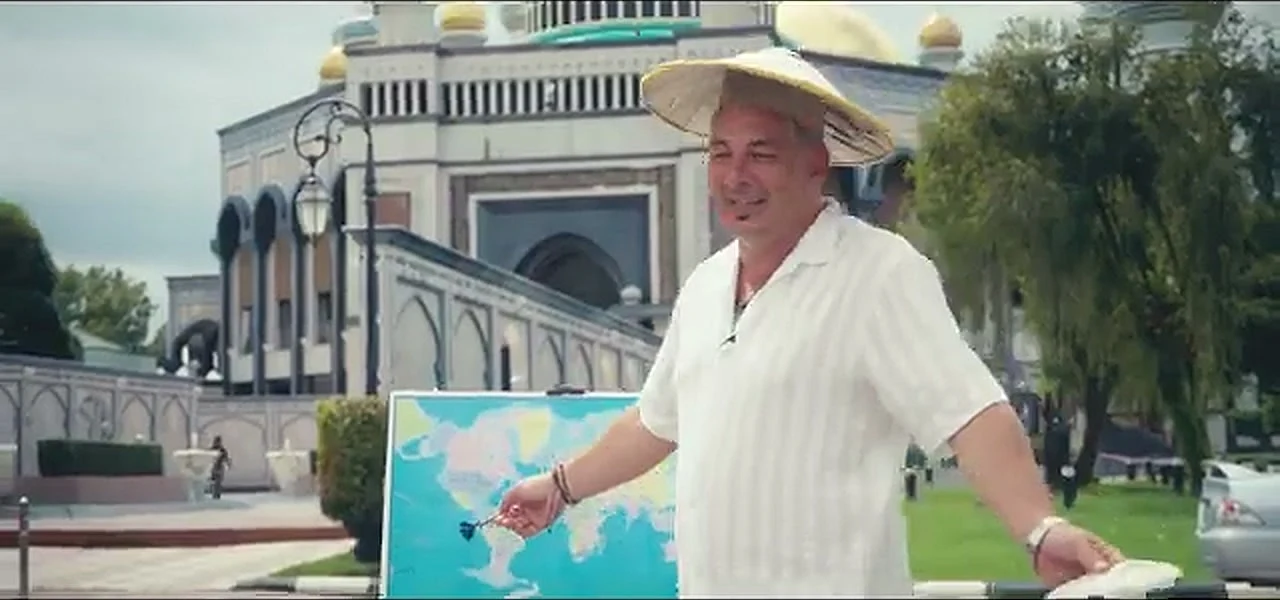
I didn't come to defend Brunei, and I didn't come to criticise it. I came to see what happens when a country doesn't need approval — when it refuses to explain itself, and simply works on its own terms. And the most uncomfortable truth I left with is that, for the people who live here, it seems to. Not because it's better than the way we live. Not because its laws are ones I'd choose. But because Brunei isn't trying to be us — and it never asked to be judged by our rulebook. Maybe freedom isn't universal. Maybe happiness isn't either. The only honest question I could carry out of here is the one Brunei quietly puts to every visitor.
So the only question left is this: what do you value more — freedom, or stability? Brunei has made its choice, and it doesn't need you to agree.
Explore More Travel by Dart Journeys
- The island where this dart was thrown: Antigua and Barbuda, in the Caribbean.
- The twin destination the same throw chose, right next door: the Philippines.
- Another side of maritime Southeast Asia and its water-borne cultures: Indonesia.
- A very different wealthy, orderly Asian society the dart uncovered: Japan.
Suggested Sources & Further Reading
To go deeper into Brunei, its wealth and its laws, these are some of the best authoritative resources:
- Encyclopædia Britannica — Brunei — the country, its history and its government.
- Guinness World Records — largest residential palace — the Istana Nurul Iman.
- Encyclopædia Britannica — Hassanal Bolkiah — Brunei's Sultan.
- Human Rights Watch — Brunei's penal code — the Sharia law and the international response.
- Al Jazeera — the UN on Brunei's Sharia laws — context on the 2019 code and the moratorium.
All facts verified November 2026.
Brunei: traveler questions
Why is Brunei so rich, and do people pay tax?+
Brunei is a small sultanate on the island of Borneo with enormous oil and gas reserves and only around 450,000 people, which gives it one of the highest GDPs per capita in the world. Citizens pay no income tax, education and healthcare are heavily subsidised, and the state provides a deep social safety net. The wealth is most visible in the Sultan's palace and car collection, but it also quietly underwrites a comfortable, stable life for ordinary Bruneians — which is a big part of why the system enjoys genuine public support.
Is Brunei safe for tourists, and is alcohol really banned?+
Brunei is extremely safe and calm — crime is very low and the capital is quiet, especially at night. Yes, alcohol is effectively banned: it isn't sold, there are no bars, and the country follows Sharia law. Non-Muslim visitors may bring in a small personal allowance, but public drinking is off the table, and getting caught can mean fines or short-term detention. Dress modestly, especially near mosques, be respectful of Islamic customs and prayer times, and you'll find Bruneians warm and welcoming.
What is there to see in Brunei?+
More than its quiet reputation suggests. The highlights are the Istana Nurul Iman — the world's largest residential palace — and two breathtaking mosques: the gold-domed Jame'Asr Hassanil Bolkiah Mosque and the lagoon-set Omar Ali Saifuddien Mosque. Then there's Kampong Ayer, one of the largest water villages on Earth, home to thousands of people living on stilts over the river; the Royal Regalia Museum, which displays the Sultan's coronation chariot and gifts from world leaders; and the rainforests of the interior. It's a compact country you can see in a few days.
What is Brunei's government and Sharia law like?+
Brunei is an absolute monarchy — Sultan Hassanal Bolkiah, the 29th sultan, holds full executive power and has ruled since 1967. It's one of very few absolute monarchies left, and in the West that fact tends to raise alarm. Brunei also implemented a strict Sharia Penal Code, fully in force since 2019, whose harshest provisions — including stoning and amputation for certain offences — drew strong international condemnation; the Sultan has since announced a de facto moratorium on executions. I went to observe, not to judge: the episode is an honest look at a place that is calm, wealthy and stable, and at the uncomfortable trade-offs that come with that.