Season 2 · Episode 3
Amazon Jungle
Ecuador's fourth world: shrunken heads, a tribe first contacted in 1956, a giant air-breathing fish, and a night with a shaman I'll never forget.
On this page ▾
By Sorin Mihailovici · Travel by Dart · Last updated July 2026 · ~17 min read
Not every place the dart chooses is comfortable or pretty, and the Amazon made sure I knew it. When the dart hit Ecuador back in the Galápagos, I had no idea the country would give me not one episode but three — the islands, the mainland, and finally this: the Oriente, Ecuador's Amazon, the fourth of its "four worlds." I went in chasing stories I'd half-believed were myths — tribes that once shrank the heads of their enemies, a people who still hunt with blowguns, a vine that lets you talk to spirits — and came out having found all three, plus a giant fish, a very fake wedding, and a night I genuinely will never forget.
This isn't a travel diary — it's the fact-checked guide I wish I'd had, told with the respect this place and its people deserve: the real history behind the shrunken heads, who the Waorani actually are, and what ayahuasca really is beneath the hype. From here, a blindfolded blow-dart would send me across the world to Greece.
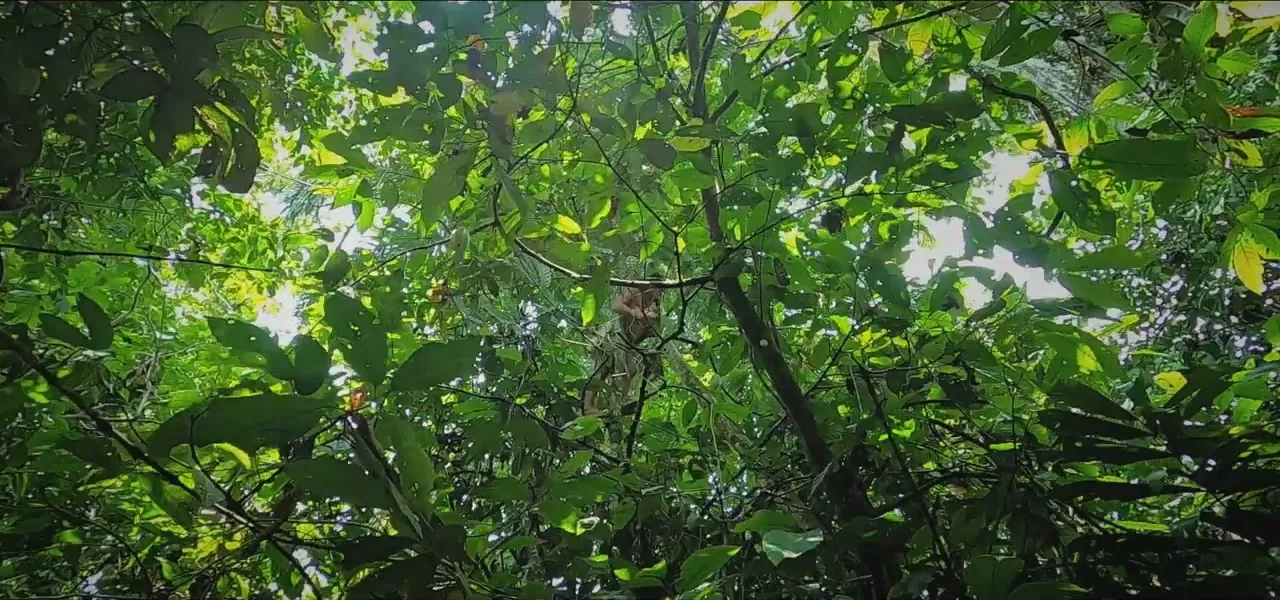
Quick facts: The Ecuadorian Amazon at a glance
- Local name
- The Oriente (Ecuador's east)
- Gateway town
- Misahualli (via Baños)
- Getting around
- Dugout canoe — no roads deep in
- Indigenous nations
- 9 (of Ecuador's 14)
- Famous peoples
- Kichwa, Shuar, Waorani
- Signature fish
- Paiche (arapaima) — breathes air
- Sacred medicine
- Ayahuasca ('vine of the soul')
- Part of
- The Amazon basin / Yasuní region
- Best time to visit
- Drier months, ~Aug–Dec
Ecuador's Fourth World
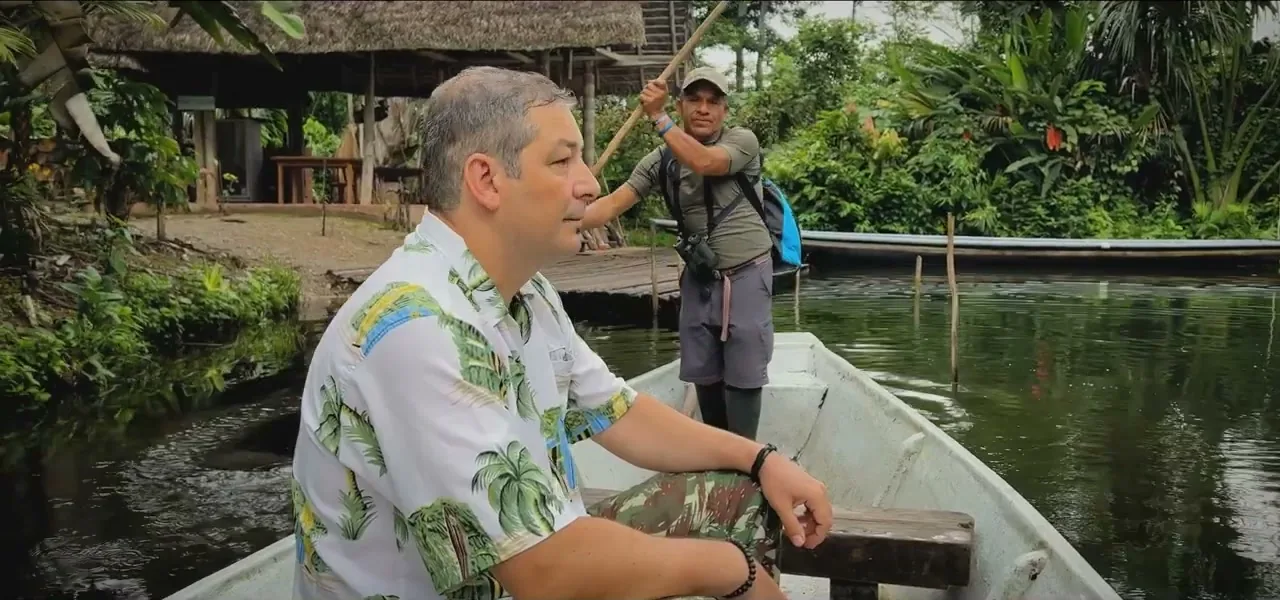
Ecuador is the country of four worlds — the Galápagos, the Pacific coast, the Andes, and the Amazon — and the Amazon is the one most travelers never reach. From the adventure town of Baños I drove three to four hours down out of the mountains with my friend Pedro to Misahualli, a riverside village surrounded by Indigenous communities, and checked into a rustic, wonderful place called the Ama Lodge. From there, the roads simply end. You go by dugout canoe.
What surprised me most was the human map. Ecuador became a republic in 1830, but many peoples were here long before any constitution — so the country recognizes 14 Indigenous "nationalities," each with its own language, laws and social structure, and nine of them live in the Amazon. These are among the least-contacted peoples on Earth; the Inca only reached this region in the 1400s, and some groups have never been integrated at all.
By the numbers: The Oriente
- Ecuador's Indigenous nationalities
- 14 (9 in the Amazon)
- Drive from Baños to Misahualli
- ~3–4 hours
- Waorani first contact
- 1956
- Shrunken heads outlawed
- 1960s
- Longest venomous snake in the Americas
- Bushmaster (up to 3 m)
- Paiche (arapaima) length
- Up to ~3 m; breathes air
The Shrunken Heads: The Truth Behind the Legend
Every visitor to this part of Ecuador hears about the shrunken heads, and at a museum near the equator I was shown a real one — a genuine, roughly 170-year-old human head, kept behind glass and rarely photographed. It is a deeply unsettling thing to stand in front of, and it deserves to be understood rather than sensationalized.
The practice belonged to the Shuar (and related Achuar), and they are the only culture known to have ritually shrunk human heads — called tsantsa. When warriors killed an enemy in a raid, they would take the head, carefully remove the skull, and shrink the remaining skin with hot stones and sand until it was the size of a fist. Crucially, they sewed the lips shut. This wasn't decoration: they believed the victim carried an avenging spirit, the muisak, and sealing the mouth trapped it so it could not escape to take revenge. The finished tsantsa was worn as proof of victory and a source of spiritual power.
Creatures That Make the Rules
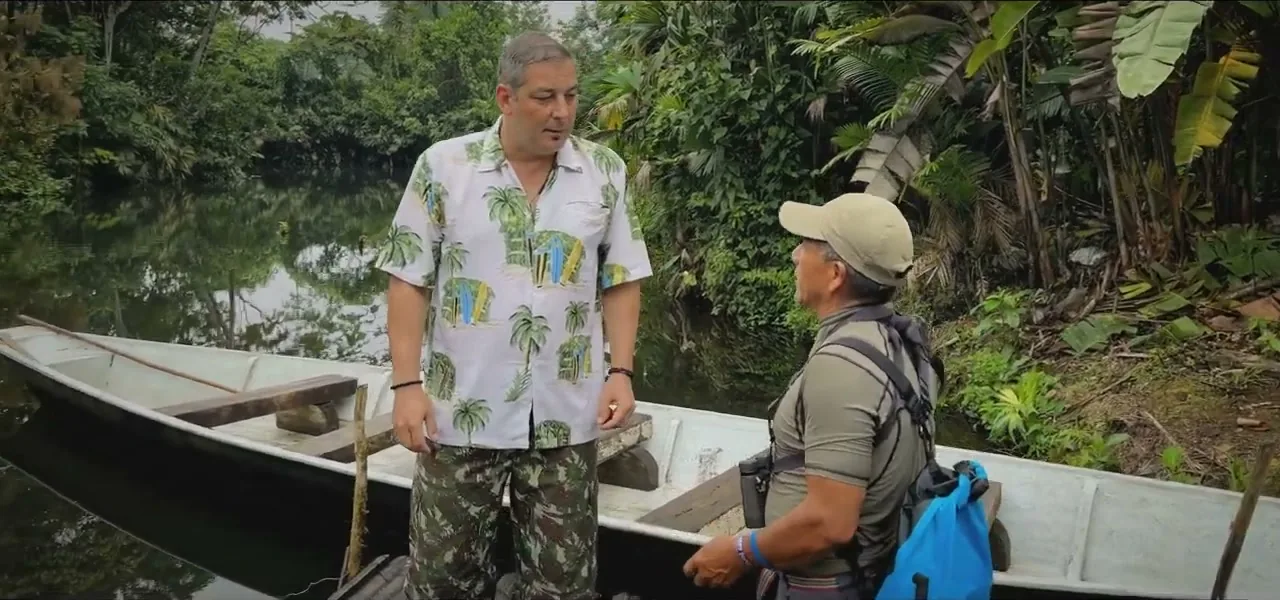
Out on the river, my guide José introduced me to the Amazon's residents, starting with a monster: the paiche (also called arapaima or pirarucu), one of the largest freshwater fish on Earth. It can reach around three metres, and — extraordinarily — it breathes air, rising to the surface every ten to twenty minutes to gulp a breath, a behavior that makes it easy to spot and, tragically, easy to overfish.
Then came the part where you keep your hands in the boat. The Amazon's snakes are the stuff of nightmares, and the guides rattle them off with alarming calm. There's the fer-de-lance — locally the "equis" (the X), named for its markings and triangular, flattened head — the deadliest snake in the region. And there's the bushmaster, called Motolo in Kichwa: the longest venomous snake in the Americas, up to three metres, nocturnal, and strong enough to knock you down. Its bite, my guide said plainly, makes the flesh rot.
The Waorani: A People First Contacted in 1956
The most humbling hours of the whole trip came four more hours downriver, meeting the Waorani (or Huaorani). This is not something most tourists ever do, and I only could because the people I traveled with had earned real trust. The Waorani are legendary: fierce warriors and superb hunters who were first contacted by the outside world only in 1956, and who still hunt with four-metre blowguns and curare-tipped darts.
They welcomed me with a song, and when I asked what it meant, one of the women explained it in a way that stopped me cold.
This song is dedicated to you. It welcomes you as a brother. We receive your presence as a brother from afar — because in the past we lost our brothers in the war, and now it is like a reunion with the brothers.
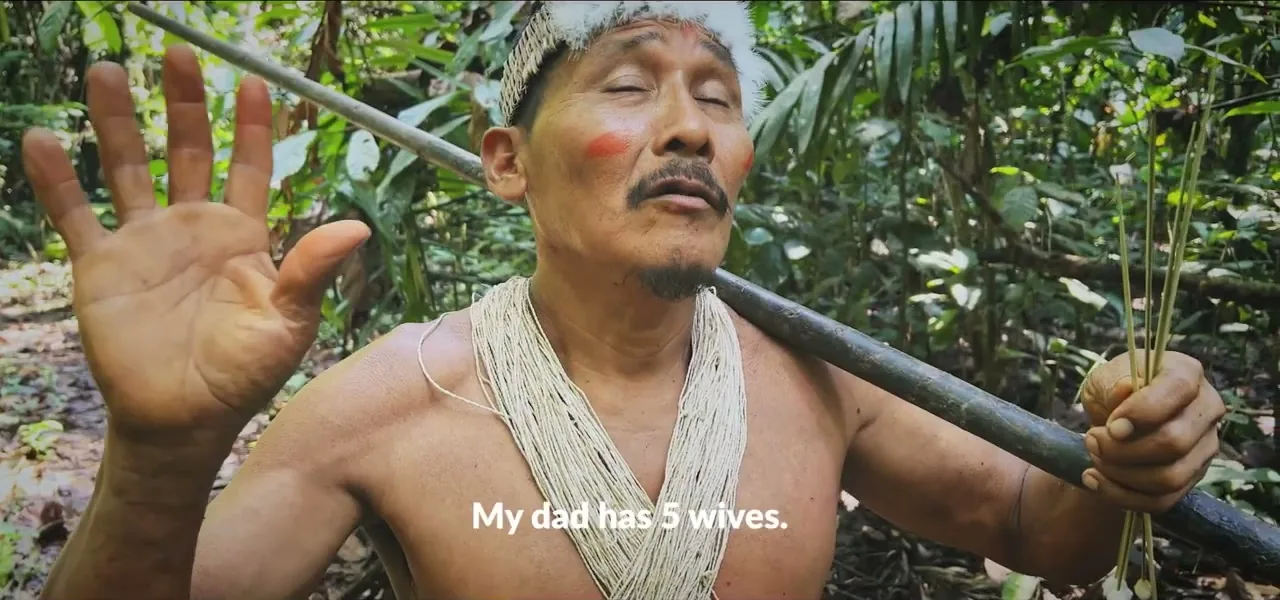
There was laughter, too. The men were curious about why, at my age, I still wasn't married — one told me his father had five wives, "one to cook, one to wash, one to work…" — and they insisted on staging a good-humored mock "wedding ceremony" for me on the spot, complete with a bride chosen for the day. It was played entirely for fun, and I went along with it as the guest of honor. But under the jokes was something serious: a people who have survived, on their own terms, at the very edge of the modern world.
Hunting the Old Way: The Blowgun
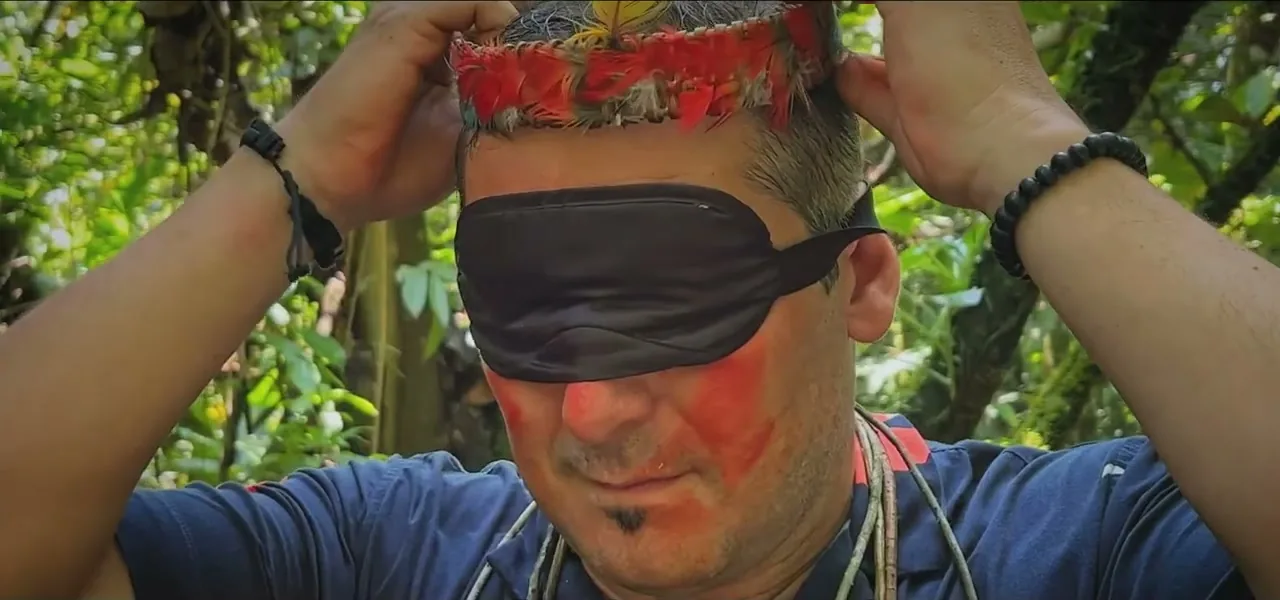
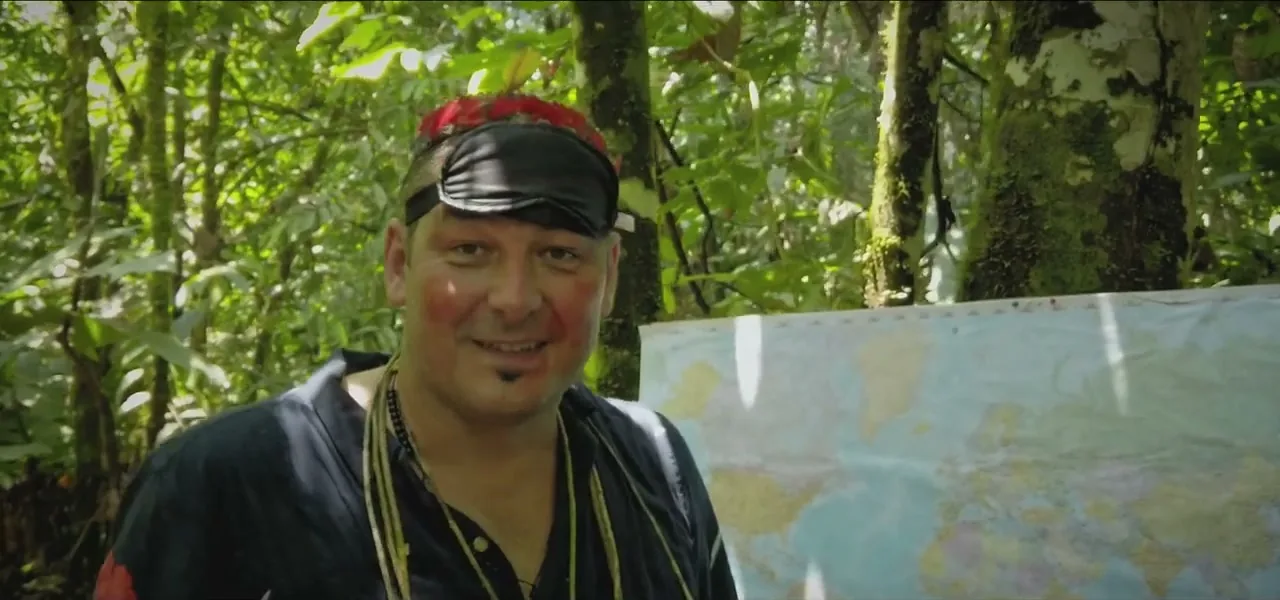
Before I left the Waorani, I did something no other episode of the show has done: instead of throwing a dart at the map by hand, I fired it from a blowgun, the way they hunt. Blindfolded, my face painted, I put the little dart to my lips and blew — and out of nearly 200 countries, it struck near Athens. Greece. I don't speak a word of Greek, but I couldn't have been more excited to go.
Sinchi Warmi: Healing With the "Brave Women"
One of the trip's best surprises was an invitation to Sinchi Warmi — Kichwa for "Brave Women" — a community-tourism project run entirely by Indigenous women. People come here to shed negative energy and, as they put it, to leave "like new." My cleansing began, memorably, with a shot of garlic blown up my nose (a blend of six medicinal plants, they told me, that helped them through COVID), followed by 35 minutes in a steam tent packed with boiling medicinal herbs.
You enter the womb of Mother Nature — our Pacha Mama — only to come out as a newborn.
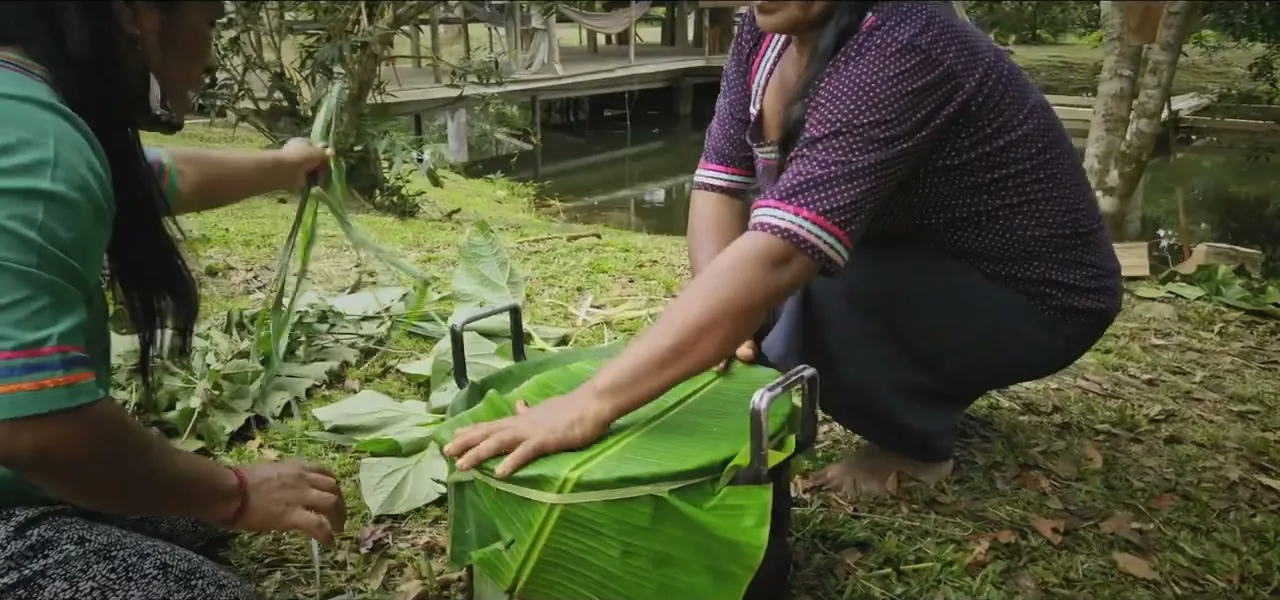
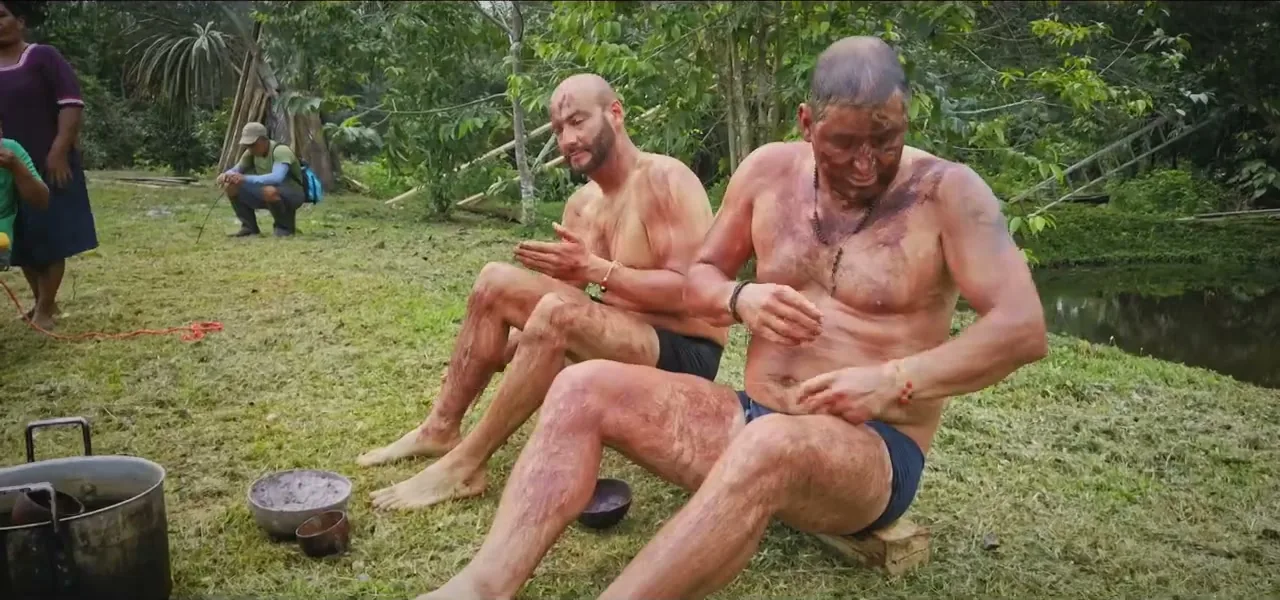
Then it got wilder: a leap into the lake to swim near the giant paiche, a full-body mud ceremony, and finally a rinse and a coating of cacao. That last one made me laugh — Ecuador grows some of the finest cocoa on the planet, the kind that's shipped to Belgium and sold for a fortune, and here we were smearing it on our skin as medicine. It was one of the most joyful afternoons of the entire show.
Ayahuasca: The Vine of the Soul
And then, the climax — the one I'd been both drawn to and wary of: ayahuasca. This is not a thing to take lightly, and I want to be clear about what it actually is, because the internet is full of nonsense about it. Ayahuasca is a sacred Amazonian medicine whose name means "vine of the soul." It's a brew of the Banisteriopsis caapi vine — which contains natural MAOIs — combined with a leaf that carries DMT (most often chacruna). Neither works alone: the vine's compounds are what allow the DMT to become active when you drink it. Dozens of Amazonian peoples have used it for centuries for healing and spiritual work, always with a trained shaman — here called a Yachak Runa — guiding and protecting the participant.
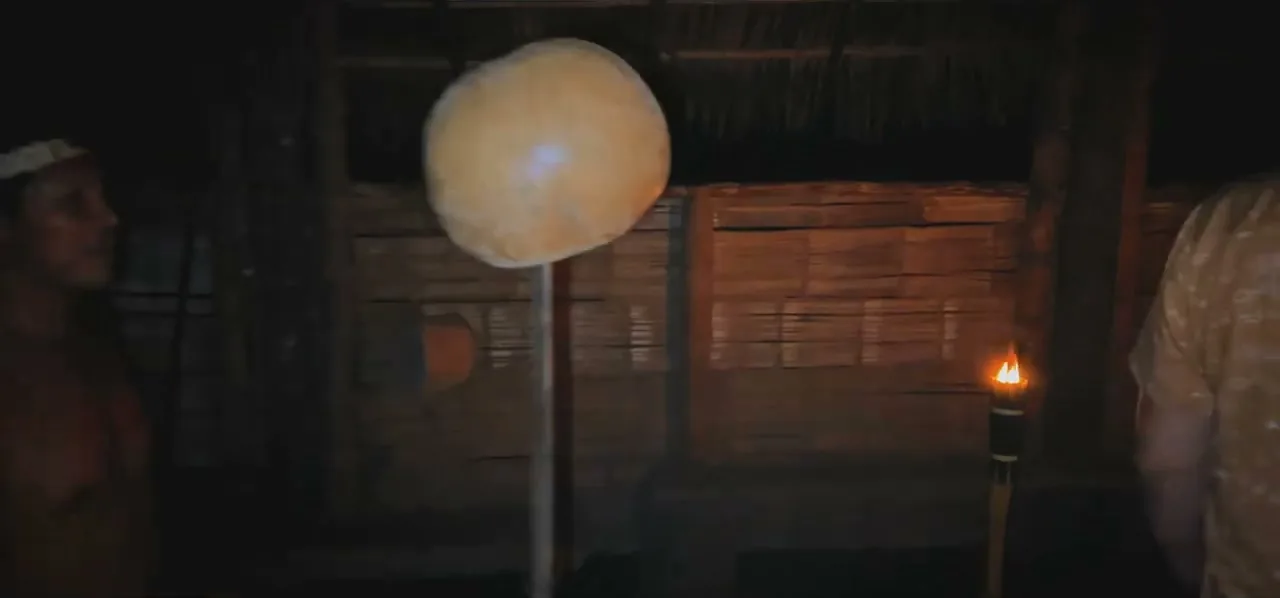
Mine was led by a shaman named Santiago. He took me first to harvest and prepare the brew — roots peeled, boiled for hours, reduced down to a concentrated half-litre. Then, at night, the hut transformed: pitch dark, torches, Santiago painted and chanting, talking to the spirits and trying to frighten the bad ones away. He told me to let go of every emotion and drink. What follows is intensely personal and different for everyone — many people purge (throwing up is considered part of the cleansing), some feel a sacred anaconda winding up the body, some hallucinate, some faint. I spent about two hours in it, seeing all kinds of things, and — I'll be honest — I felt it, right to the end.
Things That Surprised Me About the Amazon
- Ecuador has 14 Indigenous nationalities, nine of them in the Amazon.
- Deep in the forest there are no roads — you travel by dugout canoe.
- The Shuar are the only culture ever to ritually shrink human heads.
- They sewed the lips shut to trap the victim's avenging spirit.
- Ecuador outlawed head-shrinking in the 1960s.
- The paiche is one of the world's biggest freshwater fish — and it breathes air.
- The bushmaster is the longest venomous snake in the Americas.
- The Waorani were first contacted only in 1956.
- They still hunt with 4-metre blowguns and curare darts.
- Two Waorani groups, the Tagaeri and Taromenane, remain uncontacted by choice.
- I threw the dart with a blowgun — and hit Greece.
- A healing ceremony began with garlic blown up my nose.
- Ecuador's world-class cacao is used here as skin medicine.
- Ayahuasca means "vine of the soul," and needs two plants to work.
- The purge (vomiting) is considered the healing, not a side effect.
Out of the Forest
I've been to a lot of remote places, but nothing has humbled me like Ecuador's Amazon. It's a world that refuses to perform for you — where the animals are genuinely dangerous, the history is genuinely dark, and the people have genuinely earned the right to live however they choose. I came for the goosebumps, and I got them; but what stayed with me was the dignity of it all — the Waorani welcoming a stranger "as a brother," the Brave Women turning ancient knowledge into a livelihood, a shaman guiding me through the longest two hours of my life.
The blow-dart sent me next to Greece, about as far from this forest as you can get. But I left the Amazon changed, and certain of one thing: some places are not ours to conquer or even fully understand. The best we can do is show up with respect, listen, and let the jungle make the rules.
Explore More Travel by Dart Journeys
- This was the last of three Ecuador chapters — start with the Galápagos and the Ecuador mainland.
- See where the blow-dart sent me next: Greece.
- Another first-time-in-a-wild-place adventure: Madagascar.
- More Indigenous history and resilience in Cambodia.
Suggested Sources & Further Reading
To go deeper into the Ecuadorian Amazon, these are some of the best authoritative resources:
- Ecuador Travel — Ecuador's official tourism site, including the Amazon region.
- Survival International — advocacy and information on the Waorani and uncontacted peoples.
- Pitt Rivers Museum — shrunken heads — the history and ethics of tsantsa, from Oxford University.
- Encyclopædia Britannica — ayahuasca — an authoritative overview of the brew and its use.
- National Geographic — arapaima — the giant air-breathing fish of the Amazon.
All facts verified July 2026.
Amazon Jungle: traveler questions
Where is the Ecuadorian Amazon, and how do you get there?+
It's the eastern third of Ecuador (locally called the Oriente), on the far side of the Andes from Quito. A common gateway is the town of Misahualli, a few hours' drive down from Baños. From there you travel by dugout canoe — there are no roads deep in the forest. It's part of the vast Amazon basin and home to nine of Ecuador's Indigenous 'nationalities.'
Are shrunken heads real, and who made them?+
Yes, they were real. The Shuar (and related Achuar) people of the Ecuadorian/Peruvian Amazon are the only culture known to have ritually shrunk human heads, called tsantsa. Warriors took the heads of enemies, removed the skull, and shrank the skin — sewing the lips shut to trap the victim's avenging spirit (muisak). Ecuador outlawed the practice in the 1960s; it had already largely died out. Genuine tsantsa are rare and treated as sacred remains, not souvenirs.
Who are the Waorani?+
The Waorani (or Huaorani) are an Amazonian people of Ecuador, famous as fierce warriors and expert hunters who were only first contacted by the outside world in 1956. They traditionally hunt with 4-metre blowguns and curare-tipped darts. Two related groups, the Tagaeri and Taromenane, remain uncontacted by choice, living in a protected 'intangible zone' inside Yasuní.
What is ayahuasca?+
Ayahuasca is a sacred Amazonian medicine — a brew whose name means 'vine of the soul.' It combines the Banisteriopsis caapi vine (which contains MAOIs) with a DMT-bearing leaf, most often chacruna. Taken in ceremony under the guidance of a shaman (here called a Yachak Runa), it causes intense visions and purging, and has been used for healing and ritual by dozens of Amazonian peoples for centuries. It is powerful and not without medical risk — it is traditional medicine, not a recreational drug.
What dangerous animals live in the Ecuadorian Amazon?+
Among others: the paiche (arapaima), one of the largest freshwater fish on Earth, which breathes air; and several venomous snakes, including the fer-de-lance (locally 'equis,' the region's deadliest) and the bushmaster — the longest venomous snake in the Americas, whose bite can cause tissue to rot.
Is it ethical to visit Amazonian communities?+
It can be, when it's done on the community's terms and supports them directly — as with Indigenous-run lodges and the women-led Sinchi Warmi project featured here. The key is respect: go with local guides who have genuine relationships, follow the community's rules, don't treat people or sacred objects as photo props, and never seek out groups who have chosen isolation.